


Indian Ricegrass Nezpar Seeds – 500 Count Native Grass for Zones 3-10, Full Sun
Original price was: 32.99 $.12.99 $Current price is: 12.99 $.
Cultivate Indian Ricegrass Nezpar seeds, a versatile native grass known for its beauty and resilience. Ideal for xeriscaping, wildlife areas, and erosion control, this drought-tolerant grass thrives in full sun across USDA Zones 3-10. Each packet contains 500 Nezpar Indian Ricegrass seeds, perfect for establishing a natural landscape.
Estimated arrival
Sep 18
Sep 23 - Sep 25
Sep 25 - Sep 30
See our Shipping Policy.
Get in touch with us via email, and our team will review your concerns.
Our Alive & Thrive Guarantee covers issues with your plants within the first 30 days. Read our Refund & Returns Policy.
-
USDA Hardiness Zone
3 - 10 -
Soil Type
Average - Dry, well-draining soil -
Sunlight Exposure
Full Sun -
Expected Planting Period
Fall / Early Spring / Indoors weeks before last frost
Overview
Discover the beauty and resilience of Indian Ricegrass Nezpar seeds, a vital component for sustainable landscaping and native plant restoration. This remarkable grass, scientifically known as Oryzopsis hymenoides (syn. Achnatherum hymenoides, Stipa hymenoides, Eriocoma cuspidata), is also commonly referred to as Indian Millet, Sandgrass, or Sand Rice Grass. Our packet contains 500 Nezpar Indian Ricegrass seeds, providing ample opportunity to establish this lovely native species. Indian Ricegrass is celebrated for its delicate, airy appearance with yellow-green flowers that transition into attractive white seedheads from May to July. It’s an excellent choice for those seeking to create a naturalized garden, support local ecosystems, or simply enjoy a low-maintenance, drought-tolerant plant.
This native grass is particularly valued for its adaptability to various soil conditions and its ability to thrive in full sun, making it a perfect addition to xeriscapes or areas prone to dry spells. The ‘Nezpar’ cultivar is known for its robust growth and reliability, ensuring a successful planting experience. Whether you’re a seasoned gardener or just starting, growing Indian Ricegrass Nezpar seeds offers a rewarding experience, contributing to biodiversity and creating a beautiful, natural aesthetic.
Key Benefits
Planting Indian Ricegrass Nezpar seeds offers a multitude of advantages for your landscape and local ecosystem. This native grass seeds provide both aesthetic appeal and ecological benefits.
- Drought Tolerance: Once established, Indian Ricegrass is incredibly water-wise, requiring minimal irrigation, making it an excellent choice for arid and semi-arid regions and reducing water consumption.
- Erosion Control: Its fibrous root system is highly effective at stabilizing soil, preventing erosion on slopes and disturbed areas, and contributing to soil health.
- Wildlife Support: The seeds are a valuable food source for various birds and small mammals, while the plant provides shelter, enhancing local wildlife habitats.
- Low Maintenance: This grass thrives with little intervention, eliminating the need for frequent mowing, fertilizing, or pest control, perfect for a busy gardener.
- Natural Aesthetic: The delicate, feathery seedheads add a unique texture and movement to the landscape, creating a beautiful, naturalized look that complements any garden style.
- Adaptability: Thriving in a wide range of soil types and tolerant of extreme temperatures, Nezpar Indian Ricegrass is a versatile plant suitable for many environments.
- Sustainable Landscaping: By choosing native plants like Indian Ricegrass seeds, you contribute to local biodiversity and support a healthier, more resilient ecosystem.
Plant Care & Growing Tips
Cultivating Indian Ricegrass Nezpar seeds is a straightforward process, yielding a rewarding, low-maintenance native grass. For best results, consider planting indoors weeks before the last frost, or directly outdoors in the fall or after the danger of frost has passed. Cold stratification can significantly improve germination rates; simply place the seeds in a moist medium in the refrigerator for 30-60 days before planting. Once planted, ensure the seeds have good soil contact but are not buried too deeply. This native grass seeds typically germinates within a few weeks under optimal conditions.
Sunlight requirements for Indian Ricegrass are straightforward: it thrives in full sun, meaning at least 6-8 hours of direct sunlight per day. While it can tolerate some partial shade, abundant sunlight encourages stronger growth and more prolific seed production. For drought-tolerant grass, its soil & water preferences are average to dry. Well-draining soil is crucial to prevent root rot. Once established, it is highly drought-tolerant and will require minimal supplemental watering, making it an ideal choice for xeriscaping. During establishment, keep the soil consistently moist but not waterlogged. This grass is hardy in USDA Zones 3-10, tolerating a wide range of temperatures. No special fertilization is typically needed, as it is adapted to lean soils. Watch out for overwatering or poorly drained areas, as these can be detrimental to its health. Overall, Oryzopsis hymenoides seeds are an excellent choice for gardeners looking for a resilient and beautiful native plant.
Size & Details
This offering includes a packet of 500 Indian Ricegrass Nezpar seeds, providing a generous quantity for establishing a significant area of this beautiful native grass. Once mature, Nezpar Indian Ricegrass typically reaches a height of 12-24 inches, with a similar spread when planted with appropriate spacing of 18-24 inches. The plant forms attractive clumps, adding texture and movement to the landscape. It is well-suited for a variety of garden designs, from naturalized meadows to borders and erosion control areas. The seeds can be planted in fall or early spring, with germination occurring after proper stratification. You can expect the plant to bloom from May to July, with seed harvest typically in July. This Indian Ricegrass seeds packet provides everything you need to start growing this valuable and resilient native species in your garden.
Frequently Asked Questions
- Q: How big does this Indian Ricegrass get? A: Indian Ricegrass Nezpar typically grows to a height of 12-24 inches (1-2 feet) and has a similar spread, forming attractive clumps. Its moderate size makes it suitable for various landscape applications.
- Q: Is this an indoor or outdoor plant? A: Indian Ricegrass is primarily an outdoor plant, thriving in natural environments. It is a native grass well-suited for gardens, meadows, and xeriscapes in USDA Zones 3-10.
- Q: How much sunlight does Indian Ricegrass need? A: This drought-tolerant grass requires full sun, meaning it needs at least 6-8 hours of direct sunlight per day to grow vigorously and produce its characteristic seedheads.
- Q: Is this plant easy to care for? A: Yes, Indian Ricegrass Nezpar is considered very easy to care for, especially once established. It is drought-tolerant, requires minimal fertilization, and is adapted to a wide range of soil conditions, making it an excellent choice for low-maintenance landscaping.
- Q: How long until Indian Ricegrass blooms? A: Indian Ricegrass typically blooms from May to July in its first or second growing season after planting, depending on planting time and growing conditions. The lovely yellow-green flowers develop into white, feathery seedheads.
- Q: When is the best time to plant Oryzopsis hymenoides seeds? A: The best times to plant Oryzopsis hymenoides seeds are in the fall, allowing for natural cold stratification over winter, or in early spring after the danger of frost has passed. Indoor sowing can also be done several weeks before the last frost.
- Q: Will Nezpar Indian Ricegrass survive winter in my zone? A: Yes, Nezpar Indian Ricegrass is very cold hardy and can survive winters in USDA Hardiness Zones 3-10. It is a perennial grass that will return year after year in these regions.
- Q: What kind of soil does Indian Ricegrass prefer? A: Indian Ricegrass prefers average to dry, well-draining soil. It is adaptable to various soil types, including sandy or rocky soils, as long as they are not waterlogged.
- Q: Can I use these native grass seeds for erosion control? A: Absolutely. The strong, fibrous root system of native grass seeds like Indian Ricegrass makes it an excellent choice for stabilizing soil and preventing erosion on slopes, banks, and other vulnerable areas.
- Q: What are the common names for this plant? A: Besides Indian Ricegrass, it is also known by common names such as Indian Millet, Sandgrass, and Sand Rice Grass. The scientific name is Oryzopsis hymenoides.
Be the first to review “Indian Ricegrass Nezpar Seeds – 500 Count Native Grass for Zones 3-10, Full Sun”
Related products


Grass Seeds
Rattlesnake Mannagrass Seeds – Glyceria Canadensis – 250 Seeds – Native Wetland Ornamental Grass

Grass Seeds
Quickdraw Orchardgrass Seeds – 3000 Organic Dactylis Glomerata, Cat Grass, Cool-Season Sun or Shade


Grass Seeds
25 Dwarf Purple Chinese Fountain Grass Seeds – Pennisetum Alopecuroides Hardy Ornamental

You May Like
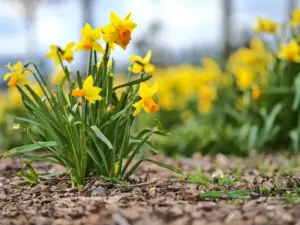
5 Best Bulbs for Fall Planting: Brighten Your Garden This Spring
Are you dreaming of a garden full of vibrant colors in the spring? The key [...]
Aug

How to Repot Houseplants Like a Pro
Do your houseplants look like they’ve outgrown their pots? Are their roots popping out of [...]
Aug
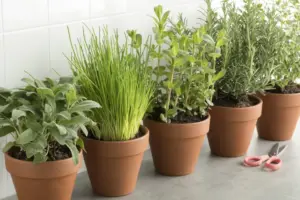
10 Houseplants That Will Thrive in Your Kitchen
Are you tired of your kitchen feeling dull and lifeless? Want to add a little [...]
Aug
Reviews
There are no reviews yet.