
Kentucky Yellowwood Tree Seeds – 10 White Flower Seeds, Cladrastis Lutea, Zone 4-8
Original price was: 32.99 $.12.99 $Current price is: 12.99 $.
Cultivate a beautiful Kentucky Yellowwood tree with these 10 premium seeds. Known for its fragrant white flowers in spring and stunning yellow fall foliage, this ornamental tree thrives in USDA Zones 4-8, bringing unique beauty to any landscape.
Estimated arrival
Sep 19
Sep 24 - Sep 26
Sep 26 - Oct 01
See our Shipping Policy.
Get in touch with us via email, and our team will review your concerns.
Our Alive & Thrive Guarantee covers issues with your plants within the first 30 days. Read our Refund & Returns Policy.
-
USDA Hardiness Zone
4 - 8 -
Soil Type
Average, well-draining soil -
Sunlight Exposure
Full sun -
Expected Planting Period
Fall sow or cold stratify for spring planting
Overview
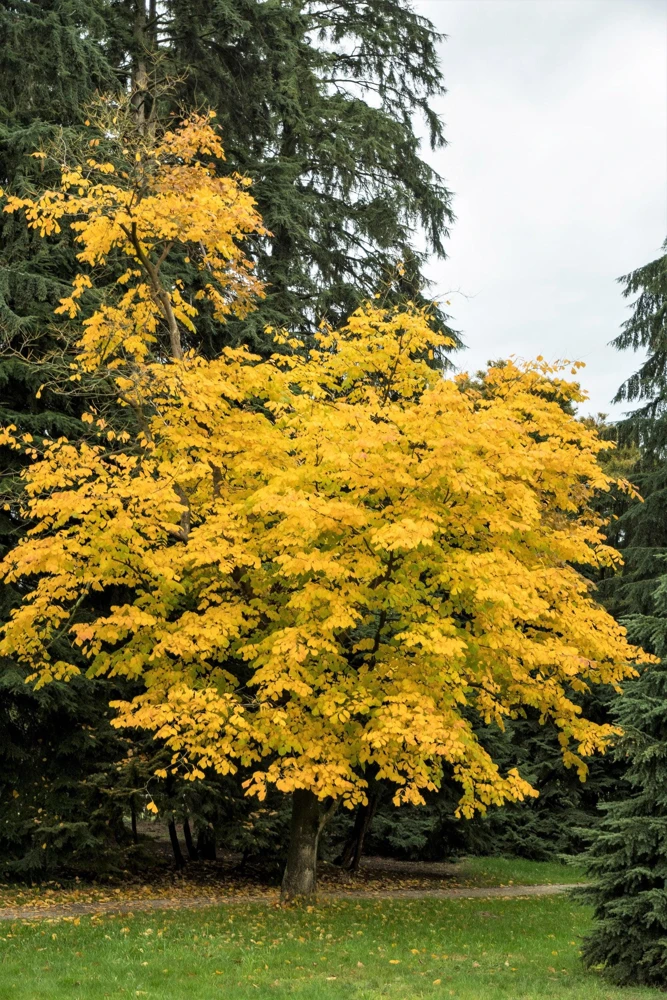
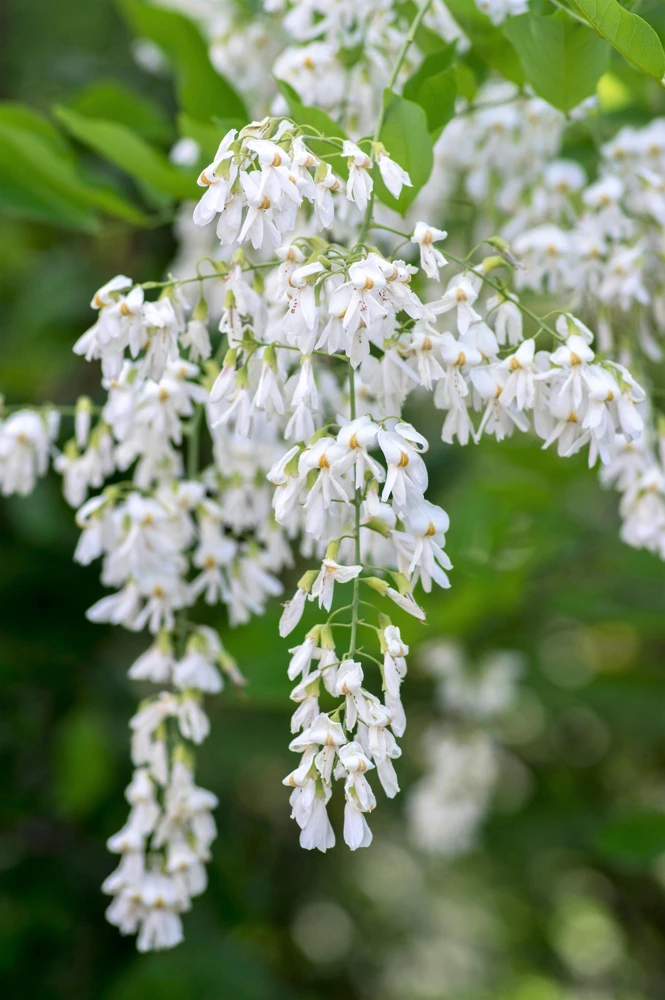
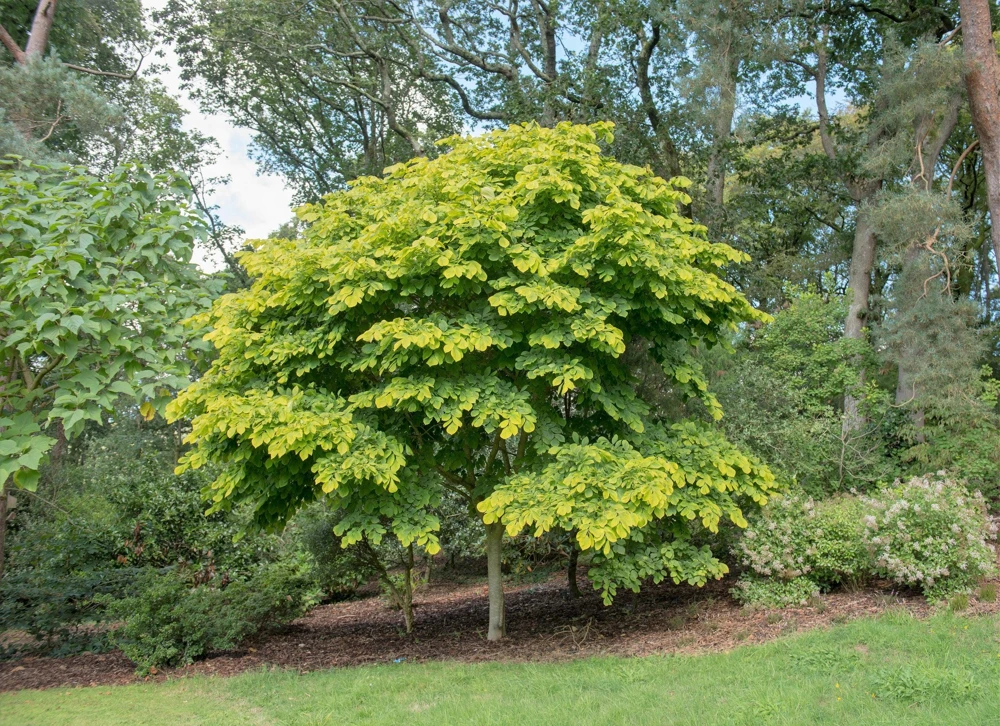
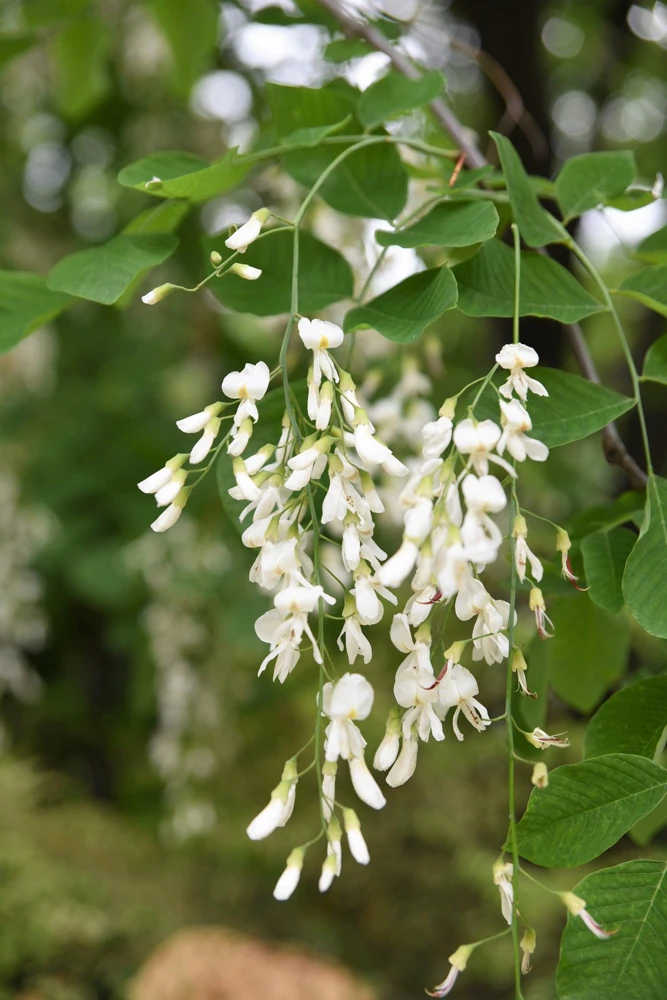
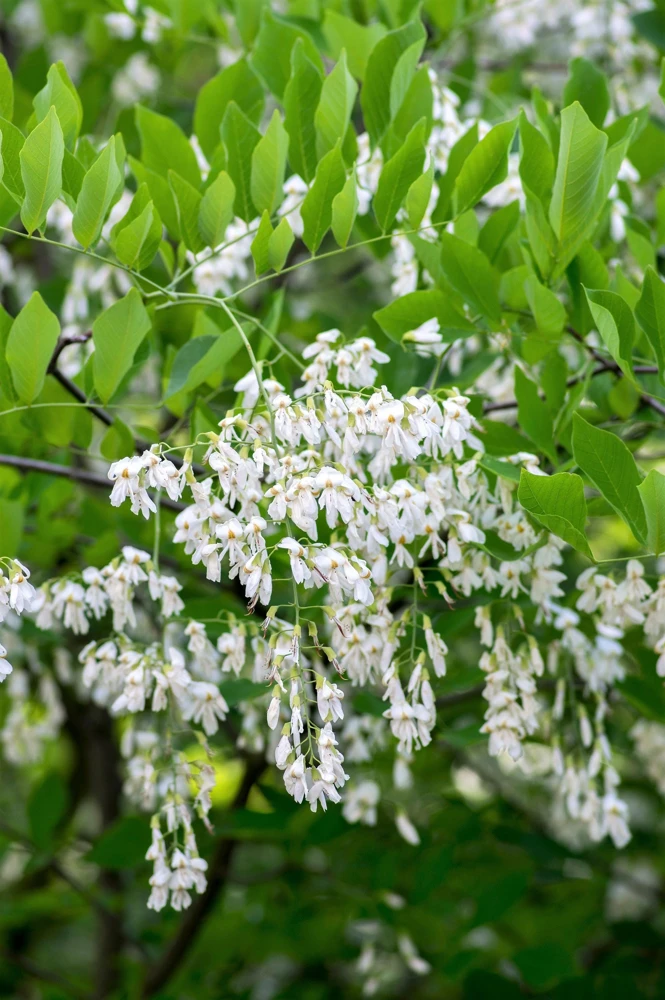
Discover the unique beauty of the Kentucky Yellowwood tree seeds, botanically known as Cladrastis Lutea or Cladrastis Kentukea. This rare and ornamental species, native to specific regions of the southeastern US, offers a captivating display throughout the seasons. Starting from these 10 seeds, you can cultivate a magnificent tree that will become a focal point in your garden. The Kentucky Yellowwood tree is celebrated for its stunning pendulous clusters of fragrant white flowers that bloom profusely in late spring, attracting an array of pollinators like birds, bees, and butterflies. Its smooth, beech-like bark and brilliant yellow fall foliage further enhance its aesthetic appeal, making it a truly exceptional choice for any landscape.
These seeds provide an opportunity to grow Kentucky Yellowwood, a relatively low-maintenance and disease-free tree, ideal for adding both visual interest and ecological value to your property. With proper care, these trees can reach impressive heights, providing shade and beauty for generations. Its adaptability to various soil conditions and sunlight makes it a resilient option for many gardeners seeking a distinctive and rewarding planting project.
Key Benefits
The Kentucky Yellowwood tree offers a multitude of benefits, from its aesthetic appeal to its ecological contributions, making it a valuable addition to diverse landscapes.
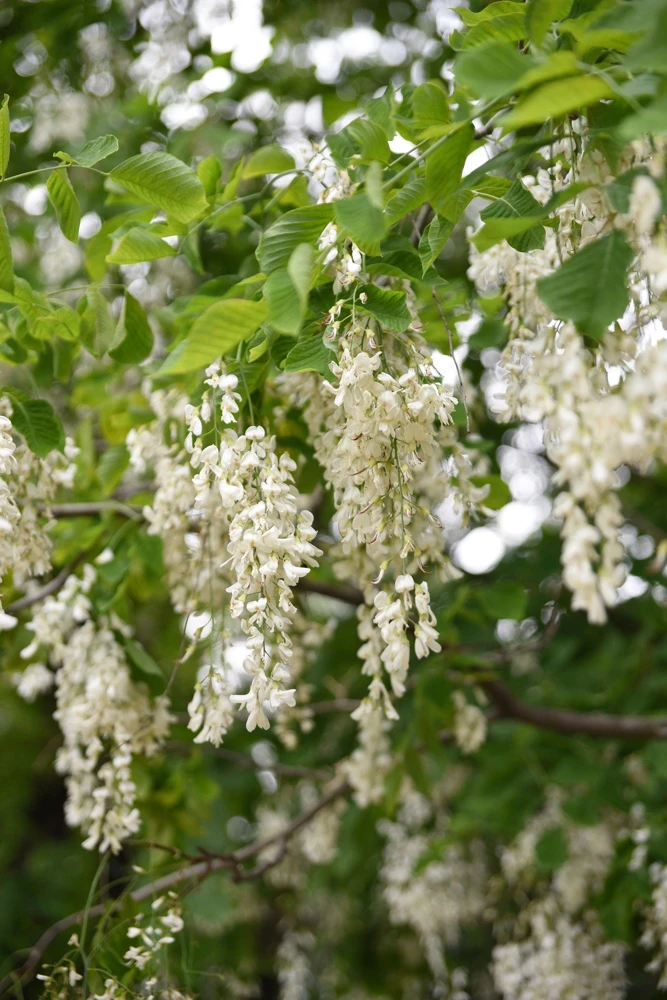
- Stunning Floral Display: In spring, the tree is adorned with long, drooping panicles of fragrant white flowers, typically 12-14 inches in length, creating a breathtaking visual spectacle. These beautiful blooms will help you grow Kentucky Yellowwood into a focal point.
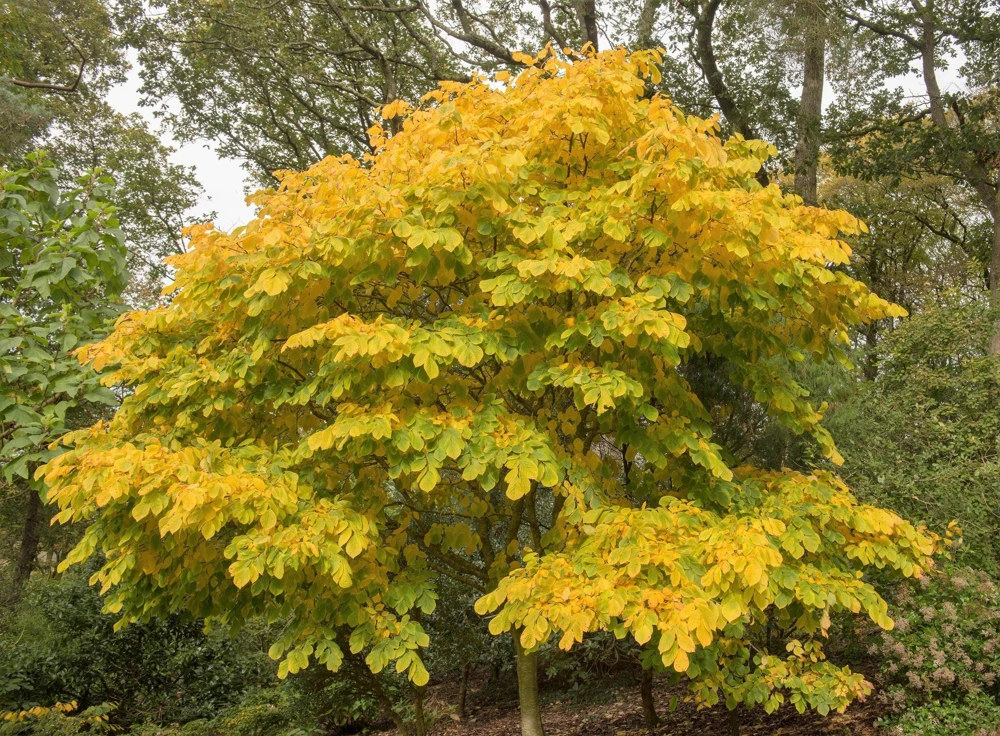
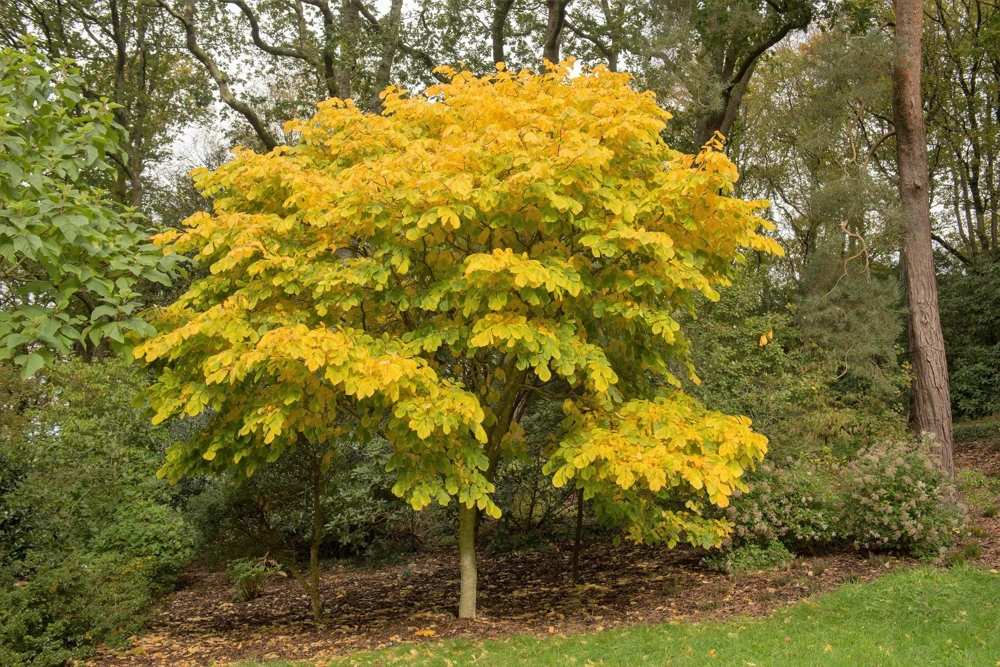
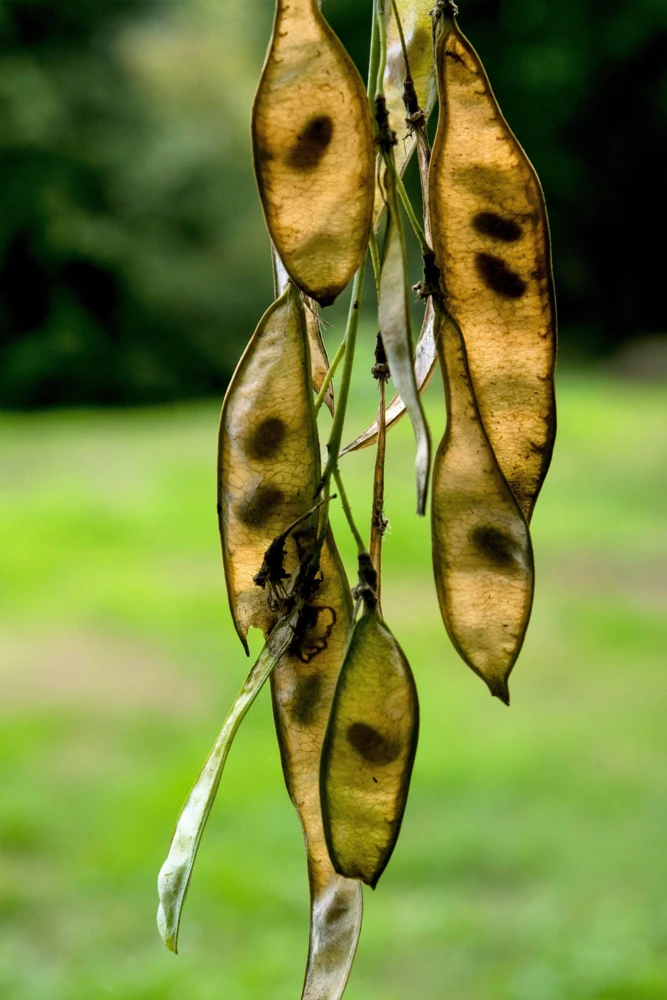
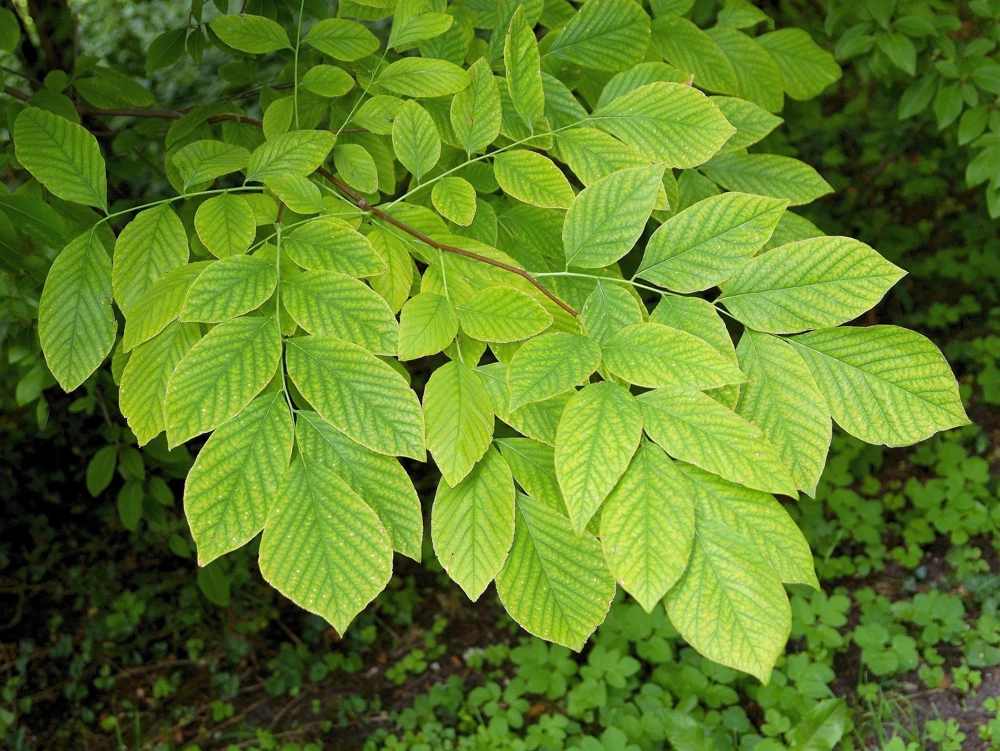
- Attractive Fall Foliage: As autumn approaches, the leaves transform into a brilliant, vibrant yellow, providing a striking contrast to the developing seed pods and adding significant seasonal interest to your garden.
- Pollinator Attraction: The fragrant flowers are a magnet for local wildlife, including birds, bees, and butterflies, contributing to the biodiversity and health of your garden ecosystem.
- Low Maintenance: This species is known for its relatively low maintenance requirements once established, making it suitable for gardeners seeking beautiful plants without extensive upkeep.
- Disease Resistance: The Kentucky Yellowwood tree is notably resistant to many common tree diseases, ensuring a healthier and more robust specimen in your landscape.
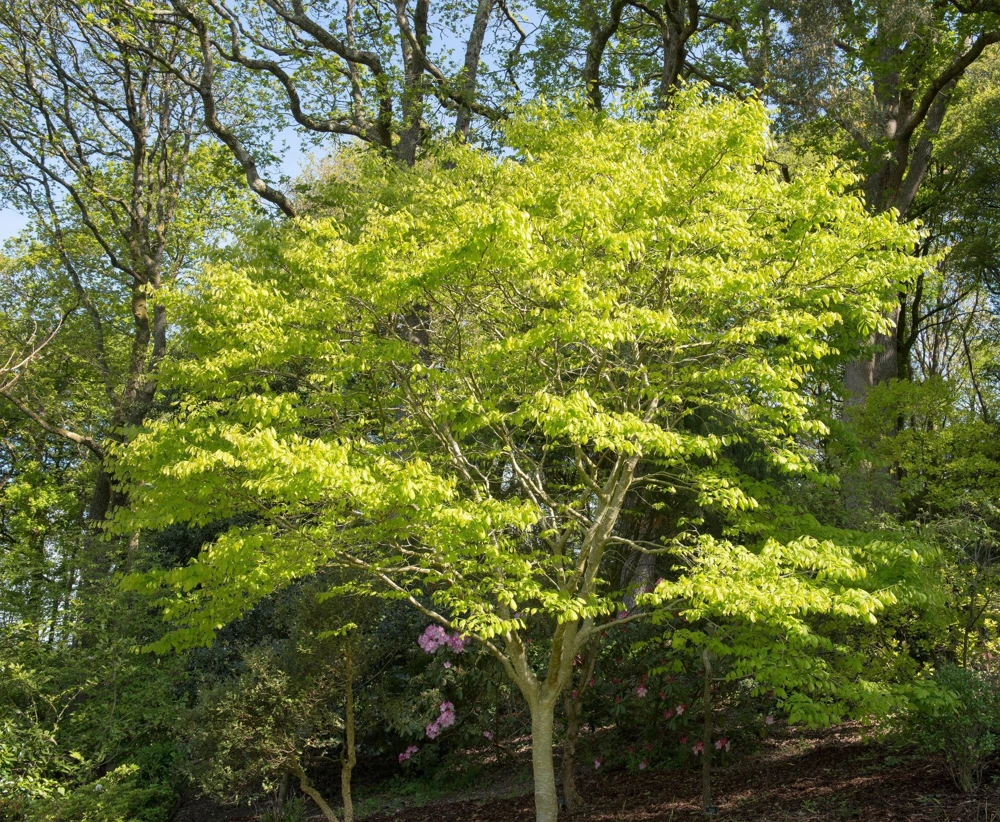
- Unique Ornamental Value: Its smooth bark, elegant form, and seasonal transformations make it a highly ornamental tree, perfect for specimen planting or as a shade tree.
- Cultivate Rare Species: By planting these Cladrastis Lutea seeds, you contribute to the cultivation of a species that is considered rare in its native habitat, preserving its genetic diversity.
Plant Care & Growing Tips
To successfully grow Kentucky Yellowwood from seeds, understanding its specific care requirements is crucial. These Kentucky Yellowwood tree seeds require fall sowing or cold stratification to promote germination. For fall sowing, plant the seeds directly outdoors in well-draining soil before the first hard frost. If stratifying, place the seeds in a moist medium (like sand or peat moss) in a sealed container and refrigerate for 2-3 months before planting in spring. Once germinated, ensure young seedlings receive consistent moisture but avoid waterlogging. The optimal soil type for this tree is average, well-draining soil, though it can tolerate a range of soil conditions.
The Kentucky Yellowwood tree thrives in full sun exposure, requiring at least 6 hours of direct sunlight daily for optimal growth and flowering. It is hardy in USDA Zones 4-8, meaning it can withstand winter temperatures down to -30°F (-34°C). Fertilization is generally not heavily required once established, but a balanced slow-release fertilizer can be applied in spring for young trees to encourage robust growth. Ensure adequate spacing, as mature trees can spread significantly. Protect young trees from deer browsing if it’s an issue in your area. Regular pruning is typically not needed beyond removing dead or damaged branches to maintain a healthy structure.
Size & Details
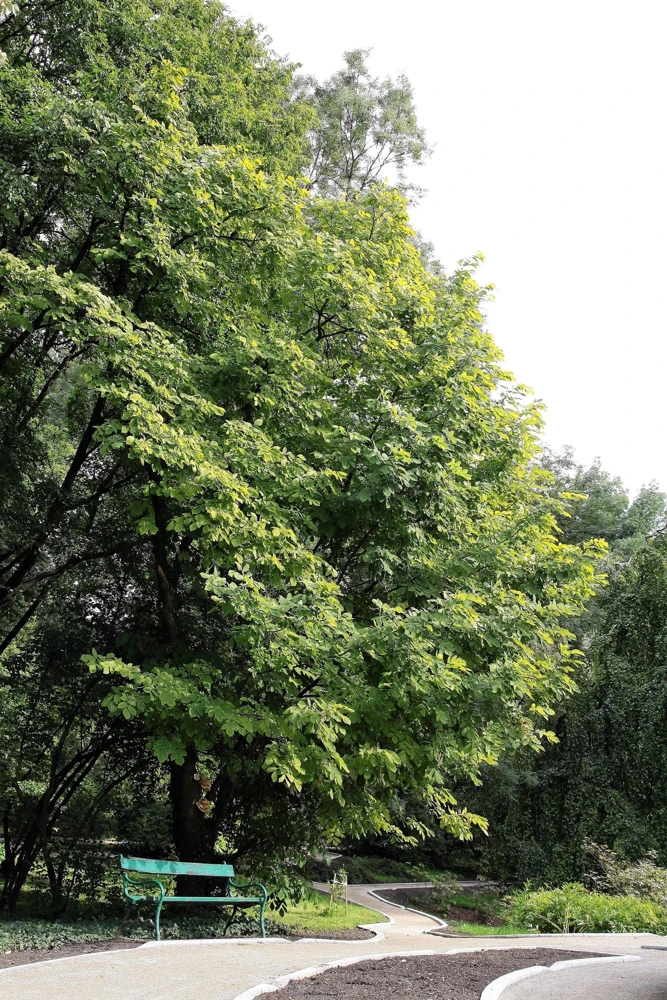
This offering includes 10 Yellow Ash tree seeds, providing an excellent opportunity to cultivate this distinctive ornamental tree. Mature Kentucky Yellowwood trees can reach impressive heights of 30 to 50 feet with a spread of 30 to 40 feet, making them ideal for larger landscapes where their full beauty can be appreciated. The seeds will grow into trees that, once established, exhibit a moderate growth rate. Bloom time for the white, fragrant flowers is typically in May, adding a delightful sensory experience to the spring garden. These seeds are ready for fall sowing or can be cold stratified for spring planting, ensuring successful germination for your gardening project. The tree’s smooth bark and elegant branching habit provide year-round interest, while its vibrant yellow fall foliage offers a spectacular seasonal display.
Frequently Asked Questions
- Q: How big does a Kentucky Yellowwood tree get? A: A mature Kentucky Yellowwood tree typically reaches a height of 30 to 50 feet and can spread 30 to 40 feet wide, making it a substantial and beautiful shade tree for larger landscapes.
- Q: Is this an indoor or outdoor plant? A: The Kentucky Yellowwood tree is an outdoor plant, best suited for gardens, parks, or large yards where it has ample space to grow and thrive.
- Q: How much sunlight does it need? A: This tree prefers full sun exposure, meaning it needs at least 6 hours of direct sunlight per day to achieve optimal growth and prolific flowering.
- Q: Is this tree easy to care for? A: Once established, the Kentucky Yellowwood tree is considered relatively low-maintenance and disease-free, making it a good choice for gardeners looking for an ornamental tree that doesn’t require constant attention.
- Q: When is the best time to plant these seeds? A: These Cladrastis Lutea seeds can be sown in the fall directly outdoors or cold stratified and planted in the spring after the last frost.
- Q: What condition will the seeds arrive in? A: You will receive 10 premium Kentucky Yellowwood tree seeds, packaged securely to ensure their viability for planting.
- Q: Will it survive winter in my zone? A: The Kentucky Yellowwood tree is hardy in USDA Zones 4-8, meaning it can tolerate cold winter temperatures down to -30°F (-34°C) in these regions.
- Q: What kind of soil does this tree prefer? A: It thrives in average, well-draining soil but is adaptable to a variety of soil types, as long as they are not waterlogged.
- Q: How long until it blooms? A: While germination can occur in the first year, it may take several years for a young Kentucky Yellowwood tree to mature enough to produce its first fragrant white flowers, typically blooming in May.
- Q: Are these seeds for a Yellow Ash tree? A: Yes, Yellow Ash tree seeds is another common name for the Cladrastis Lutea, also known as the Kentucky Yellowwood, so these are indeed the seeds for that species.
Be the first to review “Kentucky Yellowwood Tree Seeds – 10 White Flower Seeds, Cladrastis Lutea, Zone 4-8”
Related products


Tree Seeds
Canino Olive Tree Seeds – 10 Pack Olea Europaea Canino for Edible Olives, Full Sun, Zones 9-11


You May Like
5 Best Bulbs for Fall Planting: Brighten Your Garden This Spring
Are you dreaming of a garden full of vibrant colors in the spring? The key [...]
Aug

How to Repot Houseplants Like a Pro
Do your houseplants look like they’ve outgrown their pots? Are their roots popping out of [...]
Aug

10 Houseplants That Will Thrive in Your Kitchen
Are you tired of your kitchen feeling dull and lifeless? Want to add a little [...]
Aug
Reviews
There are no reviews yet.