
Lavender Seeds – Vera English – Fragrant Perennial Herb Seeds – Indoor/Outdoor
From 10.77 $
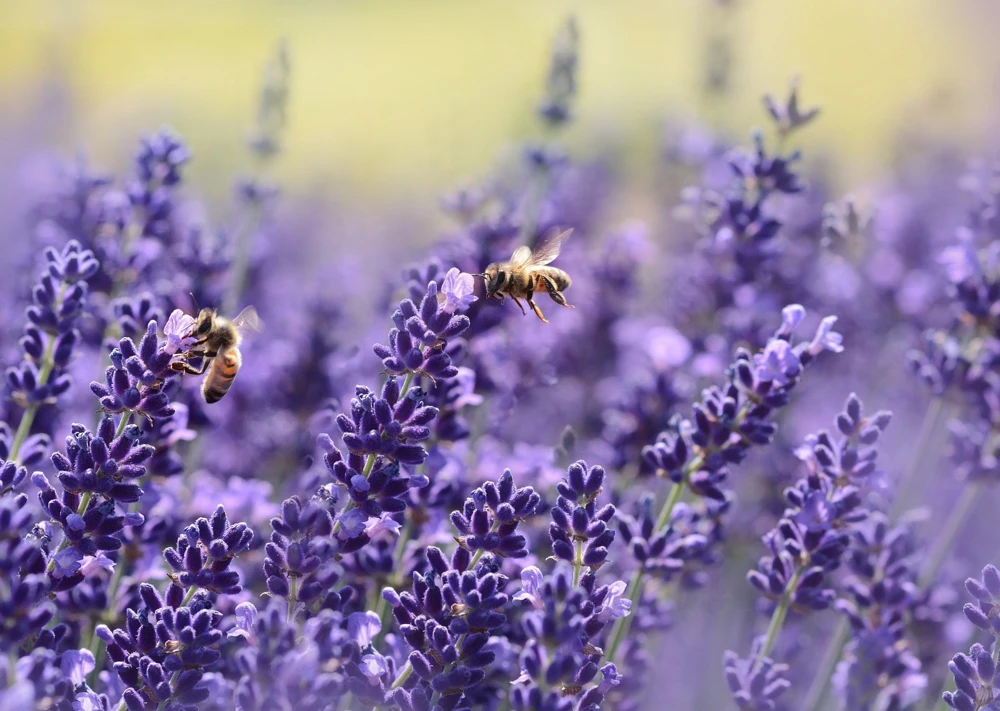
Cultivate the calming beauty of vera english lavender with these high-quality lavender seeds. Ideal for both indoor and outdoor gardening, these perennial herb seeds produce fragrant, calming plants perfect for attracting bees and adding soothing fragrance to your garden or home. Enjoy the benefits of growing your own fragrant flower seeds.
Estimated arrival
Sep 18
Sep 23 - Sep 25
Sep 25 - Sep 30
See our Shipping Policy.
Get in touch with us via email, and our team will review your concerns.
Our Alive & Thrive Guarantee covers issues with your plants within the first 30 days. Read our Refund & Returns Policy.
-
USDA Hardiness Zone
Zones 5-12 -
Soil Type
Loam, Peat (well-draining) -
Sunlight Exposure
Full Sun to Partial Shade -
Expected Planting Period
Spring (indoors 8-10 weeks before last frost)
Overview
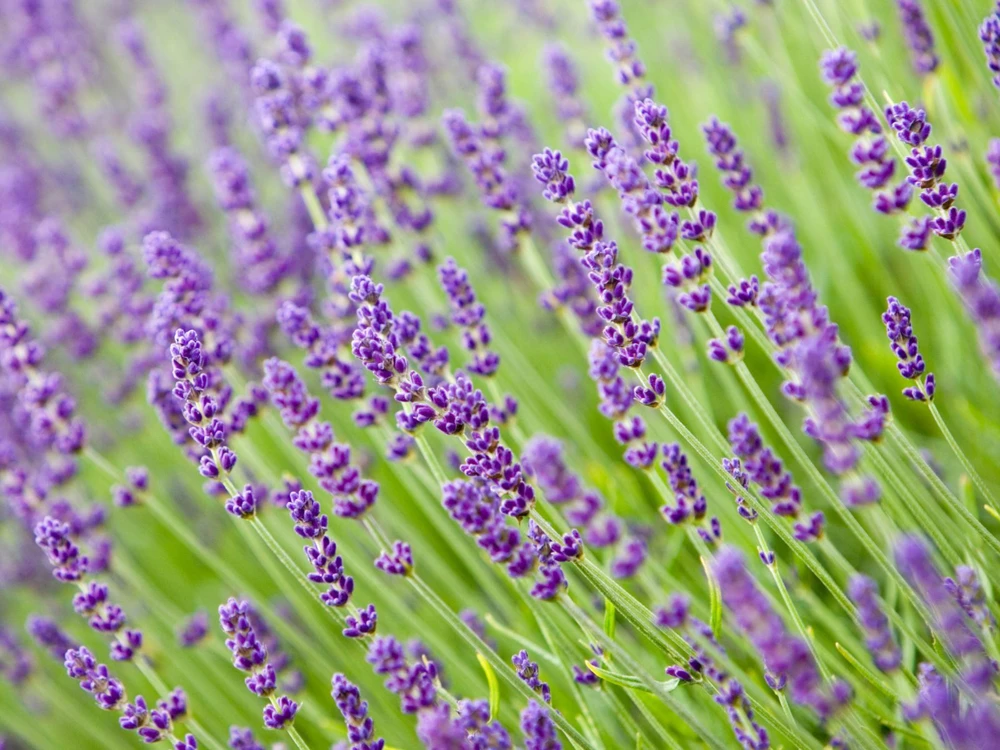
Discover the joy of growing your own fragrant garden with our premium lavender seeds. Specifically, these are vera english lavender seeds (Lavandula angustifolia), renowned for their exquisite aroma, beautiful purple blooms, and versatile uses. English Lavender is a beloved perennial herb, cherished for its calming properties and its ability to attract beneficial pollinators like bees to your garden. Whether you’re an experienced gardener or just starting, growing lavender from seed offers a rewarding experience, allowing you to cultivate a patch of serene beauty right at home. These seeds are perfect for creating aromatic sachets, culinary delights, or simply enjoying the soothing presence of fresh lavender.
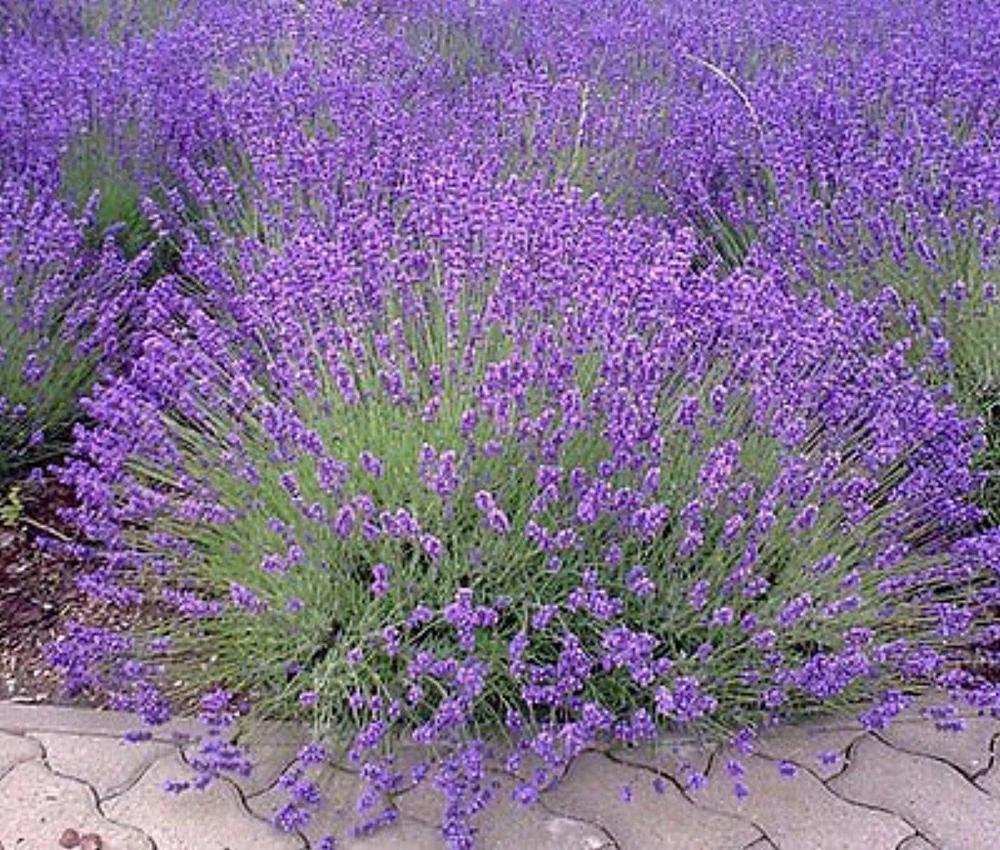
Our lavender seeds provide an opportunity to cultivate a robust and beautiful plant that thrives in various climates. With their clumping growth habit and delightful scent, these plants are a fantastic addition to herb gardens, borders, or containers. The Vera English variety is particularly known for its strong fragrance and vibrant color, making it a favorite among lavender enthusiasts. Embrace the therapeutic benefits and aesthetic appeal of homegrown lavender, a timeless classic that brings elegance and tranquility to any space.
Key Benefits
Growing vera english lavender from seed offers a multitude of benefits, enhancing both your garden and your well-being. These perennial herb seeds are an excellent choice for anyone looking to add a touch of natural beauty and utility to their surroundings. Here are some of the key advantages:
- Soothing Fragrance: Enjoy the distinct, calming aroma of fresh lavender, known for its stress-reducing and sleep-promoting qualities. Perfect for creating a relaxing atmosphere indoors or out.
- Pollinator Attraction: Lavender flowers are a magnet for bees, butterflies, and other beneficial pollinators, helping to support local ecosystems and improve garden health.
- Versatile Use: Beyond its beauty, lavender is highly versatile. Use its dried flowers in potpourri, essential oils, culinary dishes, or as a natural insect repellent.
- Drought Tolerance: Once established, vera english lavender plants are remarkably drought-tolerant, making them a low-maintenance option for busy gardeners.
- Extended Bloom Season: These plants offer beautiful blooms from spring through summer, providing continuous color and fragrance for an extended period.
- Hardy Perennial: As a perennial, your lavender plants will return year after year, establishing a lasting presence in your garden with minimal effort.
- Aesthetic Appeal: The silver-green foliage and vibrant purple flowers of lavender seeds add an elegant and classic touch to any garden design or indoor setting.
Plant Care & Growing Tips
Successfully growing lavender seeds into thriving plants requires attention to a few key conditions. English Lavender (Lavandula angustifolia) prefers a sunny location and well-draining soil. For optimal growth, provide at least 6-8 hours of direct sunlight daily. If growing indoors, place pots near a south-facing window or use supplemental grow lights. These plants are remarkably hardy and can tolerate a range of temperatures, thriving in USDA Hardiness Zones 5-12, making them suitable for many climates. They are adaptable to both cold and temperate conditions.
When it comes to watering, less is often more. Lavender prefers soil that dries out between waterings. Overwatering is a common mistake that can lead to root rot. Water thoroughly, then allow the top inch or two of soil to dry completely before watering again. For soil, a well-draining mix is crucial. A blend of loam and peat, with a slightly alkaline pH between 6.1 and 8.5, is ideal. Incorporating sand or grit can further improve drainage. Fertilization is generally not heavily required; a light feeding with a balanced, slow-release fertilizer in spring is usually sufficient. Pruning after the first flush of blooms can encourage a second bloom and maintain a compact, bushy shape. While relatively disease-resistant, ensure good air circulation to prevent fungal issues. Growing fragrant flower seeds like lavender can be a moderately difficult endeavor, but with the right care, you’ll be rewarded with beautiful, aromatic plants.
Size & Details
These lavender seeds will grow into mature plants with a clumping growth habit, typically reaching a height of 1-3 feet and a similar spread, depending on growing conditions and variety. The Vera English Lavender is known for its compact nature, making it suitable for various garden sizes or container planting. The seeds are intended to be started indoors several weeks before the last frost or directly sown outdoors after all danger of frost has passed. Plants are perennial, meaning they will return year after year, establishing a more robust presence over time. Expect the first blooms in the second year after planting from seed, though some may flower in their first year under ideal conditions. The plants offer season of interest throughout fall, spring, and summer, providing continuous beauty and fragrance. This type of perennial herb seeds is known for its moderate cultivating difficulty.
Frequently Asked Questions
- Q: How big does this lavender plant get? A: Vera english lavender typically grows to an average height of 1 to 3 feet and can spread similarly. Its clumping growth habit makes it a good choice for various garden spaces and containers.
- Q: Is this an indoor or outdoor plant? A: This lavender variety is versatile and can be grown both indoors and outdoors. Outdoors, it thrives in full sun, while indoors, it requires a sunny window or supplemental light to flourish.
- Q: How much sunlight does lavender need? A: Lavender requires abundant sunlight to thrive. For best results, provide at least 6-8 hours of direct sunlight daily. In hotter climates, some afternoon shade can be beneficial.
- Q: Is this plant easy to care for? A: Cultivating lavender seeds is considered to be of moderate difficulty. Once established, lavender is relatively low-maintenance, especially regarding water, but proper initial care for seedlings is important.
- Q: What condition will the seeds arrive in? A: The product consists of high-quality lavender seeds, packaged to ensure viability upon arrival. You will receive seeds ready for planting, not a live plant.
- Q: When is the best time to plant lavender seeds? A: The best time to start lavender seeds indoors is 8-10 weeks before the last expected frost. For direct outdoor sowing, wait until all danger of frost has passed and the soil has warmed.
- Q: Will it survive winter in my zone? A: Vera English Lavender is a perennial hardy in USDA Zones 5-12. In these zones, it will typically survive winter and return in spring, though some protection might be needed in the colder end of its range.
- Q: What type of soil does lavender prefer? A: Lavender thrives in well-draining soil with a slightly alkaline pH (6.1-8.5). A mix of loam and peat, with added grit or sand for drainage, is ideal for these fragrant flower seeds.
- Q: Can I use the lavender from these seeds in cooking? A: Yes, Vera English Lavender (Lavandula angustifolia) is a culinary-grade lavender. The flowers can be used in various dishes, teas, and baked goods, adding a unique floral flavor.
- Q: How long until these lavender seeds bloom? A: Typically, lavender grown from seed will begin to bloom in its second year. Some vigorous plants may produce a few flowers in their first year under optimal growing conditions.
| Seed Quantity | 14K Seeds Or 1/2 Oz, 1600 Seeds, 200 Seeds, 28K Seeds Or 1 Oz, 3500 Seeds Or 1/8 Oz, 400 Seeds, 56K Seeds Or 2 Oz, 7000 Seeds Or 1/4 Oz, 800 Seeds |
|---|
Be the first to review “Lavender Seeds – Vera English – Fragrant Perennial Herb Seeds – Indoor/Outdoor”
Related products

Herb Seeds
10 Mouse Garlic Allium Angulosum Wild Garlic Pink Flower Herb Seeds Pink Flowers Zones 4-8


Herb Seeds
Munstead Lavender Seeds – 200 English Lavandula Angustifolia Fragrant Purple Flower Herb Seeds
You May Like
5 Best Bulbs for Fall Planting: Brighten Your Garden This Spring
Are you dreaming of a garden full of vibrant colors in the spring? The key [...]
Aug
How to Repot Houseplants Like a Pro
Do your houseplants look like they’ve outgrown their pots? Are their roots popping out of [...]
Aug
10 Houseplants That Will Thrive in Your Kitchen
Are you tired of your kitchen feeling dull and lifeless? Want to add a little [...]
Aug
Reviews
There are no reviews yet.