
Lemon Balm Seeds – Melissa officinalis Herb Seeds – Easy to Grow Indoor/Outdoor
From 10.77 $
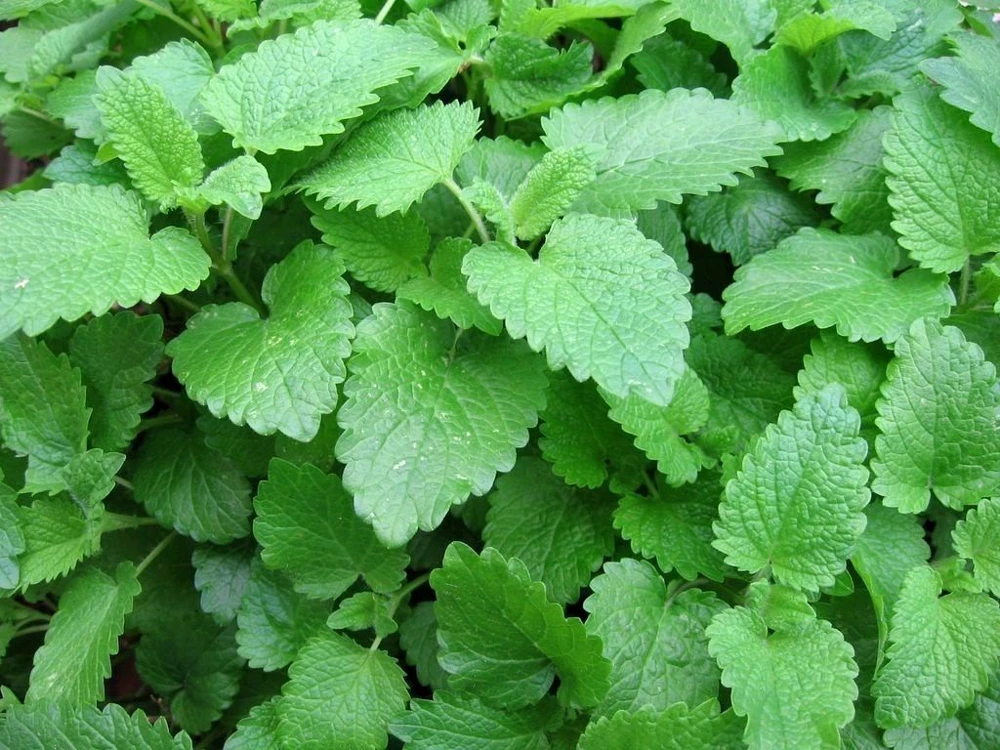
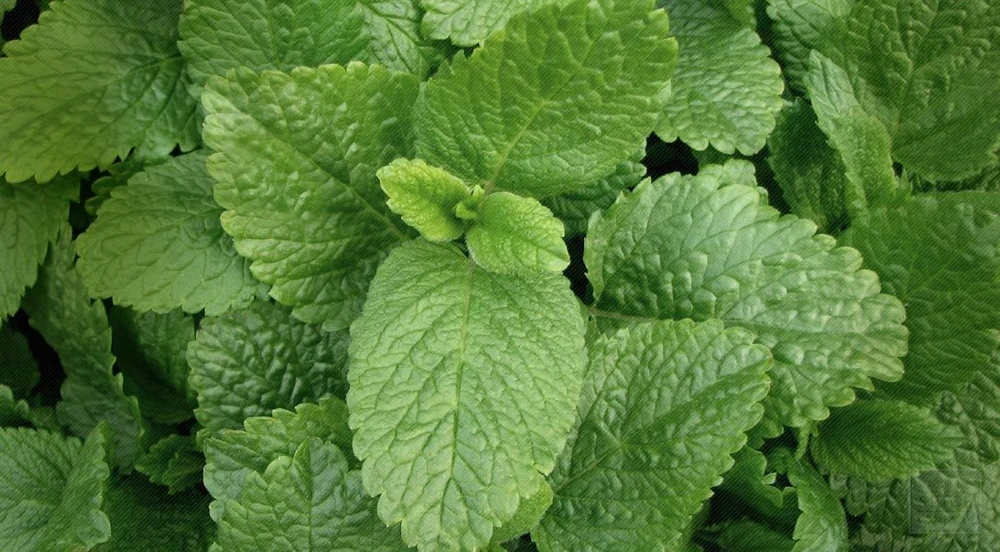
Cultivate your own fragrant lemon balm seeds (Melissa officinalis) with ease. These versatile herb seeds are perfect for both indoor and outdoor gardens, offering a delightful lemon scent and flavor. Attract beneficial pollinators and enjoy fresh leaves for teas, cooking, and aromatherapy. A truly easy herb seeds option for any gardener.
Estimated arrival
Sep 19
Sep 24 - Sep 26
Sep 26 - Oct 01
See our Shipping Policy.
Get in touch with us via email, and our team will review your concerns.
Our Alive & Thrive Guarantee covers issues with your plants within the first 30 days. Read our Refund & Returns Policy.
-
USDA Hardiness Zone
Zones 4-9 -
Soil Type
Clay, Loam, Sand (well-draining) -
Sunlight Exposure
Full Sun or Partial Shade -
Expected Planting Period
Spring to Summer
Overview
Discover the joy of growing your own aromatic herbs with our premium lemon balm seeds. Known scientifically as Melissa officinalis, this delightful herb is a member of the mint family and is cherished for its refreshing citrusy fragrance and flavor. Often called Sweet Balm, Bee Balm, or Honey Plant, lemon balm is a versatile addition to any garden, whether you’re a seasoned gardener or just starting out. These high-quality melissa officinalis seeds promise a rewarding growing experience, yielding lush, green foliage perfect for culinary uses, soothing teas, and attracting beneficial pollinators like bees to your outdoor space. Growing your own lemon balm from seed allows you to enjoy fresh, organic herbs right from your backyard or windowsill.
Our lemon balm seeds are sourced to ensure excellent germination rates and robust plant growth. This hardy herb thrives in a variety of climates, from sub-tropical to temperate zones, making it adaptable for many regions across the United States. Its clumping growth habit ensures a steady supply of leaves throughout the growing season. Whether you plan to cultivate it in pots on your patio or integrate it into your garden beds, lemon balm is an undemanding plant that offers abundant rewards. Experience the satisfaction of nurturing this beneficial herb from a tiny seed to a flourishing plant.
Key Benefits
Growing lemon balm seeds offers a multitude of advantages for both your garden and your well-being. This herb is not only beautiful but also highly functional:
- Aromatic and Flavorful: Enjoy the distinct lemon-mint aroma and flavor that lemon balm brings. It’s perfect for enhancing teas, infusing water, and adding a fresh zest to various culinary dishes, from salads to desserts.
- Attracts Pollinators: Lemon balm is a favorite among bees and other beneficial insects. Planting these herb seeds will help support local pollinator populations, which are crucial for the health of your entire garden ecosystem.
- Easy to Grow: Known for its resilience and adaptability, lemon balm is an excellent choice for beginner gardeners. It requires minimal fuss and thrives with basic care, making it one of the most easy herb seeds to cultivate.
- Versatile Use: Beyond its culinary applications, lemon balm has a long history of use in traditional remedies for its calming properties. Its leaves can be used fresh or dried for potpourri, essential oils, or soothing herbal baths.
- Year-Round Interest: As an annual herb, lemon balm offers continuous interest throughout the spring, summer, and fall seasons, providing fresh leaves for harvest and a vibrant green presence in your garden or home.
Plant Care & Growing Tips
Cultivating a thriving sweet balm plant from our lemon balm seeds is a straightforward process that yields abundant rewards. Lemon balm (Melissa officinalis) is a relatively low-maintenance herb, making it an ideal choice for gardeners of all experience levels. To ensure optimal growth, begin by sowing seeds indoors 6-8 weeks before the last frost date, or directly outdoors after all danger of frost has passed. Plant seeds about 1/4 inch deep in well-draining soil, spacing them 12-18 inches apart if direct sowing. Germination typically occurs within 7-14 days under ideal conditions.
For sunlight exposure, lemon balm prefers full sun or partial shade. In hotter climates, some afternoon shade can protect the leaves from scorching. It adapts well to a range of soil types, including clay, loam, and sand, but always performs best in rich, well-draining soil with a pH between 6.1 and 7.8. Keep the soil consistently moist but not waterlogged, especially during germination and early growth; once established, it is more tolerant of drier conditions. Watering should be medium, allowing the top inch of soil to dry out slightly between waterings. Fertilization is generally not heavily required; a balanced, organic fertilizer applied once or twice during the growing season is usually sufficient. Pruning regularly by harvesting leaves will encourage bushier growth and prevent the plant from becoming leggy. This also helps to delay flowering, which can reduce leaf flavor. Lemon balm is hardy in USDA Zones 4-9, making it suitable for a wide range of temperate and sub-tropical environments.
Size & Details
Our lemon balm seeds will grow into robust plants that typically reach a height of 18-24 inches with a similar spread, forming a dense, clumping habit. The plant produces vibrant green leaves with a slightly crinkled texture, emitting a strong lemony scent when brushed. These herb seeds are packaged to ensure freshness and viability, ready for planting. As an annual, the plant completes its life cycle within one growing season, providing ample opportunities for harvest throughout spring, summer, and fall. The cultivating difficulty for lemon balm is rated as easy, making it an accessible choice for anyone looking to grow lemon balm. The typical planting time for these seeds is around 10 weeks from sowing to a harvestable size, offering a relatively quick turnaround for fresh herbs. Each packet contains a generous quantity of seeds, allowing for multiple plantings or a large patch of this beneficial herb.
Frequently Asked Questions
- Q: How big does a lemon balm plant get? A: A mature sweet balm plant typically grows 18-24 inches tall and wide, forming an attractive, bushy clump. Regular harvesting can help maintain a more compact size.
- Q: Is this an indoor or outdoor plant? A: Lemon balm is highly versatile and can be grown both indoors and outdoors. Outdoors, it thrives in garden beds and containers. Indoors, place it near a sunny window to ensure adequate light.
- Q: How much sunlight does lemon balm need? A: Lemon balm prefers full sun to partial shade. In regions with intense summer heat, providing some afternoon shade can prevent the leaves from scorching and keep the plant healthier.
- Q: Is this plant easy to care for? A: Yes, lemon balm seeds are known for producing plants that are very easy to care for, making them perfect for beginner gardeners. They are quite forgiving and resilient.
- Q: What condition will the seeds arrive in? A: Your melissa officinalis seeds will arrive in a sealed packet, ensuring their freshness and viability for planting. We prioritize careful packaging to protect the seeds during transit.
- Q: Can I use lemon balm in cooking? A: Absolutely! Lemon balm leaves have a delightful lemon-mint flavor and are excellent for teas, salads, desserts, and as a garnish. They are a staple in many herbal and culinary traditions.
- Q: How long until lemon balm seeds germinate? A: Under optimal conditions (consistent moisture and warmth), lemon balm seeds typically germinate within 7-14 days after sowing. Patience is key, but the wait is usually short.
- Q: When is the best time to plant lemon balm seeds? A: The best time to plant lemon balm seeds is in early spring after the last frost date for outdoor planting. For an earlier start, you can sow seeds indoors 6-8 weeks before the last expected frost.
- Q: What USDA Hardiness Zones is lemon balm suitable for? A: Lemon balm is hardy and thrives in USDA Hardiness Zones 4-9, demonstrating its adaptability to a wide range of climates across the United States.
- Q: What type of soil does lemon balm prefer? A: Lemon balm prefers well-draining soil with a pH between 6.1 and 7.8. It can tolerate various soil types, including clay, loam, and sand, as long as drainage is adequate.
| Seed Amount | 10K Seeds Or 1/4 Oz, 1250 Seeds, 160K Seeds Or 1/4 Lb, 2500 Seeds, 40K Seeds Or 1 Oz, 5000 Seeds Or 1/8 Oz, 600 Seeds, 80K Seeds Or 2 Oz |
|---|
Be the first to review “Lemon Balm Seeds – Melissa officinalis Herb Seeds – Easy to Grow Indoor/Outdoor”
Related products


You May Like
5 Best Bulbs for Fall Planting: Brighten Your Garden This Spring
Are you dreaming of a garden full of vibrant colors in the spring? The key [...]
Aug
How to Repot Houseplants Like a Pro
Do your houseplants look like they’ve outgrown their pots? Are their roots popping out of [...]
Aug
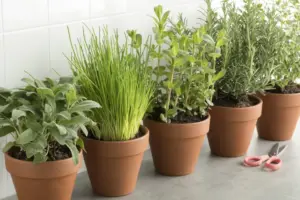
10 Houseplants That Will Thrive in Your Kitchen
Are you tired of your kitchen feeling dull and lifeless? Want to add a little [...]
Aug
Reviews
There are no reviews yet.