
Lemon Mint Seeds – Monarda citriodora Herb Seeds for Pollinators, Zones 3-12
From 10.77 $
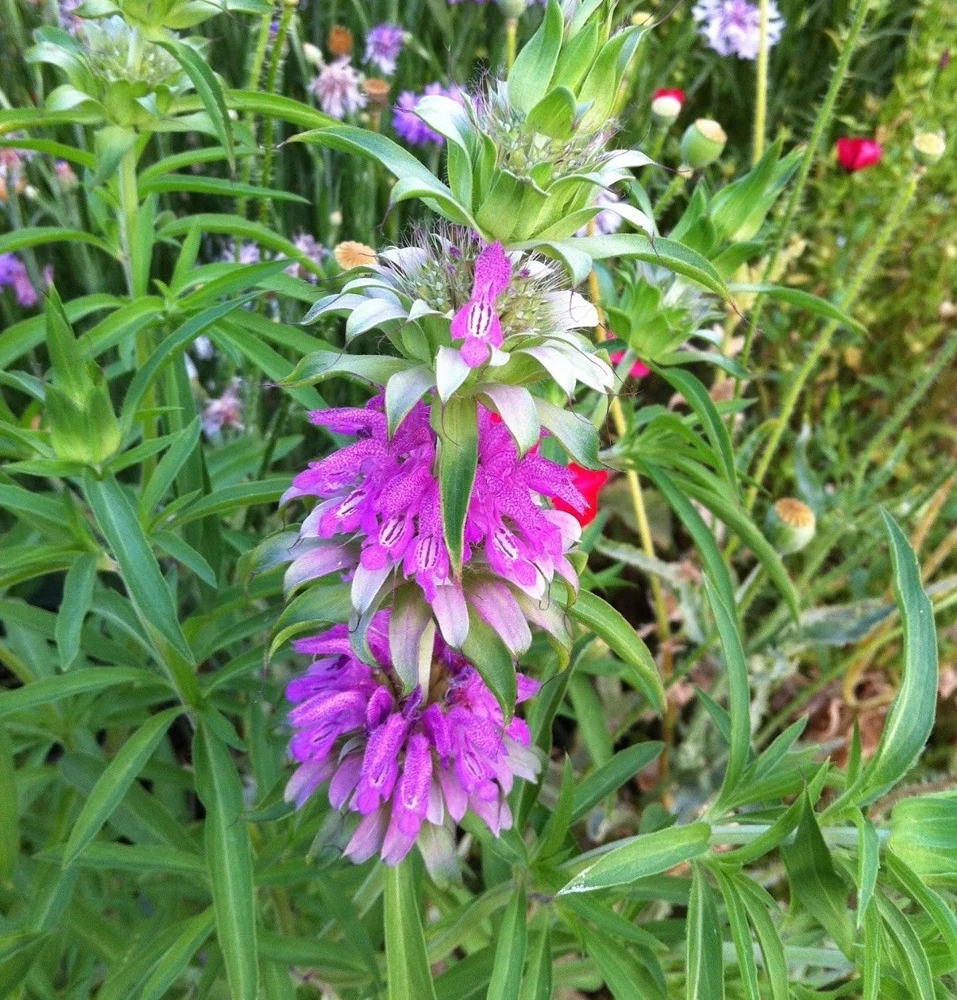
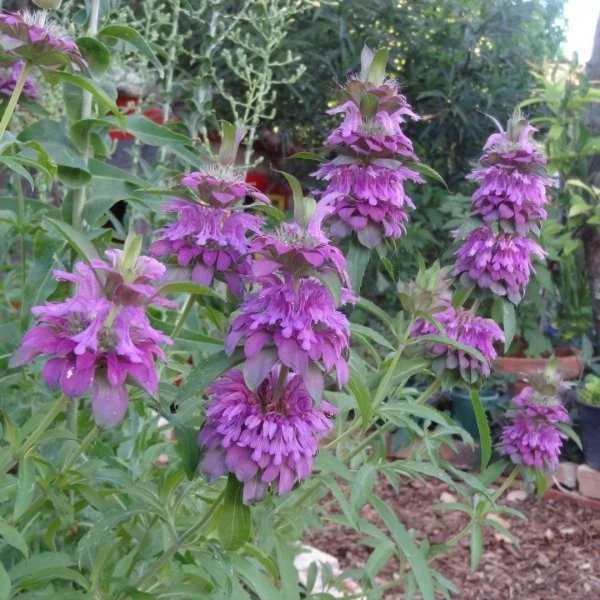
Cultivate fragrant lemon mint seeds, Monarda citriodora, for a vibrant and aromatic addition to your garden. These easy-to-grow herb seeds produce beautiful lavender-purple flowers, attracting beneficial pollinators. Ideal for USDA Zones 3-12, suitable for both indoor and outdoor planting.
Estimated arrival
Sep 19
Sep 24 - Sep 26
Sep 26 - Oct 01
See our Shipping Policy.
Get in touch with us via email, and our team will review your concerns.
Our Alive & Thrive Guarantee covers issues with your plants within the first 30 days. Read our Refund & Returns Policy.
-
USDA Hardiness Zone
Zones 3-12 -
Soil Type
Loam, Peat, Sand (well-draining) -
Sunlight Exposure
Full Sun, Partial Shade -
Expected Planting Period
Spring to Summer
Overview
Discover the joy of growing your own aromatic herbs with our premium lemon mint seeds. Also known as Monarda citriodora, Lemon Horsemint, or Lemon Bee Balm, this delightful annual herb is a must-have for any garden enthusiast. These seeds will blossom into charming plants featuring delicate lavender-purple flowers and lush green foliage, exuding a refreshing citrus aroma. Perfect for attracting a variety of pollinators like bees and butterflies, lemon mint seeds are an excellent choice for enhancing biodiversity in your outdoor spaces. Whether you’re a seasoned gardener or just starting, these easy-to-cultivate seeds offer a rewarding experience and a bountiful harvest of fragrant leaves.
Our monarda citriodora seeds are sourced for quality, ensuring a high germination rate and vigorous growth. This versatile plant thrives in a range of climates, from sub-tropical to temperate, and is suitable for USDA Hardiness Zones 3-12. Enjoy its beauty and fragrance throughout the fall, spring, and summer seasons. The upright, clumping growth habit of lemon mint makes it an attractive choice for borders, herb gardens, or container planting, providing a continuous display of color and scent.
Key Benefits
Planting lemon mint seeds offers a multitude of advantages for both your garden and your well-being. This remarkable herb is not only beautiful but also functional, providing numerous benefits that make it a valuable addition to any landscape.
- Attracts Pollinators: The vibrant lavender-purple flowers of lemon mint are a magnet for bees, butterflies, and other beneficial pollinators, helping to support local ecosystems and improve the health of your garden.
- Refreshing Citrus Aroma: Enjoy the delightful, strong citrus fragrance released by the foliage and flowers. This natural scent can invigorate your senses and deter unwanted pests, making your garden a more pleasant place.
- Versatile Culinary Use: While primarily grown for its aroma and beauty, the leaves of lemon mint can be used to flavor teas, salads, and other dishes, adding a unique zesty note.
- Low Maintenance & Easy to Grow: These lemon mint seeds are known for their ease of cultivation, making them an ideal choice for beginner gardeners or those seeking a low-effort, high-reward plant.
- Drought Tolerant: Once established, Monarda citriodora is quite drought-tolerant, requiring less frequent watering compared to many other garden plants, especially important for growing lemon mint in drier climates.
- Adaptable to Various Climates: Thriving across a wide range of USDA Hardiness Zones (3-12), this plant can be successfully grown in diverse environmental conditions.
- Aesthetic Appeal: The upright growth habit and beautiful lavender-purple blooms add a touch of natural elegance and color to any garden bed, container, or wildflower meadow.
Plant Care & Growing Tips
Successfully growing lemon mint from lemon mint seeds is a straightforward process, thanks to its resilient nature. This adaptable plant prefers a location with Full Sun to Partial Shade, meaning it needs at least 6 hours of direct sunlight per day for optimal flowering and growth. In hotter climates, some afternoon shade can prevent scorching. Plant your monarda citriodora seeds in well-draining soil, as waterlogged conditions can be detrimental. Ideal soil types include loam, peat, and sand, with a slightly acidic to neutral pH range of 6.6 – 7.8. Ensure good air circulation to prevent fungal issues.
While lemon mint is relatively drought-tolerant once established, it benefits from heavy watering during dry spells, especially when young. Allow the top inch or two of soil to dry out between waterings. Fertilization is generally not heavily required in good soil, but a balanced, slow-release fertilizer can be applied once in the spring to encourage vigorous growth. Deadheading spent flowers will promote continuous blooming and prevent self-seeding if not desired. This annual herb will complete its life cycle within one growing season, but it often readily self-seeds, providing new plants for the following year. Protecting young plants from extreme cold in the early spring can give them a better start.
For those interested in purple horsemint seeds, the cultivation requirements are very similar, as they belong to the same species. Keep an eye out for common garden pests, though lemon mint is generally robust. Proper spacing ensures good air flow, which is crucial for preventing powdery mildew, a common issue with Monarda species. With these simple care guidelines, your lemon mint plants will flourish, providing beauty and fragrance all season long.
Size & Details
These lemon mint seeds will grow into a mature plant that typically reaches a height of 1 to 2 feet (30-60 cm) and spreads about 1 foot wide, forming an attractive clumping, upright growth habit. The lavender-purple flowers are a highlight, blooming profusely throughout the spring, summer, and fall, depending on your climate and planting time. The seeds are annual, meaning they complete their life cycle in one growing season, but they are known for their ability to readily self-seed, providing new plants year after year. Cultivating difficulty is rated as easy, making them suitable for gardeners of all experience levels.
The estimated planting time for these lemon mint seeds to reach maturity and begin flowering is approximately 13 weeks. They are suitable for both indoor and outdoor cultivation, offering flexibility for various gardening styles. The plant is characterized by its green foliage and distinctive citrus aroma. Originating from the United States, Monarda citriodora is a robust and rewarding herb to grow, adding both visual appeal and a delightful fragrance to your garden. Consider growing lemon mint in containers or garden beds to fully appreciate its charm and benefits.
Frequently Asked Questions
- Q: How big does this plant get from lemon mint seeds? A: Lemon mint typically grows to a height of 1 to 2 feet (30-60 cm) with a spread of about 1 foot. Its upright, clumping habit makes it a neat addition to gardens.
- Q: Is this an indoor or outdoor plant? A: Lemon mint (Monarda citriodora) is versatile and can be grown both indoors and outdoors. It thrives outdoors in full sun to partial shade but can also be cultivated in containers indoors with adequate light.
- Q: How much sunlight does monarda citriodora seeds need? A: For best results, lemon mint requires full sun (at least 6 hours of direct sunlight daily). It can tolerate partial shade, especially in hotter climates, but may produce fewer flowers.
- Q: Is this plant easy to care for? A: Yes, lemon mint is considered an easy-to-cultivate plant, suitable for beginners. It’s relatively low-maintenance, drought-tolerant once established, and generally pest-resistant.
- Q: What condition will the purple horsemint seeds arrive in? A: The seeds will arrive in a sealed packet, ready for planting. They are carefully packaged to ensure freshness and viability for optimal germination.
- Q: How long until lemon bee balm blooms from seed? A: From planting the lemon mint seeds, you can expect the plant to begin flowering in approximately 13 weeks, providing beautiful blooms throughout the growing season.
- Q: Will growing lemon mint survive winter in my zone? A: Lemon mint is an annual plant, meaning it completes its life cycle in one season. However, it often readily self-seeds, allowing new plants to emerge the following spring in USDA Zones 3-12.
- Q: What’s the best soil type for lemon mint seeds? A: Lemon mint prefers well-draining soil types such as loam, peat, or sand. A soil pH between 6.6 and 7.8 is ideal for healthy growth.
- Q: Can I use lemon mint in cooking? A: Yes, the leaves of lemon mint have a pleasant citrus flavor and can be used to make teas, flavor salads, or as a garnish. It’s a delightful culinary herb.
- Q: Is lemon mint good for attracting wildlife? A: Absolutely! The flowers of lemon mint are highly attractive to pollinators, including bees, butterflies, and hummingbirds, making it an excellent choice for a pollinator garden.
| Seed Amount | 1000 Seeds Or 1/2 Gram, 144K Seeds Or 2 Oz, 18K Seeds Or 1/4 Oz, 2000 Seeds Or 1 Gram, 4000 Seeds Or 2 Gram, 72K Seeds Or 1 Oz, 9000 Seeds Or 1/8 Oz |
|---|
Be the first to review “Lemon Mint Seeds – Monarda citriodora Herb Seeds for Pollinators, Zones 3-12”
Related products


You May Like
5 Best Bulbs for Fall Planting: Brighten Your Garden This Spring
Are you dreaming of a garden full of vibrant colors in the spring? The key [...]
Aug
How to Repot Houseplants Like a Pro
Do your houseplants look like they’ve outgrown their pots? Are their roots popping out of [...]
Aug
10 Houseplants That Will Thrive in Your Kitchen
Are you tired of your kitchen feeling dull and lifeless? Want to add a little [...]
Aug
Reviews
There are no reviews yet.