


Leopard Lily Flower Seeds – Lilium Pardalinum – Yellow Orange Red Spotted – 10 Seeds
Original price was: 32.99 $.12.99 $Current price is: 12.99 $.
Discover the beauty of leopard lily flower seeds. These lilium pardalinum seeds produce striking yellow, orange, and red spotted blooms, adding exotic flair to your garden. Ideal for zones 5-9, they grow 4-6 feet tall.
Estimated arrival
Sep 19
Sep 24 - Sep 26
Sep 26 - Oct 01
See our Shipping Policy.
Get in touch with us via email, and our team will review your concerns.
Our Alive & Thrive Guarantee covers issues with your plants within the first 30 days. Read our Refund & Returns Policy.
-
USDA Hardiness Zone
5 - 9 -
Soil Type
Average - Moist, well-draining -
Sunlight Exposure
Full Sun - Part Shade -
Expected Planting Period
Summer or warm & cold stratify
Overview
Introduce a touch of wild elegance to your garden with our premium leopard lily flower seeds. Scientifically known as Lilium Pardalinum, these captivating seeds promise to transform your outdoor space into a vibrant spectacle. Often referred to as California Tiger Lily, Panther Lily, or Shasta Lily, the lilium pardalinum seeds are celebrated for their distinctive, brightly colored flowers. Each bloom showcases a mesmerizing blend of yellow, orange, and red hues, intricately adorned with dark spots that give them their characteristic ‘leopard’ appearance. Native to North America, these lilies are not only beautiful but also hardy, thriving across USDA Zones 5-9. Growing 4 to 6 feet tall, they create an impressive vertical element in any garden design, attracting pollinators and admiring glances alike. Planting these leopard lily flower seeds offers the rewarding experience of nurturing a truly magnificent native flower from its very beginning.
Key Benefits
Cultivating leopard lily flower seeds brings a multitude of benefits to your garden and landscape. Their striking appearance and natural hardiness make them an excellent choice for both novice and experienced gardeners.
- Stunning Visual Appeal: The vibrant yellow, orange, and red flowers with their unique spotted patterns are incredibly eye-catching, providing a dramatic focal point in any garden. These tiger lily seeds ensure a spectacular mid-summer display.
- Attracts Pollinators: The bright colors and open structure of the blooms make them highly attractive to bees, butterflies, and other beneficial pollinators, contributing to a healthy garden ecosystem.
- Hardy and Resilient: Thriving in USDA Zones 5-9, these lilies are robust and adaptable, capable of withstanding a range of environmental conditions once established. Growing lilium pardalinum seeds is a reliable choice for many climates.
- Low Maintenance: Once established, leopard lily flower seeds require minimal care, making them perfect for gardeners seeking high impact with less effort.
- Excellent for Cut Flowers: The tall, elegant stems and beautiful blooms make them superb for cutting and bringing indoors, adding a natural, sophisticated touch to floral arrangements.
- Native Plant Benefits: As a native species, these lilies are well-suited to local environments, often requiring less water and fewer interventions than non-native plants. This supports local biodiversity and creates a truly authentic california tiger lily experience.
Plant Care & Growing Tips
To ensure your leopard lily flower seeds flourish into magnificent blooms, understanding their specific care requirements is essential. These resilient plants, including the california tiger lily, prefer a location that offers a balance of sun and partial shade. Aim for at least 4-6 hours of direct sunlight daily, especially in the morning, with some afternoon shade in hotter climates to protect their delicate petals. When it comes to soil, Leopard Lilies are not overly fussy but thrive in average to moist, well-draining soil. A rich, loamy soil with plenty of organic matter is ideal. Avoid heavy clay soils that retain too much water, as this can lead to rot. Consistent moisture is key, especially during their active growing and blooming periods. Water regularly, ensuring the soil remains evenly moist but never waterlogged. Reduce watering once the plant goes dormant after flowering.
For optimal growth, especially for your young plants from lilium pardalinum seeds, consider a balanced slow-release fertilizer in early spring as new growth emerges. Avoid over-fertilizing, which can promote lush foliage at the expense of flowers. These lilies are hardy in USDA Zones 5-9, meaning they can tolerate winter temperatures down to -20°F. In colder zones, mulching around the base of the plant can provide extra protection. Pests are generally not a major issue, but watch out for aphids or lily beetles, and treat with organic pest control methods if necessary. Deadhead spent flowers to encourage the plant to put energy into bulb development rather than seed production, though allowing some seeds to mature can help naturalize your patch of spotted lily seeds over time. Stratification is important for germination, so plant in summer or warm and cold stratify for best results.
Size & Details
Our offering includes 10 high-quality leopard lily flower seeds, providing a great start to cultivate these stunning plants. Once established, these vigorous lilies typically reach a mature height of 4 to 6 feet, making them an excellent choice for backgrounds in garden beds or as striking vertical accents. Plant spacing should be approximately 12 to 15 inches apart to allow for adequate air circulation and growth. The bloom time for these magnificent flowers is typically mid-summer, bringing a burst of vibrant yellow, orange, and red color to your garden when many other plants are beginning to fade. These tiger lily seeds are supplied as fresh, viable seeds, ready for stratification and planting. With proper care, you can expect these plants to establish themselves well and return year after year, enriching your garden with their unique beauty and charm.
Frequently Asked Questions
- Q: How tall do Leopard Lilies grow? A: Leopard Lily flower seeds will grow into plants that typically reach a height of 4 to 6 feet (1.2 to 1.8 meters) tall, making them a stately addition to any garden. Their impressive height adds a beautiful vertical element to your landscape design.
- Q: What are the light requirements for these lilies? A: These lilies prefer a location that receives full sun to partial shade. They thrive with at least 4-6 hours of direct sunlight daily, ideally with some afternoon shade in regions with intense summer heat to protect their vibrant blooms.
- Q: Are these lilium pardalinum seeds easy to grow for beginners? A: Yes, once their stratification needs are met, leopard lily flower seeds are considered relatively easy to grow. They are quite hardy and low-maintenance, making them suitable for gardeners of all experience levels who can provide their basic light and soil needs.
- Q: When is the best time to plant Leopard Lily seeds? A: It’s best to plant leopard lily flower seeds in the summer, or you can warm and cold stratify them before planting at other times. This mimics their natural germination cycle, leading to better success rates for your spotted lily seeds.
- Q: What kind of soil do they prefer? A: They thrive in average to moist, well-draining soil. A rich, loamy soil with good organic content is ideal. Avoid waterlogged conditions, as this can harm the bulbs.
- Q: What USDA Hardiness Zones are suitable for Leopard Lilies? A: Leopard Lilies are hardy in USDA Zones 5-9. This means they can tolerate winter temperatures ranging from -20°F to 20°F, returning year after year in these climates.
- Q: Will the california tiger lily attract wildlife? A: Yes, the bright, colorful blooms of the california tiger lily are known to attract various pollinators, including bees and butterflies, contributing to a lively and healthy garden ecosystem.
Be the first to review “Leopard Lily Flower Seeds – Lilium Pardalinum – Yellow Orange Red Spotted – 10 Seeds”
Related products


Flower Seeds
Blue Stock Matthiola Incana Seeds – 50 Fragrant Gillyflower Seeds – Ten-Week Blue Stock


You May Like
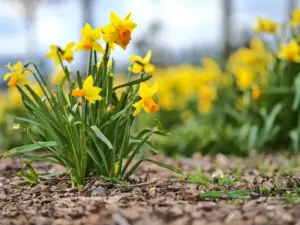
5 Best Bulbs for Fall Planting: Brighten Your Garden This Spring
Are you dreaming of a garden full of vibrant colors in the spring? The key [...]
Aug
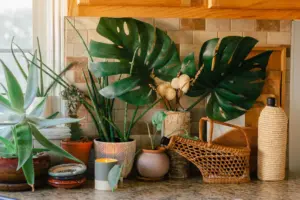
How to Repot Houseplants Like a Pro
Do your houseplants look like they’ve outgrown their pots? Are their roots popping out of [...]
Aug
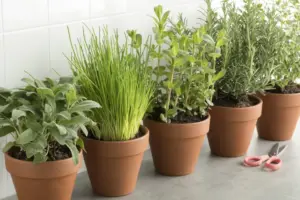
10 Houseplants That Will Thrive in Your Kitchen
Are you tired of your kitchen feeling dull and lifeless? Want to add a little [...]
Aug
Reviews
There are no reviews yet.