


Lewis Flax Seeds – Linum lewisii Wildflower Seeds – 100 Seeds – Pale Blue Blooms
Original price was: 32.99 $.12.99 $Current price is: 12.99 $.
Cultivate stunning pale blue blooms with these Lewis Flax seeds (Linum lewisii). Each packet contains 100 seeds, perfect for creating a vibrant wildflower meadow seeds or adding charm to borders. These delicate wildflowers are also highly pollinator friendly seeds, attracting bees and butterflies to your garden.
Estimated arrival
Sep 19
Sep 24 - Sep 26
Sep 26 - Oct 01
See our Shipping Policy.
Get in touch with us via email, and our team will review your concerns.
Our Alive & Thrive Guarantee covers issues with your plants within the first 30 days. Read our Refund & Returns Policy.
-
USDA Hardiness Zone
USDA zones 3-9 -
Soil Type
Well-draining soil -
Sunlight Exposure
Full sun -
Expected Planting Period
Early spring or fall
Overview
Transform your garden into a haven for wildlife and beauty with our premium Lewis Flax seeds. Also known as Linum lewisii, this delicate perennial wildflower is celebrated for its ethereal, soft pale blue blooms that dance atop slender stems. Perfect for those looking to establish a naturalized garden, enhance borders, or create a thriving wildflower meadow seeds, these seeds offer an opportunity to cultivate a landscape rich in subtle elegance and charm. Lewis Flax is not just a treat for the eyes; it’s a vital component of a healthy ecosystem, actively attracting a variety of pollinators such as bees and butterflies, thereby supporting biodiversity right in your backyard. Our seed packets provide a generous quantity, ensuring you have enough to sow a significant area or enjoy multiple plantings.
Each seed promises the potential for a resilient plant that, once established, requires minimal care. The distinctive pale blue wildflower seeds will grow into plants that can form large, picturesque patches, mimicking the beauty of natural prairies. This unbranded offering focuses purely on the quality and viability of the seeds, providing a straightforward path to growing this enchanting wildflower without the distractions of specific brand names. Whether you are an experienced gardener or a beginner, these seeds are an excellent choice for adding natural splendor and ecological value to your outdoor space.
Key Benefits
Growing Lewis Flax seeds offers numerous advantages for both your garden and the local environment. These benefits extend beyond just aesthetic appeal, contributing to a more vibrant and sustainable outdoor space.
- Beautiful Pale Blue Blooms: Enjoy the serene beauty of delicate, soft pale blue wildflower seeds that create a calming and natural aesthetic in any garden setting. These subtle yet captivating flowers provide continuous visual interest throughout their blooming season.
- Pollinator Haven: Lewis Flax is an excellent choice for supporting local ecosystems. Its blooms are highly attractive to bees, butterflies, and other beneficial insects, making it a truly pollinator friendly seeds option that helps foster a healthy garden environment.
- Low Maintenance & Drought Tolerant: Once established, Lewis Flax (Linum lewisii) is remarkably self-sufficient. It thrives with minimal intervention, making it an ideal plant for busy gardeners or those looking for sustainable, water-wise landscaping solutions.
- Ideal for Naturalized Settings: Perfect for creating stunning wildflower meadow seeds, borders, and naturalized areas. It grows vigorously, forming expansive patches of color that evoke the beauty of natural prairies and open fields.
- Versatile Garden Use: Whether you’re aiming for a formal border, a sprawling meadow, or simply want to add a touch of wild beauty to your existing garden, these Lewis Flax seeds adapt well to various landscape designs.
- Easy to Sow: The seeds are straightforward to sow directly into the soil, simplifying the planting process and making it accessible for gardeners of all experience levels.
Plant Care & Growing Tips
Successfully growing Lewis Flax seeds into thriving plants requires understanding their specific needs, though they are generally quite forgiving. Begin by selecting a site that receives full sun, meaning at least six hours of direct sunlight per day. This plant truly flourishes when exposed to ample light. The soil is crucial; it must be well-draining. Lewis Flax does not tolerate soggy conditions, so amend heavy clay soils with organic matter like compost or sand to improve drainage. The ideal pH range is slightly acidic to neutral. For optimal germination, sow your Linum lewisii seeds directly into the prepared soil in early spring after the last frost, or in the fall for blooms the following year. Lightly press the seeds onto the soil surface; avoid covering them deeply, as light is often necessary for germination.
During the germination period, which typically takes 14-28 days, keep the soil consistently moist but not waterlogged. A fine mist or gentle watering can help prevent disturbing the tiny seeds. Once seedlings emerge and are established, thin them to a spacing of about 6-12 inches apart to ensure healthy air circulation and growth. Established Lewis Flax plants are remarkably drought-tolerant, requiring infrequent watering. Water moderately during prolonged dry spells, allowing the soil to dry out between waterings. Overwatering is the most common cause of issues with this plant. Fertilization is rarely needed in average garden soil, as excessive nutrients can sometimes lead to leggy growth at the expense of blooms. Deadheading spent flowers can encourage a longer blooming period, though the plant will also readily self-seed, contributing to the natural spread of your pale blue wildflower seeds.
Lewis Flax is hardy in USDA zones typically ranging from 3 to 9, demonstrating its adaptability to various climates. It is generally pest and disease resistant, making it a low-fuss addition to your garden. Ensure good air circulation to prevent fungal issues in humid environments. These growing tips will help ensure your wildflower meadow seeds develop into strong, beautiful plants that provide years of enjoyment and ecological benefit.
Size & Details
This product includes 100 Lewis Flax seeds (Linum lewisii), providing a generous quantity for planting. Each seed has the potential to grow into a mature plant that typically reaches a height of 1 to 2 feet (30-60 cm) with a similar spread, forming an airy, delicate clump. The slender stems support numerous pale blue blooms, creating a soft, cloud-like effect when mass planted. The plants exhibit a moderate growth rate, establishing themselves well within their first season and blooming from late spring through summer, often continuing into early fall with proper care. These seeds are shipped in a protective packet, ready for immediate sowing. When mature, Lewis Flax is ideal for naturalistic plantings and will readily self-seed, allowing for the natural expansion of your pollinator friendly seeds garden over time.
Frequently Asked Questions
- Q: How many Lewis Flax seeds are included in this packet? A: This packet contains 100 Lewis Flax seeds, providing ample opportunity to establish a beautiful patch of wildflowers in your garden or meadow.
- Q: What color are the flowers of Lewis Flax? A: The flowers of Lewis Flax are a delicate, soft pale blue, creating a serene and natural aesthetic in your garden. They are truly beautiful pale blue wildflower seeds.
- Q: Is Lewis Flax suitable for attracting pollinators? A: Yes, Lewis Flax is an excellent choice for attracting pollinators. Its blooms are highly attractive to bees, butterflies, and other beneficial insects, making it a great option for pollinator friendly seeds.
- Q: When is the best time to plant Lewis Flax seeds? A: The best time to plant Lewis Flax seeds is in early spring after the last frost, or in the fall. Fall planting allows for natural stratification and spring germination.
- Q: What kind of soil does Lewis Flax prefer? A: Lewis Flax thrives in well-draining soil. It is adaptable to various soil types but will not tolerate consistently wet or soggy conditions.
- Q: How much sunlight does Lewis Flax need? A: Lewis Flax requires full sun, meaning at least 6 hours of direct sunlight per day, to produce the best blooms and maintain healthy growth.
- Q: Is Lewis Flax drought tolerant? A: Yes, once established, Lewis Flax (Linum lewisii) is highly drought-tolerant, making it a low-water-use plant suitable for xeriscaping and dry garden areas.
- Q: How tall does Lewis Flax grow? A: Mature Lewis Flax plants typically grow to a height of 1 to 2 feet (30-60 cm), forming an airy and delicate silhouette in the garden.
- Q: Can I use these seeds to create a wildflower meadow? A: Absolutely! These wildflower meadow seeds are ideal for creating naturalized areas, wildflower meadows, and borders, where they will flourish and spread.
- Q: Is Lewis Flax a perennial or an annual? A: Lewis Flax (Linum lewisii) is a perennial wildflower, meaning it will return year after year from its rootstock, and also readily self-seeds for continuous beauty.
Be the first to review “Lewis Flax Seeds – Linum lewisii Wildflower Seeds – 100 Seeds – Pale Blue Blooms”
Related products


You May Like
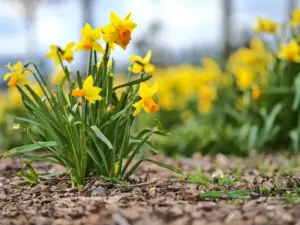
5 Best Bulbs for Fall Planting: Brighten Your Garden This Spring
Are you dreaming of a garden full of vibrant colors in the spring? The key [...]
Aug
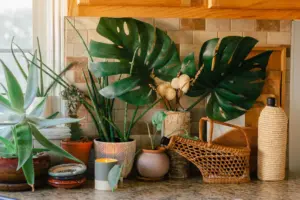
How to Repot Houseplants Like a Pro
Do your houseplants look like they’ve outgrown their pots? Are their roots popping out of [...]
Aug
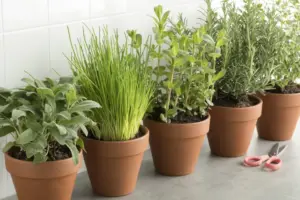
10 Houseplants That Will Thrive in Your Kitchen
Are you tired of your kitchen feeling dull and lifeless? Want to add a little [...]
Aug
Reviews
There are no reviews yet.