
Limelight Hydrangea Tree Live Plant – 5-10 Inch Tall, 2.5 Inch Pot – Outdoor
Original price was: 34.99 $.14.99 $Current price is: 14.99 $.
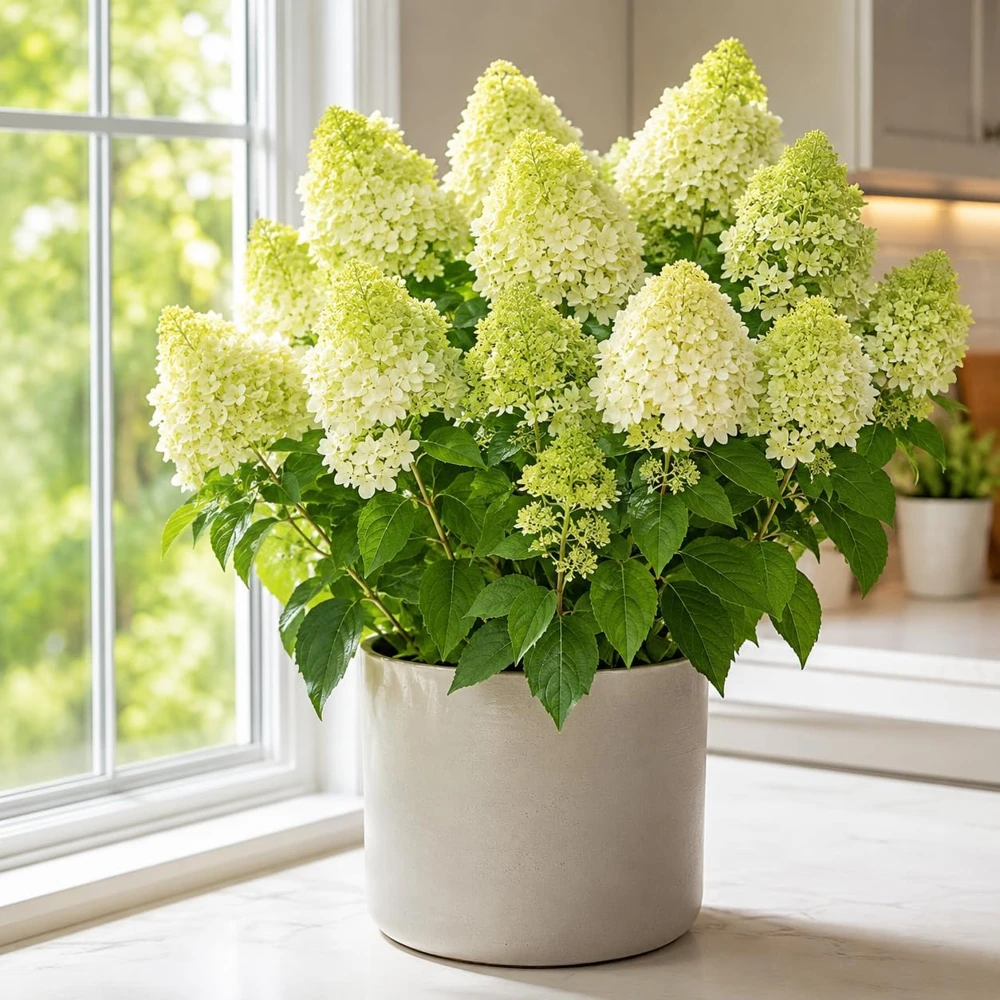
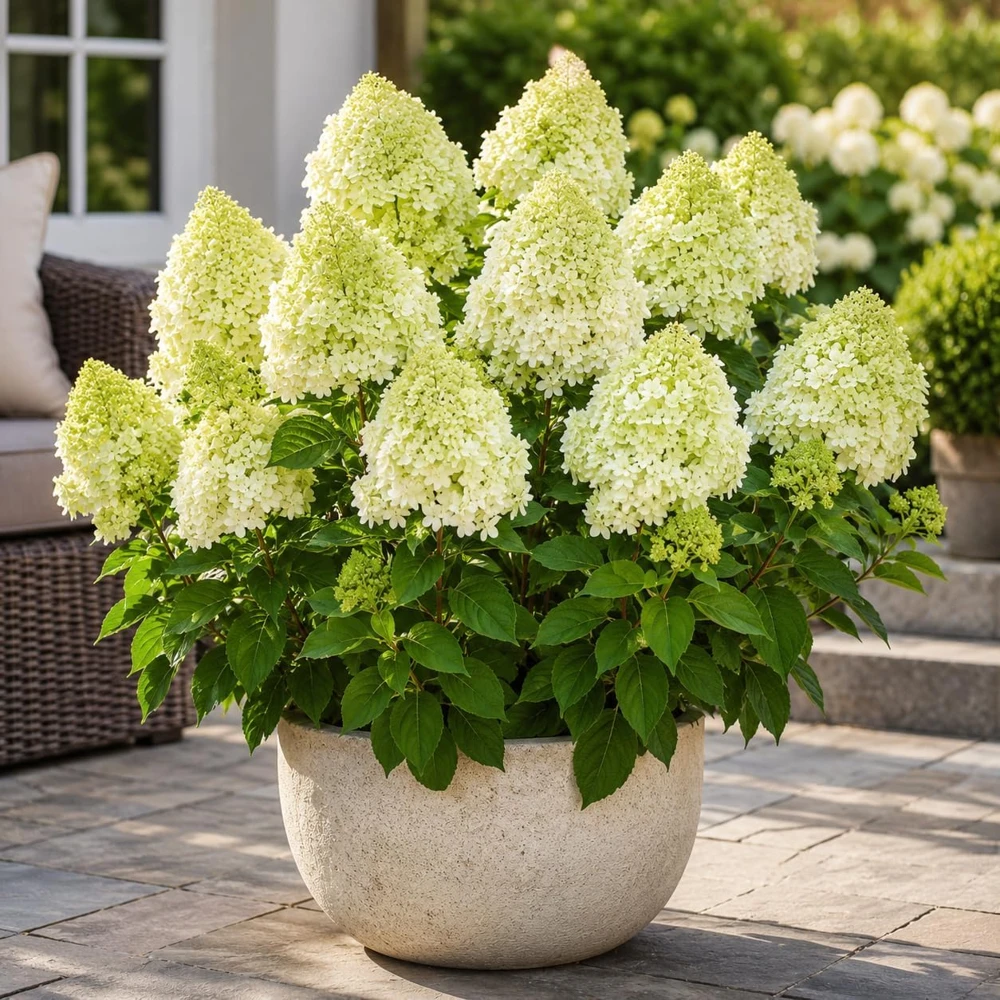
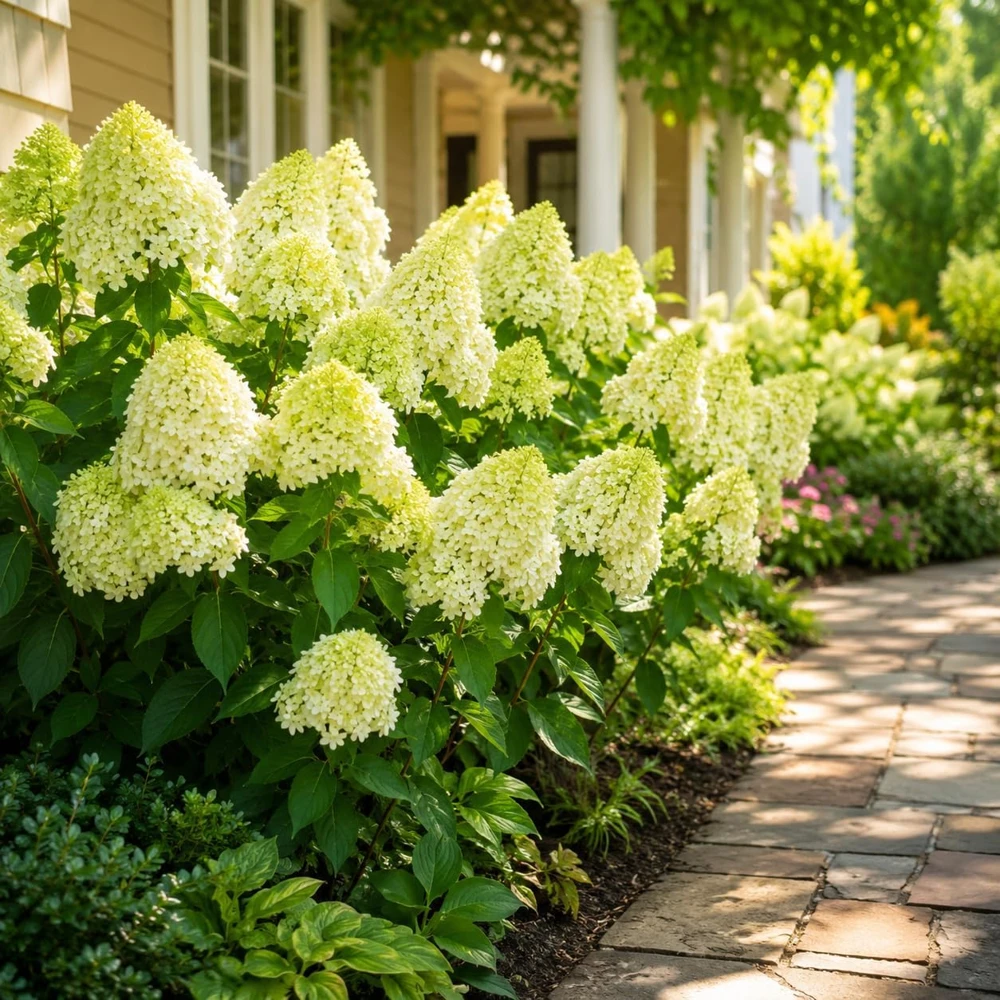
Bring elegant beauty to your garden with a limelight hydrangea tree. This vibrant live plant features stunning lime-green blooms that transition beautifully through seasons. Standing 5-10 inches tall in a 2.5 inch pot, it’s ready for planting and thrives outdoors, offering gorgeous summer through fall flowers.
Estimated arrival
Sep 18
Sep 23 - Sep 25
Sep 25 - Sep 30
See our Shipping Policy.
Get in touch with us via email, and our team will review your concerns.
Our Alive & Thrive Guarantee covers issues with your plants within the first 30 days. Read our Refund & Returns Policy.
-
USDA Hardiness Zone
3–9 -
Soil Type
Well-draining soil -
Sunlight Exposure
Full sun to partial shade -
Expected Planting Period
Spring to early fall
Overview
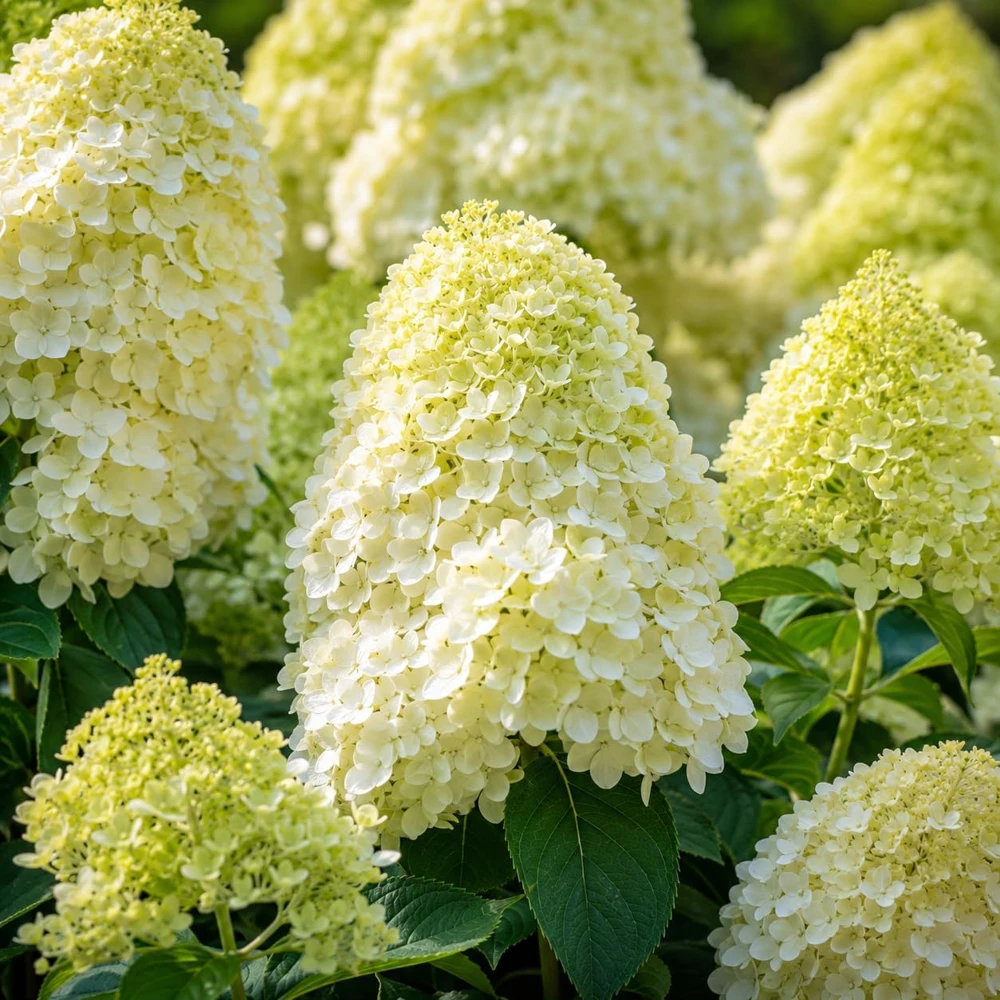
Transform your outdoor space with a magnificent limelight hydrangea tree. This live plant is renowned for its spectacular, large, conical flower clusters that emerge a fresh lime-green, gradually maturing to creamy white, and often developing rosy pink hues in the fall. An excellent choice for adding vertical interest and a touch of sophistication to any landscape, this particular specimen arrives as a young, healthy plant, typically 5-10 inches tall, nestled in a 2.5 inch pot. Perfect for garden beds, borders, or as a striking focal point, the limelight hydrangea tree offers season-long beauty and is a favorite among gardeners for its robust nature and impressive floral display. Even when dormant in winter, its strong structure adds architectural interest to the garden.
The Limelight Hydrangea (Hydrangea paniculata ‘Limelight’) is a deciduous shrub that has been trained into a tree form, making it a versatile and elegant addition to diverse garden styles. Its unique color transformation and extended blooming period from summer through fall provide continuous visual appeal, ensuring your garden remains vibrant for months. This hardy and adaptable hydrangea plant live specimen is eager to establish itself in your garden, promising years of breathtaking blooms and easy care.
Key Benefits
Adding a limelight hydrangea tree to your garden offers numerous advantages, blending aesthetic appeal with practical benefits. Its striking appearance and adaptable nature make it a top choice for both novice and experienced gardeners seeking to enhance their landscape.
- Stunning Seasonal Color: Enjoy a dynamic display as the large flower clusters transition from vibrant lime-green to creamy white, then to shades of pink and burgundy, providing continuous visual interest from summer through fall.
- Elegant Tree Form: Trained into an attractive tree shape, this hydrangea offers a sophisticated focal point or an excellent specimen plant that adds structure and height to garden beds, patios, or entryways.
- Extended Bloom Period: Unlike many flowering plants, the limelight hydrangea tree boasts an exceptionally long blooming season, ensuring your garden remains colorful and lively for several months.
- Low Maintenance & Hardy: This variety is known for its resilience and ease of care, tolerating a range of conditions and requiring minimal fuss once established, making it perfect for busy gardeners.
- Versatile Landscape Use: Ideal for various garden applications, including foundation plantings, mixed borders, privacy screens, or as a standalone specimen tree, enhancing curb appeal and garden design.
- Attracts Pollinators: The abundant blooms provide a valuable nectar source for bees and other beneficial pollinators, contributing to a healthy garden ecosystem.
- Excellent Cut Flowers: The sturdy blooms make beautiful fresh or dried arrangements, allowing you to bring the garden’s beauty indoors.
Plant Care & Growing Tips
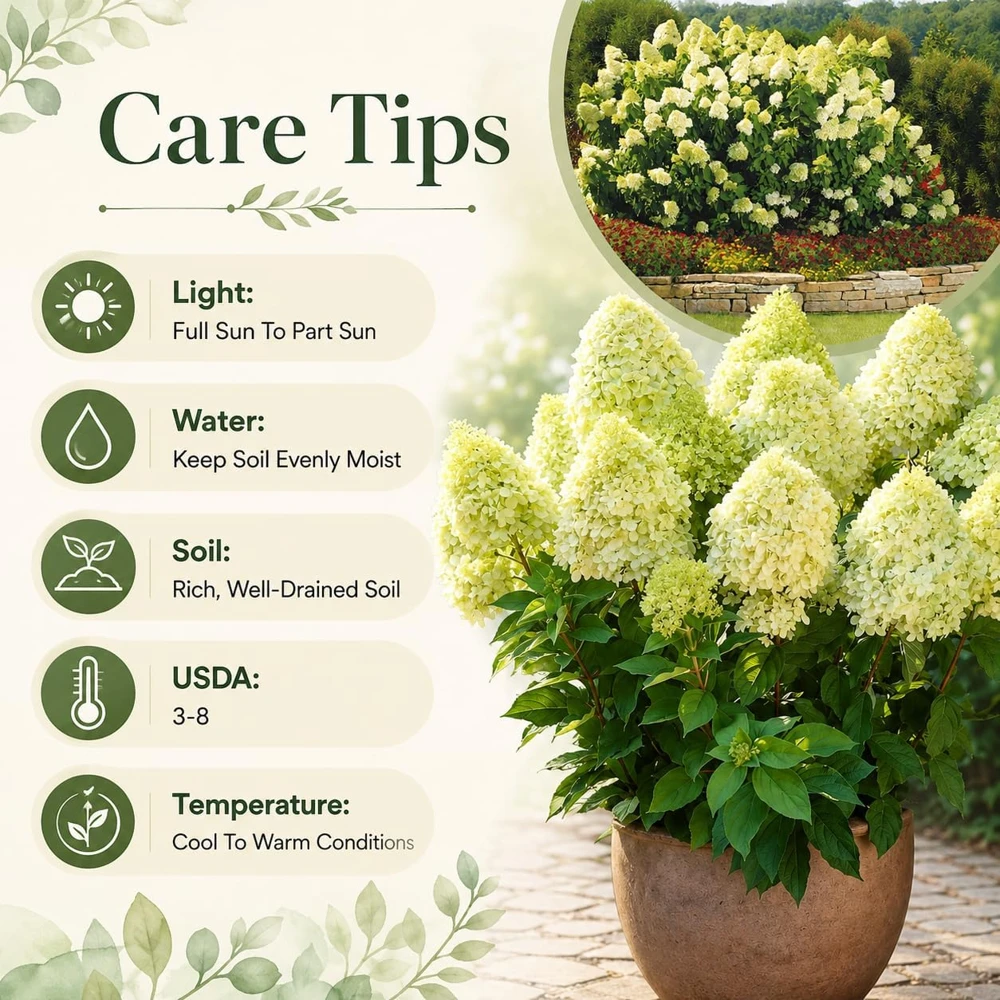
Caring for your limelight hydrangea tree is straightforward, ensuring a spectacular display of blooms year after year. This resilient plant thrives with proper attention to its basic needs. For optimal growth and flowering, plant your hydrangea in a location that receives full sun to partial shade. In hotter climates, some afternoon shade is beneficial to protect the blooms from scorching. Aim for at least 4-6 hours of direct sunlight daily for the best flower production. The ideal temperatures for active growth are between 60°F and 85°F.
Well-draining soil is crucial for the health of your hydrangea plant live. While adaptable to various soil types, it prefers rich, fertile soil. Ensure the soil remains consistently moist, especially during hot weather and the plant’s establishment period, but avoid waterlogged conditions which can lead to root rot. A good layer of mulch around the base of the tree will help retain soil moisture and regulate temperature. This variety is quite hardy, thriving in USDA Zones 3–9, making it suitable for a wide range of climates. Fertilize in early spring with a balanced slow-release fertilizer formulated for flowering shrubs to encourage vigorous growth and abundant blooms. Pruning is best done in late winter or early spring before new growth appears, removing any dead or weak branches and shaping the tree as desired. This specific variety blooms on new wood, so early spring pruning will not sacrifice the current year’s flowers. Protecting young trees in extreme winter conditions can be beneficial in the colder ends of its hardiness range.
Common issues are generally minimal for this robust plant. Ensure adequate watering during dry spells and monitor for common garden pests, though serious infestations are rare. Proper air circulation around the plant can help prevent fungal diseases. With these simple guidelines, your lime green hydrangea will flourish, providing a stunning focal point in your garden for many seasons.
Size & Details
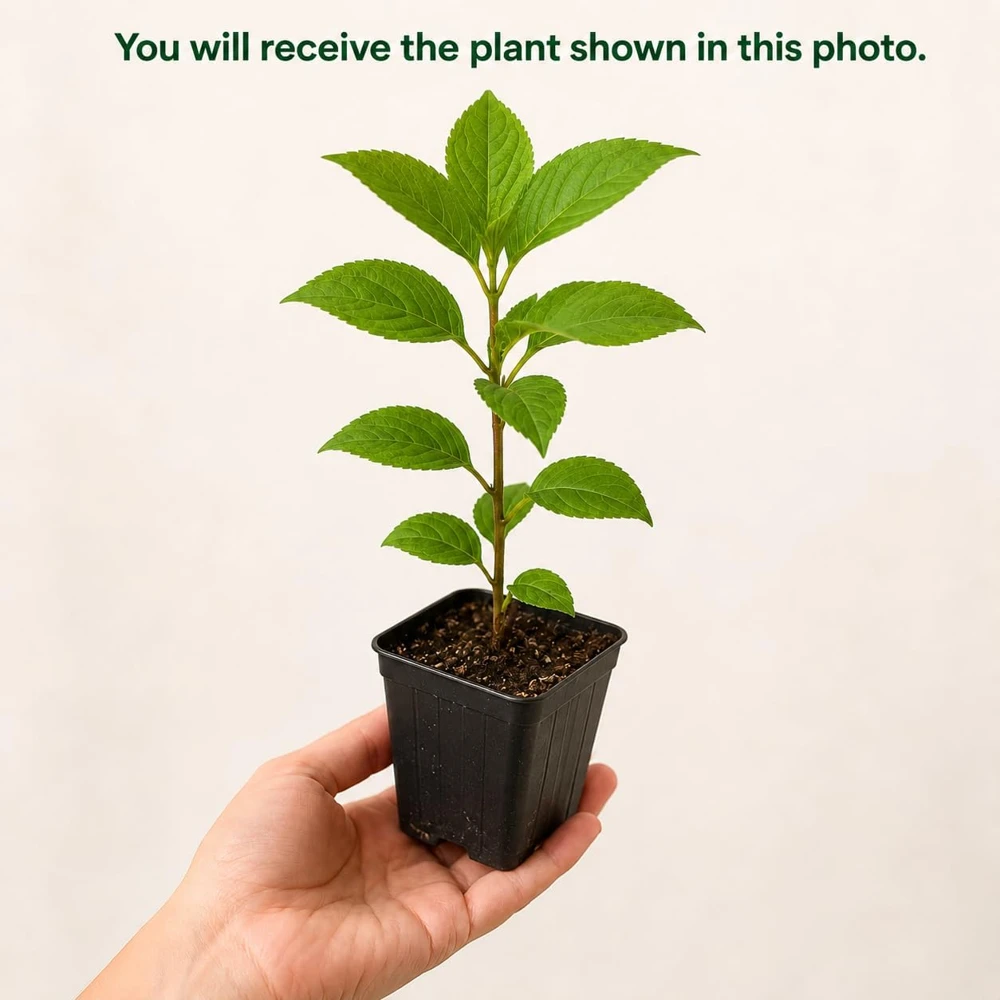
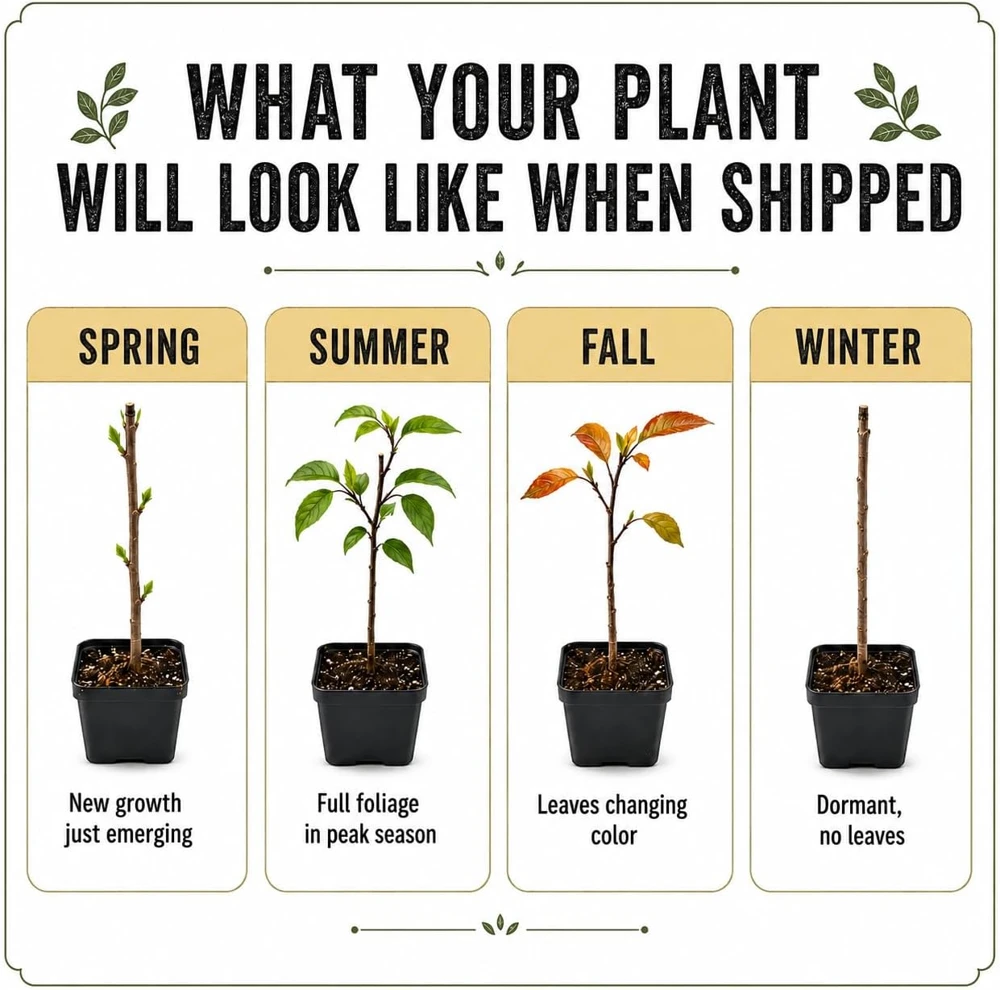
This offering is for one young limelight hydrangea tree, carefully cultivated and ready for planting. Each live plant measures approximately 5-10 inches tall from the base of the pot to the top of the foliage, providing a healthy start for your garden. It is shipped in a 2.5 inch nursery pot, ensuring the root system is protected and well-established for transplanting. While dormant in winter, the plant’s robust structure is evident, ready to burst into foliage and bloom with the arrival of warmer weather.
Once established, the outdoor flowering tree form of the Limelight Hydrangea can reach a mature height of 6-8 feet with a spread of 5-7 feet, creating a substantial and impactful presence in the landscape. It boasts a moderate growth rate, establishing itself well within the first few seasons and beginning to produce its characteristic lime-green blooms from summer through fall. The tree form requires minimal training to maintain its shape, offering a sophisticated alternative to the traditional shrub. Plant in spring or early fall for best establishment.
Frequently Asked Questions
- Q: How big does this plant get? A: This young limelight hydrangea tree arrives 5-10 inches tall in a 2.5 inch pot. Once mature, it can reach an impressive height of 6-8 feet with a spread of 5-7 feet, creating a significant presence in your garden.
- Q: Is this an indoor or outdoor plant? A: The limelight hydrangea tree is an outdoor plant, best suited for garden planting. It thrives in various outdoor conditions and is hardy in USDA Zones 3–9.
- Q: How much sunlight does it need? A: This hydrangea prefers full sun to partial shade. Aim for at least 4-6 hours of direct sunlight daily for the best flowering, especially in cooler climates. In hotter regions, afternoon shade is beneficial.
- Q: Is this plant easy to care for? A: Yes, the limelight hydrangea tree is known for its ease of care and robust nature. It’s a great choice for both beginner and experienced gardeners, requiring minimal maintenance once established.
- Q: What condition will it arrive in? A: Your hydrangea will arrive as a healthy, live plant in a 2.5 inch nursery pot, with its root system intact. It may be dormant if ordered during winter, which is a normal and healthy state for the plant.
- Q: How long until it blooms? A: Depending on when it’s planted and its establishment, your limelight hydrangea tree typically begins to produce its signature lime-green blooms its first or second season, blooming from summer through fall.
- Q: Will it survive winter in my zone? A: This hydrangea is very hardy and will survive winter in USDA Zones 3–9. It is deciduous and will lose its leaves in winter, entering a dormant state, but will return with new growth in spring.
- Q: What type of soil does it prefer? A: It thrives in well-draining soil that is rich and fertile. While adaptable, ensuring good drainage is key to preventing root issues.
- Q: How often should I water my new hydrangea? A: Keep the soil consistently moist, especially during its establishment period and hot weather. Avoid letting the soil dry out completely, but also ensure it’s not waterlogged.
- Q: What is the best time to plant this tree? A: The best times to plant your limelight hydrangea tree are in the spring after the last frost, or in early fall, allowing it time to establish before extreme temperatures.
Be the first to review “Limelight Hydrangea Tree Live Plant – 5-10 Inch Tall, 2.5 Inch Pot – Outdoor”
Related products


You May Like

5 Best Bulbs for Fall Planting: Brighten Your Garden This Spring
Are you dreaming of a garden full of vibrant colors in the spring? The key [...]
Aug
How to Repot Houseplants Like a Pro
Do your houseplants look like they’ve outgrown their pots? Are their roots popping out of [...]
Aug

10 Houseplants That Will Thrive in Your Kitchen
Are you tired of your kitchen feeling dull and lifeless? Want to add a little [...]
Aug
Reviews
There are no reviews yet.