
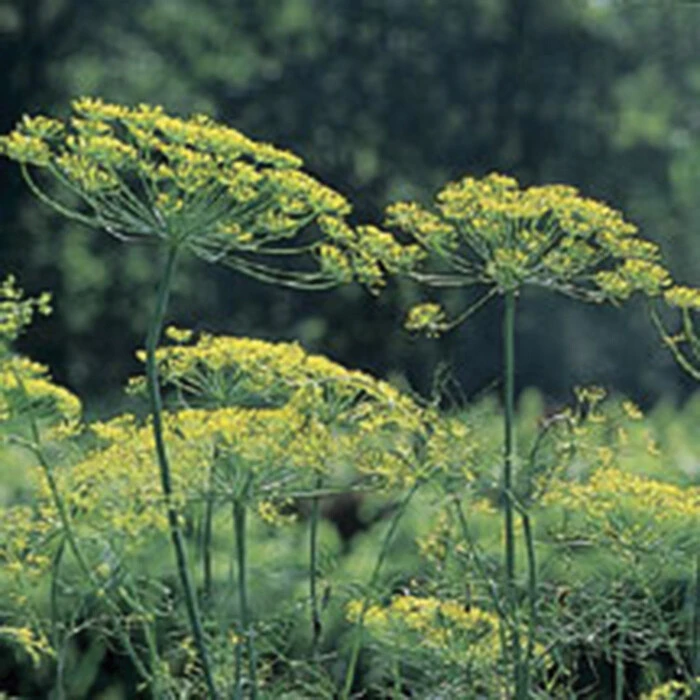
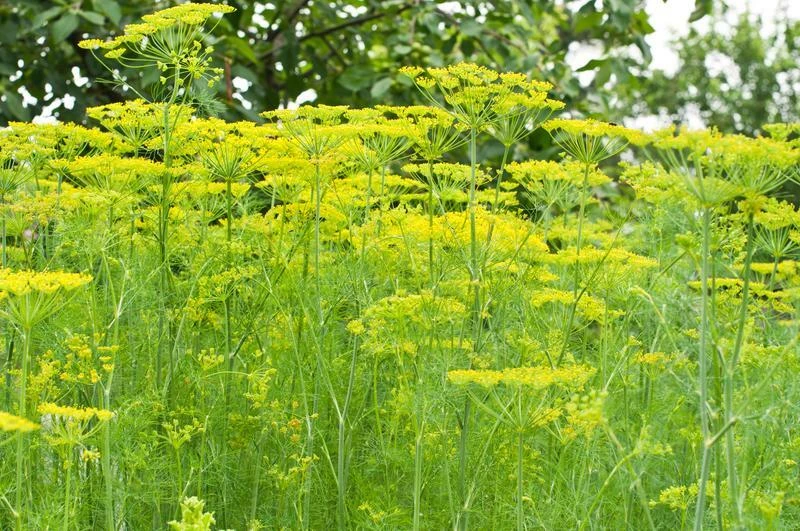
Mammoth Long Island Dill Seeds Heirloom Herb Seeds Outdoor USDA 3-12
From 10.77 $
Cultivate your garden with Mammoth Long Island Dill seeds, a classic heirloom variety known for its abundant, aromatic foliage. These heirloom dill seeds are perfect for culinary use and thrive outdoors, adding fresh flavor to your dishes. Easy to grow for beginners and experienced gardeners alike.
Estimated arrival
Sep 19
Sep 24 - Sep 26
Sep 26 - Oct 01
See our Shipping Policy.
Get in touch with us via email, and our team will review your concerns.
Our Alive & Thrive Guarantee covers issues with your plants within the first 30 days. Read our Refund & Returns Policy.
-
USDA Hardiness Zone
Zones 3-12 -
Soil Type
Loam, Peat, Sand -
Sunlight Exposure
Full Sun -
Expected Planting Period
Spring to Summer
Overview
Discover the joy of growing your own fresh herbs with Mammoth Long Island Dill seeds. This beloved heirloom variety is renowned for its vigorous growth and abundant, fern-like foliage, making it a favorite among gardeners and chefs alike. Ideal for both home gardens and larger plots, these dill seeds promise a bountiful harvest of fragrant leaves that are perfect for pickling, seasoning, and garnishing. As an annual herb, Mammoth Long Island Dill completes its life cycle within one growing season, providing a quick and rewarding cultivation experience. Its distinctive blue-green leaves add a lovely texture to any herb garden, and its ease of cultivation makes it an excellent choice for those new to gardening as well as seasoned enthusiasts. Growing dill from seed is a fulfilling endeavor, yielding fresh, flavorful herbs right from your backyard.
Known botanically as Anethum graveolens, this particular cultivar, Mammoth Long Island, is celebrated for its larger size and prolific leaf production compared to other dill varieties. It’s a versatile plant that not only enhances your culinary creations but also attracts beneficial insects to your garden. The seeds are also edible and widely used in pickling. Whether you’re looking to expand your herb garden or simply enjoy the freshest ingredients, these Mammoth Long Island Dill seeds are an excellent starting point for a successful growing season.
Key Benefits
Planting Mammoth Long Island Dill seeds offers a variety of advantages for your garden and kitchen:
- Exceptional Flavor & Aroma: The fresh, feathery leaves of Mammoth Long Island Dill provide a distinctive, slightly sweet, and tangy flavor profile, along with a delightful aroma that enhances a wide range of dishes, from seafood to salads.
- Abundant Harvest: This variety is known for its prolific growth, ensuring a generous supply of fresh dill throughout the growing season, perfect for culinary experimentation and preservation.
- Heirloom Quality: As heirloom dill seeds, they offer genetic stability and a true-to-type growth habit, allowing you to save seeds for future plantings and maintain a legacy in your garden.
- Attracts Pollinators & Beneficial Insects: Dill flowers are a magnet for bees, butterflies, and other beneficial insects, contributing to a healthier and more productive garden ecosystem.
- Versatile Culinary Use: Beyond fresh use, the leaves and seeds can be dried or frozen, making them available year-round for pickling, sauces, soups, and various international cuisines.
- Easy to Grow: These outdoor herb seeds are remarkably easy to cultivate, making them suitable for gardeners of all experience levels. They require minimal care once established and thrive in common garden conditions.
- Beautiful Garden Addition: The delicate, feathery foliage and umbrella-like flower heads add an attractive, textural element to herb gardens, vegetable patches, and even ornamental borders.
Plant Care & Growing Tips
Successfully growing dill from seed, especially the Mammoth Long Island variety, is straightforward with a few key considerations. Dill thrives in full sun, requiring at least 6-8 hours of direct sunlight daily to ensure robust growth and maximum flavor. Choose a location in your garden that receives ample sun exposure. While dill can tolerate some partial shade, too little light will result in leggy plants and reduced yields. These aromatic dill plants are quite adaptable, but optimal conditions will always yield the best results. The USDA Hardiness Zones for dill are 3-12, indicating its wide adaptability across many climates, but it performs best as an annual in most regions.
For soil, dill prefers well-draining soil with a pH between 6.1 and 7.5. Loam, peat, and sand are all suitable soil types, provided they offer good drainage. Avoid heavy, waterlogged soils which can lead to root rot. When watering, aim for medium moisture; the soil should be kept consistently moist but not soggy. Allow the top inch or two of soil to dry out slightly between waterings. Dill generally does not require heavy fertilization; a balanced, all-purpose fertilizer applied once or twice during the growing season is usually sufficient, especially if your soil is poor. Over-fertilizing can sometimes lead to excessive foliage growth at the expense of flavor. Pests are rarely a major issue for dill, but keep an eye out for aphids and dill worms (which are actually swallowtail butterfly caterpillars – you might choose to let them be!).
Size & Details
Mammoth Long Island Dill seeds are typically planted directly into the garden after the last frost, as dill does not transplant well. The plants exhibit a clumping growth habit, reaching a mature height of approximately 30-48 inches (75-120 cm) if allowed to flower, though they can be kept shorter with regular harvesting. The foliage is a distinctive green to blue-green color. Expect to begin harvesting leaves approximately 45-60 days after planting. For seed production, allow the plant to flower and mature, which usually takes around 90 days. These heirloom dill seeds are perfect for ensuring a steady supply of this versatile herb throughout the spring, summer, and fall seasons. Each seed packet contains a generous quantity of seeds, ensuring multiple plantings or a large, productive patch.
Frequently Asked Questions
- Q: How big do Mammoth Long Island Dill plants get? A: Mammoth Long Island Dill plants typically grow to a height of 30-48 inches (75-120 cm) when mature, especially if allowed to bolt and produce flowers and seeds. Regular harvesting can keep them more compact.
- Q: Is this an indoor or outdoor plant? A: Mammoth Long Island Dill is primarily an outdoor plant, thriving in garden beds or large containers. While it can be grown indoors, it requires significant light and good air circulation to flourish.
- Q: How much sunlight does dill need? A: Dill requires full sun, meaning at least 6-8 hours of direct sunlight per day, for optimal growth and flavor. Less sun can lead to leggy plants and reduced yields.
- Q: Is growing dill from seed difficult for beginners? A: No, growing dill from seed is considered very easy. It’s a great herb for beginner gardeners as it germinates readily and requires minimal care once established.
- Q: What condition will the seeds arrive in? A: The product consists of high-quality Mammoth Long Island Dill seeds, which will arrive in a protective packet, ready for planting.
- Q: Can I use Mammoth Long Island Dill for pickling? A: Absolutely! Mammoth Long Island Dill is one of the most popular varieties for pickling due to its strong flavor and abundant foliage and seeds, which are both excellent for preserving vegetables.
- Q: When is the best time to plant these dill seeds? A: The best time to plant heirloom dill seeds is in the spring after all danger of frost has passed. You can also make succession plantings every few weeks for a continuous harvest throughout the growing season.
- Q: What USDA Hardiness Zones are suitable for this dill? A: Mammoth Long Island Dill is suitable for USDA Hardiness Zones 3-12, though it is typically grown as an annual in most climates, completing its life cycle in one season.
- Q: What type of soil does dill prefer? A: Dill prefers well-draining soil with a neutral to slightly acidic pH (6.1-7.5). Loam, peat, and sand mixtures work well, ensuring good drainage.
- Q: How often should I water my aromatic dill plants? A: Water your aromatic dill plants regularly to keep the soil consistently moist but not waterlogged. Allow the top inch or two of soil to dry out between waterings.
| Seed Quantity | 1400 Seeds Or 2 Grams, 160K Seeds Or 1/2 Lb, 20K Seeds Or 1 Oz, 2500 Seeds Or 1/8 Oz, 320K Seeds Or 1 Lb, 40K Seeds Or 2 Oz, 5000 Seeds Or 1/4 Oz, 700 Seeds Or 1 Gram, 80K Seeds Or 1/4 Lb |
|---|
Be the first to review “Mammoth Long Island Dill Seeds Heirloom Herb Seeds Outdoor USDA 3-12”
Related products


You May Like
5 Best Bulbs for Fall Planting: Brighten Your Garden This Spring
Are you dreaming of a garden full of vibrant colors in the spring? The key [...]
Aug
How to Repot Houseplants Like a Pro
Do your houseplants look like they’ve outgrown their pots? Are their roots popping out of [...]
Aug
10 Houseplants That Will Thrive in Your Kitchen
Are you tired of your kitchen feeling dull and lifeless? Want to add a little [...]
Aug
Reviews
There are no reviews yet.