
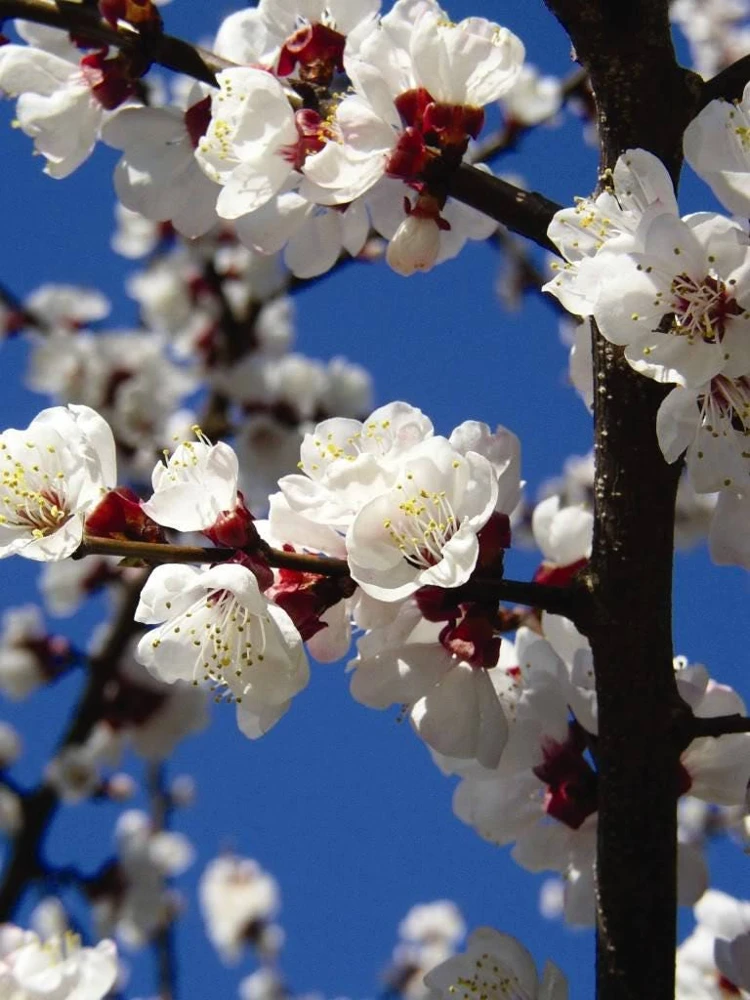
Manchurian Apricot Tree Seeds – 5 Prunus Mandshurica Seeds for Zone 3-7
Original price was: 32.99 $.12.99 $Current price is: 12.99 $.
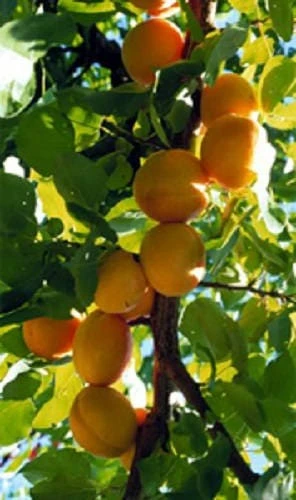
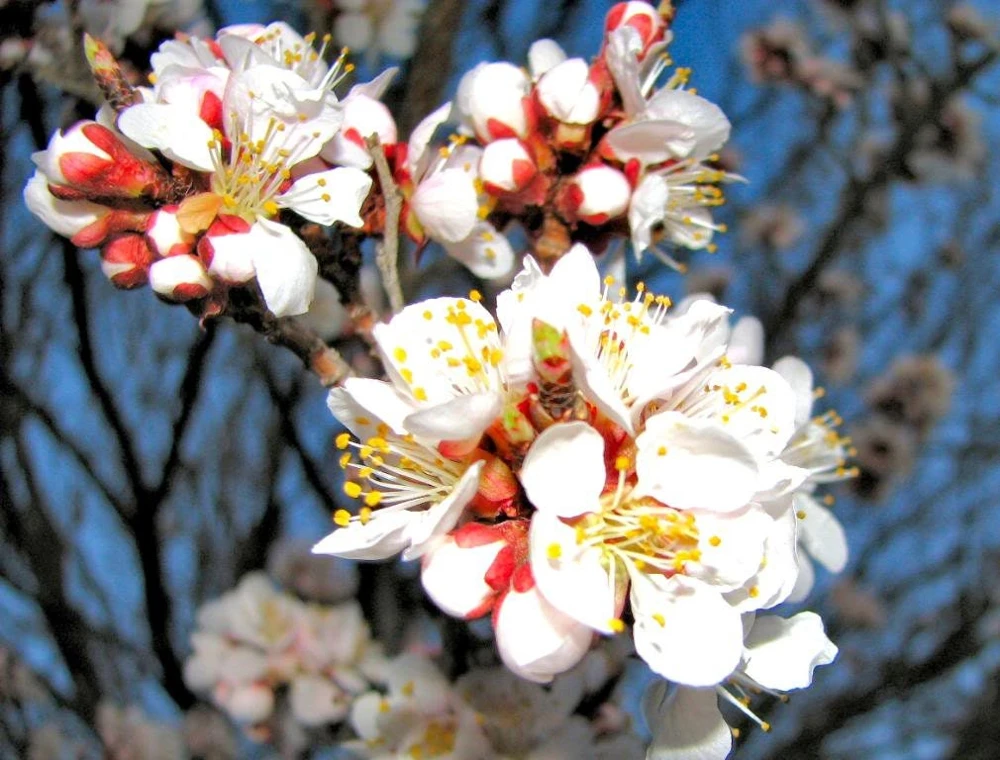
Cultivate your own beautiful and fruitful Manchurian Apricot tree seeds. These Prunus Mandshurica seeds promise fragrant pink blooms in spring and sweet, 1-inch fruits. Ideal for zones 3-7, these self-pollinating trees are a delightful addition to any garden.
Estimated arrival
Sep 19
Sep 24 - Sep 26
Sep 26 - Oct 01
See our Shipping Policy.
Get in touch with us via email, and our team will review your concerns.
Our Alive & Thrive Guarantee covers issues with your plants within the first 30 days. Read our Refund & Returns Policy.
-
USDA Hardiness Zone
3 - 7 -
Soil Type
Average - Dry, well-draining soil -
Sunlight Exposure
Full Sun -
Expected Planting Period
Outdoors after danger of frost / Indoors weeks before last frost (after cold stratification)
Overview
Embark on a rewarding gardening journey by growing your very own Manchurian Apricot tree seeds. This packet contains 5 high-quality Prunus Mandshurica seeds, ready to transform into a stunning and productive fruit tree. Native to central Asia, the Manchurian Apricot (Prunus mandshurica) is renowned for its vigorous growth and remarkable beauty. Before its leaves even emerge, the tree bursts forth with a profusion of fragrant, pink, 1-inch blooms, creating a spectacular display in early spring. These trees are not just ornamental; they are also self-pollinating, meaning you won’t need multiple trees to ensure a bountiful harvest. The sweet, juicy, 1-inch fruits, with their vibrant red flesh, are perfect for eating fresh, baking into desserts, or preserving as jams. Growing an apricot fruit tree seeds from scratch offers a unique connection to nature and the satisfaction of harvesting your own delicious produce.
The Manchurian Apricot is a hardy and adaptable tree, thriving in USDA Hardiness Zones 3 through 7. Its resilience makes it an excellent choice for a wide range of climates. Whether you’re an experienced horticulturist or a budding gardener, these Manchurian Apricot tree seeds provide an opportunity to cultivate a beautiful and productive specimen that will enhance your landscape for years to come. With proper care and attention, these seeds will germinate and grow into magnificent trees that provide both visual appeal and a source of delectable fruit.
Key Benefits
Growing Manchurian Apricot tree seeds offers a multitude of advantages, from their aesthetic appeal to their delicious yield. These trees are a fantastic investment for any home garden or orchard, providing beauty and sustenance.
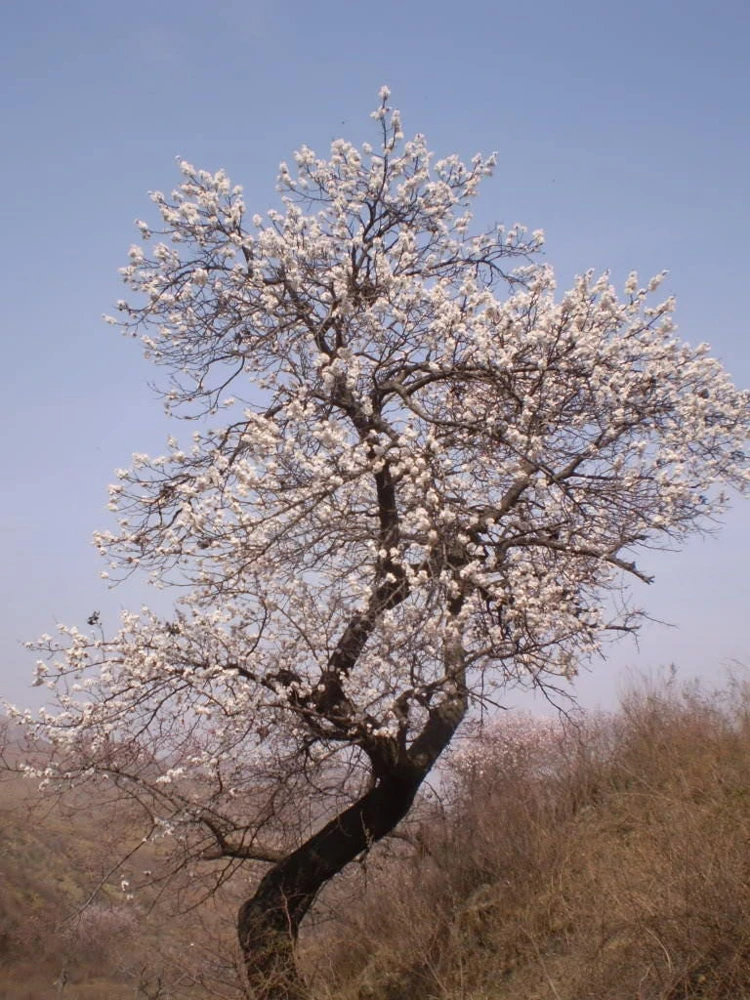
- Stunning Spring Blooms: The tree produces abundant, fragrant pink flowers in early spring, often before the leaves appear, creating a breathtaking visual spectacle. This early bloom provides a vibrant start to the gardening season and attracts beneficial pollinators.
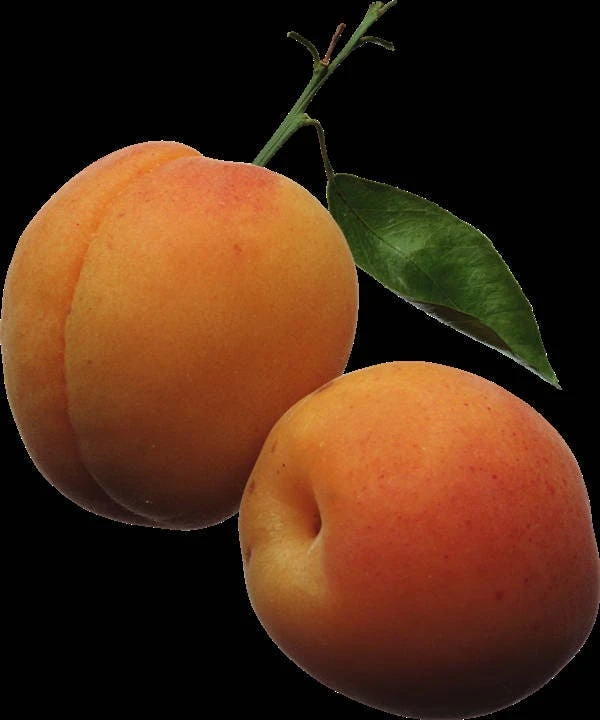
- Delicious, Self-Pollinating Fruit: Enjoy sweet, juicy, 1-inch fruits with red flesh that are perfect for fresh consumption, baking, or making preserves. The self-pollinating nature of the Prunus Mandshurica seeds means a single tree can produce fruit without the need for a companion tree.
- Hardy and Adaptable: Thriving in USDA Zones 3-7, these trees are exceptionally hardy and can withstand a range of climatic conditions, making them a reliable choice for many gardeners. Their robust nature ensures a strong, healthy tree that resists common issues.
- Fast Growing: The Manchurian Apricot is known for its fast growth rate, allowing you to establish a mature, fruit-bearing tree more quickly than many other fruit varieties. This means you can enjoy the benefits of your apricot fruit tree seeds sooner.
- Attractive Fall Foliage: Beyond spring blooms and summer fruit, the tree provides additional seasonal interest with its striking yellow leaves in the fall, adding vibrant color to your landscape. This extends the visual appeal of the tree throughout the year.
- Versatile Culinary Uses: The sweet apricots can be enjoyed in a variety of ways, from eating them fresh off the branch to incorporating them into pies, tarts, jams, and jellies. This versatility makes the Manchurian Apricot a valuable addition to any home cook’s pantry.
- Enhances Biodiversity: Planting fruit trees like the Manchurian Apricot contributes to local ecosystems by providing food and habitat for wildlife, including birds and beneficial insects, further enriching your garden environment.
Plant Care & Growing Tips
Cultivating Manchurian Apricot tree seeds requires a bit of patience and specific care, particularly regarding germination and initial growth. Starting with proper stratification is crucial for these Prunus Mandshurica seeds. For successful germination, you will need to cold stratify seeds either naturally outdoors over winter or artificially indoors. If planting outdoors, sow seeds after the danger of frost has passed, ensuring they experience a period of cold. For indoor planting, cold stratify the seeds for several weeks in a refrigerator before planting. Once germinated, plant your seedlings in a location that receives full sun, meaning at least 6-8 hours of direct sunlight daily, which is essential for optimal growth and fruit production.
The Manchurian Apricot tree prefers average to dry soil conditions, making it relatively drought-tolerant once established. Ensure the soil is well-draining to prevent root rot, which can be detrimental to young trees. While adaptable, a slightly acidic to neutral pH is ideal. Water regularly during the initial growth phase to help the roots establish, then reduce frequency as the tree matures, allowing the soil to dry out slightly between waterings. Protect young trees from extreme cold during their first few winters, especially if you are in the lower range of their hardiness zone. Fertilize annually in early spring with a balanced slow-release fertilizer designed for fruit trees to support healthy growth and a strong fruit set. Pruning should be done in late winter or early spring to shape the tree, remove dead or diseased branches, and encourage better air circulation and fruit development. Regular inspection for pests and diseases will help maintain the health of your apricot fruit tree seeds as they grow.
Size & Details
These Manchurian Apricot tree seeds are supplied in a packet containing 5 individual seeds, providing multiple opportunities for successful germination and growth. Once mature, a Manchurian Apricot tree typically reaches a height of 15 to 20 feet, with a similar spread of 10 to 20 feet, making it a medium-sized fruit tree suitable for most home landscapes. The trees are known for their fast growth rate, allowing them to establish quickly and begin producing fruit within a few years. They bloom in early spring, usually before the leaves emerge, showcasing beautiful pink flowers. The sweet, 1-inch fruits mature in late summer, offering a delightful harvest. The vibrant yellow fall foliage adds another layer of seasonal interest to this versatile tree. Each seed has the potential to grow into a robust and productive tree, contributing both aesthetic beauty and a bountiful harvest to your garden. The hardiness of these Prunus Mandshurica seeds means they are well-suited for a wide range of climates within their specified USDA zones.
Frequently Asked Questions
- Q: How big does this plant get? A: The Manchurian Apricot tree seeds will grow into a tree that typically reaches a height of 15-20 feet and a spread of 10-20 feet at maturity. Its size makes it a notable presence in the landscape, providing ample shade and fruit.
- Q: Is this an indoor or outdoor plant? A: The Manchurian Apricot is an outdoor tree that requires a period of cold dormancy and full sun exposure to thrive and produce fruit. It is not suitable for indoor cultivation.
- Q: How much sunlight does it need? A: For optimal growth and fruit production, the Manchurian Apricot tree requires full sun, meaning at least 6-8 hours of direct sunlight per day. This ensures strong development and sweet fruits from your Prunus Mandshurica seeds.
- Q: Is this plant easy to care for? A: While growing from Manchurian Apricot tree seeds requires some specific steps like cold stratification, once established, the tree is relatively low-maintenance and hardy, making it suitable for gardeners of various experience levels.
- Q: What condition will the seeds arrive in? A: The product consists of 5 high-quality, viable apricot fruit tree seeds, carefully packaged to ensure their integrity during transit. They are ready for stratification and planting upon arrival.
- Q: How long until it blooms? A: Manchurian Apricot trees grown from seed typically begin to bloom and produce fruit within 3-5 years after planting, depending on growing conditions and care. The beautiful pink flowers are a highlight of early spring.
- Q: When is the best time to plant? A: After cold stratifying, the best time to plant the germinated Manchurian Apricot tree seeds is in early spring after the last danger of frost has passed. This gives the young seedling the entire growing season to establish itself.
- Q: Will it survive winter in my zone? A: Yes, the Manchurian Apricot tree is very hardy and is suitable for USDA Hardiness Zones 3 through 7, meaning it can withstand cold winter temperatures within this range. Proper care during its first winter is crucial.
- Q: Do I need more than one tree for fruit? A: No, the Manchurian Apricot tree is self-pollinating, so you only need one tree to produce fruit. However, planting multiple trees can increase your overall yield.
- Q: How do I cold stratify seeds? A: To cold stratify seeds, place them in a moist medium (like sand or peat moss) in a sealed bag or container and refrigerate for several weeks (typically 60-90 days) before planting. This mimics natural winter conditions and encourages germination.
Be the first to review “Manchurian Apricot Tree Seeds – 5 Prunus Mandshurica Seeds for Zone 3-7”
Related products




You May Like

5 Best Bulbs for Fall Planting: Brighten Your Garden This Spring
Are you dreaming of a garden full of vibrant colors in the spring? The key [...]
Aug

How to Repot Houseplants Like a Pro
Do your houseplants look like they’ve outgrown their pots? Are their roots popping out of [...]
Aug

10 Houseplants That Will Thrive in Your Kitchen
Are you tired of your kitchen feeling dull and lifeless? Want to add a little [...]
Aug
Reviews
There are no reviews yet.