
Marglobe Tomato Seeds – Heirloom, Disease Resistant, Full Sun, Zones 3-12
From 10.77 $
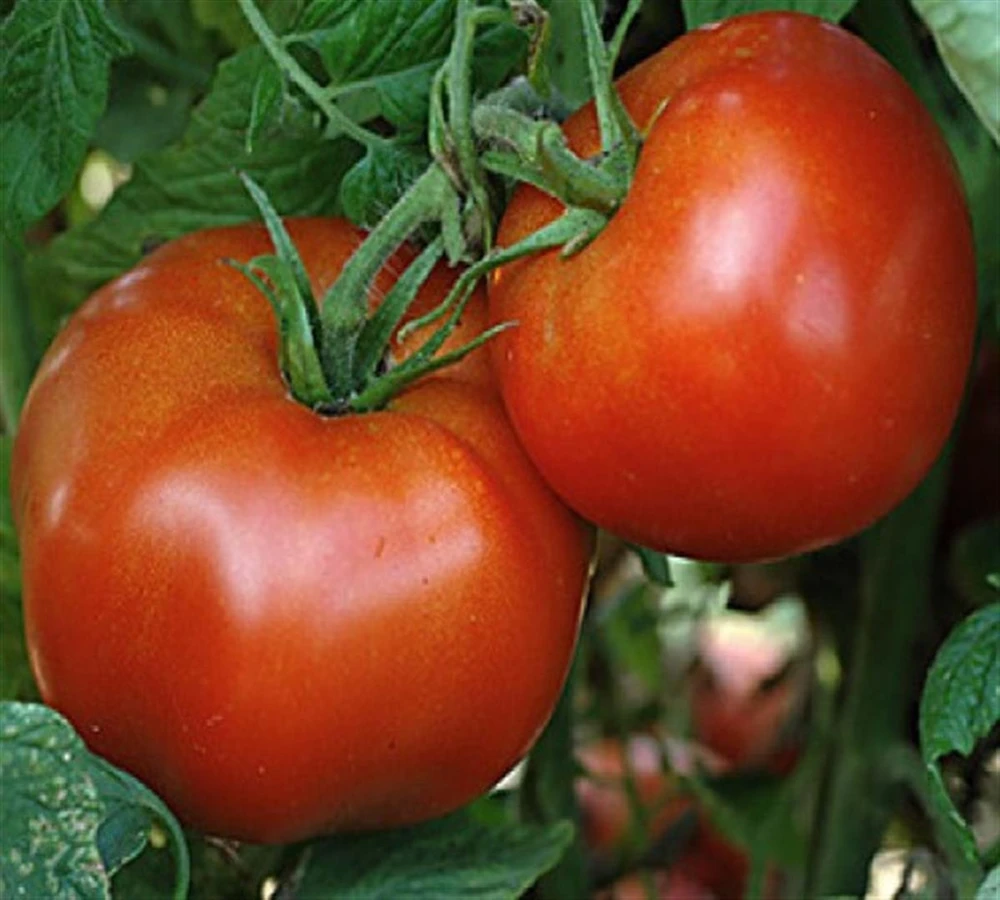
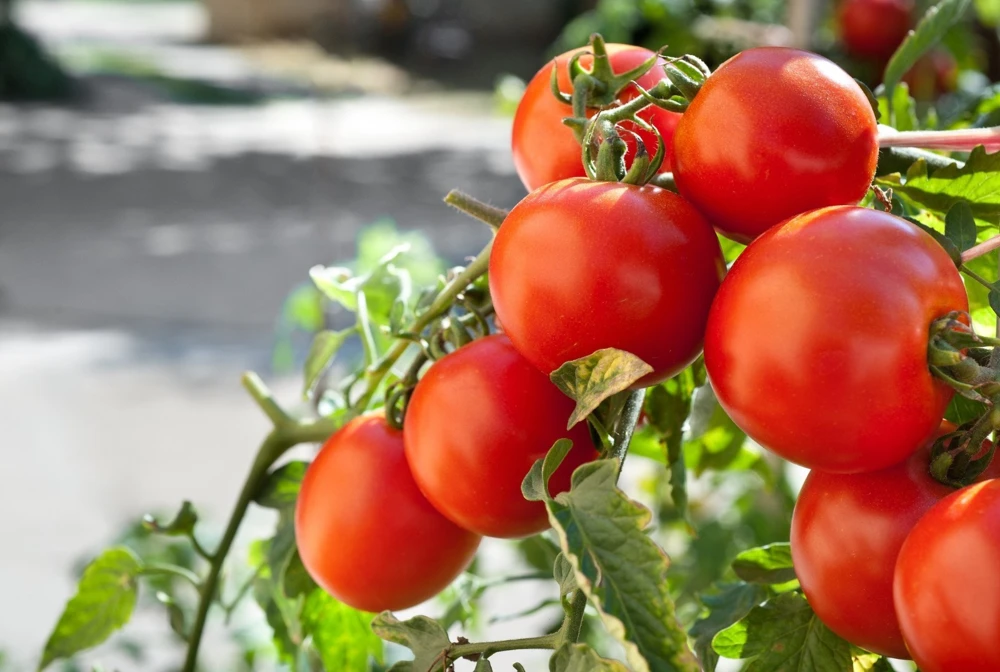
Cultivate robust, flavorful tomatoes with our Marglobe tomato seeds. These heirloom tomato seeds produce classic red, crack-resistant fruits, ideal for slicing into salads or cooking. Known for their disease resistance and climbing growth habit, they thrive outdoors in full sun across USDA Zones 3-12, making them a gardener’s favorite for a bountiful harvest.
Estimated arrival
Sep 19
Sep 24 - Sep 26
Sep 26 - Oct 01
See our Shipping Policy.
Get in touch with us via email, and our team will review your concerns.
Our Alive & Thrive Guarantee covers issues with your plants within the first 30 days. Read our Refund & Returns Policy.
-
USDA Hardiness Zone
Zones 3-12 -
Soil Type
Loam, Peat, Sand (well-draining) -
Sunlight Exposure
Full Sun -
Expected Planting Period
Spring to Summer
Overview
Embark on a rewarding gardening journey with our premium Marglobe tomato seeds. This heirloom variety is celebrated for its exceptional flavor, robust growth, and high yields, making it a staple for home gardeners and culinary enthusiasts alike. The Marglobe tomato, Solanum lycopersicum ‘Marglobe’, is a classic, open-pollinated variety known for producing medium to large, firm, red fruits that are perfect for a wide range of culinary uses. These seeds offer the opportunity to cultivate a vigorous climbing plant that resists common tomato diseases, ensuring a healthier and more productive garden. Whether you’re an experienced gardener or just starting, growing heirloom tomato seeds like Marglobe provides a truly authentic and delicious tomato experience.
Originally introduced in the 1920s, the Marglobe tomato has stood the test of time, proving its resilience and delicious taste. Its adaptability to various climates, from sub-tropical to temperate, and its ability to thrive in USDA Hardiness Zones 3-12 make it a versatile choice for gardens across the United States. Plant these seeds, and watch as they transform into strong, fruit-laden plants, offering a continuous harvest throughout the summer and fall. You’ll be delighted by the rich, balanced flavor of homegrown Marglobe tomatoes.
Key Benefits
Choosing Marglobe tomato seeds for your garden offers a multitude of advantages, from their historical significance to their practical growing benefits:
- Exceptional Flavor and Texture: Marglobe tomatoes are renowned for their classic, rich tomato flavor and firm, meaty texture. This makes them incredibly versatile for fresh eating, slicing for sandwiches, or cooking into sauces and pastes.
- Disease Resistant: A key feature of the Marglobe variety is its natural resistance to several common tomato diseases, including Fusarium wilt and Verticillium wilt. This resilience helps ensure a healthier plant and a more successful harvest, reducing the need for chemical interventions.
- Heirloom Quality: As a true heirloom, these seeds produce plants that are open-pollinated, meaning you can save seeds from your harvest year after year and maintain the same beloved characteristics. This preserves genetic diversity and connects you to gardening traditions.
- Versatile Culinary Use: The firm flesh and balanced acidity of Marglobe tomatoes make them ideal for various culinary applications. They are particularly excellent for making sauces, canning, and, of course, perfect for salads. This makes them a truly versatile ingredient in any kitchen.
- High Yielding: Given proper care and sunlight, Marglobe plants are known to be prolific producers. You can expect a generous harvest of medium to large red tomatoes throughout the growing season, providing plenty for your family and perhaps even some to share.
- Crack Resistant: Marglobe tomatoes exhibit good resistance to cracking, which can be a common issue with other varieties. This feature contributes to more aesthetically pleasing and usable fruits, reducing waste.
- Adaptable Growth: These plants are adaptable to a wide range of growing conditions and climates, thriving in USDA Zones 3-12. This broad adaptability makes grow Marglobe tomatoes a viable option for many gardeners across different regions.
Plant Care & Growing Tips
Successful cultivation of Marglobe tomato seeds requires attention to a few key environmental factors and care practices. These climbing plants thrive in optimal conditions, rewarding you with abundant, flavorful fruit. Start your seeds indoors 6-8 weeks before the last frost date, transplanting seedlings outdoors once all danger of frost has passed and soil temperatures have warmed. A good rule of thumb for when to grow Marglobe tomatoes is around 11 weeks before your desired harvest, typically in late spring to early summer for most regions.
Sunlight Requirements: Marglobe tomatoes require at least 6-8 hours of full sun daily to produce optimally. Choose a location in your garden that receives direct, unfiltered sunlight for the majority of the day. Insufficient light can lead to leggy plants and poor fruit set. Watering: Consistent watering is crucial, especially during flowering and fruit development. Aim for medium watering, keeping the soil consistently moist but not waterlogged. Deep watering encourages deep root growth. Avoid overhead watering to reduce the risk of foliar diseases. Soil Type and pH: Marglobe tomatoes prefer well-draining, fertile soil rich in organic matter. A soil mixture of loam, peat, and sand with a pH between 5.0 and 6.0 is ideal. Amend heavy clay soils with compost to improve drainage and aeration. Fertilization: Begin with a balanced fertilizer at planting and follow with a fertilizer higher in phosphorus and potassium once fruits begin to set. Avoid excessive nitrogen, which can promote leafy growth at the expense of fruit production.
Support and Pruning: As climbing plants, Marglobe tomatoes benefit greatly from staking, caging, or trellising to support their heavy fruit load and keep them off the ground, which can help prevent disease and improve air circulation. Prune suckers (shoots that emerge between the main stem and a leaf branch) to encourage energy into fruit production rather than excessive foliage. Pest and Disease Management: While disease resistant tomato seeds like Marglobe offer inherent protection, monitor plants for common pests such as aphids and hornworms. Use organic pest control methods if necessary. Ensure good air circulation around plants to minimize fungal issues. These practices will help ensure a healthy harvest of the best tomato for salads and more.
Size & Details
Our Marglobe tomato seeds are sourced from the United States and are ideal for establishing a vigorous and productive garden. Marglobe plants exhibit a climbing growth habit, typically reaching heights of 4-6 feet when properly staked or caged. The fruits are medium to large, round, and bright red, weighing approximately 6-8 ounces each. These annual plants will complete their life cycle within one growing season, producing a continuous harvest from summer through fall. Expect the first fruits to ripen approximately 75-80 days after transplanting.
Each packet contains high-quality heirloom tomato seeds, ensuring excellent germination rates and true-to-type plants. The plants are known for their crack-resistant and disease-resistant features, making them a reliable choice for consistent yields. With a cultivating difficulty rated as ‘Easy’, these seeds are suitable for gardeners of all experience levels. They thrive in outdoor conditions and are well-suited for temperate and sub-tropical climates, performing exceptionally well across a broad range of USDA Hardiness Zones from 3 to 12.
Frequently Asked Questions
- Q: How big do Marglobe tomato plants get? A: Marglobe tomato seeds grow into climbing plants that typically reach a height of 4 to 6 feet when provided with proper support like stakes or cages. They are vigorous growers and will produce a good amount of foliage and fruit.
- Q: Is this an indoor or outdoor plant? A: Marglobe tomatoes are primarily grown outdoors. They require abundant sunlight and space to thrive, making them unsuitable for indoor cultivation unless under very specific, controlled conditions that mimic outdoor environments.
- Q: How much sunlight do Marglobe tomatoes need? A: For optimal growth and fruit production, Marglobe tomato plants need at least 6 to 8 hours of direct, full sunlight per day. Choose the sunniest spot in your garden for planting these heirloom tomato seeds.
- Q: Are these seeds easy to grow for beginners? A: Yes, Marglobe tomatoes are considered easy to cultivate. Their natural disease resistance and robust growth habit make them a good choice for beginner gardeners looking to grow Marglobe tomatoes successfully.
- Q: What condition will the seeds arrive in? A: The seeds will arrive in a sealed packet, ensuring their freshness and viability. They are ready for planting according to your local growing season and conditions.
- Q: When is the best time to plant Marglobe tomato seeds? A: The best time to plant Marglobe tomato seeds indoors is 6-8 weeks before your average last frost date. Transplant seedlings outdoors after all danger of frost has passed and soil temperatures are consistently warm.
- Q: What is the ideal soil for Marglobe tomatoes? A: Marglobe tomatoes prefer well-draining, fertile soil with a pH between 5.0 and 6.0. Amending your garden soil with organic matter like compost will significantly improve its structure and nutrient content.
- Q: How long until Marglobe tomatoes produce fruit? A: From the time of transplanting seedlings into the garden, you can typically expect to harvest your first ripe Marglobe tomatoes in about 75 to 80 days. This makes them a mid-season variety.
- Q: Can I save seeds from my Marglobe tomatoes for next year? A: Yes, since Marglobe is an heirloom, open-pollinated variety, you can absolutely save seeds from your ripe tomatoes to plant in subsequent seasons. This is one of the great benefits of choosing heirloom tomato seeds.
- Q: Are Marglobe tomatoes good for canning? A: Marglobe tomatoes are an excellent choice for canning due to their firm flesh and balanced flavor. They hold up well when cooked and processed, making them ideal for sauces, pastes, and diced tomatoes, and are considered by many to be the best tomato for salads and preserving.
| Seed Quantity | 100 Seeds, 10K Seeds Or 1 Oz, 1250 Seeds Or 1/8 Oz, 20K Seeds Or 2 Oz, 2500 Seeds Or 1/4 Oz, 50 Seeds, 500 Seeds |
|---|
Be the first to review “Marglobe Tomato Seeds – Heirloom, Disease Resistant, Full Sun, Zones 3-12”
Related products


Vegetable Seeds
Yellow Cheese Pimento Pepper Seeds – 50 Count – Sweet & Mild


Vegetable Seeds
Tendersweet Carrot Seeds – 1500 Count, Deep Orange Red Vegetable


Vegetable Seeds
Job’s Tears Seeds – Coix Lacryma Vegetable Seeds – 20 Count for Edible & Decorative Use
You May Like

5 Best Bulbs for Fall Planting: Brighten Your Garden This Spring
Are you dreaming of a garden full of vibrant colors in the spring? The key [...]
Aug
How to Repot Houseplants Like a Pro
Do your houseplants look like they’ve outgrown their pots? Are their roots popping out of [...]
Aug
10 Houseplants That Will Thrive in Your Kitchen
Are you tired of your kitchen feeling dull and lifeless? Want to add a little [...]
Aug
Reviews
There are no reviews yet.