
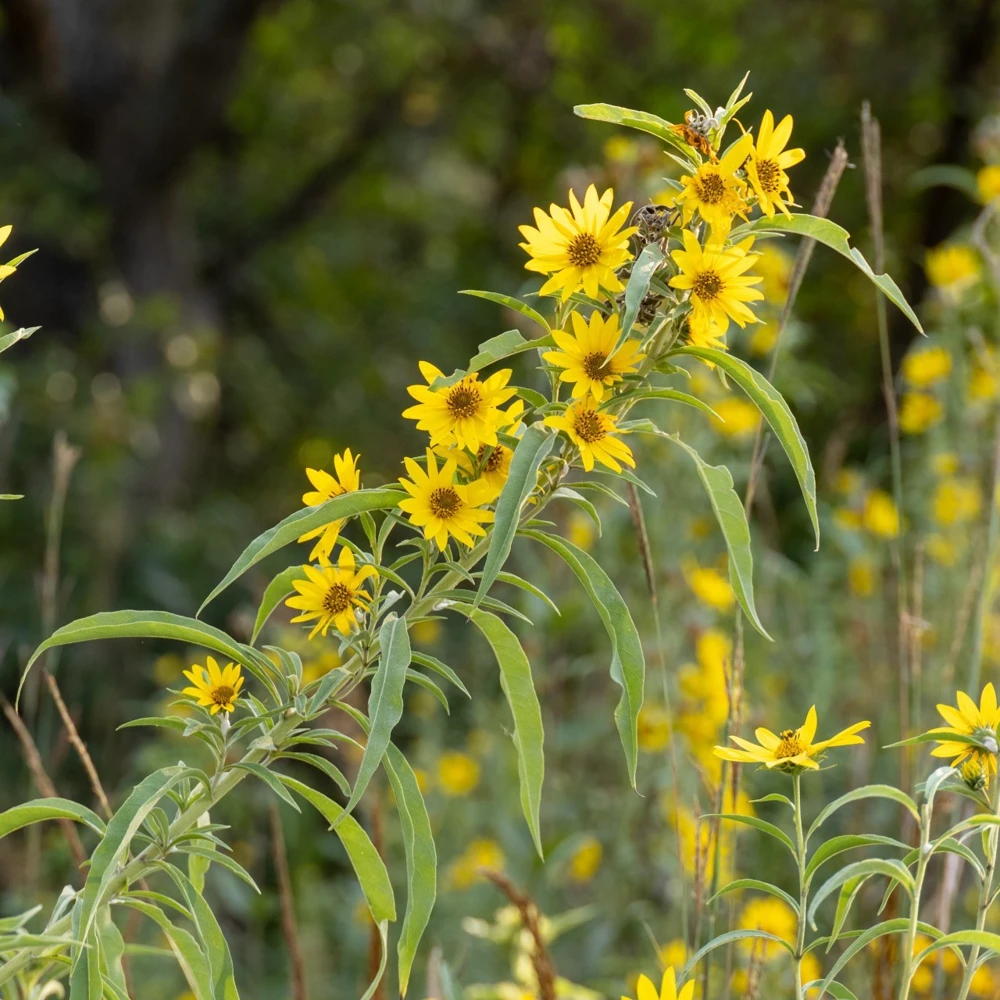
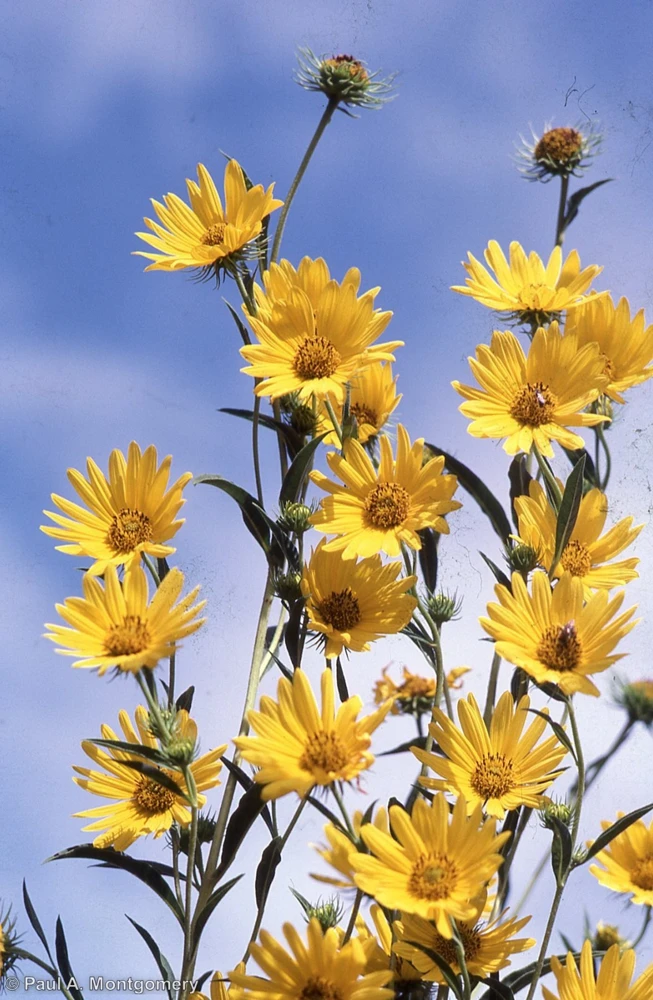
Maximilian Sunflower Seeds – Perennial Yellow Blooms – Outdoor
From 10.77 $
Cultivate stunning Maximilian Sunflower seeds in your garden. These robust perennials produce tall stalks adorned with vibrant yellow blooms, perfect for attracting pollinators and adding late-season color to outdoor landscapes. Enjoy easy-to-grow, drought-tolerant beauty.
Estimated arrival
Sep 18
Sep 23 - Sep 25
Sep 25 - Sep 30
See our Shipping Policy.
Get in touch with us via email, and our team will review your concerns.
Our Alive & Thrive Guarantee covers issues with your plants within the first 30 days. Read our Refund & Returns Policy.
-
USDA Hardiness Zone
Zones 2-10 -
Soil Type
Well-Drained, Sandy or Sandy Loam -
Sunlight Exposure
Full Sun -
Expected Planting Period
Spring
Overview
Introduce a touch of wild elegance to your garden with Maximilian Sunflower seeds. These hardy perennial seeds grow into magnificent plants, scientifically known as Helianthus maximiliani, offering a spectacular display of bright yellow flowers from late summer into fall. Often referred to as the Michaelmas Daisy or Narrow-Leaf Sunflower, this native North American species is celebrated for its towering presence and abundant blooms. Unlike common annual sunflowers, the Maximilian Sunflower returns year after year, establishing a robust and beautiful presence in your landscape. It’s an excellent choice for creating naturalized areas, pollinator gardens, or as a striking backdrop in perennial borders, providing a vital food source for bees and butterflies.
Cultivating these seeds allows you to enjoy the full life cycle of this remarkable plant, from germination to its impressive mature height. The Maximilian Sunflower is known for its resilience and adaptability, thriving in various conditions once established. Its cheerful yellow flowers bring warmth and vibrancy to any outdoor setting, making it a favorite among gardeners seeking both beauty and ecological benefits. Whether you’re an experienced gardener or just starting, growing Maximilian Sunflower seeds is a rewarding endeavor that promises a stunning floral show.
Key Benefits
Growing Maximilian Sunflower seeds offers numerous advantages for your garden and local ecosystem. These resilient plants provide long-lasting beauty and contribute significantly to biodiversity.
- Spectacular Late-Season Blooms: Enjoy a profusion of bright yellow flowers from late summer through fall, extending your garden’s blooming season when many other plants are fading. These vibrant blossoms are a true garden highlight.
- Attracts Pollinators: The abundant nectar and pollen of the Maximilian Sunflower are a magnet for bees, butterflies, and other beneficial insects, making it an excellent choice for supporting local pollinator populations and enhancing garden health.
- Drought Tolerant & Low Maintenance: Once established, these perennial sunflowers are remarkably drought-tolerant and require minimal care, making them ideal for gardeners seeking beautiful plants without extensive upkeep.
- Tall & Striking Presence: With their impressive height, these sunflowers create a dramatic vertical element in the garden, perfect for backgrounds, screening, or adding architectural interest to your landscape design.
- Perennial Growth Habit: As a perennial, the Maximilian Sunflower returns year after year from its rootstock, saving you the effort of replanting annually and allowing it to establish a stronger, more impressive presence over time.
- Wildlife Habitat: Beyond pollinators, the seeds provide a valuable food source for birds in the fall and winter, contributing to a thriving garden ecosystem.
- Adaptable to Various Soils: These sunflowers are quite tolerant of different soil types, as long as they are well-drained, making them versatile for many garden settings.
Plant Care & Growing Tips
Successfully growing Maximilian Sunflower seeds involves understanding their basic needs for optimal growth and flowering. These plants are relatively easy to cultivate, making them suitable for gardeners of all experience levels. For best results, plant seeds directly outdoors after the last frost, as they do not transplant well once established. Choose a location that receives full sun, meaning at least 6-8 hours of direct sunlight daily, to ensure vigorous growth and abundant blooms. While they can tolerate partial sun, flowering will be less prolific. The Maximilian Sunflower thrives in well-drained soil, including sandy or sandy loam varieties, with a pH range of 6.0 to 7.5. Good drainage is crucial to prevent root rot.
Watering requirements for Maximilian Sunflower seeds are moderate. While establishing, keep the soil consistently moist but not waterlogged. Once mature, these plants are quite drought-tolerant and can withstand drier conditions, making them a good choice for xeriscaping or areas with infrequent irrigation. Fertilization is generally not necessary in rich soils, but if your soil is poor, a balanced, slow-release fertilizer can be applied in spring. Deadheading spent blooms can encourage more flowering, though leaving some seed heads on for birds is beneficial. The USDA Hardiness Zone for these sunflowers is 2-10, indicating their wide adaptability to various climates. They are easy to grow and generally resistant to pests and diseases, ensuring a rewarding gardening experience with these beautiful perennial sunflower plants.
Size & Details
These Maximilian Sunflower seeds will grow into robust perennial plants, typically reaching heights of 5 to 10 feet, though some can grow even taller under ideal conditions. They form clumps that can spread 2 to 3 feet wide, creating a substantial presence in the garden. The growth habit is flowering and blooming, producing numerous bright yellow flowers along their tall stems, particularly in the fall. These plants are outdoor specimens, perfect for naturalizing or adding height to garden borders. The seeds are suitable for planting in a wide range of climates, specifically USDA Hardiness Zones 2-10. With an easy cultivating difficulty, gardeners can expect to see these plants establish well and produce their characteristic late-season yellow blooms. The life cycle of the Helianthus maximiliani seeds is perennial, meaning they will return each year from their established root system, offering long-term beauty.
Frequently Asked Questions
- Q: How tall does the Maximilian Sunflower get? A: The Maximilian Sunflower typically grows quite tall, reaching heights of 5 to 10 feet, and sometimes even taller in optimal conditions, making it a dramatic addition to the garden.
- Q: Is this an indoor or outdoor plant? A: The Maximilian Sunflower is an outdoor plant, thriving in full sun and providing a spectacular display in garden beds, borders, and naturalized areas.
- Q: How much sunlight does it need? A: This plant requires full sun, meaning at least 6-8 hours of direct sunlight per day, to ensure vigorous growth and an abundance of its characteristic yellow blooms.
- Q: Is this plant easy to care for? A: Yes, the Maximilian Sunflower is known for its easy cultivating difficulty. Once established, it is quite low-maintenance and drought-tolerant.
- Q: When is the best time to plant Maximilian Sunflower seeds? A: It’s best to plant Maximilian Sunflower seeds directly outdoors after the last danger of frost in your region, typically in spring.
- Q: What USDA Hardiness Zones is this perennial sunflower suitable for? A: This perennial sunflower is very hardy and suitable for USDA Hardiness Zones 2 through 10, demonstrating its adaptability to a wide range of climates.
- Q: What type of soil does the Helianthus maximiliani prefer? A: Helianthus maximiliani thrives in well-drained soils, including sandy or sandy loam, with a pH between 6.0 and 7.5. Good drainage is key.
- Q: Will these tall sunflower plants attract pollinators? A: Absolutely! The vibrant yellow flowers of the tall sunflower are highly attractive to various pollinators, including bees and butterflies, making them excellent for supporting local ecosystems.
- Q: Do I need to re-plant these seeds every year? A: No, the Maximilian Sunflower is a perennial, meaning once planted, it will return year after year from its established root system without needing to be replanted annually.
- Q: What kind of features do these plants offer? A: These plants are known for their late-season yellow blooms, tall growth habit, and ability to attract wildlife, making them a beautiful and beneficial addition to any garden.
| Seed Amount | 10K Seeds Or 1 Oz, 1250 Seeds Or 1/8 Oz, 180 Seeds Or 1/2 Gram, 20K Seeds Or 2 Oz, 2500 Seeds Or 1/4 Oz, 360 Seeds Or 1 Gram, 40K Seeds Or 1/4 Lb, 80K Seeds Or 1/2 Lb, 90 Seeds Or 1/4 Gram |
|---|
Be the first to review “Maximilian Sunflower Seeds – Perennial Yellow Blooms – Outdoor”
Related products


You May Like
5 Best Bulbs for Fall Planting: Brighten Your Garden This Spring
Are you dreaming of a garden full of vibrant colors in the spring? The key [...]
Aug
How to Repot Houseplants Like a Pro
Do your houseplants look like they’ve outgrown their pots? Are their roots popping out of [...]
Aug
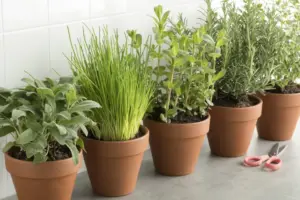
10 Houseplants That Will Thrive in Your Kitchen
Are you tired of your kitchen feeling dull and lifeless? Want to add a little [...]
Aug
Reviews
There are no reviews yet.