
Mibuna Chinese Cabbage Seeds – Easy Grow Asian Green Vegetable Seeds
From 10.77 $
Cultivate your own fresh Mibuna Chinese Cabbage seeds, an ideal choice for home gardeners. These easy-to-grow Asian greens are perfect for salads, stir-fries, and traditional Asian cuisine. Enjoy a continuous harvest from spring through fall.
Estimated arrival
Sep 19
Sep 24 - Sep 26
Sep 26 - Oct 01
See our Shipping Policy.
Get in touch with us via email, and our team will review your concerns.
Our Alive & Thrive Guarantee covers issues with your plants within the first 30 days. Read our Refund & Returns Policy.
-
USDA Hardiness Zone
Zones 3-12 -
Soil Type
Loam soil, well-draining -
Sunlight Exposure
Full Sun -
Expected Planting Period
Fall, Spring, Summer, Winter (in suitable climates or indoors)
Overview
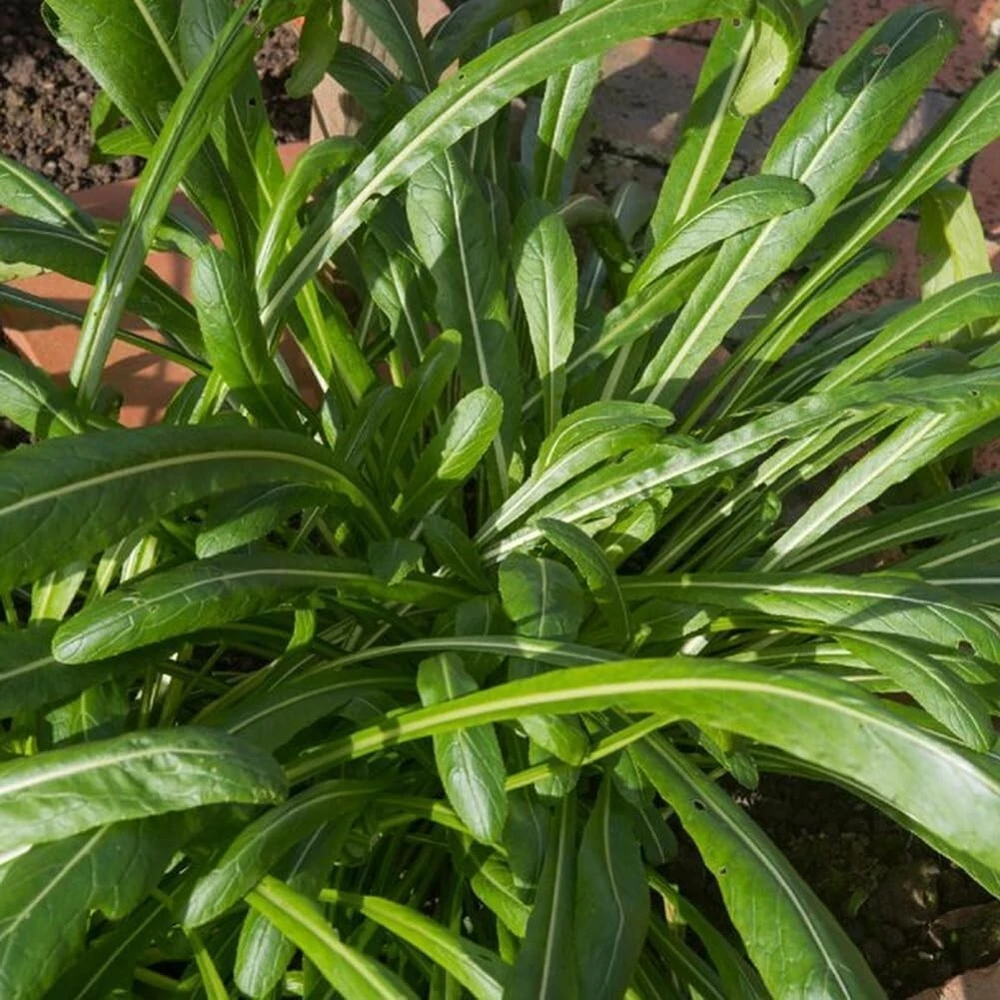
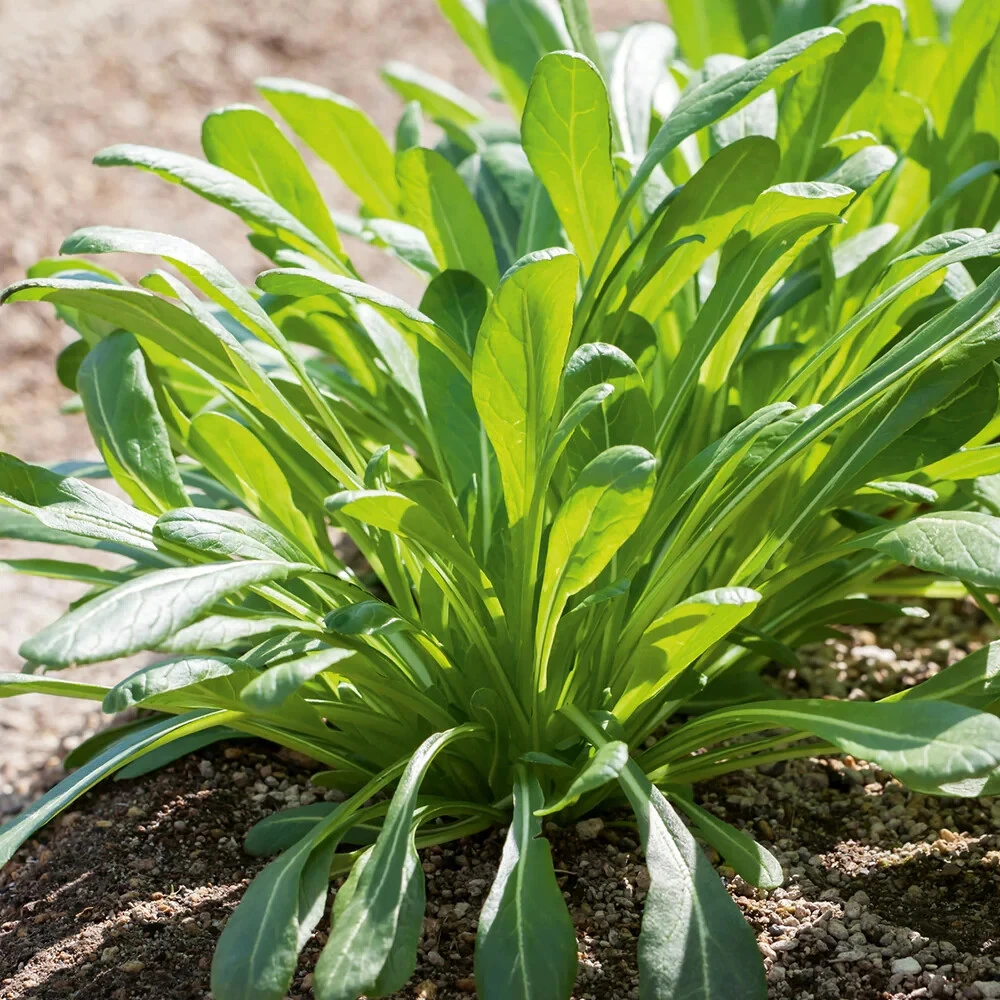
Discover the joy of growing your own nutritious vegetables with our premium Mibuna Chinese Cabbage seeds. Mibuna, a variety of Brassica rapa, is a fast-growing, leafy green that is a staple in many Asian cuisines. Often referred to as Japanese mustard greens, it offers a distinct, peppery flavor that is milder than traditional mustard greens, making it incredibly versatile. These seeds allow you to cultivate a bountiful harvest of crisp, tender leaves, perfect for adding a fresh, zesty kick to your meals. Whether you’re an experienced gardener or just starting, growing Mibuna Chinese Cabbage seeds is a rewarding experience, providing fresh, organic produce right from your garden.
This product includes high-quality seeds, not a live plant, giving you the flexibility to sow them according to your preferred growing schedule. Mibuna is known for its slender, dark green leaves and thin stems, forming an attractive mat-forming growth habit. It’s an excellent choice for both indoor and outdoor cultivation, thriving in a variety of climates from cold to tropical. With its easy cultivating difficulty, you’ll be enjoying fresh, homegrown Mibuna in no time.
Key Benefits
Growing Mibuna Chinese Cabbage seeds offers numerous advantages for the home gardener and culinary enthusiast alike. From its ease of cultivation to its delicious flavor, this Asian green is a fantastic addition to any garden.
- Nutrient-Rich Greens: Mibuna is packed with vitamins and minerals, contributing to a healthy diet. Enjoy fresh, homegrown greens that are more nutritious than store-bought varieties.
- Versatile Culinary Use: The mild, peppery flavor of Mibuna makes it perfect for a wide range of dishes, including salads, stir-fries, soups, and pickling. It’s an essential ingredient for authentic Asian cuisine.
- Easy to Grow: Rated as having easy cultivating difficulty, these Mibuna Chinese Cabbage seeds are suitable for gardeners of all skill levels. They germinate quickly and grow vigorously, ensuring a successful harvest.
- Fast Maturing: Enjoy fresh leaves in a relatively short period after planting, allowing for multiple harvests throughout the growing season. This quick turnaround makes it a satisfying crop to cultivate.
- Adaptable to Various Climates: Mibuna thrives in a wide range of climates, from cold to sub-tropical and tropical, making it a reliable choice for many regions across the United States.
- Continuous Harvest: With its cut-and-come-again nature, you can harvest outer leaves regularly, promoting new growth and extending your harvesting period. This ensures a steady supply of fresh greens.
- Indoor & Outdoor Cultivation: These seeds are suitable for both indoor and outdoor growing, offering flexibility whether you have a large garden plot or just a windowsill. Learn how to grow Mibuna Chinese Cabbage in your preferred environment.
Plant Care & Growing Tips
Successfully growing Mibuna Chinese Cabbage seeds requires attention to a few key environmental factors to ensure a healthy and abundant harvest. Mibuna prefers full sun, ideally receiving at least 6 hours of direct sunlight per day. If growing indoors, place it in a south-facing window or under grow lights to ensure adequate light exposure. This plant is an annual, completing its life cycle within one growing season, but successive plantings can provide a continuous harvest.
Soil type is crucial for Mibuna. It thrives in loam soil with a pH between 6.1 and 7.8, indicating a slightly acidic to neutral preference. Ensure the soil is well-draining yet consistently moist. When it comes to watering, Mibuna requires heavy watering, especially during dry spells, to prevent bolting (going to seed prematurely) and to keep the leaves tender. However, avoid waterlogging, as this can lead to root rot. The plant is quite hardy, tolerating USDA Hardiness Zones 3-12, making it adaptable to most regions in the US. For optimal growth, consider amending your soil with organic compost before planting to provide essential nutrients and improve soil structure. Understanding how to best grow Mibuna Chinese Cabbage in your specific conditions will lead to the best results.
Mibuna is a relatively low-maintenance crop, but it benefits from consistent care. Fertilize lightly with a balanced, organic fertilizer every few weeks, particularly if you are harvesting regularly. Watch out for common garden pests like aphids and cabbage worms; organic pest control methods can be effective. Planting in the fall, spring, summer, or winter (in warmer climates or indoors) will yield excellent results. These Asian vegetable seeds are known for their resilience and ease of cultivation, making them a gardener’s delight. For those interested in expanding their garden, exploring other Chinese greens seeds can provide a diverse range of flavors and textures.
Size & Details
This product consists of Mibuna Chinese Cabbage seeds, providing you with the foundation to grow your own fresh greens. The seeds will produce plants with a mat-forming growth habit, typically reaching a height of 12-18 inches with a similar spread. The leaves are slender and dark green, perfect for harvesting at various stages of growth for different culinary uses. Mibuna is an annual plant, meaning it completes its life cycle within one season, but its rapid growth allows for multiple harvests from a single planting. Expect to begin harvesting tender leaves approximately 20-30 days after germination for baby greens, and 40-50 days for mature leaves. These Brassica rapa seeds are carefully selected to ensure high germination rates and vigorous plant growth. Each packet provides enough seeds for a generous crop, allowing you to enjoy fresh Mibuna throughout its season of interest, which spans fall, spring, summer, and even winter in suitable climates or indoor setups.
Frequently Asked Questions
- Q: How big does this plant get? A: Mibuna Chinese Cabbage plants typically grow to about 12-18 inches tall and wide, forming a mat-like growth habit. The slender leaves can be harvested at various sizes, from baby greens to more mature leaves.
- Q: Is this an indoor or outdoor plant? A: Mibuna is versatile and can be grown both indoors and outdoors. For outdoor cultivation, ensure it receives full sun. Indoors, place it in a sunny window or under grow lights.
- Q: How much sunlight does it need? A: This plant thrives in full sun, requiring at least 6 hours of direct sunlight per day for optimal growth and flavor. Insufficient light can lead to leggy growth and reduced yields.
- Q: Is this plant easy to care for? A: Yes, Mibuna Chinese Cabbage seeds are considered easy to cultivate, making them an excellent choice for beginner gardeners. They are fast-growing and relatively low-maintenance, provided they receive adequate water and sunlight.
- Q: What condition will it arrive in? A: This product consists of seeds, which will arrive in a protective packet ready for planting. You will be able to start your own plants from scratch.
- Q: Can I use Mibuna in cooking? A: Absolutely! Mibuna is highly prized in Asian cuisine for its mild, peppery flavor. It’s excellent in stir-fries, salads, soups, and as a steamed or sautéed green. It’s a key ingredient if you want to grow Mibuna Chinese Cabbage for culinary purposes.
- Q: How long until I can harvest? A: You can typically start harvesting baby Mibuna Chinese Cabbage leaves in as little as 20-30 days after germination, and mature leaves can be harvested in 40-50 days.
- Q: When is the best time to plant? A: Mibuna can be planted in the fall, spring, or summer. In warmer climates or indoors, it can even be grown in winter. Successive plantings every few weeks will ensure a continuous harvest.
- Q: Will it survive winter in my zone? A: Mibuna is hardy in USDA Zones 3-12. In colder zones (3-8), it’s typically grown as a spring or fall crop. In warmer zones, it can often be grown through mild winters. Protecting it from hard freezes is recommended.
- Q: What type of soil is best for these Asian vegetable seeds? A: Loamy soil with a pH between 6.1 and 7.8 is ideal. It prefers well-draining soil that retains consistent moisture. Amending with compost can further improve soil quality.
| Seed Amount | 1125 Seeds Or 1/8 Oz, 144K Seeds Or 1 Lb, 18K Seeds Or 2 Oz, 2250 Seeds Or 1/4 Oz, 250 Seeds, 36K Seeds Or 1/4 Lb, 500 Seeds, 72K Seeds Or 1/2 Lb, 9000 Seeds Or 1 Oz |
|---|
Be the first to review “Mibuna Chinese Cabbage Seeds – Easy Grow Asian Green Vegetable Seeds”
Related products


Vegetable Seeds
Hanover Salad Kale Seeds – 1000 Smooth Siberian Vegetable Seeds


Vegetable Seeds
Yellow Cheese Pimento Pepper Seeds – 50 Count – Sweet & Mild
You May Like
5 Best Bulbs for Fall Planting: Brighten Your Garden This Spring
Are you dreaming of a garden full of vibrant colors in the spring? The key [...]
Aug
How to Repot Houseplants Like a Pro
Do your houseplants look like they’ve outgrown their pots? Are their roots popping out of [...]
Aug
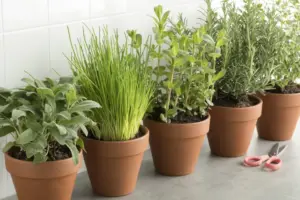
10 Houseplants That Will Thrive in Your Kitchen
Are you tired of your kitchen feeling dull and lifeless? Want to add a little [...]
Aug
Reviews
There are no reviews yet.