


Milkweed Blood Flower Seeds – 50 Count – Vibrant Red & Yellow Blooms
Original price was: 32.99 $.12.99 $Current price is: 12.99 $.
Cultivate stunning beauty with milkweed blood flower seeds, perfect for attracting butterflies and hummingbirds. These asclepias curassavica seeds produce vibrant red and yellow blooms, adding a bold focal point to any garden or pollinator habitat. Easy to grow and low-maintenance.
Estimated arrival
Sep 19
Sep 24 - Sep 26
Sep 26 - Oct 01
See our Shipping Policy.
Get in touch with us via email, and our team will review your concerns.
Our Alive & Thrive Guarantee covers issues with your plants within the first 30 days. Read our Refund & Returns Policy.
-
USDA Hardiness Zone
Annual in most regions, perennial in USDA zones 9-11 -
Soil Type
Well-draining soil -
Sunlight Exposure
Full sun -
Expected Planting Period
Spring to early summer
Overview
Transform your garden into a haven for pollinators with our premium milkweed blood flower seeds. Also known as Bloodflower Milkweed or Asclepias curassavica, these remarkable seeds grow into striking annuals or short-lived perennials, celebrated for their dense clusters of deep red flowers with captivating yellow or orange centers. Each plant develops robust, upright green stems adorned with multiple vibrant flower clusters, guaranteeing an eye-catching display in garden beds, borders, and dedicated pollinator landscapes. These nectar-rich blooms are a magnet for butterflies, bees, and hummingbirds, making them an essential addition for wildlife gardens and breathtaking floral arrangements. Our milkweed blood flower seeds offer an opportunity to cultivate a dynamic and ecologically beneficial garden space.
The beauty of asclepias curassavica seeds lies not only in their aesthetic appeal but also in their vital role in supporting local ecosystems. Providing essential nectar for various beneficial insects, these plants contribute significantly to biodiversity. Whether you are an experienced gardener or just starting, growing bloodflower milkweed from seed is a rewarding experience that yields spectacular results and fosters a thriving natural environment.
Key Benefits
Planting milkweed blood flower seeds offers a multitude of advantages, enhancing both the beauty and ecological value of your outdoor space. These vibrant plants are a joy to behold and a boon for local wildlife.
- Attracts Pollinators: The nectar-rich flowers are irresistible to a wide array of pollinators, including monarch butterflies, other butterfly species, bees, and hummingbirds, fostering a lively garden ecosystem.
- Vibrant Garden Accent: With their bold red and yellow blooms, these flowers create a dramatic and colorful focal point, perfect for adding visual interest to borders, beds, and containers.
- Easy to Grow: These red milkweed seeds are relatively low-maintenance once established, thriving in full sun and well-drained soil, making them suitable for gardeners of all experience levels.
- Long Blooming Season: Enjoy continuous blooms throughout the growing season, especially when spent flowers are regularly deadheaded, ensuring prolonged color and pollinator activity.
- Drought Tolerant: Once mature, Milkweed Blood Flower plants exhibit good drought tolerance, reducing the need for frequent watering and making them a sustainable choice for many climates.
- Supports Wildlife: Beyond nectar, Milkweed Blood Flower serves as a host plant for monarch butterfly caterpillars, playing a crucial role in their life cycle and conservation efforts.
- Versatile Landscaping: Ideal for wildflower gardens, naturalized areas, pollinator habitats, and vibrant garden borders, these plants adapt well to various landscape designs.
Plant Care & Growing Tips
Growing milkweed blood flower seeds successfully involves a few straightforward steps, ensuring healthy plants and abundant blooms. These plants prefer warm conditions and plenty of light. For optimal germination, soak asclepias curassavica seeds in warm water for 24 hours prior to planting. Sow seeds indoors 4–6 weeks before the last expected frost date in your area, or directly outdoors once all danger of frost has passed. Plant seeds 1/4–1/2 inch deep in well-drained soil, ensuring they receive full sun exposure for at least 6-8 hours daily. Germination typically occurs within 10–14 days. Once seedlings are established, thin them to provide adequate space for healthy growth and strong stem development, preventing overcrowding.
Bloodflower milkweed thrives in full sun and moderately fertile, well-drained soil. Consistent watering is crucial during the establishment phase of young plants. Once mature, reduce watering frequency as these plants are relatively drought-tolerant. Deadheading spent flowers is highly recommended to encourage continuous blooming throughout the season and maintain a tidy appearance. Alternatively, you can allow some flowers to set seed if you wish for natural reseeding. These plants generally adapt well to various soil types but perform best when drainage is good. Fertilization is usually not heavily required; a balanced, slow-release fertilizer can be applied once in early spring if your soil is poor. Monitor for common garden pests, though red milkweed seeds typically grow into robust plants with good natural resistance.
Size & Details
This offering includes a packet of 50 high-quality milkweed blood flower seeds, providing ample opportunity to establish a beautiful and beneficial patch in your garden. Each seed has the potential to grow into a striking plant, typically reaching heights of 2-3 feet (60-90 cm) with a similar spread, creating a bushy and upright form. The plants are annuals in colder climates but can behave as short-lived perennials in warmer USDA zones (typically 9-11). Blooms are prolific, with dense clusters of vibrant red and yellow flowers appearing from summer through fall, depending on planting time and climate. When grown from pollinator friendly seeds, you can expect the first blooms within the first growing season, generally 2-3 months after planting, provided optimal growing conditions.
The seeds are carefully packaged to ensure viability upon arrival, ready for your planting efforts. These asclepias curassavica seeds are ideal for creating impactful mass plantings or integrating into mixed perennial borders. The robust nature of the plants makes them an excellent choice for attracting pollinators and supporting biodiversity without requiring constant attention, making them truly pollinator friendly seeds.
Frequently Asked Questions
- Q: How many milkweed blood flower seeds are included in this packet? A: This packet contains 50 high-quality milkweed blood flower seeds, providing a generous quantity for starting your garden project and ensuring a good bloom display.
- Q: What is the best time to plant these asclepias curassavica seeds? A: For best results, sow asclepias curassavica seeds indoors 4-6 weeks before the last frost, or directly outdoors after all danger of frost has passed in your region.
- Q: How tall do Bloodflower Milkweed plants typically grow? A: Bloodflower milkweed plants generally grow to an average height of 2-3 feet (60-90 cm) with a similar spread, creating a bushy and upright appearance in the garden.
- Q: Do these red milkweed seeds require full sun? A: Yes, for optimal growth and abundant flowering, red milkweed seeds should be planted in a location that receives full sun, meaning at least 6-8 hours of direct sunlight per day.
- Q: Are these pollinator friendly seeds? A: Absolutely! These are highly pollinator friendly seeds, producing flowers that are a significant nectar source for butterflies, bees, and hummingbirds, and serve as a host plant for monarch caterpillars.
- Q: How long does it take for these seeds to germinate? A: Germination for these seeds typically occurs within 10-14 days, especially if seeds are pre-soaked in warm water for 24 hours prior to planting.
- Q: What kind of soil is best for growing Milkweed Blood Flower? A: Milkweed blood flower seeds thrive in well-drained soil that is moderately fertile. Good drainage is crucial to prevent root rot.
- Q: Will these plants survive in cold climates? A: Milkweed Blood Flower is generally grown as an annual in colder climates, but it can act as a short-lived perennial in warmer USDA zones, typically 9-11.
- Q: Do I need to deadhead the flowers? A: Deadheading spent flowers will encourage a longer blooming season and prevent the plant from self-seeding excessively, though allowing some to set seed is good for natural reseeding.
- Q: Are these plants drought tolerant? A: Once established, Milkweed Blood Flower plants show good drought tolerance, making them a relatively low-maintenance option for water-wise gardens.
Be the first to review “Milkweed Blood Flower Seeds – 50 Count – Vibrant Red & Yellow Blooms”
Related products


You May Like
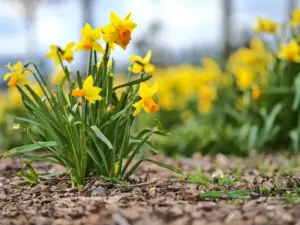
5 Best Bulbs for Fall Planting: Brighten Your Garden This Spring
Are you dreaming of a garden full of vibrant colors in the spring? The key [...]
Aug
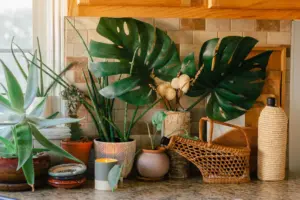
How to Repot Houseplants Like a Pro
Do your houseplants look like they’ve outgrown their pots? Are their roots popping out of [...]
Aug

10 Houseplants That Will Thrive in Your Kitchen
Are you tired of your kitchen feeling dull and lifeless? Want to add a little [...]
Aug
Reviews
There are no reviews yet.