


Narrow-Leaved Milkweed Seeds – 25 Asclepias fascicularis US Native Wildflower Seeds
Original price was: 32.99 $.12.99 $Current price is: 12.99 $.
Cultivate a vibrant habitat with Narrow-Leaved Milkweed seeds. Each packet contains 25 seeds of Asclepias fascicularis, a vital US native wildflower. Perfect for attracting monarch butterflies and supporting local pollinator populations in your garden.
Estimated arrival
Sep 19
Sep 24 - Sep 26
Sep 26 - Oct 01
See our Shipping Policy.
Get in touch with us via email, and our team will review your concerns.
Our Alive & Thrive Guarantee covers issues with your plants within the first 30 days. Read our Refund & Returns Policy.
-
USDA Hardiness Zone
USDA zones 6-10 -
Soil Type
Well-draining soil -
Sunlight Exposure
Full sun -
Expected Planting Period
Spring (after stratification) or late fall/early winter (direct sow)
Overview
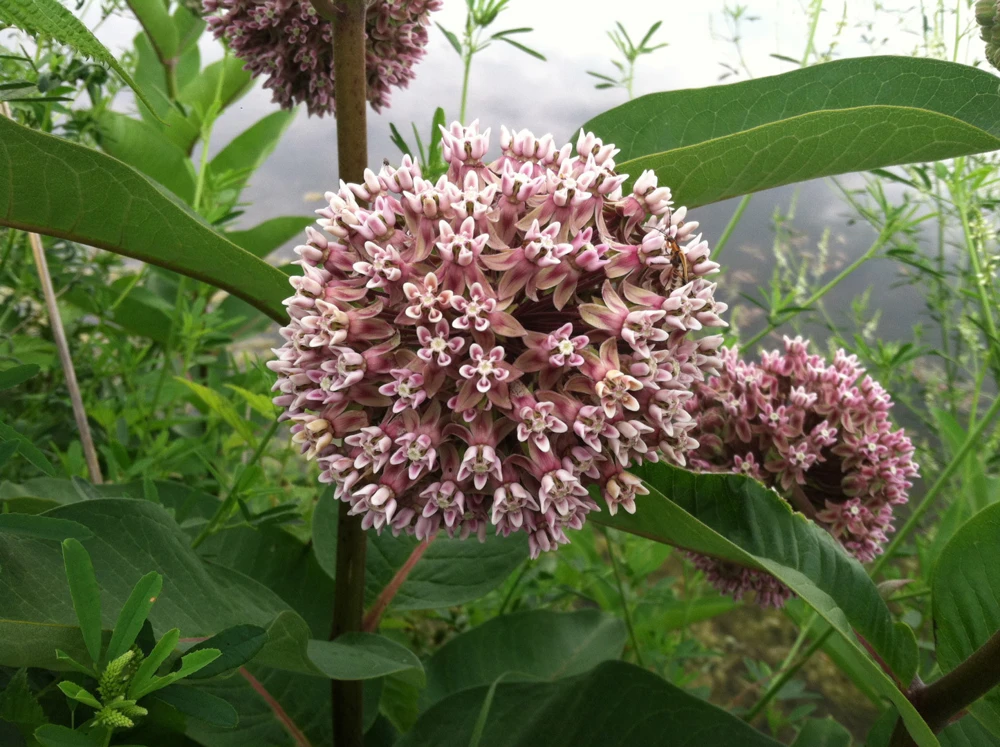
Transform your garden into a beacon for pollinators with our premium Narrow-Leaved Milkweed seeds. Each packet contains 25 high-quality seeds of Asclepias fascicularis, a beautiful and ecologically significant US native wildflower. Known for its slender leaves and clusters of delicate, pale pink to white flowers, Narrow-Leaved Milkweed is an indispensable host plant for monarch butterfly caterpillars, making it a cornerstone for any pollinator-friendly landscape. Beyond its critical role in the monarch life cycle, this resilient plant adds natural beauty and supports a wide array of beneficial insects, contributing to a healthier and more vibrant ecosystem in your own backyard.
Growing Narrow-Leaved Milkweed from seeds allows you to experience the full life cycle of this remarkable plant, from germination to flowering. It’s a rewarding project for gardeners of all skill levels who are passionate about conservation and enhancing biodiversity. These seeds are specifically chosen for their viability and genetic integrity, ensuring you receive a robust start for your native plant garden. Embrace the opportunity to make a tangible difference for monarchs and other pollinators by introducing this essential native species.
Key Benefits
Our Narrow-Leaved Milkweed seeds offer numerous advantages for both your garden and the environment, ensuring a thriving and ecologically rich space:
-
Essential Monarch Host Plant:Asclepias fascicularis is the primary food source for monarch butterfly caterpillars. By planting these milkweed for pollinators, you directly contribute to the survival and population recovery of this iconic species, providing a safe and nutritious environment for their development.
-
Attracts Diverse Pollinators: Beyond monarchs, the nectar-rich flowers of Narrow-Leaved Milkweed attract a wide variety of beneficial insects, including other butterflies, bees, and hummingbirds. This increases pollination in your garden and supports local biodiversity.
-
Drought-Tolerant and Low Maintenance: Once established, this US native wildflower is remarkably resilient. It tolerates dry conditions and requires minimal care, making it an ideal choice for sustainable gardening and water-wise landscapes.
-
Native Ecosystem Support: As a native species, Asclepias fascicularis is perfectly adapted to local climates and soils, contributing to the health and balance of indigenous plant communities. This helps restore natural habitats and supports a robust local food web.
-
Educational Value: Growing Narrow-Leaved Milkweed seeds provides an excellent educational opportunity for families, schools, and communities to observe the fascinating life cycle of monarch butterflies up close, fostering a deeper connection to nature.
-
Aesthetic Appeal: With its delicate foliage and clusters of star-shaped flowers, Narrow-Leaved Milkweed adds a subtle yet charming beauty to perennial borders, native plant gardens, and naturalized areas, blending seamlessly with other native flora.
Plant Care & Growing Tips
Growing Narrow-Leaved Milkweed from seeds is a rewarding process that requires a few key steps to ensure successful germination and establishment. These native wildflower seeds typically benefit from a period of cold stratification to break dormancy. You can achieve this by placing the seeds in a moist medium (like sand or peat moss) in a sealed bag in your refrigerator for 30-60 days before planting. Alternatively, you can sow them directly outdoors in late fall or early winter, allowing nature to provide the necessary cold period.
Once ready, plant the seeds about 1/4 inch deep in well-draining soil. Narrow-Leaved Milkweed thrives in full sun, meaning at least 6-8 hours of direct sunlight per day. While it tolerates a variety of soil types, including sandy, loamy, or clay soils, excellent drainage is crucial to prevent root rot. Water regularly after planting to keep the soil consistently moist until seedlings are established. Once mature, Asclepias fascicularis is quite drought-tolerant and will only need supplemental watering during prolonged dry spells.
This resilient plant generally requires minimal fertilization, especially in healthy garden soil. Avoid over-fertilizing, which can lead to excessive foliage growth at the expense of flowers. Narrow-Leaved Milkweed is hardy in USDA zones 6-10 and can withstand a range of temperatures. Watch out for common pests like aphids, which can be managed with a strong spray of water or insecticidal soap. Providing a healthy environment with plenty of sunlight and good air circulation will help your monarch butterfly plant thrive and successfully support its vital role in the ecosystem.
Size & Details
Our offering includes 25 premium Narrow-Leaved Milkweed seeds (Asclepias fascicularis), carefully selected for viability. This perennial US native wildflower typically grows to a height of 2-4 feet (60-120 cm) and spreads about 1-2 feet wide, forming attractive clumps. The slender, linear leaves give it its common name, while the flower clusters, appearing from late spring through fall, are a delicate mix of pale pink, lavender, and white. These seeds are shipped in a protective packet, ensuring their integrity upon arrival.
With proper care, you can expect germination within 10-30 days after stratification, with plants reaching maturity and beginning to flower in their second year. The robust root system of Asclepias fascicularis seeds allows it to establish quickly and become a long-lasting addition to your native garden. It’s an excellent choice for naturalized areas, pollinator gardens, and xeriscaping projects, providing continuous support for monarch butterflies and other pollinators throughout the growing season.
Frequently Asked Questions
-
Q: How many seeds are included in this packet? A: This packet contains 25 high-quality Narrow-Leaved Milkweed seeds (Asclepias fascicularis) for your garden.
-
Q: Is cold stratification necessary for these seeds? A: Yes, Asclepias fascicularis seeds generally require a cold stratification period of 30-60 days to improve germination rates. This can be done indoors in a refrigerator or by direct sowing outdoors in late fall/early winter.
-
Q: What are the sunlight requirements for Narrow-Leaved Milkweed? A: This US native wildflower thrives in full sun, needing at least 6-8 hours of direct sunlight daily to grow best and produce abundant flowers.
-
Q: How tall does this plant typically grow? A: Narrow-Leaved Milkweed usually reaches a mature height of 2-4 feet (60-120 cm) and has a spread of 1-2 feet.
-
Q: Is this plant good for monarch butterflies? A: Absolutely! Asclepias fascicularis is a crucial host plant for monarch butterfly caterpillars, providing the only food source they can eat to grow and develop.
-
Q: What kind of soil does it prefer? A: It prefers well-draining soil and can tolerate various types including sandy, loamy, and clay soils, as long as there is good drainage.
-
Q: When is the best time to plant Narrow-Leaved Milkweed seeds? A: For stratified seeds, plant in spring after the last frost. For direct sowing without prior stratification, plant in late fall or early winter.
-
Q: Is Narrow-Leaved Milkweed drought-tolerant? A: Yes, once established, Asclepias fascicularis is quite drought-tolerant and requires minimal watering, making it suitable for xeriscaping.
-
Q: What USDA hardiness zones is this plant suitable for? A: This monarch butterfly plant is generally hardy in USDA zones 6-10.
-
Q: Will these seeds attract other pollinators besides monarchs? A: Yes, the flowers of milkweed for pollinators attract a wide range of beneficial insects, including various bee species, other butterflies, and hummingbirds.
Be the first to review “Narrow-Leaved Milkweed Seeds – 25 Asclepias fascicularis US Native Wildflower Seeds”
Related products


You May Like

5 Best Bulbs for Fall Planting: Brighten Your Garden This Spring
Are you dreaming of a garden full of vibrant colors in the spring? The key [...]
Aug

How to Repot Houseplants Like a Pro
Do your houseplants look like they’ve outgrown their pots? Are their roots popping out of [...]
Aug
10 Houseplants That Will Thrive in Your Kitchen
Are you tired of your kitchen feeling dull and lifeless? Want to add a little [...]
Aug
Reviews
There are no reviews yet.