
National Pickling Cucumber Seeds – Easy Grow Gherkins for Pickling – Outdoor Annual
From 10.77 $
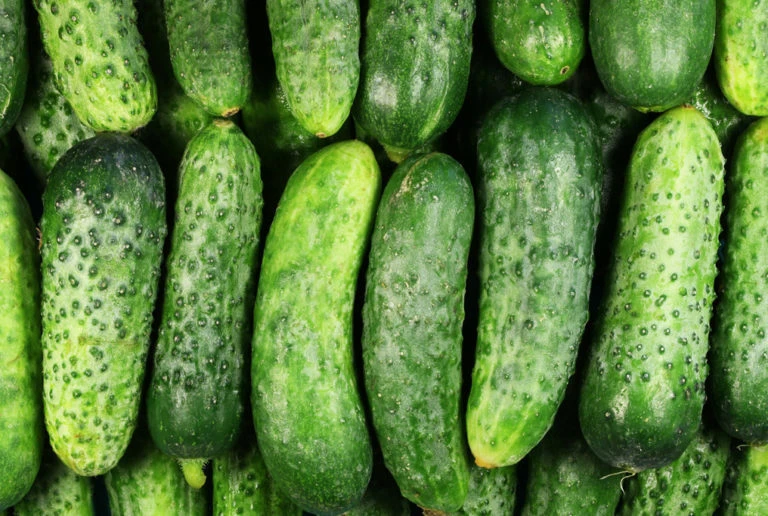
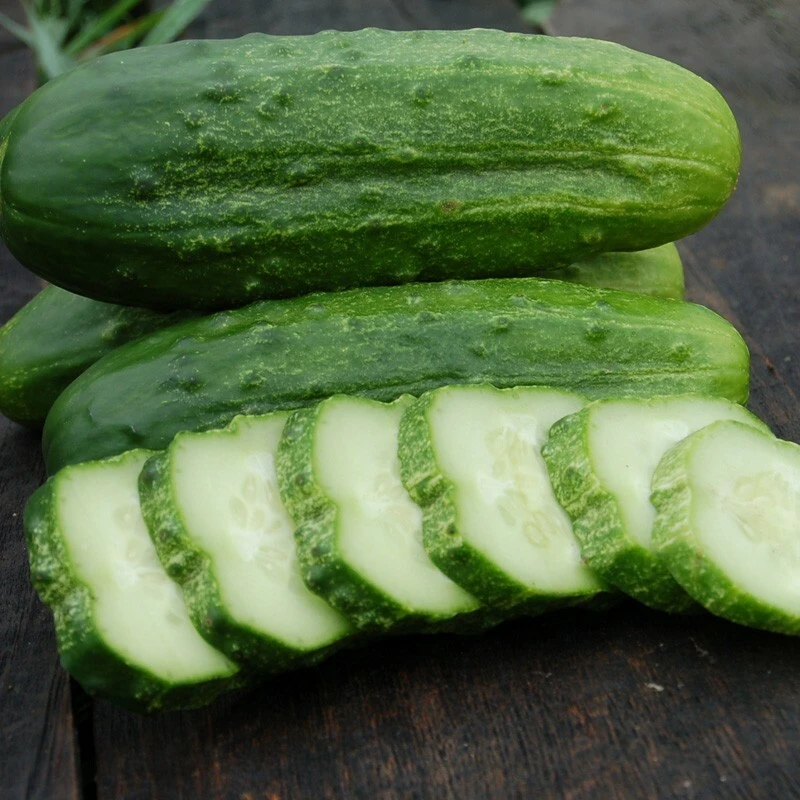
Cultivate your own bountiful harvest with national pickling cucumber seeds. These open-pollinating, heirloom seeds produce crisp, flavorful cucumbers perfect for making gherkins or enjoying fresh. Ideal for outdoor gardens, they are easy to grow and vine vigorously.
Estimated arrival
Sep 19
Sep 24 - Sep 26
Sep 26 - Oct 01
See our Shipping Policy.
Get in touch with us via email, and our team will review your concerns.
Our Alive & Thrive Guarantee covers issues with your plants within the first 30 days. Read our Refund & Returns Policy.
-
USDA Hardiness Zone
Zones 3-12 -
Soil Type
Clay, Loam, Peat -
Sunlight Exposure
Full Sun -
Expected Planting Period
Summer
Overview
Embark on a rewarding gardening journey with national pickling cucumber seeds, an excellent choice for both novice and experienced gardeners. These high-quality seeds promise a generous yield of uniform, firm cucumbers, specifically bred for their superior pickling qualities. Whether you’re aiming to fill your pantry with homemade gherkins or enjoy fresh, crisp cucumbers straight from the vine, these seeds are your gateway to a delicious harvest. As an open-pollinating heirloom variety, you can save seeds from your healthiest plants to cultivate year after year, ensuring a sustainable and continuous supply of your favorite pickling cucumbers. The vigorous vining habit of these plants makes them a joy to watch as they climb and produce.
Known for their reliability and robust growth, the ‘National Pickling’ variety is a classic choice for gardeners across the United States. These annual plants thrive outdoors, transforming your garden space into a productive haven. Their adaptability to various climates and soil types further cements their status as a garden favorite. Prepare to enjoy the satisfaction of growing your own produce with these exceptional seeds, perfect for any home gardener looking to grow pickling cucumbers with ease and success.
Key Benefits
Growing your own cucumbers from these seeds offers a multitude of advantages, enriching both your garden and your culinary endeavors. The ‘National Pickling’ variety is celebrated for several key benefits that make it a standout choice for home cultivation.
- Exceptional Pickling Quality: These cucumbers are specifically bred for their firm texture and ideal size, making them perfect for creating delicious, crunchy gherkins and other pickled delights. Their consistent quality ensures a superior outcome for all your canning projects.
- High Yield Potential: With proper care, these plants are known to produce an abundant harvest, ensuring you have plenty of cucumbers for fresh eating, pickling, and sharing with friends and family. A single planting can provide a continuous supply throughout the summer season.
- Easy to Grow: Rated as ‘easy’ for cultivating difficulty, these gherkin seeds are suitable for gardeners of all skill levels. They are forgiving and robust, providing a rewarding experience even for those new to vegetable gardening.
- Versatile Culinary Use: Beyond pickling, these cucumbers are also excellent for fresh consumption. Their crisp texture and mild flavor make them a great addition to salads, sandwiches, or as a healthy snack.
- Open-Pollinating Heirloom Variety: As an heirloom, these seeds produce plants that are true to type, allowing you to save seeds from your harvest for future plantings. This promotes self-sufficiency and preserves genetic diversity in your garden.
- Vigorous Vining Growth: The plants exhibit strong vining habits, which can be trained on trellises or supports to save space and promote better air circulation, leading to healthier plants and easier harvesting.
- Adaptable to Various Climates: Thriving in USDA Hardiness Zones 3-12, these seeds are suitable for a wide range of climates, making them a reliable choice for gardeners across the US looking to cucumber seeds for pickling.
Plant Care & Growing Tips
To ensure a successful harvest of your national pickling cucumber seeds, understanding their specific care requirements is essential. Cucumbers are warm-season crops that require consistent attention to thrive. Begin by planting your seeds directly outdoors after all danger of frost has passed and the soil has warmed. A good rule of thumb is to plant about 8 weeks after the last expected frost date in your area, typically in late spring or early summer. These plants prefer full sun, meaning at least 6-8 hours of direct sunlight per day. An east-facing aspect in your garden can provide ideal morning sun while offering some protection from the harshest afternoon rays in warmer climates.
The ideal soil for these cucumbers is well-draining and rich in organic matter. They can tolerate a range of soil types, including clay, loam, and peat, but good drainage is crucial to prevent root rot. A soil pH between 5.0 and 6.8 is optimal. Amend heavy clay soils with compost to improve drainage and aeration. Cucumbers are heavy feeders and benefit from regular fertilization once flowering begins. Watering is also critical; these plants require heavy watering, especially during flowering and fruit development. Aim for consistently moist soil, but avoid waterlogging. Mulching around the base of the plants can help retain soil moisture and suppress weeds.
As vining plants, providing a trellis or support system is highly recommended. This not only saves garden space but also keeps the fruit off the ground, reducing the risk of disease and making harvesting easier. Monitor your plants regularly for pests and diseases, addressing any issues promptly. Harvesting regularly encourages the plant to produce more fruit. Pick cucumbers when they are small and firm for the best pickling quality. With these care tips, you’ll be well on your way to enjoying a bountiful harvest from your easy grow cucumber seeds.
Size & Details
These national pickling cucumber seeds are an annual variety, meaning they complete their life cycle within one growing season, producing fruit and then dying back with the first frost. The plants exhibit a strong climbing and vining growth habit, making them ideal for vertical gardening or allowing them to spread across the ground if space permits. Expect vigorous growth throughout the summer season, with fruits typically maturing within 50-60 days from planting, ready for fresh eating or pickling. The seeds are open-pollinating and heirloom, ensuring genetic stability and the ability to save seeds for future seasons.
Each seed packet contains a generous quantity of seeds, providing ample opportunity for a successful crop. The cucumbers themselves are typically green and reach an ideal size for gherkins when harvested. They thrive in a wide range of USDA Hardiness Zones, from 3 to 12, indicating their broad adaptability to various climates. The seeds are shipped ready for planting, offering a straightforward start to your gardening project.
Frequently Asked Questions
- Q: How big do these cucumbers get? A: For pickling, it’s best to harvest these cucumbers when they are small, typically around 3-5 inches long, to ensure optimal crispness and flavor for gherkins. If left longer, they can grow larger, though their primary use is for pickling.
- Q: Is this an indoor or outdoor plant? A: These are primarily outdoor plants that thrive in full sun conditions. They require ample space to vine and produce fruit effectively, making them unsuitable for indoor cultivation. You can successfully grow pickling cucumbers in your garden.
- Q: How much sunlight does it need? A: National pickling cucumber seeds require full sun, meaning at least 6 to 8 hours of direct sunlight per day, for optimal growth and fruit production. An east-facing location is often ideal.
- Q: Is this plant easy to care for? A: Yes, these cucumbers are considered easy to cultivate. They are robust and forgiving, making them a great choice for beginner gardeners looking to grow their own vegetables. They are known as easy grow cucumber seeds.
- Q: When is the best time to plant these seeds? A: The best time to plant is after all danger of frost has passed and the soil temperature has warmed, typically in late spring or early summer. This is about 8 weeks after the last frost date in your region.
- Q: What condition will the seeds arrive in? A: The seeds will arrive in a protective packet, ready for planting. They are dormant and require proper planting conditions to germinate and grow.
- Q: What’s the minimum temperature these plants can tolerate? A: As warm-season annuals, these cucumber plants are not tolerant of frost. They thrive in temperatures generally above 60°F (15°C) and will die back with the first hard frost.
- Q: Can I save seeds from my harvest? A: Yes, as an open-pollinating heirloom variety, you can save seeds from your mature cucumbers to plant in subsequent seasons, ensuring a continuous supply of gherkin seeds.
- Q: What kind of soil is best for these cucumbers? A: These cucumbers prefer well-draining, fertile soil rich in organic matter. They can grow in clay, loam, or peat soils, but good drainage is key. A soil pH between 5.0 and 6.8 is ideal.
- Q: Do I need to provide support for the plants? A: Yes, providing a trellis or other support for these vining plants is highly recommended. It helps save space, keeps the fruit clean, and promotes better air circulation, leading to healthier plants.
| Seed Quantity | 1000 Seeds Or 1 Oz, 125 Seeds Or 1/8 Oz, 16K Seeds Or 1 Lb, 2000 Seeds Or 2 Oz, 250 Seeds Or 1/4 Oz, 30 Seeds, 4000 Seeds Or 1/4 Lb, 60 Seeds, 8000 Seeds Or 1/2 Lb |
|---|
Be the first to review “National Pickling Cucumber Seeds – Easy Grow Gherkins for Pickling – Outdoor Annual”
Related products


Vegetable Seeds
Tendercrisp Celery Seeds – 1000 Count Vegetable Seeds for Garden


Vegetable Seeds
Tendersweet Carrot Seeds – 1500 Count, Deep Orange Red Vegetable


You May Like
5 Best Bulbs for Fall Planting: Brighten Your Garden This Spring
Are you dreaming of a garden full of vibrant colors in the spring? The key [...]
Aug
How to Repot Houseplants Like a Pro
Do your houseplants look like they’ve outgrown their pots? Are their roots popping out of [...]
Aug
10 Houseplants That Will Thrive in Your Kitchen
Are you tired of your kitchen feeling dull and lifeless? Want to add a little [...]
Aug
Reviews
There are no reviews yet.