


New Jersey Tea Seeds – Ceanothus Americanus – White/Pink Hummingbird Shrub – 20 Seeds
Original price was: 32.99 $.12.99 $Current price is: 12.99 $.
Cultivate a beautiful native garden with New Jersey Tea seeds (Ceanothus Americanus). These hummingbird shrub seeds produce fragrant white to light pink flowers, attracting pollinators and thriving in zones 3-9. An excellent native plant seeds choice for drought-tolerant landscapes.
Estimated arrival
Sep 19
Sep 24 - Sep 26
Sep 26 - Oct 01
See our Shipping Policy.
Get in touch with us via email, and our team will review your concerns.
Our Alive & Thrive Guarantee covers issues with your plants within the first 30 days. Read our Refund & Returns Policy.
-
USDA Hardiness Zone
3 - 9 -
Soil Type
Average to dry, well-draining soil -
Sunlight Exposure
Full sun to part shade -
Expected Planting Period
Fall sow or cold stratify for spring planting
Overview
Introduce a touch of native beauty and ecological benefit to your garden with New Jersey Tea seeds. This offering includes 20 high-quality seeds of the Ceanothus Americanus, a remarkable deciduous shrub celebrated for its ornamental appeal and wildlife support. Known also by common names like Red Root, Mountain Sweet, and Wild Snowball, this species is indigenous to the United States and Canada, making it an exceptional choice for those seeking native plant seeds that thrive in local conditions. The plant is admired for its clusters of fragrant white to light pink flowers that bloom profusely from May to July, creating a stunning visual display and a sweet aroma in your landscape. Beyond its beauty, New Jersey Tea plays a crucial role in supporting local ecosystems, particularly as a favorite among hummingbirds, bees (including honey bees), and butterflies, which are drawn to its nectar-rich blossoms. It also serves as a valuable host plant for various butterfly species, making it a cornerstone for a vibrant pollinator garden.
The Ceanothus Americanus is a hardy and adaptable shrub, perfectly suited for a range of garden styles, from naturalized areas to formal borders. Its ability to thrive in diverse environments, including plains and prairies, underscores its resilience. This makes it an ideal plant for gardeners looking for low-maintenance options that deliver significant impact. Growing New Jersey Tea seeds allows you to witness the full life cycle of this robust plant, from germination to its mature, flowering state. Its ecological benefits, combined with its aesthetic qualities, make it a must-have for any gardener passionate about sustainability and supporting local wildlife. Consider adding this incredible shrub to your collection of native flora.
Key Benefits
Planting New Jersey Tea seeds offers a multitude of advantages for both your garden and the local environment. This versatile shrub not only enhances the visual appeal of your outdoor space but also contributes significantly to ecological health. Here are some of the key benefits:
- Attracts Pollinators: The fragrant white to light pink flowers are a magnet for hummingbirds, bees, and butterflies, making it an essential plant for supporting local pollinator populations. This helps ensure the health of your garden and surrounding ecosystems.
- Native and Adaptable: As a native species to North America, the Ceanothus Americanus is perfectly adapted to local climates and soils. This significantly reduces the need for intensive care, making it a low-maintenance choice for gardeners seeking native plant seeds.
- Drought Tolerance: Once established, this shrub is highly tolerant of dry conditions and sandy or rocky soils, making it an excellent option for xeriscaping or gardens in areas prone to drought. This characteristic makes it a fantastic drought tolerant plant seeds option.
- Soil Improvement: Although not a legume, New Jersey Tea is a nitrogen-fixing plant. This means it enriches the soil by converting atmospheric nitrogen into a usable form, improving soil fertility naturally without the need for chemical fertilizers.
- Historical Significance: The leaves of New Jersey Tea were historically used as a tea substitute during the Revolutionary War, adding a unique cultural dimension to its presence in your garden.
- Ornamental Value: With its abundant clusters of delicate flowers and attractive foliage, the shrub provides continuous visual interest throughout the growing season, enhancing garden aesthetics.
- Wildlife Support: Beyond nectar for pollinators, it also serves as a host plant for various butterfly species, providing a crucial food source for their larvae and contributing to biodiversity. Planting hummingbird shrub seeds directly supports these vital creatures.
Plant Care & Growing Tips
Growing New Jersey Tea seeds successfully requires understanding its specific needs, though it is generally a robust and low-maintenance plant. For optimal germination, fall sow the seeds directly outdoors, mimicking natural conditions that provide a period of cold stratification. Alternatively, you can cold stratify the seeds indoors for 60-90 days before planting in spring. Once germinated, choose a planting location that receives ample sunlight. This shrub thrives in full sun to part shade, meaning it needs at least 6 hours of direct sunlight per day for the best flowering performance. While it can tolerate some partial shade, too much shade may result in fewer blooms and a lankier growth habit.
Regarding soil, Ceanothus Americanus prefers average to dry soil conditions. It is highly adaptable and can grow well in various soil types, including sandy or rocky soils, as long as they are well-draining. Avoid heavy, waterlogged soils, as this can lead to root rot. Once established, this shrub is remarkably drought-tolerant, requiring minimal supplemental watering. During prolonged dry spells, occasional deep watering may be beneficial, but generally, it prefers to dry out between waterings. The plant is hardy in USDA Zones 3-9, indicating its ability to withstand a wide range of temperatures. Fertilization is typically not necessary due to its nitrogen-fixing capabilities, which naturally enrich the soil. If growth appears sluggish, a light application of a balanced, slow-release fertilizer in spring can be applied, but avoid over-fertilizing. Pruning can be done in late winter or early spring to maintain shape, remove dead or damaged branches, and encourage bushier growth. Keep an eye out for common garden pests, though Ceanothus Americanus is generally resistant. By following these care guidelines, your hummingbird shrub seeds will flourish into a beautiful and beneficial addition to your landscape.
Size & Details
Each packet contains 20 New Jersey Tea seeds, scientifically known as Ceanothus Americanus. This ornamental shrub typically grows to a height of about 36 inches (3 feet) at maturity, with a spread of 18 to 36 inches, creating a compact and attractive bush. The plants bloom from May to July, showcasing numerous 2-inch clusters of white to light pink, funnel-shaped, fragrant flowers. These seeds are ideal for fall sowing or require cold stratification for successful germination, ensuring a robust start for your plants. The mature plant is a small, very ornamental shrub native to North America and is well-suited for a variety of garden settings due to its moderate size and appealing growth habit. This makes it an excellent choice for gardeners looking for drought tolerant plant seeds that also offer significant aesthetic appeal.
The Ceanothus Americanus is a relatively fast-growing shrub once established, reaching its mature size within a few years. It is best planted with a spacing of 18 to 36 inches between plants to allow for adequate air circulation and growth. These New Jersey Tea seeds will develop into resilient plants that can tolerate a range of conditions, adding both beauty and ecological value to your garden. The seeds are shipped in a protective packet, ready for planting according to the recommended methods. Expect to see vibrant blooms and active pollinators once your plants mature.
Frequently Asked Questions
- Q: How big does the New Jersey Tea shrub get? A: The New Jersey Tea shrub typically grows to about 36 inches (3 feet) tall and spreads 18 to 36 inches wide, forming a compact and attractive bush.
- Q: Is this an indoor or outdoor plant? A: Ceanothus Americanus is primarily an outdoor shrub, best suited for garden beds, borders, and naturalized areas. It is not generally grown as an indoor houseplant.
- Q: How much sunlight does it need? A: This shrub thrives in full sun to part shade, ideally receiving at least 6 hours of direct sunlight per day for optimal flowering.
- Q: What condition will the seeds arrive in? A: The New Jersey Tea seeds will arrive securely packaged in a protective envelope, ensuring their viability for planting.
- Q: Is New Jersey Tea good for beginners? A: Yes, it is considered relatively easy to grow, especially once established, making it a good choice for both experienced and novice gardeners looking for native plant seeds.
- Q: How long until it blooms? A: From seed, it typically takes 1-2 years for the shrub to establish and begin flowering, with blooms appearing from May to July.
- Q: Will it survive winter in my zone? A: New Jersey Tea is hardy in USDA Zones 3-9, meaning it can tolerate a wide range of winter temperatures within these zones.
- Q: What type of soil does Ceanothus Americanus prefer? A: It prefers average to dry, well-draining soil and can tolerate sandy or rocky conditions. It does not do well in heavy, waterlogged soils.
- Q: Why is it called “Red Root”? A: It’s nicknamed Red Root because it has fragrant red roots, which are also part of its unique characteristics.
- Q: Can I use these hummingbird shrub seeds to attract pollinators? A: Absolutely! The flowers are rich in nectar and are highly attractive to hummingbirds, bees, and butterflies, making it an excellent choice for a pollinator garden.
Be the first to review “New Jersey Tea Seeds – Ceanothus Americanus – White/Pink Hummingbird Shrub – 20 Seeds”
Related products


Flower Seeds
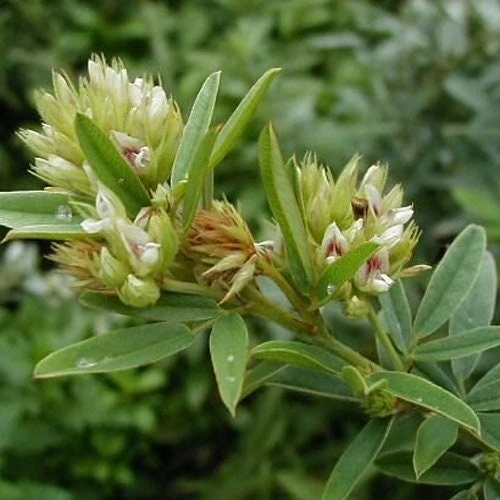
Lespedeza Capitata Seeds – Round Headed Bush Clover – 2000 Seed Pack – Perennial Flower


You May Like
5 Best Bulbs for Fall Planting: Brighten Your Garden This Spring
Are you dreaming of a garden full of vibrant colors in the spring? The key [...]
Aug
How to Repot Houseplants Like a Pro
Do your houseplants look like they’ve outgrown their pots? Are their roots popping out of [...]
Aug
10 Houseplants That Will Thrive in Your Kitchen
Are you tired of your kitchen feeling dull and lifeless? Want to add a little [...]
Aug
Reviews
There are no reviews yet.