
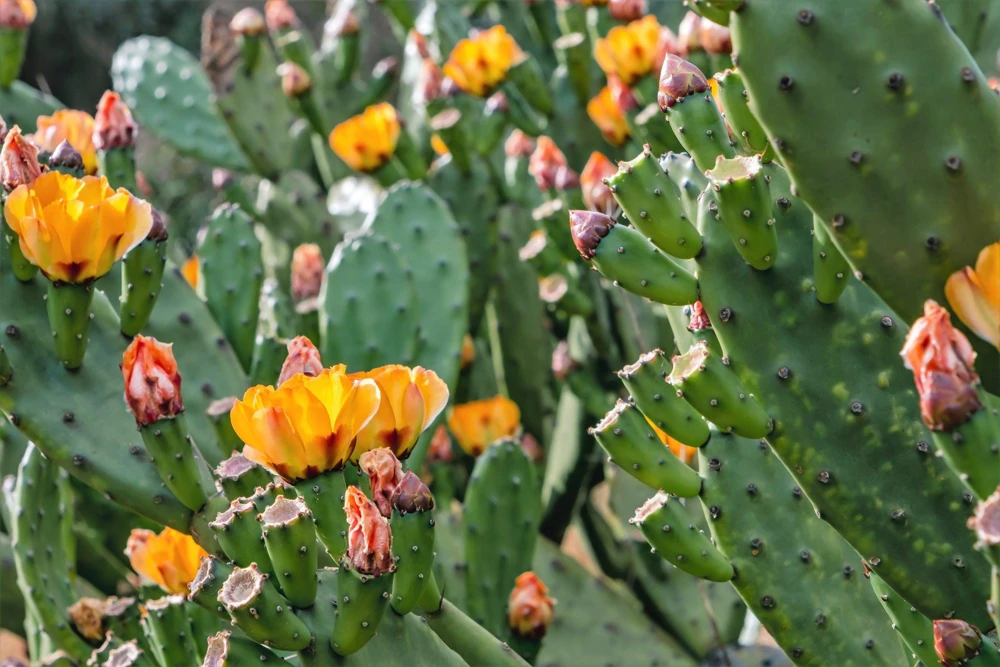
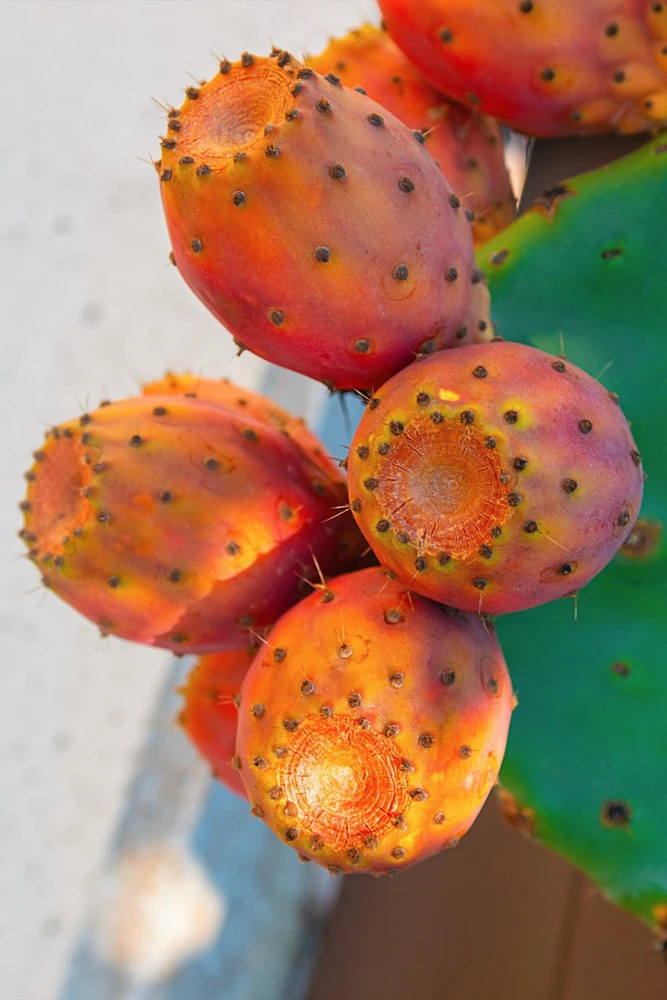
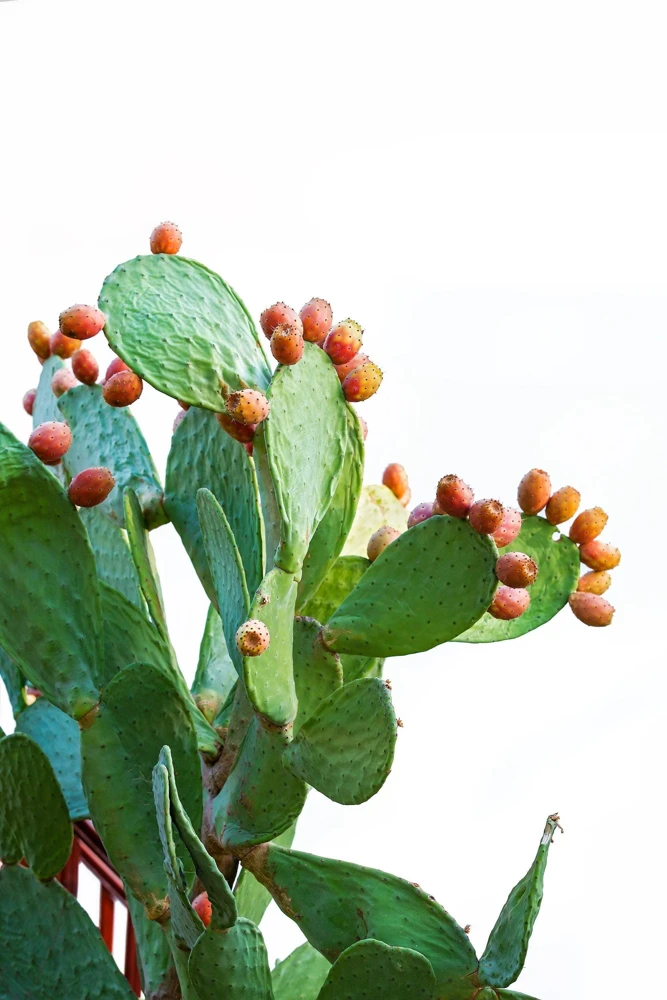
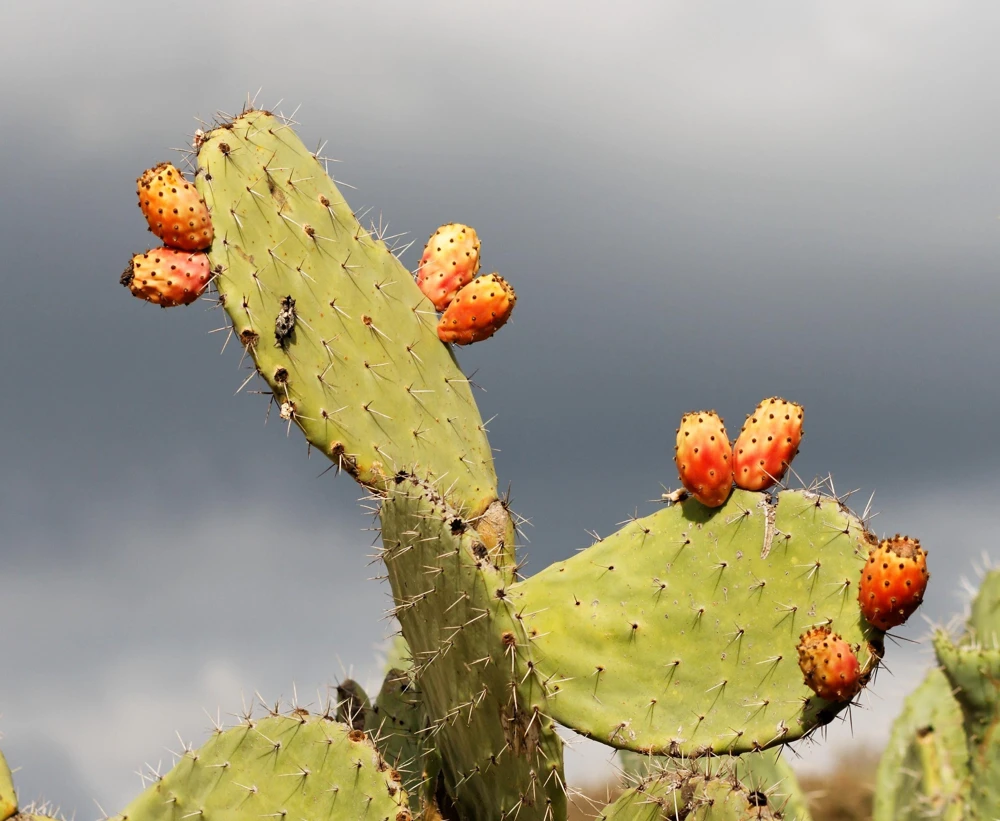
Orange Prickly Pear Cactus Seeds – Opuntia Ficus-Indica – 20 Seed Pack for Zones 4-10
Original price was: 32.99 $.12.99 $Current price is: 12.99 $.
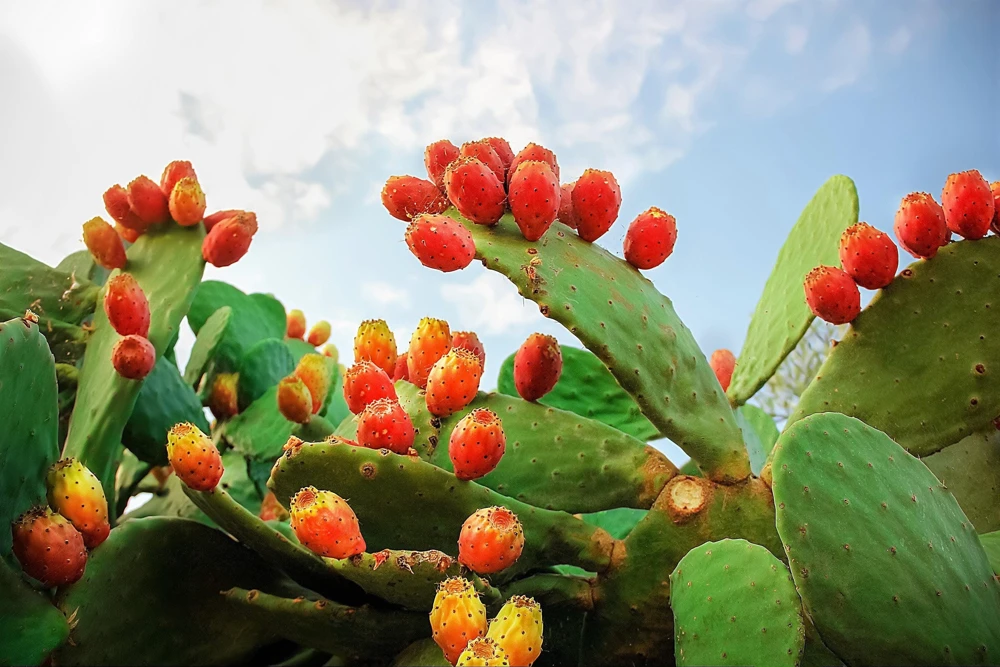
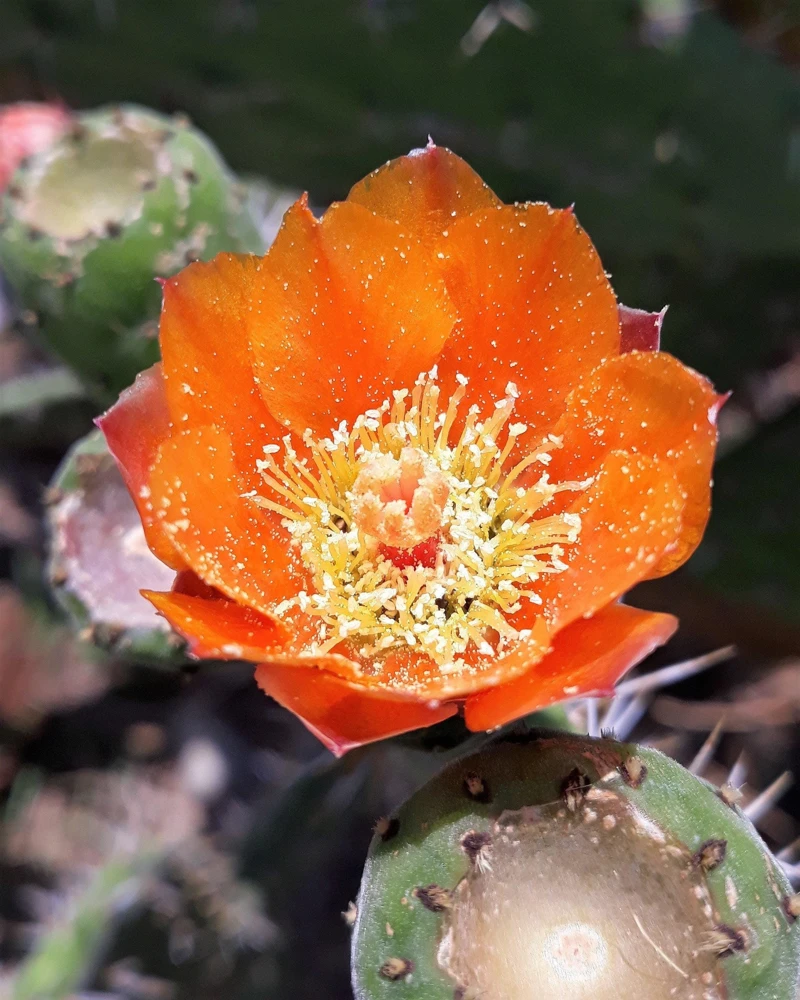
Cultivate beautiful and resilient orange prickly pear cactus seeds (Opuntia Ficus-Indica). These hardy seeds grow into plants with vibrant orange flowers and delicious, edible fruits, perfect for arid landscapes or unique garden additions. Ideal for USDA Zones 4-10.
Estimated arrival
Sep 19
Sep 24 - Sep 26
Sep 26 - Oct 01
See our Shipping Policy.
Get in touch with us via email, and our team will review your concerns.
Our Alive & Thrive Guarantee covers issues with your plants within the first 30 days. Read our Refund & Returns Policy.
-
USDA Hardiness Zone
4 - 10 -
Soil Type
Average - Dry, well-draining soil -
Sunlight Exposure
Full Sun -
Expected Planting Period
Fall / Cold stratify / Outdoors after frost / Indoors weeks before last frost
Overview
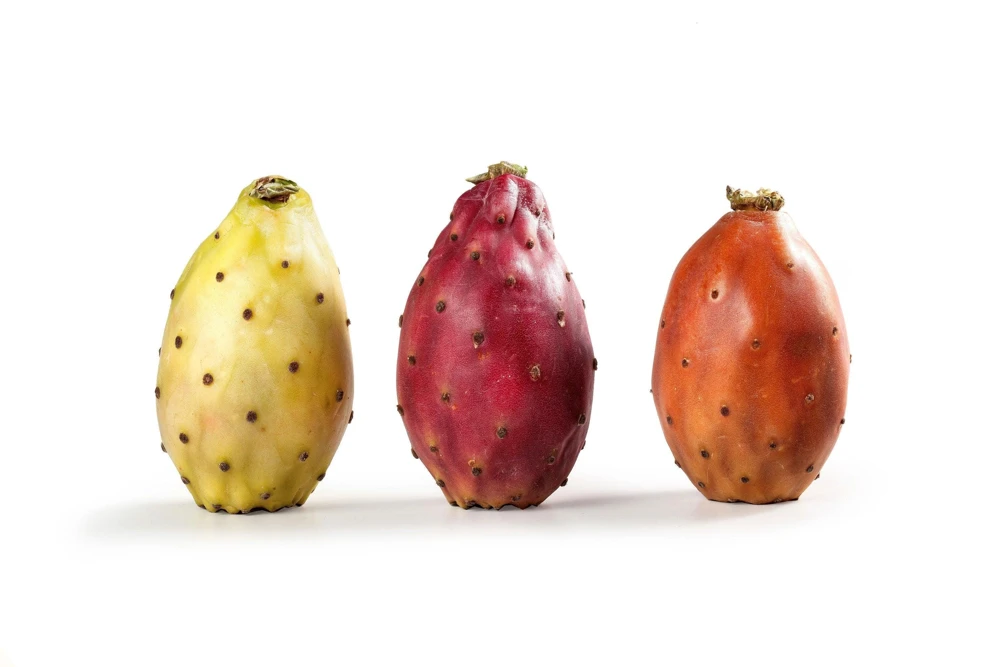
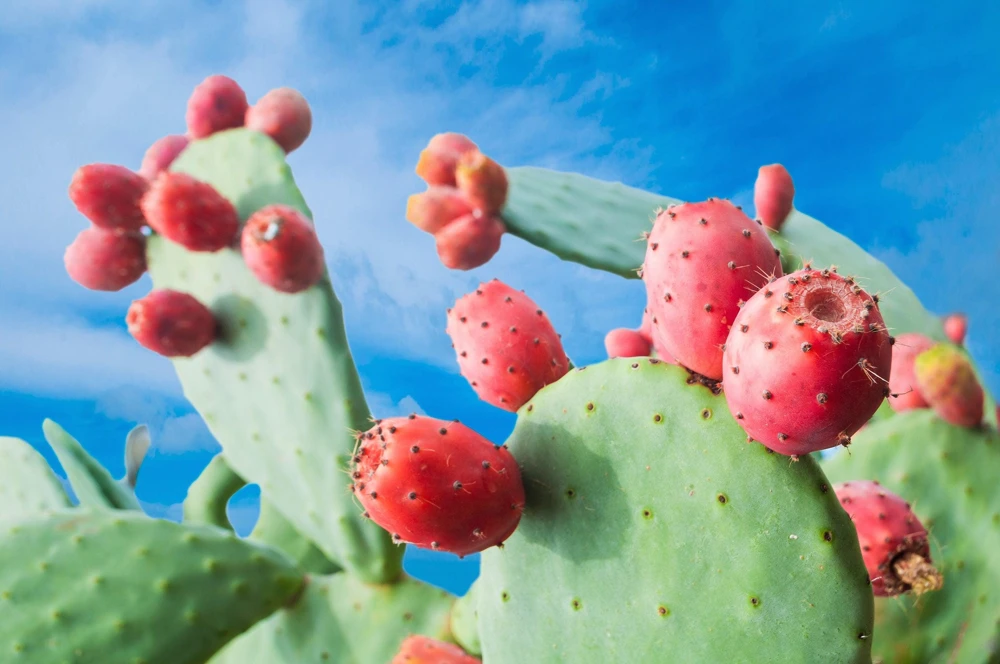
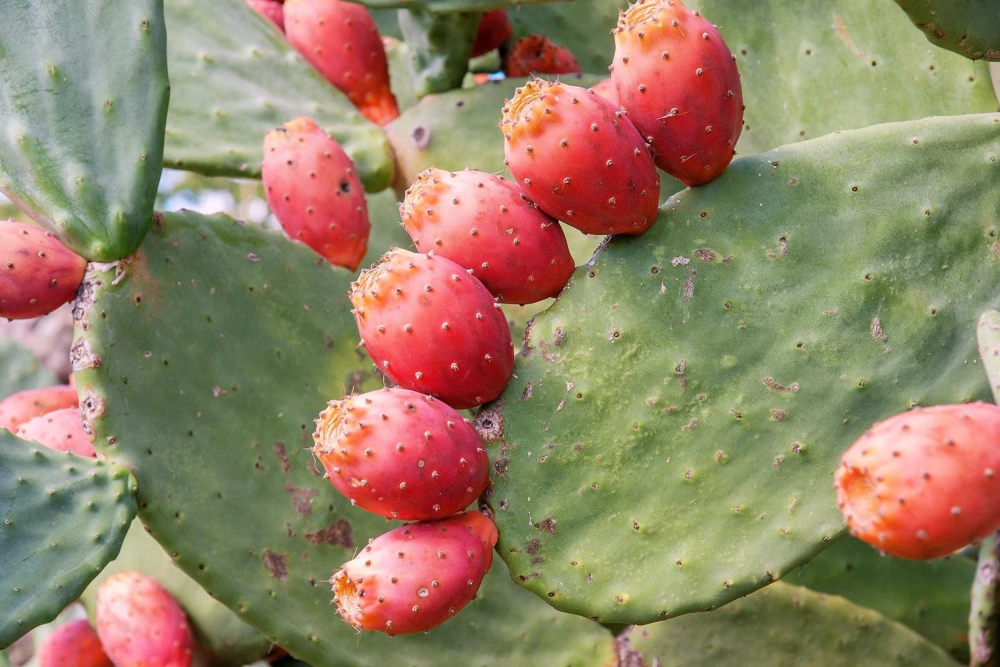
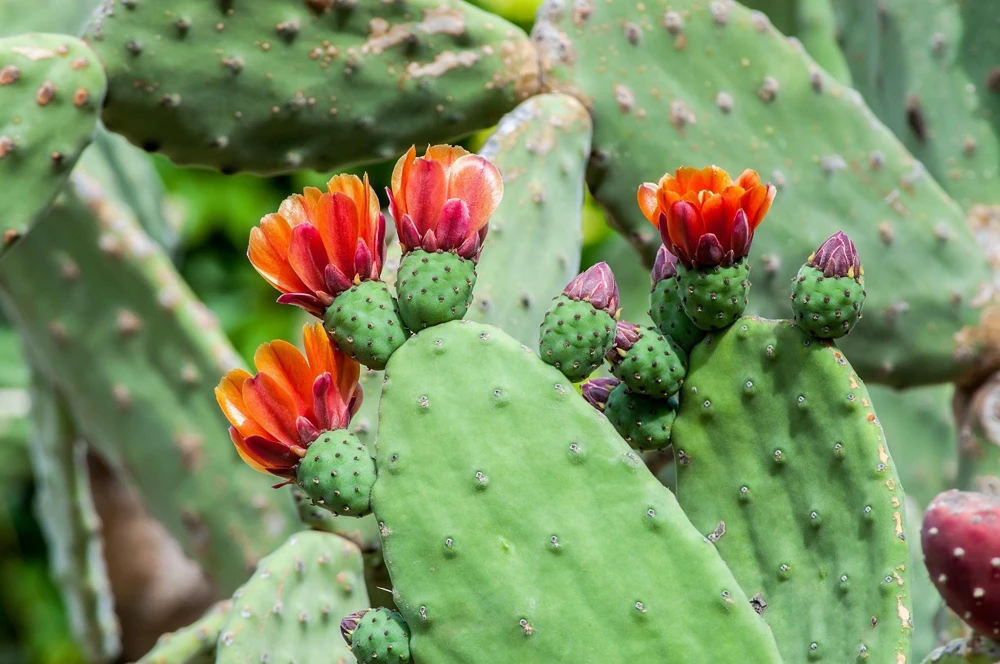
Embark on a rewarding gardening journey with orange prickly pear cactus seeds. This remarkable plant, scientifically known as Opuntia Ficus-Indica, is celebrated for its striking orange flowers, followed by equally vibrant and edible orange fruits. Also commonly referred to as Pear Cactus, Nopal Cactus, Indian Fig, or Barbary Fig, this species is a true survivor, thriving in a wide range of conditions. These orange prickly pear cactus seeds offer a unique opportunity to grow a drought-tolerant and visually appealing plant that provides both ornamental beauty and a source of nutritious fruit. Whether you’re an experienced gardener looking for a resilient addition or a beginner eager to explore xeriscaping, these seeds are an excellent choice for creating a distinctive and sustainable landscape.
The Opuntia Ficus-Indica is not just a pretty face; it’s a plant with significant cultural and culinary importance. Its pads, known as nopales, are a staple in many cuisines, and its fruits, often called tunas, are sweet and juicy. By planting these orange prickly pear cactus seeds, you’re investing in a plant that will bring unique character to your garden, attract pollinators, and offer a harvest of delicious produce. Its robust nature means it can withstand varying temperatures and requires minimal maintenance once established, making it a sustainable choice for many outdoor environments.
Key Benefits
Growing your own orange prickly pear cactus seeds comes with a multitude of advantages, making it a valuable addition to any garden or landscape. These benefits extend from aesthetic appeal to practical uses and ecological contributions.
- Drought Tolerance & Hardiness: The orange prickly pear cactus is incredibly resilient, thriving in arid conditions and requiring minimal water once established. It’s hardy in USDA Zones 4-10, making it suitable for a vast array of climates and an excellent choice for water-wise gardening.
- Edible Fruits & Pads: This cactus produces delicious orange fruits (tunas) and edible pads (nopales). Both are highly nutritious and can be incorporated into various culinary dishes, offering a unique garden-to-table experience directly from your nopal cactus seeds.
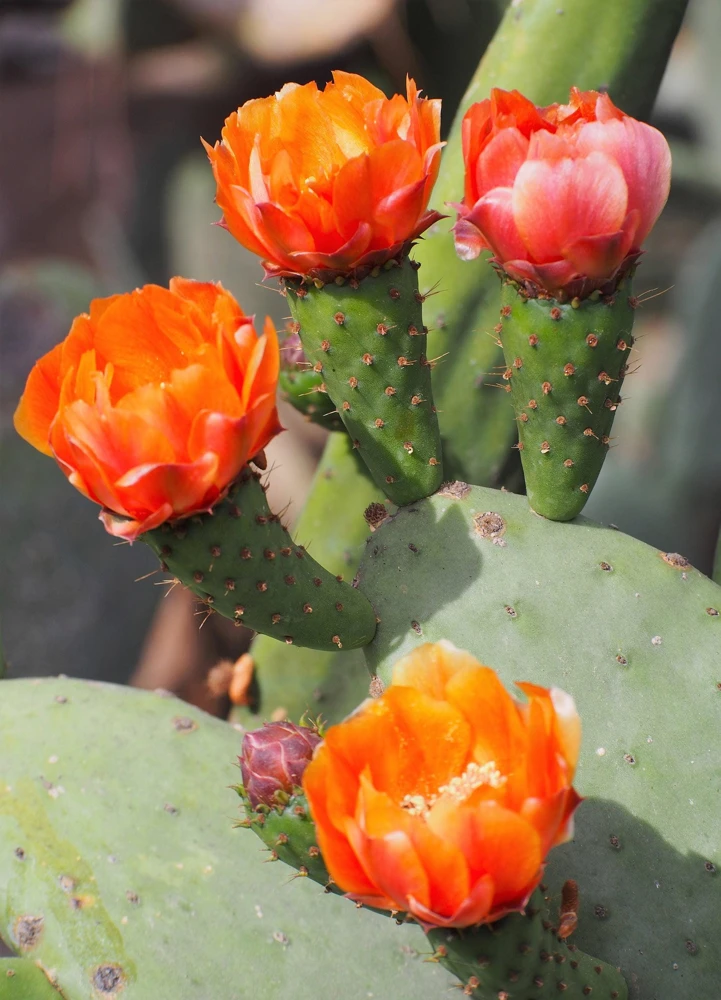
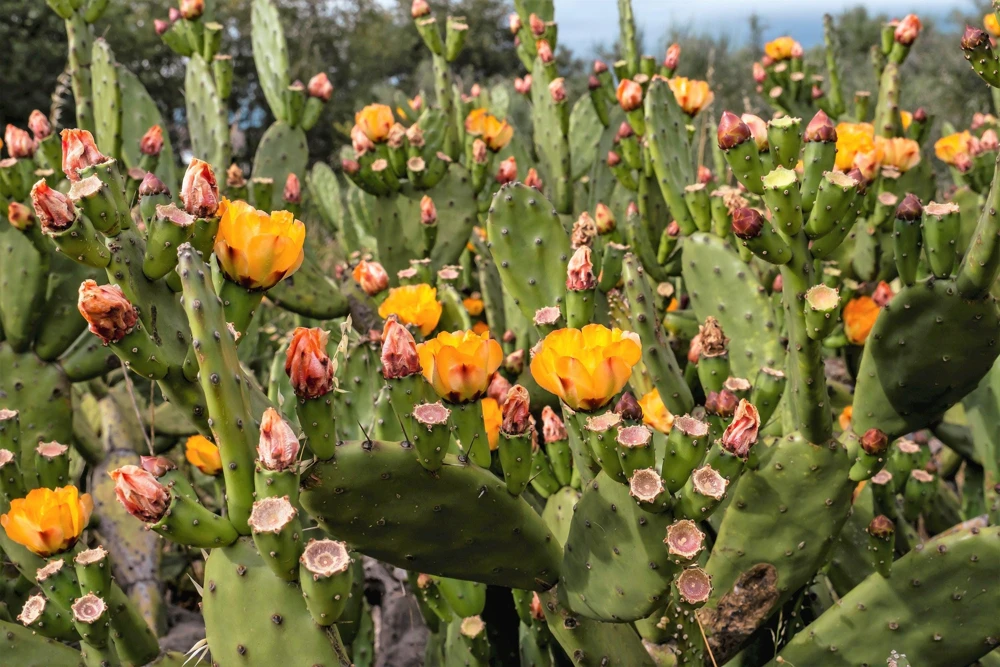
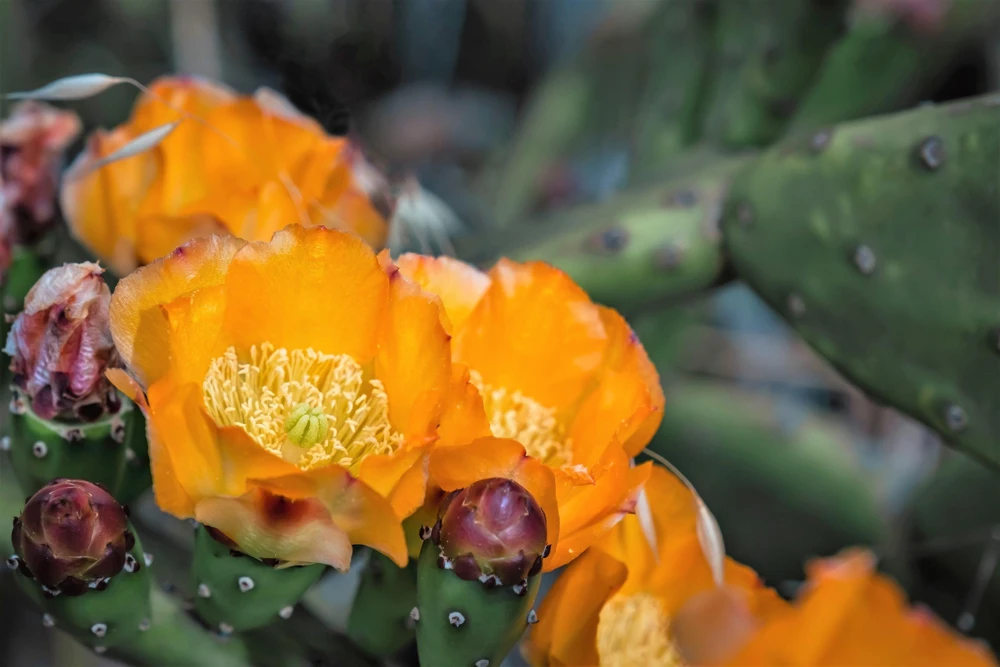
- Vibrant Floral Display: Enjoy a spectacular show of bright orange flowers from spring to early summer. These blooms not only add stunning color to your garden but also attract essential pollinators like bees and butterflies, supporting local ecosystems.
- Low Maintenance: Once established, the Opuntia Ficus-Indica demands very little attention. Its ability to tolerate poor soils and dry conditions means less watering, fertilizing, and overall care, perfect for busy gardeners.
- Erosion Control: Due to its extensive root system and ability to thrive in challenging environments, growing prickly pear cactus can be an effective plant for preventing soil erosion, especially on slopes or in sandy areas.
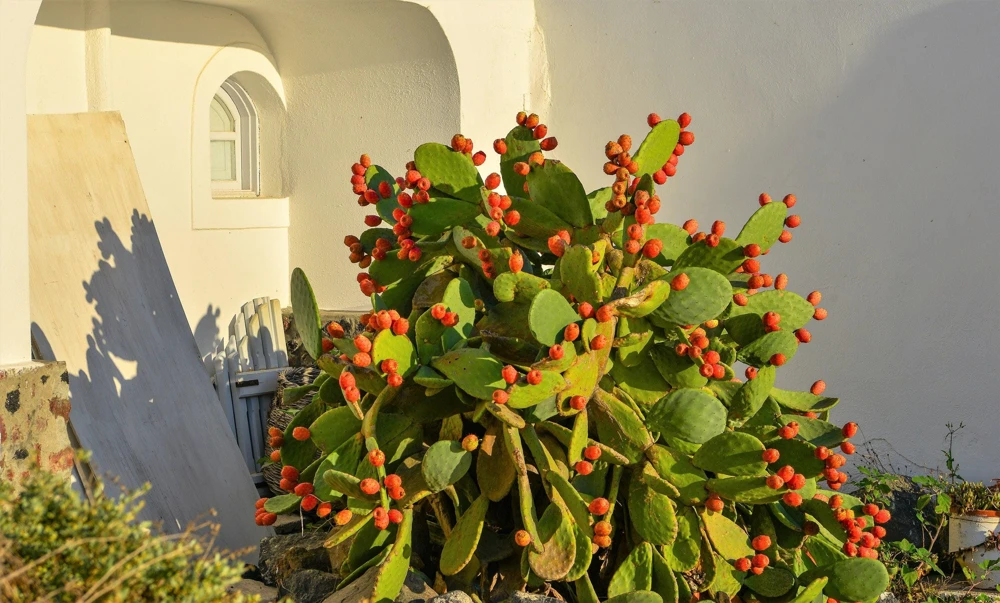
- Unique Landscape Feature: Its distinctive growth habit and striking appearance make the orange prickly pear cactus a focal point in any garden, adding a touch of the desert Southwest or Mediterranean flair to your outdoor space.
- Sustainable Gardening: Choosing drought tolerant cactus seeds contributes to sustainable gardening practices by reducing water consumption and supporting biodiversity.
Plant Care & Growing Tips
Successfully cultivating orange prickly pear cactus seeds requires understanding their specific needs, though they are generally forgiving plants. Germination can be slow and may benefit from cold stratification. For best results, sow seeds in the fall outdoors in warmer climates, or cold stratify them in a refrigerator for several weeks before planting. Indoors, sow seeds weeks before the last frost, ensuring a warm soil temperature for germination. Once germinated, provide plenty of light and gradually acclimatize seedlings to outdoor conditions.
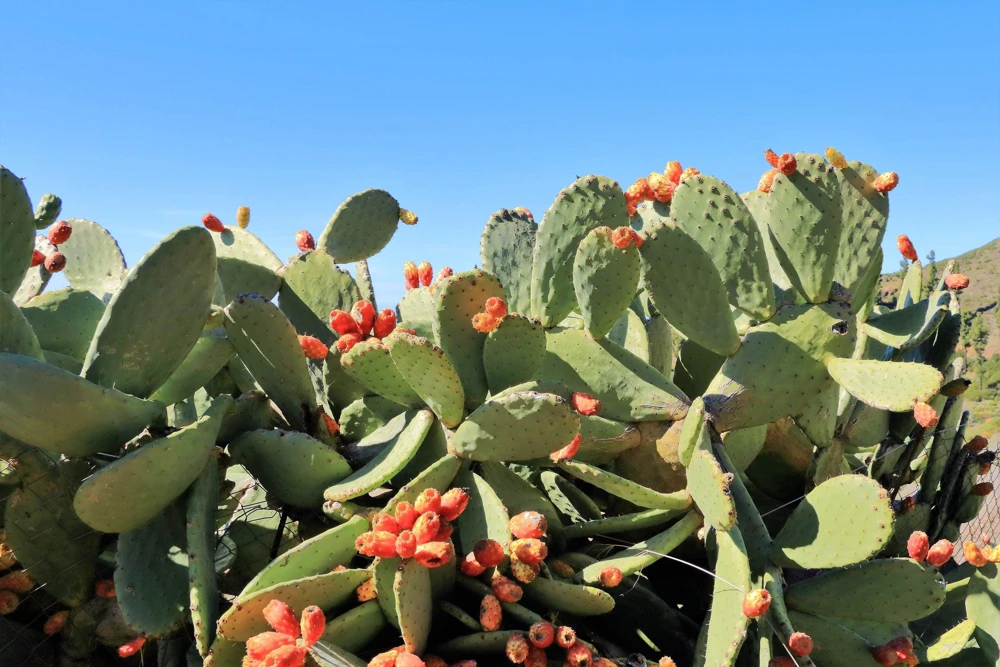
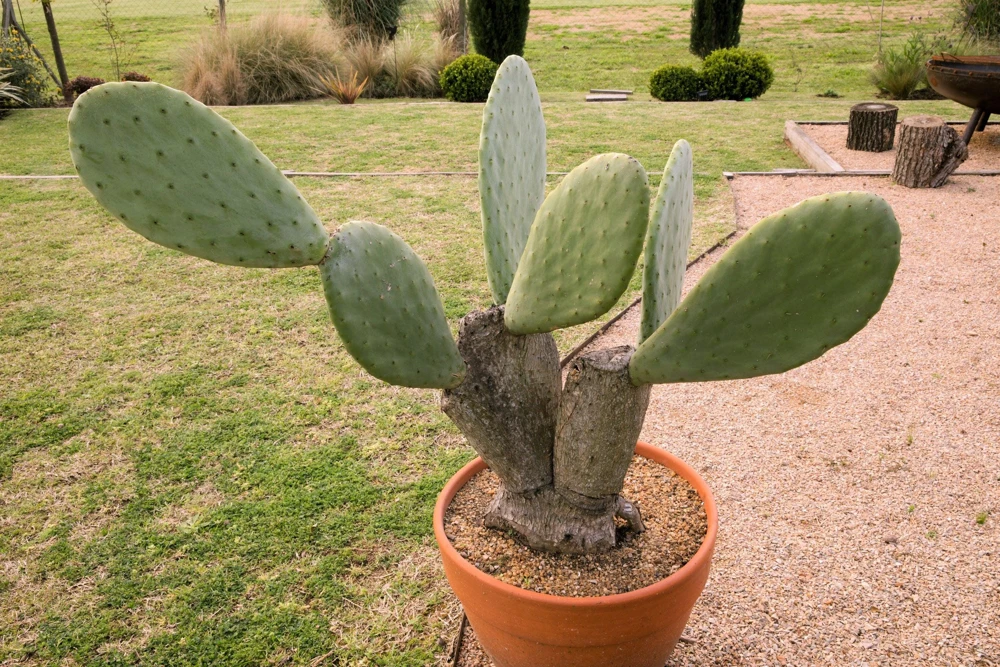
For established plants, Opuntia Ficus-Indica seeds will grow into robust cacti that prefer full sun, meaning at least 6-8 hours of direct sunlight per day. They are not particular about soil, flourishing in average to dry conditions, but excellent drainage is crucial to prevent root rot. A sandy or gravelly soil mix is ideal. Water sparingly, especially during cooler months; allow the soil to dry out completely between waterings. Overwatering is the most common cause of failure for cacti. These plants are hardy in USDA Zones 4-10 and can reach heights of 10-15 feet with a spread of 3-4 feet. Fertilization is rarely needed for outdoor plants, but a balanced, low-nitrogen fertilizer can be applied sparingly in spring for potted specimens. Watch out for mealybugs or scale insects, which can be treated with insecticidal soap.
Harvesting the fruits, or ‘tunas’, typically occurs when they show no green coloring, usually from spring to early summer, and can be done up to six times a year in warm climates. When growing prickly pear cactus, remember that the pads are also edible once de-spined. The plant’s hardiness makes it an excellent choice for various landscaping designs, including xeriscaping and desert gardens. Understanding these care requirements will ensure your orange prickly pear cactus thrives and provides years of enjoyment.
Size & Details
This offering includes 20 seeds of the Orange Prickly Pear Cactus, Opuntia Ficus-Indica. Each seed has the potential to grow into a large, impressive cactus, reaching a mature height of 10 to 15 feet and spreading 3 to 4 feet wide. Plants typically begin to bloom in spring to early summer, producing their characteristic orange flowers. The edible orange fruits can be harvested multiple times a year in suitable climates. These seeds provide an economical way to establish a significant planting of this beautiful and productive cactus, perfect for creating a unique garden feature or a sustainable food source. The seeds are packaged to ensure viability upon arrival, ready for planting according to the care instructions provided.
Frequently Asked Questions
- Q: How big does this cactus get? A: The orange prickly pear cactus can grow quite large, typically reaching heights of 10 to 15 feet and spreading 3 to 4 feet wide. Adequate space should be considered when planting these seeds.
- Q: Is this an indoor or outdoor plant? A: While young seedlings can be started indoors, the Opuntia Ficus-Indica seeds are primarily for growing outdoor plants. They thrive in full sun and are hardy in USDA Zones 4-10, making them suitable for a wide range of outdoor environments.
- Q: How much sunlight does it need? A: This cactus requires full sun exposure, meaning at least 6-8 hours of direct sunlight per day, to ensure healthy growth and abundant flowering and fruiting.
- Q: Is this plant easy to care for? A: Yes, once established, the orange prickly pear cactus is considered very low maintenance. It’s drought-tolerant and can thrive in average to dry soils, making it an excellent choice for beginners or those seeking resilient plants.
- Q: What condition will the seeds arrive in? A: Your orange prickly pear cactus seeds will arrive as dry seeds, carefully packaged to ensure their viability for planting. They are not live plants but dormant seeds ready for germination.
- Q: When is the best time to plant these seeds? A: For optimal results, plant these prickly pear cactus seeds in the fall outdoors in suitable climates, or cold stratify them before planting indoors several weeks prior to the last frost.
- Q: Will it survive winter in my zone? A: This variety of prickly pear cactus is remarkably hardy and can survive winters in USDA Zones 4-10. This broad hardiness range makes it adaptable to many different climates across the United States.
- Q: Can I eat the fruit and pads? A: Absolutely! Both the orange fruits (tunas) and the pads (nopales) of the Opuntia Ficus-Indica are edible and delicious. Remember to carefully de-spine the pads before consumption.
- Q: How many seeds are included in this pack? A: This product includes 20 orange prickly pear cactus seeds, providing a good quantity for starting multiple plants or ensuring successful germination.
- Q: Do these seeds require any special treatment before planting? A: Yes, cold stratification is highly recommended for these nopal cactus seeds to improve germination rates. This involves exposing the seeds to cold, moist conditions for a period before planting.
Be the first to review “Orange Prickly Pear Cactus Seeds – Opuntia Ficus-Indica – 20 Seed Pack for Zones 4-10”
Related products


Fruit Seeds
Ruegen Alpine Strawberry Seeds – 60 Count Everbearing Fragaria Vesca Red Fruit White Flower


You May Like

5 Best Bulbs for Fall Planting: Brighten Your Garden This Spring
Are you dreaming of a garden full of vibrant colors in the spring? The key [...]
Aug
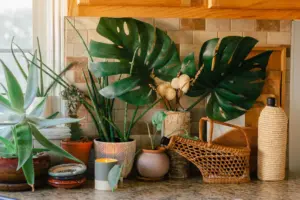
How to Repot Houseplants Like a Pro
Do your houseplants look like they’ve outgrown their pots? Are their roots popping out of [...]
Aug
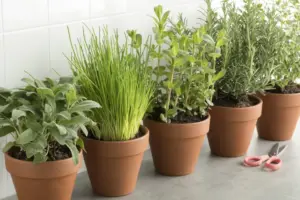
10 Houseplants That Will Thrive in Your Kitchen
Are you tired of your kitchen feeling dull and lifeless? Want to add a little [...]
Aug
Reviews
There are no reviews yet.