
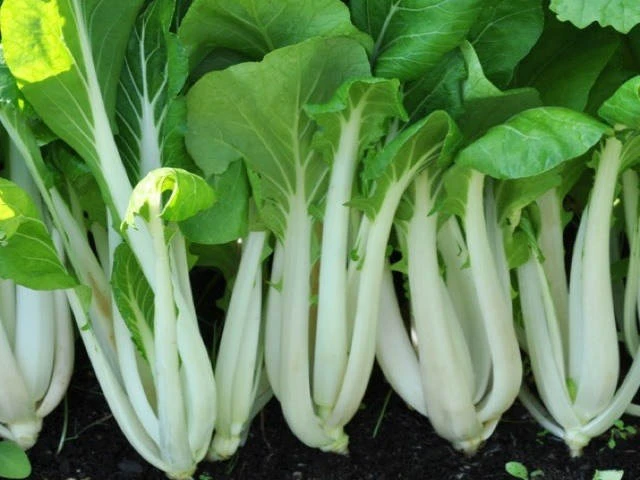
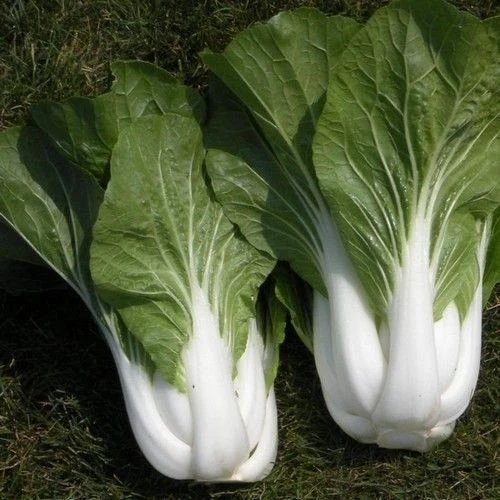
Pak Choi White Stem Chinese Cabbage Seeds – Annual, Full Sun, Easy Grow
From 10.77 $
Cultivate your own fresh Pak Choi Chinese Cabbage seeds with ease. These annual seeds produce compact, leafy greens with distinctive white stems, ideal for outdoor gardens and Asian culinary dishes. Enjoy an early maturity and very easy cultivation.
Estimated arrival
Sep 19
Sep 24 - Sep 26
Sep 26 - Oct 01
See our Shipping Policy.
Get in touch with us via email, and our team will review your concerns.
Our Alive & Thrive Guarantee covers issues with your plants within the first 30 days. Read our Refund & Returns Policy.
-
USDA Hardiness Zone
Zones 3-12 -
Soil Type
Loam -
Sunlight Exposure
Full Sun -
Expected Planting Period
Fall, Spring, Summer
Overview
Embark on a rewarding gardening journey with our premium Pak Choi Chinese Cabbage seeds. This popular annual vegetable, also known by its genus Brassica oleracea var. gemmifera, is a staple in many Asian cuisines and renowned for its crisp texture and mild, slightly sweet flavor. Our Pak Choi Chinese Cabbage seeds are specifically the White Stem variety, which is highly sought after for its tender leaves and succulent white stalks. Cultivating your own Pak Choi from seed allows you to enjoy the freshest produce directly from your garden. This variety is known for its compact and upright growth habit, making it suitable for various garden sizes.
Whether you’re an experienced gardener or just starting out, growing Pak Choi Chinese Cabbage seeds is a straightforward and satisfying experience. These seeds promise an early maturity, meaning you’ll be able to harvest your delicious greens relatively quickly after planting. The ease of cultivation makes it an excellent choice for beginners looking to add fresh, healthy vegetables to their diet. Enjoy the vibrant green leaves and crisp white stems that are perfect for stir-fries, soups, salads, and more.
Key Benefits
Growing Pak Choi Chinese Cabbage seeds offers a multitude of benefits for both your garden and your kitchen. This versatile vegetable is not only a joy to cultivate but also a healthy addition to any meal.
- Culinary Versatility: The crisp leaves and tender white stems of Pak Choi are perfect for a wide range of dishes, especially Asian cuisine. They can be stir-fried, steamed, added to soups, or enjoyed fresh in salads, offering a mild, slightly peppery flavor that complements many ingredients.
- Fast Growth & Early Maturity: These seeds are known for their early maturity, allowing for quick harvests. This means you can enjoy fresh greens sooner and potentially have multiple plantings within a single growing season.
- Easy Cultivation: With a ‘very easy’ cultivating difficulty, these seeds are ideal for gardeners of all skill levels. They are forgiving and generally require minimal specialized care to thrive. If you want to grow Pak Choi successfully, these seeds are a great choice.
- Nutrient-Rich: Pak Choi is packed with vitamins and minerals, contributing to a healthy diet. It’s a great source of vitamins A, C, and K, as well as calcium and iron, making it a valuable addition to your homegrown produce.
- Compact Growth Habit: The compact and upright growth of this variety makes it suitable for smaller gardens, raised beds, or even container gardening. This efficiency allows you to maximize your growing space.
- Adaptable to Various Climates: While preferring cooler weather, Pak Choi can adapt to cold, sub-tropical, and tropical climates, making it a flexible choice for many regions.
- Freshness at Your Fingertips: Harvesting your own Pak Choi ensures you have access to the freshest, most flavorful vegetables possible, free from pesticides and long transportation times.
Plant Care & Growing Tips
Successfully growing Pak Choi Chinese Cabbage seeds requires attention to a few key environmental factors. Pak Choi thrives in cooler weather, making it an excellent choice for spring and fall planting. It can tolerate full sun, meaning it needs at least 6 hours of direct sunlight per day to produce strong, healthy growth. Ensure your chosen planting site receives adequate light, especially if you aim to grow Pak Choi in a warmer climate where some afternoon shade might be beneficial to prevent bolting.
Watering is crucial for Pak Choi; it requires heavy watering to maintain consistent soil moisture. The soil should be kept consistently moist but not waterlogged. Good drainage is essential to prevent root rot. For soil, a loamy type is ideal, with a pH range of 6.1 to 7.8. Enriching the soil with organic matter before planting will provide essential nutrients and improve soil structure. Fertilize regularly with a balanced organic fertilizer throughout the growing season to support robust growth and ensure your Chinese cabbage seeds develop into healthy plants. Protect young plants from pests like aphids and slugs using organic pest control methods.
The USDA Hardiness Zones for Pak Choi range from 3-12, indicating its broad adaptability. However, in warmer zones, it’s best to plant during the cooler parts of the year. Planting time is typically 4-7 weeks before the last frost in spring or in late summer for a fall harvest. Watch out for signs of bolting (premature flowering), which can be triggered by sudden temperature changes or prolonged heat. Harvesting outer leaves as needed or the entire head when mature will encourage further growth and keep the plant productive.
Size & Details
Our Pak Choi Chinese Cabbage seeds are designed for outdoor cultivation, yielding plants with a compact, upright, and leafy growth habit. The mature plants typically feature vibrant green leaves and distinctive white stems, reaching a moderate size suitable for most home gardens. These are annual plants, completing their life cycle within one growing season. They are known for early maturity, allowing for relatively quick harvests after planting. Expect a very easy cultivating difficulty, making them a great option for gardeners of all experience levels.
These seeds are specifically for the White Stem variety of Pak Choi, which is highly regarded for its texture and flavor. The ideal soil type is loam, with a pH range between 6.1 and 7.8, ensuring optimal nutrient uptake. They thrive in full sun conditions. The growing season extends through Fall, Spring, and Summer, depending on your climate and planting schedule. The seeds are of the genus Brassica oleracea var. gemmifera and include species like Bok Choi, Win Win Choi, and Pok Choi, all referring to variations of this popular Chinese cabbage.
Frequently Asked Questions
- Q: How big does this Pak Choi plant get? A: Pak Choi Chinese Cabbage seeds typically grow into compact, upright, and leafy plants. While specific dimensions can vary, they are generally a moderate size, making them suitable for various garden spaces, including containers.
- Q: Is this an indoor or outdoor plant? A: This Pak Choi variety is primarily intended for outdoor cultivation. It thrives when planted directly in the garden, raised beds, or large outdoor containers, benefiting from full sun exposure.
- Q: How much sunlight does Pak Choi need? A: Pak Choi requires full sun, meaning it needs at least 6 hours of direct sunlight per day to grow vigorously and produce abundant leaves. Adequate sunlight is key to successfully grow Pak Choi.
- Q: Is this plant easy to care for? A: Yes, this variety of Pak Choi is considered to have a ‘very easy’ cultivating difficulty. It’s a great choice for beginners and experienced gardeners alike looking for a low-maintenance vegetable.
- Q: What condition will the seeds arrive in? A: You will receive high-quality Chinese cabbage seeds in a protective package, ready for planting. They are carefully selected to ensure viability and successful germination.
- Q: When is the best time to plant Pak Choi seeds? A: The best time to plant is typically in the spring for an early summer harvest, or in late summer for a fall harvest. It prefers cooler temperatures, so avoid planting during the hottest parts of summer.
- Q: What type of soil is best for growing Pak Choi? A: Pak Choi thrives in loamy soil with a pH between 6.1 and 7.8. Ensuring good drainage and enriching the soil with organic matter will promote healthy growth for your easy to grow cabbage.
- Q: How often should I water my Pak Choi plants? A: Pak Choi requires heavy watering to keep the soil consistently moist. Avoid letting the soil dry out completely between waterings, but also ensure it’s not waterlogged to prevent root issues.
- Q: Can I grow Pak Choi in containers? A: Yes, due to its compact growth habit, Pak Choi is well-suited for container gardening. Choose a container with good drainage and sufficient size to allow for root development.
- Q: Will Pak Choi survive winter in my zone? A: Pak Choi is an annual plant and is generally not frost-hardy. In most zones, it will complete its life cycle before heavy frosts. In very mild winter climates (USDA Zones 9-12), a fall planting might continue into early winter.
| Seed Amount | 1125 Seeds Or 1/8 Oz, 144K Seeds Or 1 Lb, 18K Seeds Or 2 Oz, 2250 Seeds Or 1/4 Oz, 250 Seeds, 36K Seeds Or 1/4 Lb, 500 Seeds, 72K Seeds Or 1/2 Lb, 9000 Seeds Or 1 Oz |
|---|
Be the first to review “Pak Choi White Stem Chinese Cabbage Seeds – Annual, Full Sun, Easy Grow”
Related products


Vegetable Seeds
Hanover Salad Kale Seeds – 1000 Smooth Siberian Vegetable Seeds


You May Like
5 Best Bulbs for Fall Planting: Brighten Your Garden This Spring
Are you dreaming of a garden full of vibrant colors in the spring? The key [...]
Aug
How to Repot Houseplants Like a Pro
Do your houseplants look like they’ve outgrown their pots? Are their roots popping out of [...]
Aug
10 Houseplants That Will Thrive in Your Kitchen
Are you tired of your kitchen feeling dull and lifeless? Want to add a little [...]
Aug
Reviews
There are no reviews yet.