


Pale Evening Primrose Seeds – White Buttercup Flower Seeds – 250 Seeds, Oenothera Pallida, Zone 3-11
Original price was: 32.99 $.12.99 $Current price is: 12.99 $.
Cultivate elegant Pale Evening Primrose seeds (Oenothera Pallida) to bring delicate white blooms to your garden. These White Buttercup flower seeds are perfect for attracting bees, butterflies, and birds, thriving in full sun across USDA zones 3-11.
Estimated arrival
Sep 19
Sep 24 - Sep 26
Sep 26 - Oct 01
See our Shipping Policy.
Get in touch with us via email, and our team will review your concerns.
Our Alive & Thrive Guarantee covers issues with your plants within the first 30 days. Read our Refund & Returns Policy.
-
USDA Hardiness Zone
3 - 11 -
Soil Type
Dry, well-draining soil -
Sunlight Exposure
Full Sun -
Expected Planting Period
Outdoors after frost / Indoors weeks before last frost
Overview
Transform your garden into a serene haven with Pale Evening Primrose seeds. Despite their name, these beautiful Oenothera Pallida flowers gracefully open during the day, showcasing exquisite white petals often accented with soft pink and yellow centers. Known commonly as White Buttercup or Sundrops, this variety offers a continuous display of charm and elegance throughout late summer. Planting Pale Evening Primrose seeds is an excellent way to introduce a low-maintenance, drought-tolerant perennial that will return year after year, providing a delightful visual feast and attracting beneficial pollinators to your outdoor space. Each pack contains 250 high-quality seeds, ensuring a bountiful harvest of these captivating blooms.
The Oenothera Pallida, or Pale Evening Primrose seeds, are renowned for their adaptability and ability to flourish in various conditions. They are an ideal choice for gardeners seeking to create a naturalized look, fill in sunny borders, or add a touch of wild beauty to rock gardens. Their delicate appearance belies a robust nature, making them suitable for both novice and experienced gardeners eager to cultivate a stunning, yet easy-care, floral display.
Key Benefits
Growing Pale Evening Primrose seeds offers numerous advantages, enhancing both the aesthetic and ecological value of your garden. These versatile flowers provide long-lasting beauty and contribute positively to local ecosystems.
- Pollinator Haven: The vibrant white flowers are a magnet for bees, butterflies, and birds, playing a vital role in supporting local biodiversity. Cultivating Oenothera Pallida seeds helps create a thriving habitat for these essential garden visitors.
- Drought Tolerant: Once established, these plants are remarkably tolerant of dry conditions, making them an excellent choice for xeriscaping or gardens in regions with limited rainfall. This resilience means less watering and easier care.
- Extended Bloom Time: Enjoy a prolonged display of beautiful white flowers throughout the late summer. The continuous blooming period ensures your garden remains colorful and lively for an extended season.
- Low Maintenance: These primrose plants require minimal attention, thriving with little more than adequate sunlight and well-draining soil. They are perfect for gardeners seeking a high-impact, low-effort floral solution.
- Hardy Perennial: Suitable for a wide range of climates (USDA Zones 3-11), these plants will reliably return each year, providing lasting beauty without the need for annual replanting. This makes grow primrose from seed a rewarding long-term investment.
- Versatile Landscaping: Their moderate height and spreading habit make them ideal for borders, mass plantings, rock gardens, or naturalized areas, adding texture and color wherever they are planted.
Plant Care & Growing Tips
Successful cultivation of Pale Evening Primrose seeds is straightforward, given their hardy nature. Understanding a few key care requirements will ensure a flourishing display of these beautiful white flowers. For optimal growth, ensure your plants receive ample sunlight and are situated in well-draining soil.
Sunlight Requirements:Pale Evening Primrose seeds thrive in full sun, meaning they need at least 6-8 hours of direct sunlight per day. While they can tolerate some partial shade, too little light may result in leggy growth and fewer blooms. Choose a bright, unobstructed location in your garden for planting. Watering Schedule & Soil Moisture: These plants prefer dry soil conditions and are highly drought-tolerant once established. Water sparingly, only when the top few inches of soil feel completely dry to the touch. Overwatering can lead to root rot, so ensure excellent drainage. Soil Type & Drainage: Well-draining soil is crucial for Oenothera Pallida. They adapt to various soil types, including sandy or rocky soils, as long as drainage is good. Avoid heavy, waterlogged clays. Amending heavy soils with sand or organic matter can improve drainage. Temperature Range & USDA Hardiness Zone: These seeds are incredibly versatile, growing in USDA Hardiness Zones 3 through 11. They are resilient to both cold winters and hot summers, making them a reliable choice for many regions. Fertilization Schedule:Evening primrose care is minimal when it comes to fertilization. These plants generally do not require heavy feeding. If your soil is particularly poor, a light application of a balanced, slow-release granular fertilizer in spring can be beneficial, but typically, they thrive without it. Common Problems & Solutions: Pale Evening Primrose is generally pest and disease resistant. The main issue to watch for is overwatering, which can lead to fungal problems. Ensure good air circulation and proper drainage to prevent this. Slugs and snails may occasionally be an issue for young plants; organic slug baits or barriers can help.
Size & Details
These Pale Evening Primrose seeds will grow into robust plants typically reaching a height of 9 to 18 inches, with a spread of 9 to 15 inches, creating a lovely bushy appearance. The seeds can be planted outdoors after the last frost or started indoors several weeks before the last frost for an earlier bloom. Expect blooms in late summer, providing a beautiful seasonal display. Each packet contains approximately 250 seeds, offering ample opportunity to establish a significant patch of these charming flowers. The plants are quick to establish and will return year after year, providing continuous beauty and attracting pollinators.
The mature plants will form a delightful clump of foliage topped with numerous white flowers that open during the day. Their moderate size makes them suitable for a variety of garden settings, from mixed borders to naturalized meadows. The hardy nature of these Oenothera Pallida seeds means they will flourish with minimal intervention, delivering maximum impact.
Frequently Asked Questions
- Q: How big do these Pale Evening Primrose plants get? A: Your Pale Evening Primrose seeds will grow into plants that typically reach a height of 9 to 18 inches and spread about 9 to 15 inches wide. They form a lovely, bushy habit in the garden.
- Q: Is this an indoor or outdoor plant? A: While you can start these White Buttercup flower seeds indoors, the mature plants are best suited for outdoor cultivation. They thrive in garden beds, borders, and naturalized areas.
- Q: How much sunlight does Pale Evening Primrose need? A: These plants perform best in full sun, requiring at least 6-8 hours of direct sunlight daily. Adequate sun ensures the most prolific blooms and strongest growth.
- Q: Is this plant easy to care for? A: Yes, evening primrose care is considered quite easy. They are drought-tolerant and relatively pest-free, making them suitable for beginner gardeners and those seeking low-maintenance options.
- Q: What condition will the Pale Evening Primrose seeds arrive in? A: You will receive 250 high-quality, viable Pale Evening Primrose seeds in a protective packet, ready for planting according to your preferred method.
- Q: How long until it blooms? A: If planted at the appropriate time, you can expect blooms from your Pale Evening Primrose seeds in late summer, typically within the first growing season if conditions are favorable.
- Q: When is the best time to plant Pale Evening Primrose seeds? A: For best results, sow these grow primrose from seed outdoors after the danger of the last frost has passed. Alternatively, you can start them indoors several weeks before the last frost date.
- Q: Will it survive winter in my zone? A: These plants are hardy in USDA Zones 3 through 11, meaning they are well-equipped to survive winter in most temperate climates and will return year after year.
- Q: What type of soil do these primroses prefer? A: Pale Evening Primrose seeds prefer dry, well-draining soil. They are adaptable to various soil types, including sandy or rocky soils, as long as good drainage is provided.
- Q: Do these flowers attract pollinators? A: Absolutely! The beautiful white blooms of the Pale Evening Primrose are known to attract a variety of pollinators, including bees, butterflies, and birds, enhancing your garden’s ecosystem.
Be the first to review “Pale Evening Primrose Seeds – White Buttercup Flower Seeds – 250 Seeds, Oenothera Pallida, Zone 3-11”
Related products

Flower Seeds
Blue Stock Matthiola Incana Seeds – 50 Fragrant Gillyflower Seeds – Ten-Week Blue Stock


You May Like
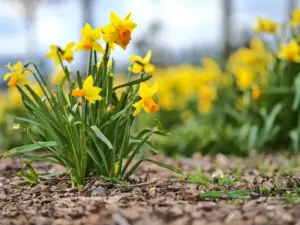
5 Best Bulbs for Fall Planting: Brighten Your Garden This Spring
Are you dreaming of a garden full of vibrant colors in the spring? The key [...]
Aug
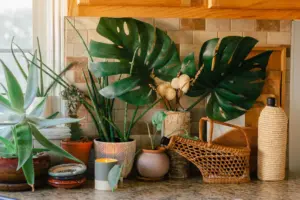
How to Repot Houseplants Like a Pro
Do your houseplants look like they’ve outgrown their pots? Are their roots popping out of [...]
Aug
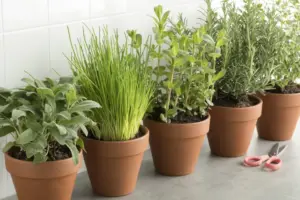
10 Houseplants That Will Thrive in Your Kitchen
Are you tired of your kitchen feeling dull and lifeless? Want to add a little [...]
Aug
Reviews
There are no reviews yet.