


Pasque Flower Seeds – 20 Count Heirloom Anemone patens wolfgangiana
Original price was: 32.99 $.12.99 $Current price is: 12.99 $.
Cultivate stunning pasque flower seeds (Anemone patens wolfgangiana) with this pack of 20 heirloom seeds. Ideal for creating a vibrant garden space and supporting local pollinators. These beautiful perennials offer early spring blooms.
Estimated arrival
Sep 19
Sep 24 - Sep 26
Sep 26 - Oct 01
See our Shipping Policy.
Get in touch with us via email, and our team will review your concerns.
Our Alive & Thrive Guarantee covers issues with your plants within the first 30 days. Read our Refund & Returns Policy.
-
USDA Hardiness Zone
USDA Zones 3-7 -
Soil Type
Well-draining, sandy or gravelly loam -
Sunlight Exposure
Full sun to partial shade -
Expected Planting Period
Late fall or early spring
Overview
Transform your garden into a haven of early spring beauty with our premium pasque flower seeds. This packet contains 20 heirloom seeds of the exquisite Anemone patens wolfgangiana, a captivating perennial known for its delicate, cup-shaped blooms and feathery seed heads. Pasque Flowers are among the first to emerge after winter, signaling the arrival of spring with their charming purple, white, or reddish-purple petals. These resilient plants are a fantastic choice for rock gardens, borders, or naturalized areas, providing both visual appeal and ecological benefits. Growing Pasque Flowers from seed offers a rewarding experience, allowing you to cultivate these hardy and beautiful plants from their very beginning.
The Anemone patens wolfgangiana, commonly known as Pasque Flower, is a species native to various regions, thriving in well-drained soils and full to partial sun. Its unique furry stems and leaves add to its allure, making it a standout in any garden setting. These plants are not only beautiful but also incredibly beneficial for early-season pollinators, providing a crucial food source when other flowers are yet to bloom. Embark on a delightful gardening journey by planting these heirloom seeds and enjoy the enchanting presence of Pasque Flowers year after year.
Key Benefits
Our pasque flower seeds offer numerous advantages for both your garden and the local ecosystem. They are a wonderful addition for anyone looking to add early spring color and support wildlife.
- Early Spring Blooms: Be among the first to witness vibrant color in your garden after winter’s chill. Pasque Flowers are one of the earliest perennials to bloom, bringing joy and life to your landscape when other plants are still dormant. Their timely appearance makes them a cherished sight for gardeners eager for spring.
- Pollinator Attraction: These flowers are a vital early food source for bees and other beneficial insects. By planting anemone patens wolfgangiana, you contribute to a healthy ecosystem, ensuring that pollinators have access to nectar and pollen when they need it most, helping to sustain local insect populations.
- Heirloom Quality: Our seeds are open-pollinated heirloom varieties, ensuring genetic purity and robust growth. Heirloom seeds allow you to save seeds for future plantings, preserving the unique characteristics of these beautiful flowers for generations to come. They offer a connection to gardening traditions and sustainable practices.
- Low Maintenance Perennial: Once established, Pasque Flowers are remarkably hardy and require minimal care. They are drought-tolerant and can thrive in various conditions, making them an excellent choice for busy gardeners or those new to perennial gardening. Their resilience ensures long-term beauty with little effort.
- Unique Garden Texture: Beyond their beautiful blooms, Pasque Flowers boast attractive, feathery seed heads that add visual interest to the garden long after the petals have fallen. This unique texture provides extended appeal, making them a multi-season plant that enhances your landscape throughout the growing season.
- Versatile Landscaping: Perfect for rock gardens, borders, naturalized areas, or mass plantings. Their compact size and charming appearance make them suitable for a wide range of garden designs, adding a touch of wild elegance wherever they are planted. They adapt well to different garden styles.
Plant Care & Growing Tips
Growing pasque flower seeds is a rewarding experience that yields beautiful, early-blooming perennials. To ensure successful germination and robust plant growth, it’s essential to provide the right conditions and care. Pasque Flowers thrive in a location that receives full sun to partial shade. They prefer at least 6 hours of direct sunlight per day, especially in cooler climates, but can benefit from some afternoon shade in hotter regions to prevent stress. Good air circulation is also important to prevent fungal issues.
The key to successful Pasque Flower cultivation lies in well-draining soil. These plants are highly susceptible to root rot in waterlogged conditions. A sandy or gravelly loam with a neutral to slightly alkaline pH is ideal. If your soil is heavy clay, amend it with organic matter and grit to improve drainage. For best results, sow heirloom flower seeds directly outdoors in late fall or early spring. Pasque Flower seeds benefit from a period of cold stratification, so fall planting allows nature to do the work. If planting in spring, stratify seeds in the refrigerator for 4-6 weeks before sowing. Plant seeds about 1/4 inch deep and keep the soil consistently moist until germination, which can take several weeks.
Once established, Pasque Flowers are relatively drought-tolerant, but they will benefit from occasional watering during prolonged dry spells, especially during their first year. Avoid overwatering. Fertilization is generally not necessary, as these plants prefer lean soil; too much fertilizer can lead to lush foliage but fewer flowers. Deadhead spent blooms if you don’t want the plants to self-seed, or leave them to enjoy the attractive seed heads. Pasque Flowers are hardy in USDA zones 3-7 and can tolerate cold temperatures, making them a resilient choice for many northern climates. Protect young plants from pests like slugs and snails. These perennial flower seeds will bring beauty for years to come with minimal effort.
Size & Details
This product includes 20 high-quality pasque flower seeds, specifically the heirloom variety Anemone patens wolfgangiana. When mature, Pasque Flowers typically grow to a height of 8 to 12 inches with a similar spread, forming attractive clumps. These plants have a moderate growth rate, establishing themselves well within the first year, though they may take a season or two to reach their full flowering potential. The seeds come in a protective packet, ensuring their viability upon arrival. Expect blooms in early spring, often in April or May, depending on your climate and planting time. The flowers are typically 2-3 inches in diameter, followed by distinctive feathery seed heads. These pollinator garden seeds are an excellent way to start your collection of these charming and beneficial plants.
Frequently Asked Questions
- Q: How big do Pasque Flowers get? A: Pasque Flowers typically grow 8 to 12 inches tall and spread about the same width, forming a compact, clumping perennial.
- Q: Is this an indoor or outdoor plant? A: Pasque Flowers are primarily outdoor plants, thriving in garden beds, rock gardens, and naturalized areas. They are not suitable for long-term indoor cultivation.
- Q: How much sunlight do Pasque Flowers need? A: These plants prefer full sun to partial shade, ideally receiving at least 6 hours of direct sunlight per day. In very hot climates, some afternoon shade can be beneficial.
- Q: Is this plant easy to care for? A: Yes, once established, Pasque Flowers are considered low-maintenance and drought-tolerant, making them a good choice for both beginner and experienced gardeners.
- Q: What condition will the pasque flower seeds arrive in? A: The seeds will arrive in a sealed packet to ensure their freshness and viability, ready for planting.
- Q: How long until Pasque Flowers bloom from seed? A: Pasque Flowers typically bloom in their second year when grown from seed, though some may produce a few flowers in their first year under ideal conditions.
- Q: When is the best time to plant anemone patens wolfgangiana seeds? A: The best time to plant is in late fall or very early spring. Fall planting allows for natural cold stratification, which aids germination.
- Q: What type of soil do Pasque Flowers prefer? A: They require well-draining soil, such as a sandy or gravelly loam. Avoid heavy, waterlogged soils to prevent root rot.
- Q: Will Pasque Flowers survive winter in my zone? A: Pasque Flowers are very cold hardy and thrive in USDA Zones 3-7, making them suitable for most temperate climates.
- Q: Are these heirloom flower seeds good for attracting specific pollinators? A: Yes, Pasque Flowers are excellent for attracting early-season bees and other beneficial insects, providing a crucial food source when other flowers are scarce.
Be the first to review “Pasque Flower Seeds – 20 Count Heirloom Anemone patens wolfgangiana”
Related products


You May Like
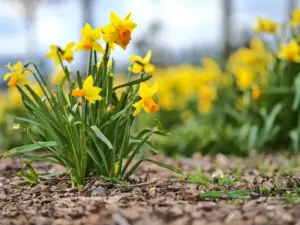
5 Best Bulbs for Fall Planting: Brighten Your Garden This Spring
Are you dreaming of a garden full of vibrant colors in the spring? The key [...]
Aug
How to Repot Houseplants Like a Pro
Do your houseplants look like they’ve outgrown their pots? Are their roots popping out of [...]
Aug

10 Houseplants That Will Thrive in Your Kitchen
Are you tired of your kitchen feeling dull and lifeless? Want to add a little [...]
Aug
Reviews
There are no reviews yet.