
Pinguicula primuliflora Live Plant – Butterwort Carnivorous Plant, 2.5″ Pot
Original price was: 59.99 $.39.99 $Current price is: 39.99 $.
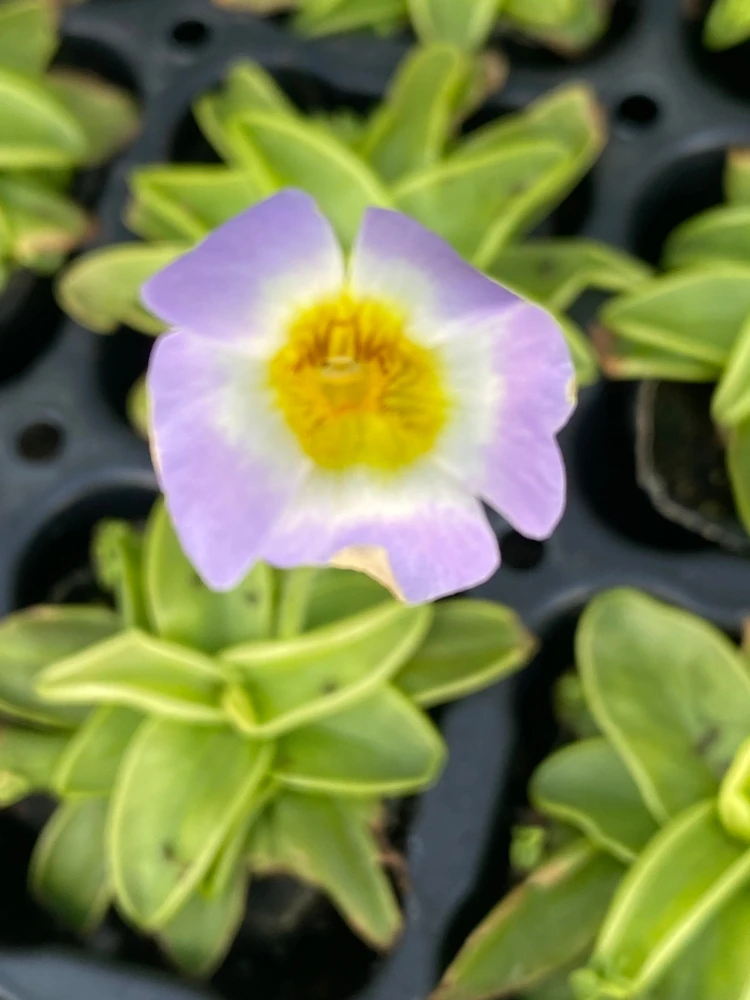
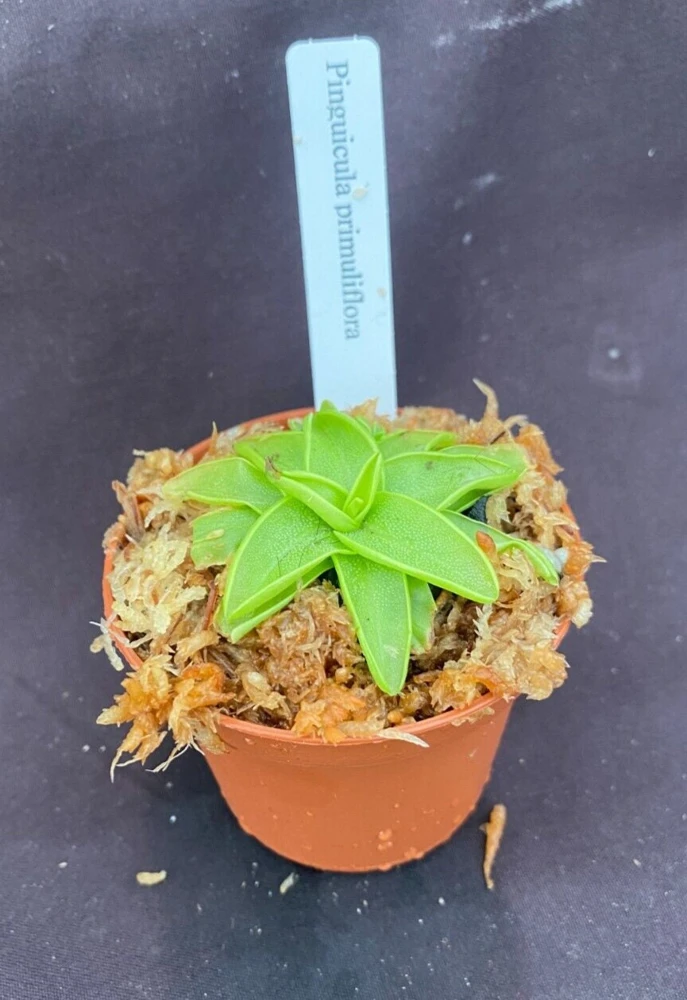
Bring home a fascinating Pinguicula primuliflora live plant, commonly known as a butterwort. This unique butterwort carnivorous plant thrives outdoors in bog conditions, featuring sticky leaves to trap insects and producing beautiful blue flowers. Shipped rooted in a 2.5″ pot, it’s an excellent addition for any enthusiast looking for an intriguing outdoor bog plant.
Estimated arrival
Sep 19
Sep 24 - Sep 26
Sep 26 - Oct 01
See our Shipping Policy.
Get in touch with us via email, and our team will review your concerns.
Our Alive & Thrive Guarantee covers issues with your plants within the first 30 days. Read our Refund & Returns Policy.
-
USDA Hardiness Zone
USDA zones 8-11 (with protection in colder zones) -
Soil Type
Sphagnum peat moss and perlite/sand mix -
Sunlight Exposure
Full sun -
Expected Planting Period
Spring to fall
Overview
Introduce an extraordinary botanical specimen to your outdoor garden with the Pinguicula primuliflora live plant. This captivating carnivorous plant, often referred to as a butterwort, is renowned for its unique method of insect capture and digestion. Belonging to the Lentibulariaceae family, Pinguicula species utilize sticky, glandular leaves to effectively lure, trap, and break down small insects, supplementing the poor mineral nutrition typically found in their natural bog environments. The Pinguicula primuliflora live plant is not just a fascinating insectivore; it also boasts charming blue, Primula-like flowers that add an unexpected touch of beauty to its predatory nature. Unlike many common houseplants, this particular butterwort thrives specifically outdoors, making it an ideal choice for dedicated bog gardens or container water features where it can receive ample sunlight and consistent moisture.
Cultivating a butterwort carnivorous plant offers a rewarding experience for gardeners interested in unusual and low-maintenance flora. Its ability to manage common garden pests naturally, combined with its aesthetic appeal, makes it a double asset. This species is particularly well-suited for those looking to create a specialized habitat for carnivorous plants, providing a glimpse into the intricate world of botanical adaptation. The unique texture and vibrant green of its leaves, often tinged with red in bright light, further enhance its visual appeal. Adding a Pinguicula primuliflora live plant to your collection is an excellent way to diversify your garden and observe nature’s ingenuity firsthand.
Key Benefits
The Pinguicula primuliflora live plant offers a range of compelling benefits beyond its striking appearance, making it a valuable addition to specific garden settings. Its carnivorous nature provides an intriguing spectacle and practical advantages.
- Natural Pest Control: As a butterwort carnivorous plant, it effectively traps and digests small insects like gnats, fruit flies, and mosquitoes. This natural pest management reduces the need for chemical sprays in its immediate vicinity, contributing to a healthier garden ecosystem.
- Unique Aesthetic Appeal: With its rosette of succulent, sticky leaves and delicate blue flowers, the Pinguicula primuliflora adds an exotic and captivating element to any outdoor bog garden or specialized container. Its unusual form is a conversation starter.
- Low Maintenance for Specific Conditions: Once established in its preferred outdoor bog environment with consistent moisture and full sun, this plant requires minimal intervention. It thrives on neglect when its basic environmental needs are met, making Pinguicula plant care surprisingly straightforward for the right setup.
- Educational Value: Observing the carnivorous habits of the Pinguicula primuliflora live plant provides an excellent educational opportunity for children and adults alike, illustrating biological adaptations and ecological interactions in a tangible way.
- Habitat Creation: Growing an outdoor bog plant like this helps create a microhabitat that supports diverse life forms, contributing to biodiversity in your garden space. It’s a key component for authentic bog garden designs.
- Beautiful Seasonal Blooms: Beyond its carnivorous leaves, this Pinguicula produces charming, primula-like blue flowers, adding a splash of color and elegance during its blooming season.
Plant Care & Growing Tips
Proper Pinguicula plant care is crucial for the health and vitality of your Pinguicula primuliflora live plant. This species has specific environmental needs due to its carnivorous nature and preference for bog-like conditions. Unlike typical houseplants, it must be grown outdoors to thrive. It requires full sun exposure, meaning at least 6-8 hours of direct sunlight daily. In hotter climates, some afternoon shade can be beneficial to prevent scorching, but generally, the more sun, the better for robust growth and vibrant coloration. Consistent moisture is paramount; the plant should always be kept standing in about 1-2 inches of pure water (rainwater, distilled water, or reverse osmosis water are ideal, as tap water often contains minerals that can harm carnivorous plants). Never let the soil dry out.
The soil mix for your butterwort carnivorous plant should be a lean, acidic, and nutrient-poor substrate. A common and effective mix consists of sphagnum peat moss and perlite or coarse sand in a 1:1 ratio. Avoid using standard potting soil, compost, or fertilizers, as these contain nutrients that can be detrimental to carnivorous plants adapted to nutrient-deficient environments. Fertilization is generally not required; the plant obtains its necessary nutrients from the insects it captures. If your plant is not catching enough insects, you may occasionally offer small, live insects, but this is rarely necessary in an outdoor setting. The ideal temperature range for this outdoor bog plant is broad, tolerating typical outdoor fluctuations, but it generally prefers warmer conditions during its active growing season and can tolerate mild frosts if adequately protected or allowed to go dormant.
Repotting should be done every 1-2 years to refresh the soil and provide room for growth. Always use the recommended carnivorous plant soil mix. Watch out for common pests like aphids or mealybugs, though these are less common on outdoor carnivorous plants. If infestations occur, gently rinse them off with pure water or use a dilute insecticidal soap specifically formulated for sensitive plants. Ensuring your carnivorous plant for sale from us thrives means adhering to these specific care guidelines, particularly regarding water quality and light exposure.
Size & Details
Each Pinguicula primuliflora live plant is shipped as a rooted specimen, ready for immediate planting into your bog garden or suitable container. The plant arrives securely nestled in a 2.5-inch nursery pot, providing a healthy root system for successful transplanting. At maturity, this butterwort typically forms a compact rosette of leaves, generally reaching an approximate diameter of 3-5 inches. The height remains relatively low, usually around 1-2 inches, with flower stalks extending a few inches above the foliage when in bloom. This particular butterwort carnivorous plant exhibits a moderate growth rate, gradually expanding its rosette and producing offsets over time, which can be divided to propagate new plants.
The size of the plant at shipment is ideal for establishing quickly in its new environment. While individual growth can vary based on light and specific care, you can expect a robust and healthy plant that will soon adapt and begin its insect-trapping activities. It is important to note that this is a live plant, and slight variations in size and appearance upon arrival are natural. The 2.5-inch pot provides enough space for the roots to remain undisturbed during transit, ensuring a smooth transition to your chosen planting location. For those seeking a vibrant carnivorous plant for sale, this Pinguicula offers both beauty and unique biological interest.
Frequently Asked Questions
- Q: What size pot does the Pinguicula primuliflora come in? A: Each Pinguicula primuliflora live plant is shipped rooted in a 2.5-inch nursery pot, ensuring it has a healthy root system and is ready for transplanting into your outdoor bog garden or suitable container.
- Q: Is this an indoor or outdoor plant? A: This particular Pinguicula primuliflora is explicitly an outdoor bog plant. It thrives in full sun and consistent moisture, making it unsuitable as a typical indoor houseplant.
- Q: How much sunlight does the butterwort carnivorous plant need? A: The butterwort carnivorous plant requires full sun exposure, ideally 6-8 hours of direct sunlight per day. Adequate light encourages vibrant foliage and robust growth.
- Q: Is this plant easy to care for? A: For the right outdoor bog conditions, Pinguicula plant care is considered relatively easy. The key is consistent pure water, full sun, and the correct nutrient-poor soil mix.
- Q: What condition will my carnivorous plant for sale arrive in? A: Your carnivorous plant for sale will arrive as a healthy, rooted plant in its 2.5-inch pot, carefully packaged to ensure its safe journey and readiness for planting.
- Q: What kind of water should I use for my Pinguicula? A: Always use pure water such as rainwater, distilled water, or reverse osmosis water. Tap water often contains minerals that can harm this delicate outdoor bog plant.
- Q: How big does the Pinguicula primuliflora get? A: This butterwort typically forms a compact rosette about 3-5 inches in diameter, with flower stalks extending a few inches above the foliage.
- Q: When does it bloom? A: The Pinguicula primuliflora live plant produces beautiful blue, primula-like flowers during its growing season, which can vary depending on climate and specific growing conditions.
- Q: Can I use regular potting soil for this plant? A: No, you must not use regular potting soil. The butterwort carnivorous plant requires a specific, nutrient-poor substrate like sphagnum peat moss and perlite or sand.
- Q: What is the ideal temperature for this carnivorous plant? A: As an outdoor bog plant, it tolerates a range of outdoor temperatures. It thrives in warmer conditions during its active growth but can withstand mild frosts.
Be the first to review “Pinguicula primuliflora Live Plant – Butterwort Carnivorous Plant, 2.5″ Pot”
Related products


Aquatic Plants
Java Moss Live Aquatic Plant – 5 Portions Vesicularia Dubyana – Beginner Aquarium Moss


Aquatic Plants
5 lb Volcanic Lava Rock Bio Filter Media – Aquarium, Fire Pit & Grill – Natural Genuine Stone

You May Like
5 Best Bulbs for Fall Planting: Brighten Your Garden This Spring
Are you dreaming of a garden full of vibrant colors in the spring? The key [...]
Aug
How to Repot Houseplants Like a Pro
Do your houseplants look like they’ve outgrown their pots? Are their roots popping out of [...]
Aug
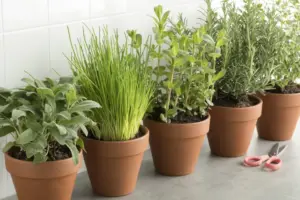
10 Houseplants That Will Thrive in Your Kitchen
Are you tired of your kitchen feeling dull and lifeless? Want to add a little [...]
Aug
Reviews
There are no reviews yet.