
Pink Lipstick Swiss Chard Seeds – Colorful Annual Vegetable Seeds for Garden
From 10.77 $
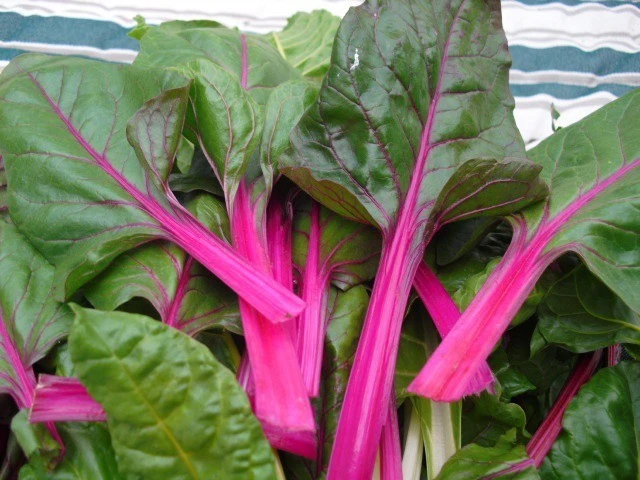
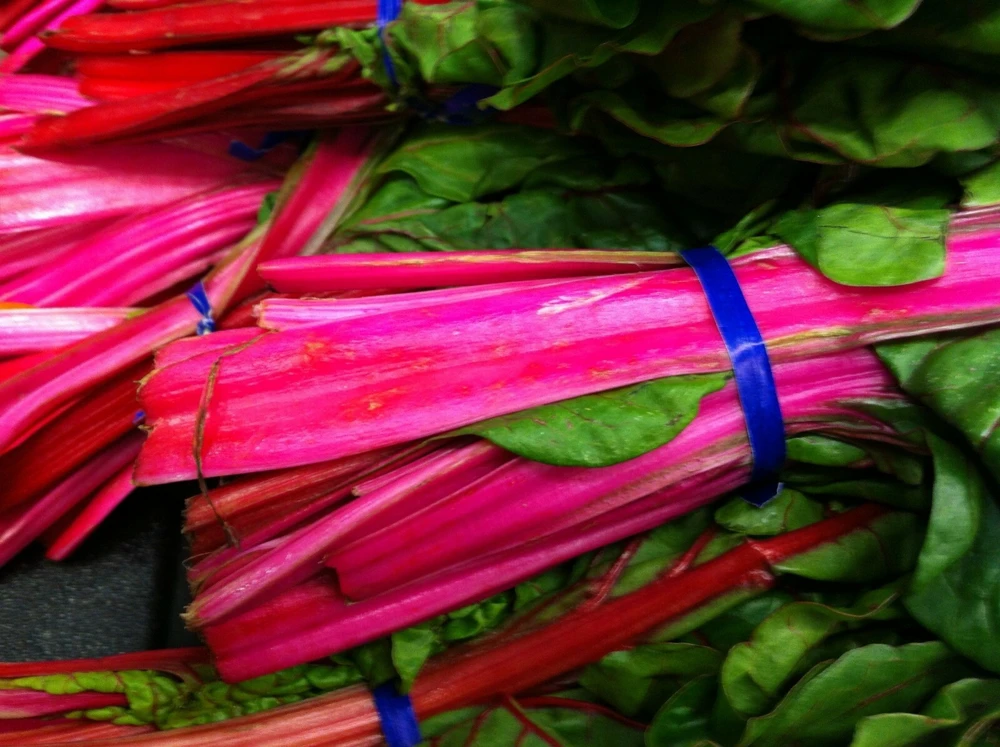
Discover the beauty and flavor of pink lipstick swiss chard seeds. These swiss chard seeds produce stunning plants with bright neon pink stems and green leaves, perfect for adding a pop of color to your garden and culinary creations. An easy to grow chard variety, ideal for both novice and experienced gardeners seeking colorful salad greens.
Estimated arrival
Sep 19
Sep 24 - Sep 26
Sep 26 - Oct 01
See our Shipping Policy.
Get in touch with us via email, and our team will review your concerns.
Our Alive & Thrive Guarantee covers issues with your plants within the first 30 days. Read our Refund & Returns Policy.
-
USDA Hardiness Zone
Zones 3-12 -
Soil Type
Clay, Loam, well-draining -
Sunlight Exposure
Full Sun -
Expected Planting Period
Spring, Summer, Fall (8 Weeks to Maturity)
Overview
Cultivate a splash of color and nutrition in your garden with our premium pink lipstick swiss chard seeds. This annual vegetable, known for its striking appearance, features vibrant green leaves complemented by brilliant neon pink stems, making it a true standout. Often referred to as Pink Chard or Magenta Chard, this variety of Beta vulgaris cicla is not only beautiful but also a highly nutritious addition to any diet. Whether you’re an avid gardener looking to enhance your landscape or a home cook eager to grow your own colorful salad greens, these seeds offer an exciting opportunity. The pink lipstick swiss chard seeds are perfect for adding visual interest to your garden beds and providing a continuous harvest of tender, flavorful leaves.
Growing your own chard from these swiss chard seeds allows you to enjoy fresh, organic produce right from your backyard. This particular variety is celebrated for its robust growth and adaptability, thriving in various climates and soil conditions. The captivating hues of the stems make it an excellent choice for edible landscaping, blending seamlessly with ornamental plants while serving a practical purpose. Prepare to be amazed by the ease of cultivation and the stunning visual impact of this exceptional chard.
Key Benefits
Growing pink lipstick swiss chard seeds offers numerous advantages, from enhancing your garden’s aesthetic to providing a healthy food source. These benefits make it a highly desirable choice for any home gardener.
- Vibrant Visual Appeal: The bright neon pink stems create a stunning contrast with the deep green leaves, making this chard an ornamental marvel. It’s perfect for adding a unique visual element to garden beds, containers, or even as an attractive border plant.
- Nutrient-Rich Harvest: Swiss chard is packed with vitamins A, C, and K, as well as essential minerals like magnesium, potassium, and iron. Incorporating these colorful salad greens into your diet supports overall health and well-being.
- Versatile Culinary Use: Both the leaves and stems are edible. The tender leaves can be used raw in salads, while the stems and larger leaves can be sautéed, steamed, or added to stir-fries, soups, and stews.
- Easy Cultivation: This variety is known for being an easy to grow chard, suitable for gardeners of all experience levels. It tolerates a range of conditions and requires minimal specialized care once established.
- Extended Harvest Season: Swiss chard can be harvested over a long period, providing fresh greens from spring through fall, and often into mild winters. Regular harvesting encourages more leaf production.
- Adaptable to Various Climates: Thriving in cold, sub-tropical, and temperate climates, this chard is a resilient choice for many regions, particularly in USDA Hardiness Zones 3-12.
- Quick Growth: With a planting time of approximately 8 weeks to maturity, you won’t have to wait long to enjoy your first harvest of this beautiful hot pink chard.
Plant Care & Growing Tips
Cultivating pink lipstick swiss chard seeds is a rewarding experience, particularly given its easy-to-grow nature. To ensure a bountiful harvest and vibrant plants, understanding its specific care requirements is key. Swiss chard thrives in a location that receives full sun, meaning at least 6 hours of direct sunlight per day. While it can tolerate some partial shade, especially in hotter climates, full sun encourages the most vigorous growth and intense stem coloration. These seeds are best planted outdoors, directly into the garden bed once the danger of hard frost has passed, or started indoors 4-6 weeks before the last frost date for an earlier harvest.
The ideal soil for swiss chard seeds is well-draining, rich in organic matter, with a pH between 6.1 and 7.5. Clay and loam soil types are suitable, provided they are amended with compost to improve fertility and drainage. Consistent moisture is crucial for healthy chard growth, so regular watering to keep the soil evenly moist but not waterlogged is recommended. Avoid letting the soil dry out completely, as this can lead to tough, bitter leaves. Fertilize every 4-6 weeks with a balanced organic fertilizer to support continuous growth. This easy to grow chard is relatively pest-resistant, but keep an eye out for common garden pests like aphids and slugs, treating with organic solutions if necessary.
With proper care, your hot pink chard plants will provide a continuous supply of delicious and decorative leaves. Harvesting can begin when leaves are young and tender, about 4-6 inches long, by picking the outer leaves first. This method encourages the plant to produce more leaves from the center, extending your harvest season. The clumping growth habit of this chard makes it easy to manage and harvest from throughout the growing season, providing you with fresh colorful salad greens for months.
Size & Details
These pink lipstick swiss chard seeds will develop into robust, clumping plants, typically reaching a height of 12-18 inches with a similar spread. The seeds are annuals, completing their life cycle within one growing season but providing a long harvest window. They are suitable for growing in USDA Hardiness Zones 3-12, demonstrating excellent adaptability across various climates, including cold, sub-tropical, and temperate regions. The vibrant neon pink stems are a distinguishing feature, making this chard highly sought after for both its beauty and nutritional value. Expect to begin harvesting approximately 8 weeks after planting, with continuous production through fall. The seeds are ideal for direct sowing outdoors or starting indoors for transplanting.
Each packet contains high-quality swiss chard seeds, ensuring a good germination rate and healthy plant development. The medium watering requirement and full sun preference make this an accessible plant for most garden settings. Its ease of cultivation and striking appearance make it a favorite among gardeners looking for unique and productive vegetables. The mature plants will provide a steady supply of fresh, colorful leaves, perfect for a wide range of culinary uses and adding an aesthetic touch to your garden.
Frequently Asked Questions
- Q: How big does this plant get? A: Pink lipstick swiss chard seeds grow into plants that typically reach 12-18 inches in height and spread, forming an attractive clump. Its size makes it suitable for both garden beds and larger containers.
- Q: Is this an indoor or outdoor plant? A: This chard is primarily an outdoor plant, thriving in full sun. While it can be grown in containers, it requires ample light and space to reach its full potential.
- Q: How much sunlight does it need? A: Pink lipstick swiss chard seeds require full sun, meaning at least 6 hours of direct sunlight per day, for optimal growth and the most vibrant stem coloration.
- Q: Is this plant easy to care for? A: Yes, this is an easy to grow chard variety, making it suitable for gardeners of all skill levels. It’s relatively low-maintenance once established, requiring consistent watering and good soil.
- Q: What condition will the seeds arrive in? A: You will receive high-quality swiss chard seeds in a protective packet, ready for planting. They are carefully packaged to ensure viability upon arrival.
- Q: When is the best time to plant? A: The best time to plant these colorful salad greens is in spring after the last frost, or in late summer for a fall harvest. For an earlier start, seeds can be sown indoors 4-6 weeks before the last frost.
- Q: Will it survive winter in my zone? A: As an annual, it typically completes its life cycle in one season. However, in milder climates (USDA Zones 8-12), it may continue producing through winter or self-seed. It is hardy in Zones 3-12 during its growing season.
- Q: Can I use this chard in cooking? A: Absolutely! Both the leaves and the striking hot pink chard stems are edible and delicious. They can be used raw in salads, or cooked in a variety of dishes like stir-fries, soups, and sautéed greens.
- Q: What kind of soil does it prefer? A: Swiss chard prefers well-draining soil rich in organic matter, with a pH between 6.1 and 7.5. Clay and loam soils are suitable when properly amended.
- Q: How often should I water it? A: Water regularly to keep the soil consistently moist but not waterlogged. Avoid letting the soil dry out completely, especially during hot weather.
| Seed Quantity | 10K Seeds Or 1/2 Lb, 1250 Seeds Or 1 Oz, 150 Seeds Or 1/8 Oz, 20K Seeds Or 1 Lb, 2500 Seeds Or 2 Oz, 35 Seeds, 5000 Seeds Or 1/4 Lb, 75 Seeds |
|---|
Be the first to review “Pink Lipstick Swiss Chard Seeds – Colorful Annual Vegetable Seeds for Garden”
Related products


Vegetable Seeds
3000 White Boston Lettuce Seeds – Green Butterhead Vegetable, Lactuca Sativa, 6-12″ Tall


Vegetable Seeds
Job’s Tears Seeds – Coix Lacryma Vegetable Seeds – 20 Count for Edible & Decorative Use
You May Like
5 Best Bulbs for Fall Planting: Brighten Your Garden This Spring
Are you dreaming of a garden full of vibrant colors in the spring? The key [...]
Aug
How to Repot Houseplants Like a Pro
Do your houseplants look like they’ve outgrown their pots? Are their roots popping out of [...]
Aug
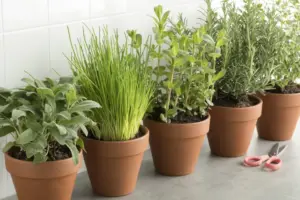
10 Houseplants That Will Thrive in Your Kitchen
Are you tired of your kitchen feeling dull and lifeless? Want to add a little [...]
Aug
Reviews
There are no reviews yet.