
Plantain Tree Live Plant – Tropical Fruit Tree for Home Gardens
Original price was: 91.99 $.71.99 $Current price is: 71.99 $.
Cultivate your own tropical harvest with this beautiful plantain tree live plant. Ideal for warm climates, this tropical fruit tree produces delicious fruit and adds a lush, exotic touch to your garden or patio. Easy to grow with proper care.
Estimated arrival
Sep 19
Sep 24 - Sep 26
Sep 26 - Oct 01
See our Shipping Policy.
Get in touch with us via email, and our team will review your concerns.
Our Alive & Thrive Guarantee covers issues with your plants within the first 30 days. Read our Refund & Returns Policy.
-
USDA Hardiness Zone
USDA zones 9-11 -
Soil Type
Rich, well-draining soil -
Sunlight Exposure
Full sun to partial shade -
Expected Planting Period
Year-round in warm climates; spring to early summer in cooler climates (container grown)
Overview
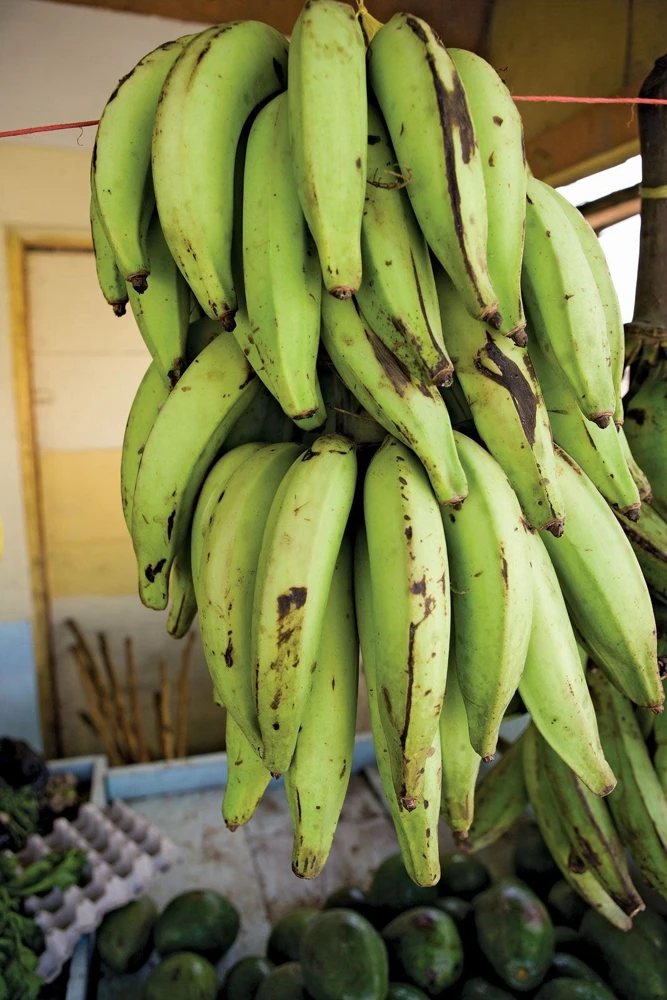
Bring the tropics to your backyard with a vibrant plantain tree live plant. This impressive specimen, scientifically known as Musa paradisiaca, is a true gem for any gardening enthusiast looking to cultivate their own tropical produce. Unlike dessert bananas, plantains are typically cooked before eating and are a staple food in many equatorial regions, offering a rich source of vitamins and minerals. Our plantain tree live plant is ready to thrive in your garden, providing both ornamental beauty and a delicious harvest. Imagine harvesting your own fresh plantains, perfect for frying, baking, or grilling, right from your own home. This robust tropical fruit tree is a fantastic addition for those in suitable climates or with the ability to provide adequate indoor protection.
Growing a plantain tree live plant is a rewarding experience, transforming your outdoor space into a productive and exotic paradise. These fast-growing trees can reach impressive heights, creating a dramatic focal point with their large, lush leaves. They are not only productive but also add significant aesthetic value to any landscape. Whether you’re an experienced gardener or just starting your journey into tropical fruit cultivation, a plantain tree offers an exciting and delicious challenge. Embrace the joy of fresh, home-grown produce with this exceptional plant.
Key Benefits
Investing in a plantain tree offers numerous advantages beyond just fresh fruit. Here are some key benefits of growing your own plantain tree live plant:
-
Fresh, Homegrown Produce
Enjoy the unparalleled taste of freshly harvested plantains, free from pesticides and ripened naturally on the tree. This ensures maximum flavor and nutritional value for your culinary creations.
-
Exotic Garden Aesthetic
The large, paddle-shaped leaves of the plantain tree create a stunning, tropical ambiance in any garden or patio setting. It’s a fantastic way to add an exotic touch and vibrant greenery to your outdoor space.
-
Nutritional Value
Plantains are a rich source of vitamins, particularly Vitamin C and B6, and minerals like potassium and magnesium. Growing plantains allows you to incorporate these healthy ingredients into your diet regularly.
-
Educational Experience
For families and children, growing a tropical fruit tree like a plantain offers a wonderful educational opportunity to learn about plant life cycles, tropical agriculture, and sustainable food practices.
-
Sustainable Living
Cultivating your own food reduces reliance on commercially grown produce, supporting a more sustainable and environmentally friendly lifestyle. A plantain tree live plant contributes to your self-sufficiency.
-
Fast Growing
Plantain trees are known for their relatively fast growth rate, meaning you won’t have to wait years to see your efforts bear fruit. With proper care, they can produce fruit within a year or two.
-
Culinary Versatility
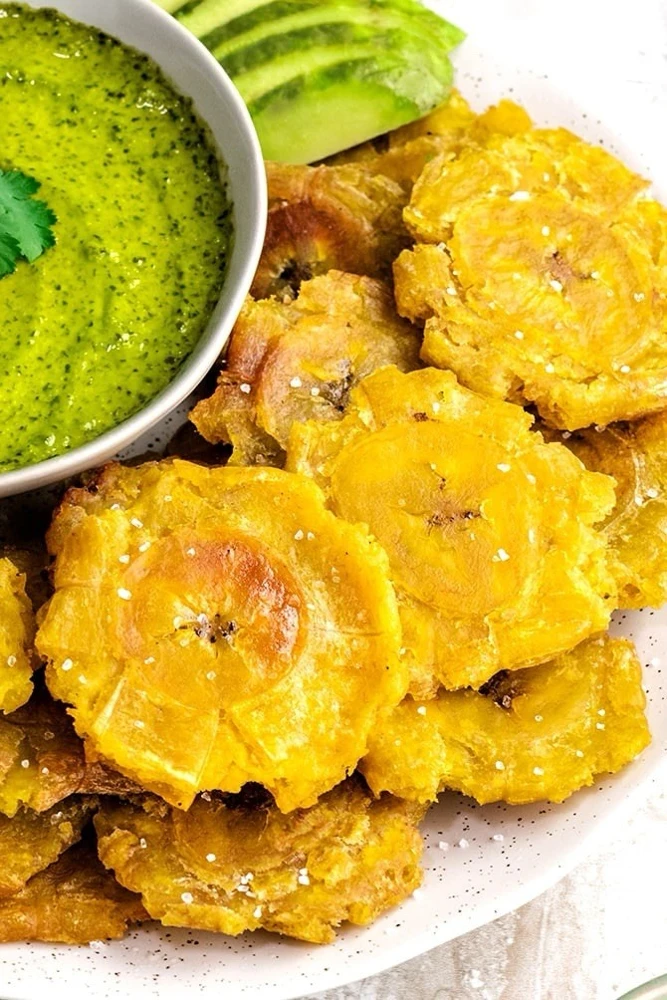
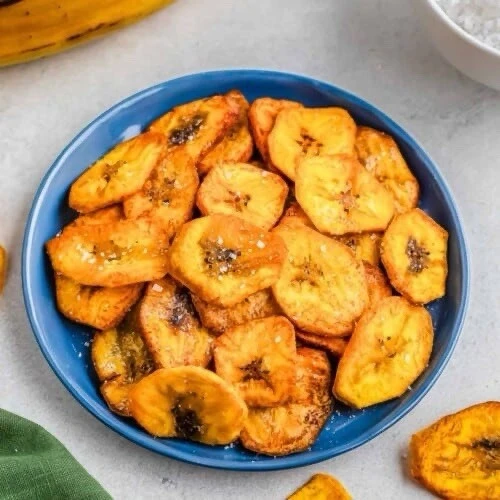
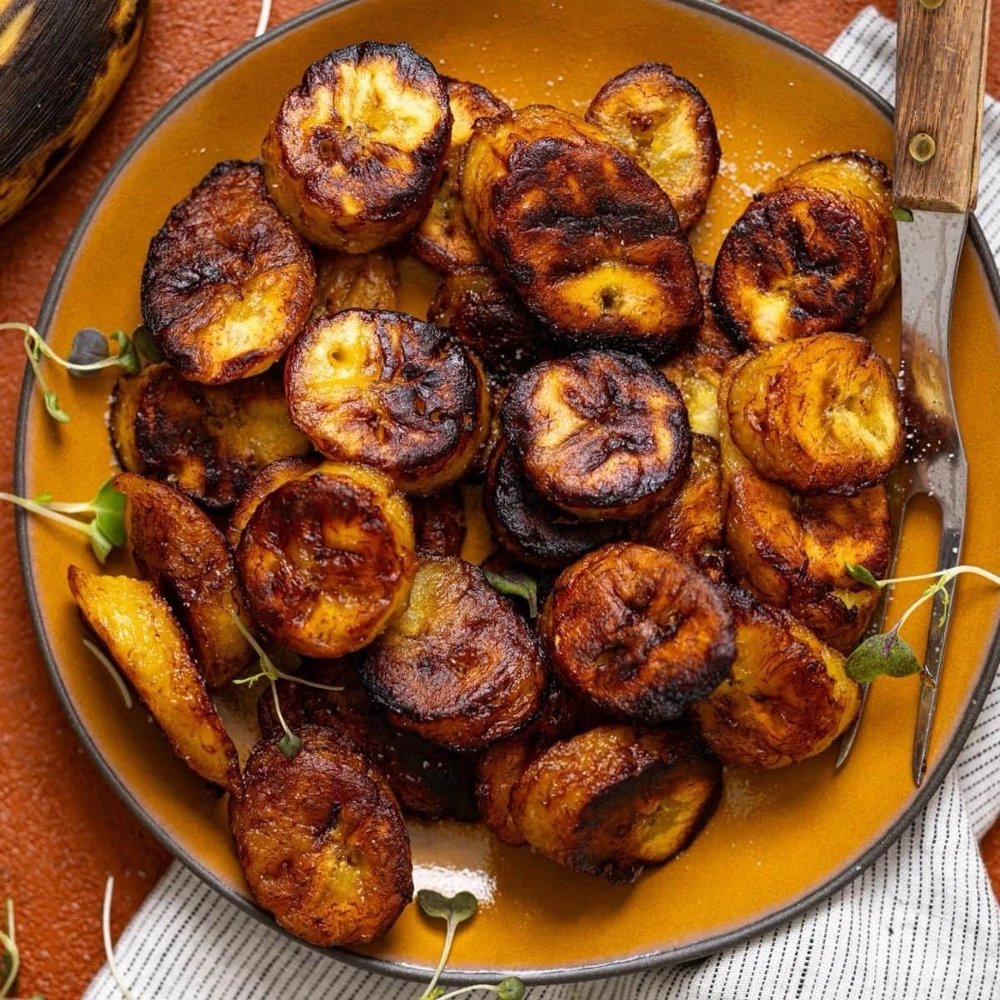
Plantains are incredibly versatile in the kitchen, suitable for savory dishes when green and sweet preparations when ripe. This opens up a world of culinary possibilities for those interested in growing plantain.
Plant Care & Growing Tips
To ensure your plantain tree live plant thrives and produces abundant fruit, proper care is essential. Plantains are tropical plants and require specific conditions to flourish. They prefer full sun, meaning at least 6-8 hours of direct sunlight per day. In very hot climates, a little afternoon shade can be beneficial to prevent leaf scorch. When considering plantain care, adequate watering is crucial. The soil should be kept consistently moist but not waterlogged. Water deeply several times a week, especially during dry spells and the growing season. Reduce watering frequency in cooler months.
The ideal soil for a tropical fruit tree like a plantain is rich, well-draining, and slightly acidic to neutral (pH 6.0-7.0). Amend heavy clay soils with organic matter like compost to improve drainage and aeration. For optimal growth and fruit production, plantains are heavy feeders. Fertilize regularly during the growing season (spring through fall) with a balanced fertilizer high in potassium. A slow-release granular fertilizer or liquid feed every 2-4 weeks can be effective. Protect your plantain tree from strong winds, which can easily shred their large leaves. If you are growing plantain in a cooler climate, consider planting it in a large container that can be moved indoors during winter months to protect it from frost. Regular pruning of old or damaged leaves will also help maintain plant health and vigor.
Size & Details
This offering is for a healthy plantain tree live plant, typically shipped in a nursery pot. The exact height and pot size may vary based on current inventory and growth stage, but plants are generally established and ready for transplanting into a larger pot or your garden. Plantain trees are known for their rapid growth, often reaching mature heights of 10-20 feet (3-6 meters) within a few years when planted in ideal conditions. The broad, lush leaves can grow several feet long, creating a dramatic tropical canopy. Expect fruit production to begin within 1-2 years after planting, given proper care and a suitable climate. This tropical fruit tree is a long-term investment that will continue to produce for many years.
Frequently Asked Questions
-
Q: How big does this plantain tree get? A: A plantain tree live plant can typically grow to heights of 10-20 feet (3-6 meters) when mature. Its large leaves can also spread several feet wide, creating a significant tropical presence in your garden.
-
Q: Is this an indoor or outdoor plant? A: Plantain trees are tropical plants best suited for outdoor growing in warm climates. In regions with cold winters, they can be grown in large containers and moved indoors to protect them from frost, which is key for successful plantain care.
-
Q: How much sunlight does it need? A: For optimal growth and fruit production, your tropical fruit tree requires at least 6-8 hours of direct sunlight per day. Full sun is preferred, but some afternoon shade can be beneficial in extremely hot climates.
-
Q: Is this plant easy to care for? A: With consistent watering, proper fertilization, and protection from cold, growing plantain trees can be relatively straightforward. They are vigorous growers when their basic needs are met, making them suitable for gardeners with some experience.
-
Q: What condition will it arrive in? A: Your plantain tree live plant will arrive carefully packaged, typically in a nursery pot, ready for transplanting. We take great care to ensure the plant is healthy and protected during transit.
-
Q: Can I use plantains in cooking? A: Absolutely! Plantains are a culinary staple. Green plantains are starchy and best cooked savory, while ripe, yellow plantains are sweeter and can be used in desserts or fried for a sweet treat. This versatility makes Musa paradisiaca a fantastic addition to your kitchen.
-
Q: How long until it produces fruit? A: Under ideal conditions, a plantain tree live plant can begin producing fruit within 1 to 2 years after planting. Consistent care and a suitable climate will encourage faster fruiting.
-
Q: What’s the minimum temperature this plant can tolerate? A: Plantain trees are sensitive to cold. They generally thrive in temperatures above 50°F (10°C) and can be damaged or killed by frost. It’s crucial to protect them if temperatures drop below this threshold, highlighting the importance of proper plantain care in cooler zones.
-
Q: What kind of soil is best for growing plantains? A: Plantains prefer rich, well-draining soil with a slightly acidic to neutral pH (6.0-7.0). Good drainage is essential to prevent root rot. Amending the soil with plenty of organic matter will provide the best growing medium for your tropical fruit tree.
-
Q: Is this plant suitable for beginners? A: While growing plantain requires attention to its tropical needs, a dedicated beginner can succeed. Understanding its requirements for sun, water, and warmth is key. It’s a rewarding plant for those willing to learn about tropical fruit cultivation.
Be the first to review “Plantain Tree Live Plant – Tropical Fruit Tree for Home Gardens”
Related products


You May Like
5 Best Bulbs for Fall Planting: Brighten Your Garden This Spring
Are you dreaming of a garden full of vibrant colors in the spring? The key [...]
Aug
How to Repot Houseplants Like a Pro
Do your houseplants look like they’ve outgrown their pots? Are their roots popping out of [...]
Aug
10 Houseplants That Will Thrive in Your Kitchen
Are you tired of your kitchen feeling dull and lifeless? Want to add a little [...]
Aug
Reviews
There are no reviews yet.