
Purple Prairie Clover Seeds – Wildflower Seed Packet – Attracts Pollinators – Outdoor
From 10.77 $
Discover the beauty of purple prairie clover seeds, perfect for attracting beneficial pollinators to your garden. These easy-to-grow wildflower seeds produce vibrant purple blooms, adding natural charm and supporting local ecosystems. Ideal for outdoor planting in various climates.
Estimated arrival
Sep 19
Sep 24 - Sep 26
Sep 26 - Oct 01
See our Shipping Policy.
Get in touch with us via email, and our team will review your concerns.
Our Alive & Thrive Guarantee covers issues with your plants within the first 30 days. Read our Refund & Returns Policy.
-
USDA Hardiness Zone
Zones 6-9 -
Soil Type
Well-Drained, Sandy -
Sunlight Exposure
Full Sun, Partial Shade -
Expected Planting Period
Spring after cold stratification
Overview
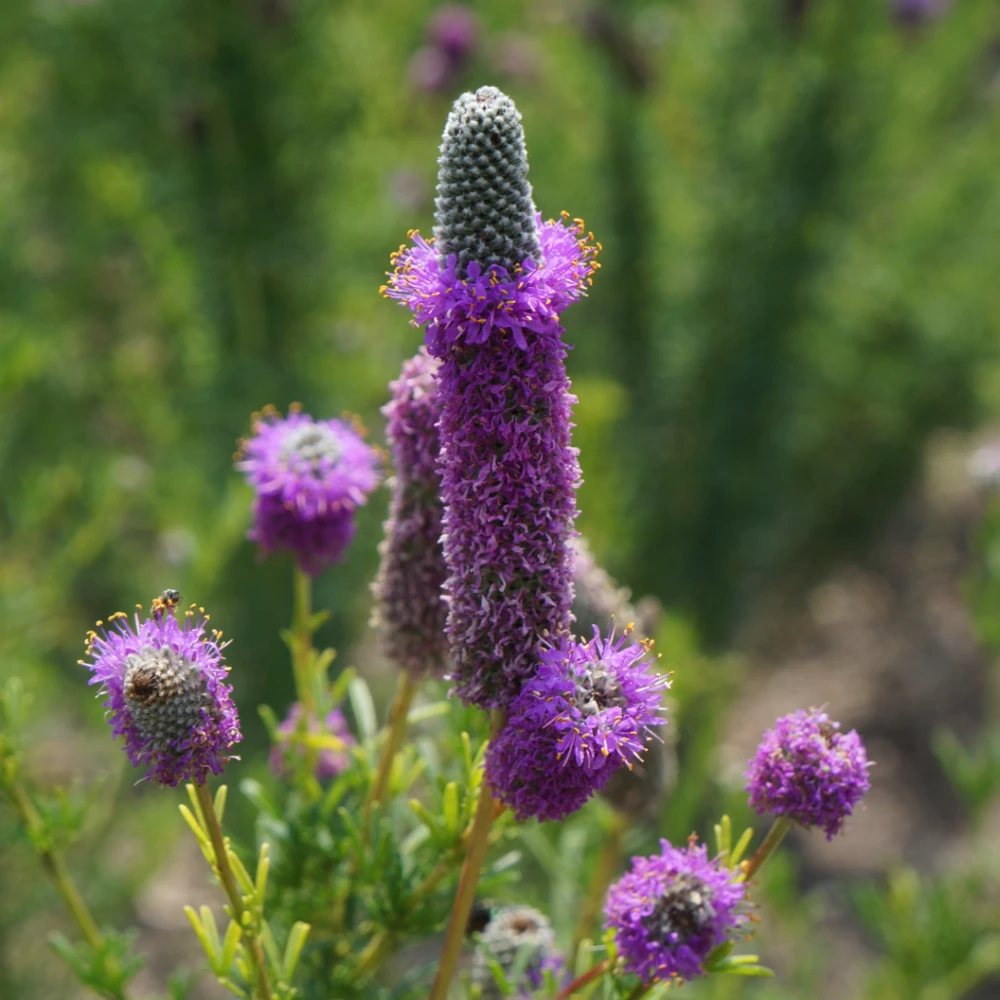
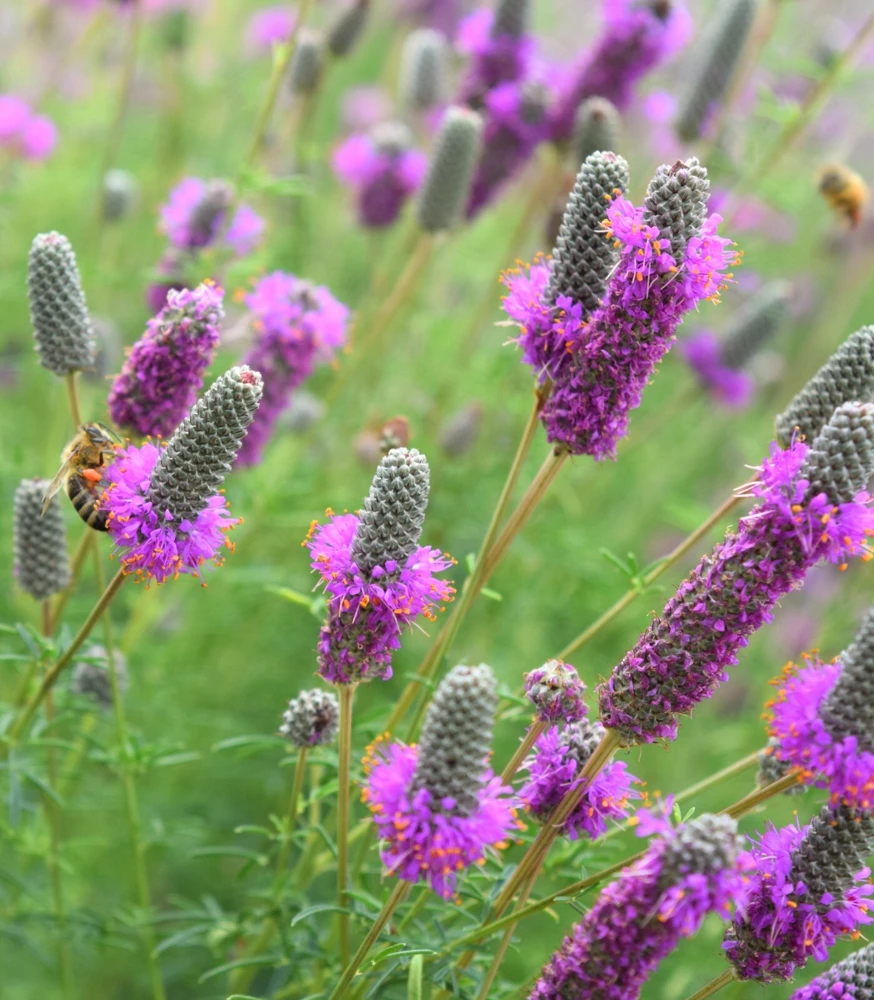
Introduce a touch of native beauty and ecological benefit to your garden with our premium purple prairie clover seeds. This remarkable wildflower, scientifically known as Dalea purpurea, also commonly referred to as Violet Prairie Clover, is an excellent choice for gardeners looking to create a vibrant, pollinator-friendly landscape. Unlike live plants, these seeds offer the satisfaction of growing from scratch, providing a rewarding gardening experience. Purple Prairie Clover is renowned for its striking purple flower spikes and its ability to thrive in a range of conditions, making it a versatile addition to meadows, prairies, and home gardens across the United States. Its unique clumping growth habit and beautiful coloration make it a standout plant, ensuring your garden is not only visually appealing but also a haven for local wildlife.
These purple prairie clover seeds are sourced to ensure high germination rates, giving you the best start for a successful garden. Whether you’re an experienced gardener or just beginning, cultivating this native plant is a straightforward and enjoyable process. It’s an ideal choice for those interested in sustainable gardening practices, native plant restoration, or simply enhancing the biodiversity of their outdoor spaces. The resilience and beauty of this plant make it a favorite among garden enthusiasts who appreciate both aesthetics and ecological value.
Key Benefits
Planting purple prairie clover seeds offers a multitude of advantages for your garden and the local environment:
- Attracts Pollinators: This plant is a magnet for bees, butterflies, and other beneficial insects, making it an essential component for any pollinator garden. Its nectar-rich flowers provide a vital food source, contributing to the health of local ecosystems and helping to attract pollinators.
- Drought Tolerant: Once established, Purple Prairie Clover is remarkably drought-resistant, requiring minimal watering. This makes it an excellent choice for xeriscaping or gardens in areas with water restrictions, reducing your garden’s water footprint.
- Soil Improvement: As a legume, Dalea purpurea fixes nitrogen in the soil, naturally enriching it and benefiting neighboring plants. This natural fertilization process improves soil health over time, reducing the need for chemical inputs.
- Low Maintenance: After initial establishment, this wildflower requires very little care. It’s resistant to most pests and diseases, allowing you to enjoy its beauty without constant attention, making prairie clover plant care surprisingly easy.
- Erosion Control: Its deep root system helps to stabilize soil, making it effective for erosion control on slopes or disturbed areas. This feature makes it valuable for landscaping projects focused on environmental restoration.
- Vibrant Purple Blooms: The distinctive purple flower spikes provide a stunning visual display throughout the summer and fall, adding rich color and texture to your landscape. These beautiful blooms enhance the aesthetic appeal of any garden setting.
- Wildlife Support: Beyond pollinators, the plant provides habitat and food for other wildlife, contributing to a diverse and thriving garden ecosystem. It’s a true boon for local biodiversity.
Plant Care & Growing Tips
Growing purple prairie clover seeds is a rewarding experience, particularly when you understand its specific needs. This hardy perennial thrives in full sun, requiring at least 6 hours of direct sunlight per day to produce abundant blooms. While it can tolerate partial shade, flowering may be less prolific. The ideal soil type is well-drained and sandy, with a pH ranging from 6.2 to 7.5. It’s adaptable to various soil conditions, including poor soils, thanks to its nitrogen-fixing capabilities. Good drainage is crucial to prevent root rot, especially in areas with heavy rainfall.
For successful germination, these wildflower seeds often benefit from cold stratification. This mimics natural winter conditions, breaking dormancy and encouraging sprouting. You can achieve this by mixing the seeds with moist sand or vermiculite and refrigerating them for 30-60 days before planting in the spring. Sow the seeds shallowly, about 1/4 inch deep, and keep the soil consistently moist until germination occurs. Once established, watering needs are minimal; the plant is quite drought-tolerant. Fertilization is generally not necessary due to its nitrogen-fixing abilities, but a light application of a balanced, slow-release fertilizer can be beneficial in very poor soils. Watch for common garden pests, though Purple Prairie Clover is generally robust against most issues. Proper prairie clover plant care ensures a healthy, thriving plant that will grace your garden for years.
Size & Details
Our purple prairie clover seeds are designed for gardeners who appreciate native flora and sustainable landscaping. Once established, Purple Prairie Clover typically forms a clumping growth habit, reaching a mature height of 1-3 feet with a similar spread. The plants will develop deep taproots, making them very resilient to drought conditions. Expect germination to occur within a few weeks after cold stratification and planting, with flowering typically beginning in the second year after establishment. These plants offer a long season of interest, blooming from summer through fall, providing continuous color and a food source for pollinators.
Each seed packet contains a generous quantity of high-quality dalea purpurea seeds, providing ample opportunity to establish a beautiful patch of this native wildflower. The seeds are packaged to ensure viability and are ready for cold stratification and planting upon arrival. They are suitable for a wide range of outdoor garden settings, from perennial borders to naturalized areas and native plant gardens. The robust nature of this plant means it can thrive even in challenging environments, making it a reliable choice for various landscape designs.
Frequently Asked Questions
- Q: How big does Purple Prairie Clover get? A: Purple Prairie Clover typically grows to a height of 1 to 3 feet with a similar spread, forming a clumping growth habit. Its size can vary slightly depending on growing conditions and soil fertility.
- Q: Is this an indoor or outdoor plant? A: Purple Prairie Clover is an outdoor plant, best suited for gardens, meadows, and naturalized areas. It requires full sun exposure and is not typically grown indoors.
- Q: How much sunlight does Purple Prairie Clover need? A: This plant thrives in full sun, ideally receiving at least 6 hours of direct sunlight per day. While it can tolerate some partial shade, abundant flowering is best achieved in full sun conditions.
- Q: Is Purple Prairie Clover easy to care for? A: Yes, once established, Purple Prairie Clover is considered very easy to care for. It’s drought-tolerant and requires minimal maintenance, making it an excellent choice for low-effort gardening, especially when you follow proper prairie clover plant care guidelines.
- Q: What condition will the seeds arrive in? A: Your purple prairie clover seeds will arrive as a packet of viable, high-quality seeds, ready for cold stratification and planting. They are carefully packaged to maintain their integrity during transit.
- Q: When is the best time to plant Purple Prairie Clover seeds? A: The best time to plant these seeds is in early spring, after they have undergone a period of cold stratification. This mimics natural conditions and promotes better germination.
- Q: Will Purple Prairie Clover survive winter in my zone? A: Purple Prairie Clover is a perennial hardy in USDA Hardiness Zones 6-9, meaning it will typically survive winter and return year after year in these regions. It’s well-adapted to temperate climates.
- Q: How do these seeds help to attract pollinators? A: The vibrant purple flowers of Purple Prairie Clover are rich in nectar and pollen, making them highly attractive to a wide range of beneficial insects, including bees, butterflies, and other native pollinators, thereby helping to attract pollinators to your garden.
- Q: Do I need to cold stratify these dalea purpurea seeds? A: Yes, cold stratification is highly recommended for dalea purpurea seeds to break dormancy and significantly improve germination rates. This can be done by refrigerating seeds in moist material for 30-60 days before planting.
- Q: What are the benefits of growing native wildflower seeds? A: Growing native wildflower seeds like Purple Prairie Clover supports local ecosystems, provides food and habitat for native wildlife, requires less water and maintenance, and contributes to biodiversity.
| Seed Quantity | 140K Seeds Or 1/2 Lb, 17K Seeds Or 1 Oz, 2000 Seeds Or 1/8 Oz, 280K Seeds Or 1 Lb, 300 Seeds Or 1/2 Gram, 35K Seeds Or 2 Oz, 4000 Seeds Or 1/4 Oz, 600 Seeds Or 1 Gram, 70K Seeds Or 1/4 Lb |
|---|
Be the first to review “Purple Prairie Clover Seeds – Wildflower Seed Packet – Attracts Pollinators – Outdoor”
Related products


You May Like
5 Best Bulbs for Fall Planting: Brighten Your Garden This Spring
Are you dreaming of a garden full of vibrant colors in the spring? The key [...]
Aug
How to Repot Houseplants Like a Pro
Do your houseplants look like they’ve outgrown their pots? Are their roots popping out of [...]
Aug
10 Houseplants That Will Thrive in Your Kitchen
Are you tired of your kitchen feeling dull and lifeless? Want to add a little [...]
Aug
Reviews
There are no reviews yet.