
Quaking Aspen Tree Seeds | Populus Tremuloides | 50 Seeds | Cold Hardy
Original price was: 32.99 $.12.99 $Current price is: 12.99 $.
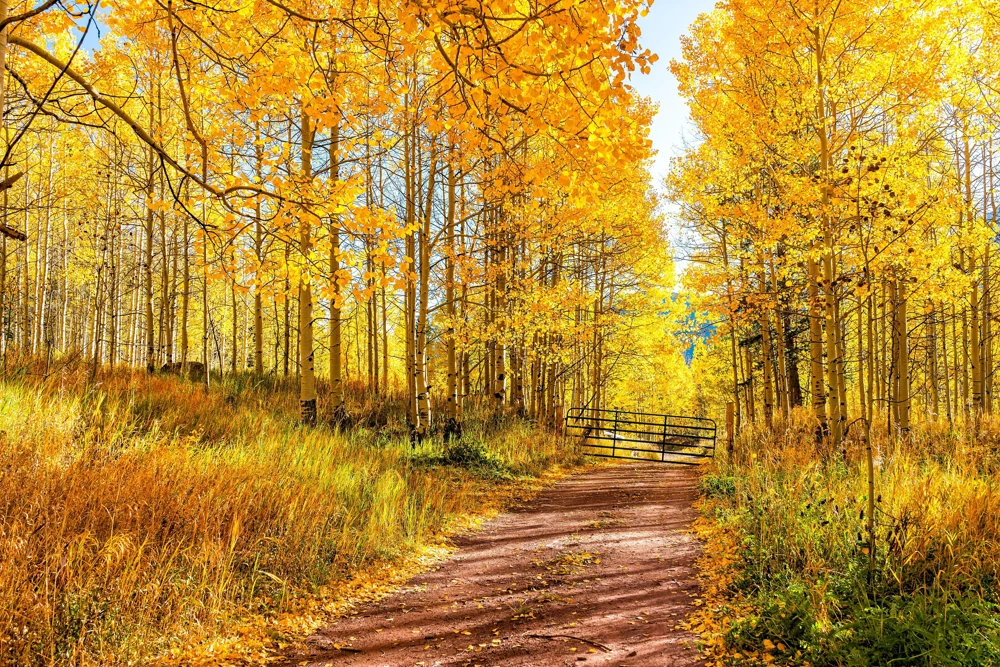
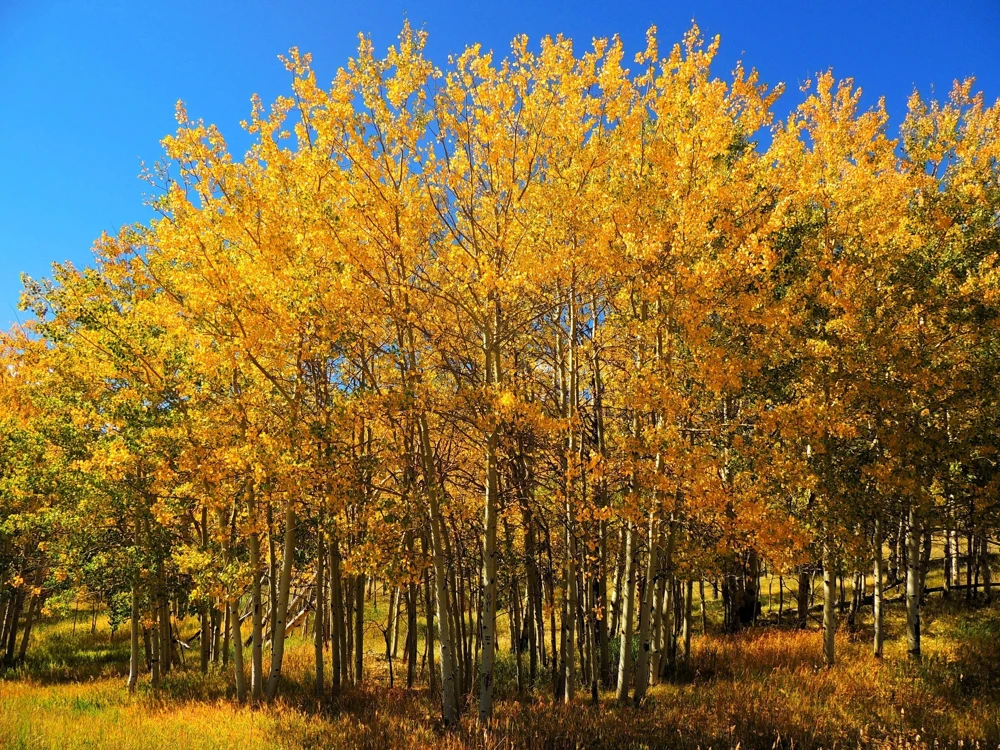
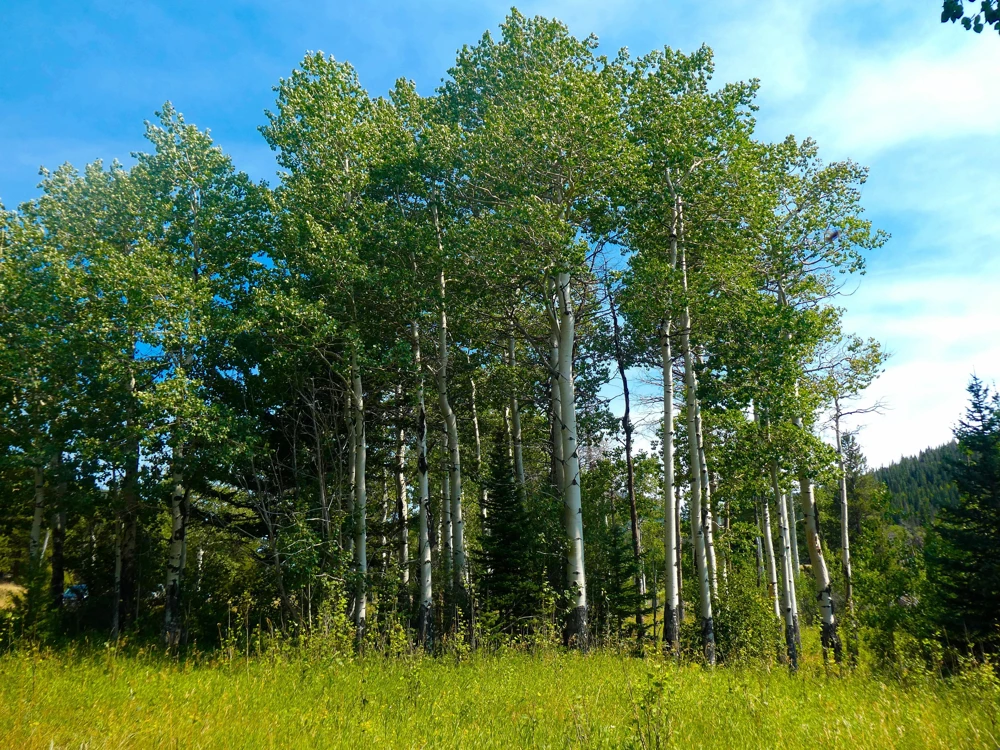
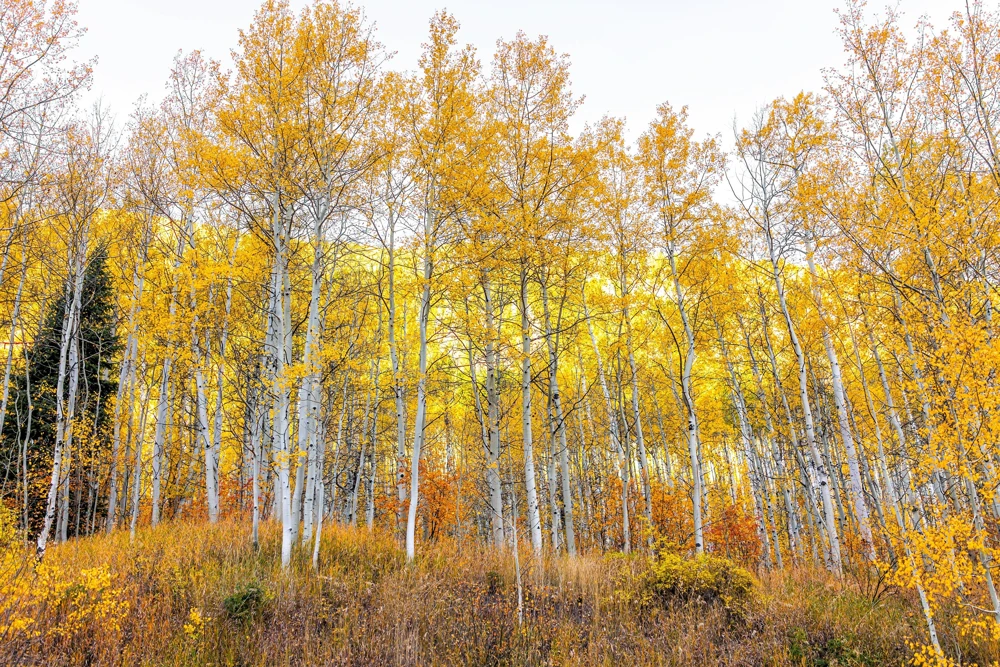
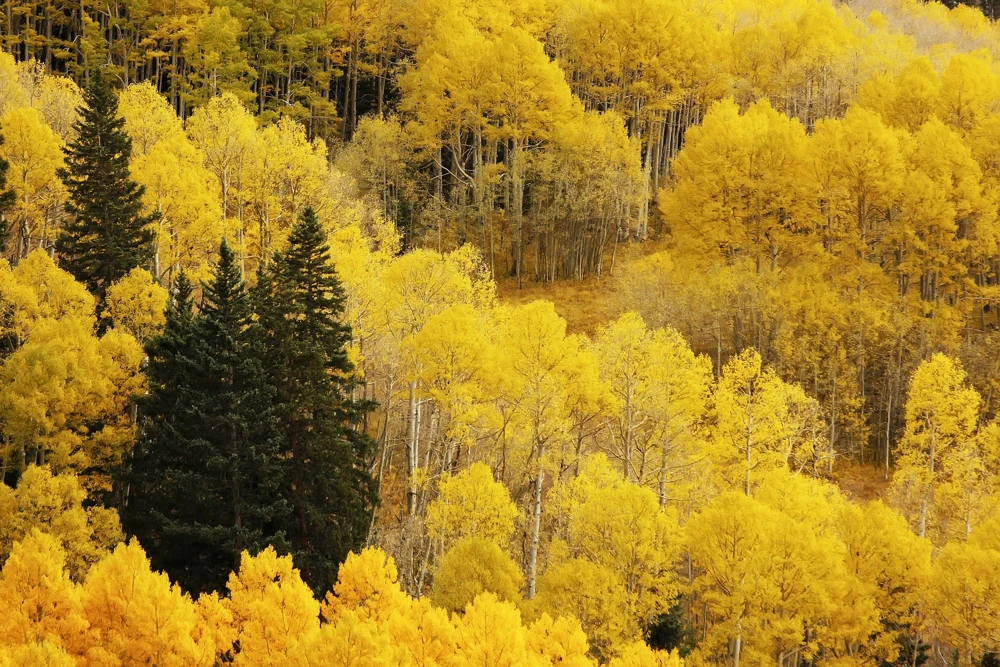
Cultivate stunning Quaking Aspen tree seeds (Populus tremuloides) known for their distinctive white bark and vibrant golden yellow fall foliage. These cold hardy tree seeds are perfect for creating a dramatic landscape and are supplied as 50 seeds, ready for planting outdoors after frost or starting indoors.
Estimated arrival
Sep 19
Sep 24 - Sep 26
Sep 26 - Oct 01
See our Shipping Policy.
Get in touch with us via email, and our team will review your concerns.
Our Alive & Thrive Guarantee covers issues with your plants within the first 30 days. Read our Refund & Returns Policy.
-
USDA Hardiness Zone
1-8 -
Soil Type
Average, well-draining soil -
Sunlight Exposure
Sun - Light Shade -
Expected Planting Period
Outdoors after frost / Indoors weeks before last frost
Overview
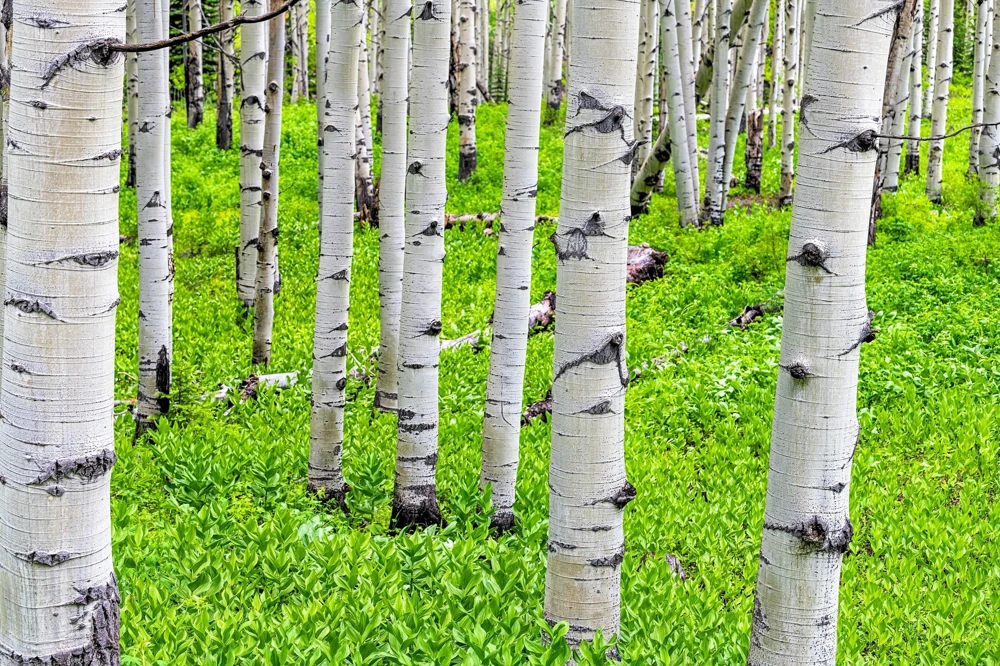
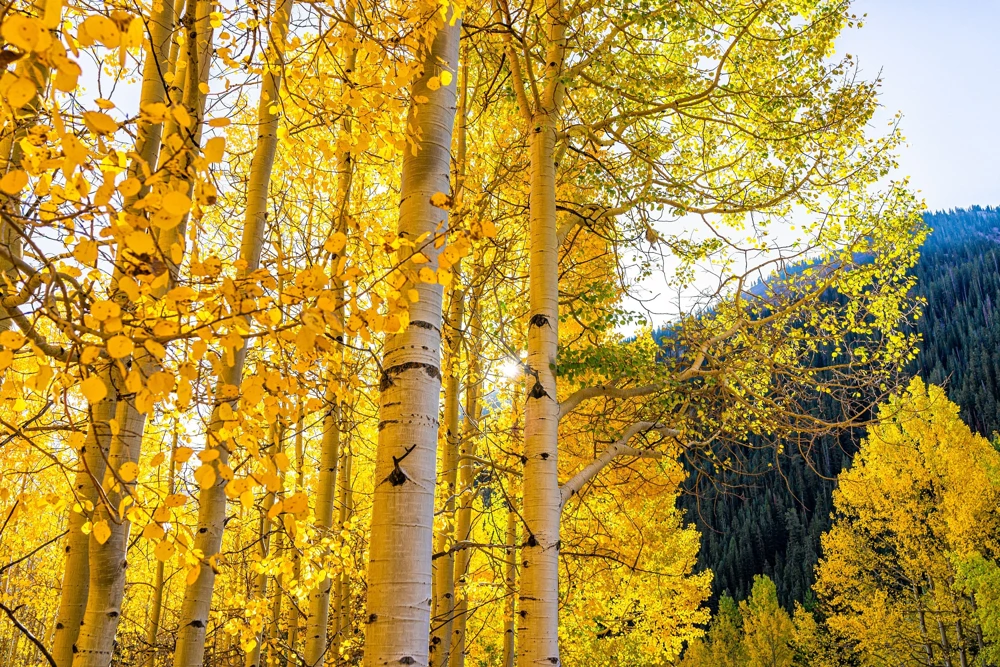
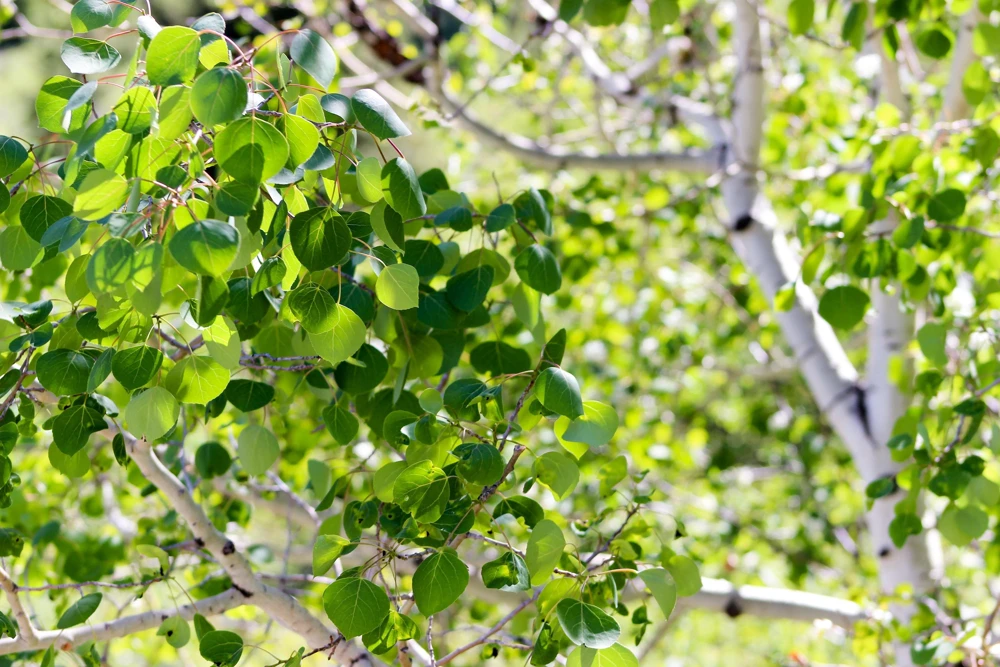
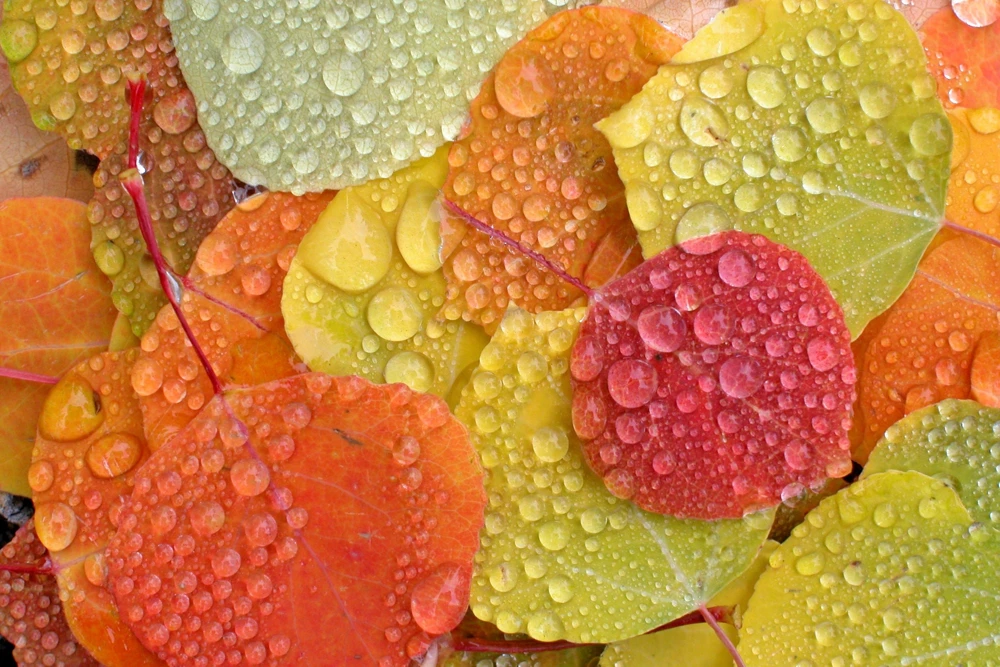
Embark on a rewarding gardening journey by planting Quaking Aspen tree seeds. The Quaking Aspen, scientifically known as Populus tremuloides, is a magnificent deciduous tree renowned for its iconic white to light tan bark and shimmering, coin-shaped leaves that ‘quake’ or tremble in the slightest breeze, creating a soothing rustling sound. In autumn, these leaves transform into a breathtaking display of golden yellow, adding unparalleled beauty to any landscape. This offering includes 50 seeds, providing a generous quantity to start your own grove of these majestic trees. Ideal for naturalizing large areas or as a striking focal point, the Quaking Aspen is a symbol of endurance and natural grace, making it a beloved choice for gardeners and nature enthusiasts alike.
These Populus tremuloides seeds are sourced for their viability, ensuring you have the best possible start for growing these resilient trees. Known for their rapid growth and adaptability, Quaking Aspens can reach impressive heights, providing shade and visual interest for decades. Their unique characteristics, from the distinctive bark to the vibrant fall colors, make them a truly special addition to any garden or reforestation project. Whether you’re an experienced horticulturist or a budding gardener, growing Quaking Aspens from seed offers a deeply satisfying connection to nature.
Key Benefits
Growing Quaking Aspen tree seeds offers numerous advantages, transforming your outdoor space with natural beauty and ecological benefits. These trees are not only visually appealing but also contribute positively to their environment.
- Stunning Visual Appeal: The Quaking Aspen boasts beautiful white to light tan bark that provides year-round interest, especially striking against winter snow. In autumn, the foliage explodes into brilliant golden yellow hues, creating a spectacular seasonal display that enhances any landscape.
- Unique Auditory Experience: The tree’s flattened leaf stems cause its leaves to flutter and ‘quake’ in the breeze, producing a distinctive, gentle rustling sound that adds a serene, natural ambiance to your garden.
- Ecological Value: As a native species, Populus tremuloides seeds grow into trees that provide vital habitat and food sources for various wildlife, including deer, elk, and numerous bird species, supporting local biodiversity.
- Fast Growing & Resilient: Quaking Aspens are known for their relatively fast growth rate and hardiness, thriving in a wide range of conditions and quickly establishing themselves to create a mature landscape. They are particularly noted as cold hardy tree seeds.
- Erosion Control: Their extensive root systems make them excellent for stabilizing soil and preventing erosion, especially on slopes or in areas prone to soil degradation.
- Adaptable to Various Soils: While they prefer average soil, Quaking Aspens can tolerate a variety of soil types, making them versatile for different planting environments.
- Low Maintenance: Once established, these trees are relatively low maintenance, requiring minimal intervention to thrive, making them a great choice for those seeking impactful yet easy-care additions to their garden. Consider these Quaking Aspen growing tips for best results.
Plant Care & Growing Tips
Successful cultivation of Quaking Aspen tree seeds begins with understanding their specific needs. These trees are quite adaptable but thrive best under certain conditions. For optimal germination, it’s recommended to cold stratify the seeds for several weeks before planting. This mimics natural winter conditions and encourages sprouting. You can plant the seeds outdoors after the last frost has passed, or start them indoors several weeks before the anticipated last frost date for a head start.
Sunlight Requirements: Quaking Aspens prefer a location with full sun to light shade. They perform best with at least 6 hours of direct sunlight per day to achieve their most vibrant fall colors and robust growth. While they can tolerate some shade, too much shade can lead to sparse foliage and reduced vigor. Ensure they are not overshadowed by larger, more dominant trees. When considering Populus tremuloides seeds, remember light is key.
Watering & Soil Preferences: These trees prefer average, well-draining soil. While they can tolerate a range of soil types, consistently water young trees to keep the soil moist but not waterlogged. Established trees are more drought-tolerant but will benefit from supplemental watering during prolonged dry spells. Avoid heavy, compacted clay soils that retain too much moisture, as this can lead to root rot. The hardiness zone for Quaking Aspens is typically USDA zones 1-8, indicating their excellent cold tolerance. For Quaking Aspen growing tips, ensure good drainage.
Fertilization & Pruning: Young trees can benefit from a balanced, slow-release fertilizer in their first few years to encourage strong root development. Once mature, aspens generally do not require heavy fertilization. Pruning should focus on removing dead, damaged, or diseased branches to maintain tree health and shape. Aspens often sucker from their roots, forming colonies; if you prefer a single tree, promptly remove these suckers. Monitor for common pests and diseases, though aspens are generally robust. These cold hardy tree seeds will grow into resilient trees with proper care.
Size & Details
This product includes 50 Quaking Aspen tree seeds, providing a substantial quantity for planting a significant area or ensuring a higher germination rate for your desired number of trees. Quaking Aspens are known for their impressive growth, typically reaching a mature height of 20 to 50 feet, with some specimens growing even taller under ideal conditions. Their spread can range from 20 to 30 feet, especially when they form natural colonies through their extensive root systems. For individual trees, spacing them 20-30 feet apart is recommended, or for a cluster effect, plant groups of 3-5 trees spaced 6-10 feet apart.
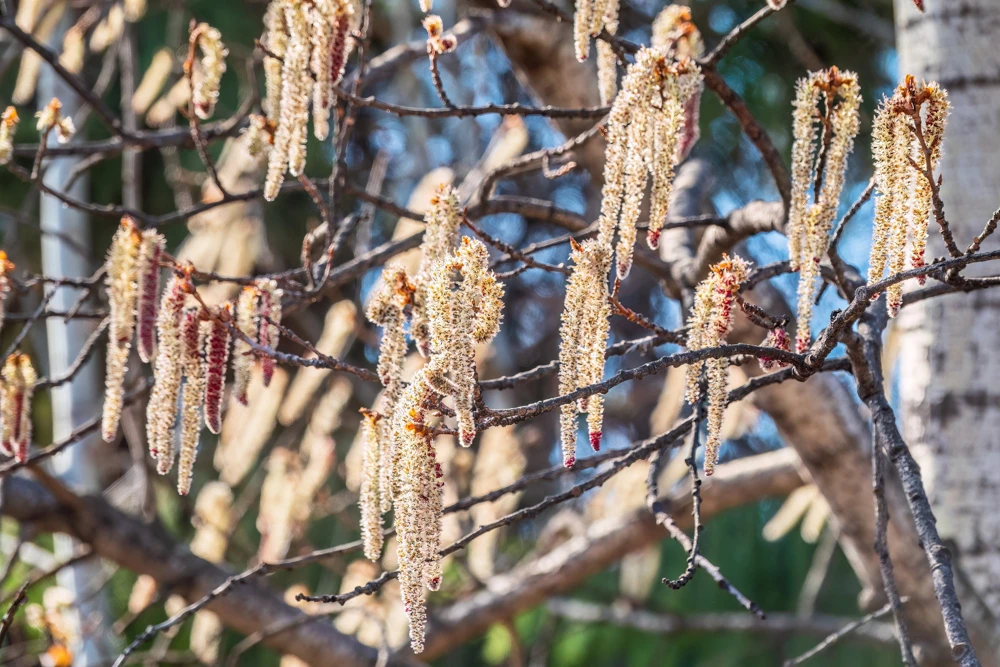
The seeds are shipped in a protective packet, ready for planting. Bloom time for the fuzzy white catkins occurs in the spring before the leaves emerge, adding an early seasonal interest. The vigorous growth of these trees means you can expect to see significant development relatively quickly, making them a rewarding choice for those who enjoy watching their landscape evolve. These Golden Aspen seeds will produce trees with stunning fall color, a primary characteristic sought by many gardeners.
Frequently Asked Questions
- Q: How big does the Quaking Aspen tree get? A: The Quaking Aspen tree seeds will grow into trees that typically reach a mature height of 20 to 50 feet, with a spread of 20 to 30 feet. Their eventual size depends on growing conditions and location.
- Q: Is this an indoor or outdoor plant? A: The Quaking Aspen (Populus tremuloides) is an outdoor tree. It requires ample space and direct sunlight to thrive, making it unsuitable for indoor cultivation.
- Q: How much sunlight does it need? A: Quaking Aspens prefer full sun to light shade, ideally receiving at least 6 hours of direct sunlight per day. This ensures robust growth and the best fall foliage color.
- Q: Is this tree easy to care for? A: Once established, Quaking Aspens are relatively low maintenance. They are known for being hardy and adaptable, especially as cold hardy tree seeds. Initial care for seedlings involves consistent moisture and protection.
- Q: What condition will the seeds arrive in? A: The Populus tremuloides seeds will arrive in a protective packet, carefully packaged to ensure their viability and readiness for planting.
- Q: When is the best time to plant Quaking Aspen seeds? A: You can plant the seeds outdoors after the last spring frost has passed, or start them indoors several weeks prior to the last frost. Cold stratification is highly recommended before planting.
- Q: Will it survive winter in my zone? A: Yes, Quaking Aspens are exceptionally cold hardy and thrive in USDA Hardiness Zones 1-8, making them suitable for many northern climates and regions with cold winters.
- Q: Do these Golden Aspen seeds produce trees with yellow fall foliage? A: Absolutely! One of the most celebrated features of the Quaking Aspen is its brilliant golden yellow fall foliage, which provides a spectacular seasonal display.
- Q: What kind of soil do Quaking Aspens prefer? A: They prefer average, well-draining soil. While adaptable, they do not do well in heavy, waterlogged clay soils.
- Q: How far apart should I space the trees? A: For individual trees, space them 20-30 feet apart. If you’re aiming for a cluster or grove, plant groups of 3-5 trees spaced 6-10 feet apart. Following these Quaking Aspen growing tips will lead to a healthy stand.
Be the first to review “Quaking Aspen Tree Seeds | Populus Tremuloides | 50 Seeds | Cold Hardy”
Related products


Tree Seeds
Canino Olive Tree Seeds – 10 Pack Olea Europaea Canino for Edible Olives, Full Sun, Zones 9-11


You May Like
5 Best Bulbs for Fall Planting: Brighten Your Garden This Spring
Are you dreaming of a garden full of vibrant colors in the spring? The key [...]
Aug
How to Repot Houseplants Like a Pro
Do your houseplants look like they’ve outgrown their pots? Are their roots popping out of [...]
Aug
10 Houseplants That Will Thrive in Your Kitchen
Are you tired of your kitchen feeling dull and lifeless? Want to add a little [...]
Aug
Reviews
There are no reviews yet.