
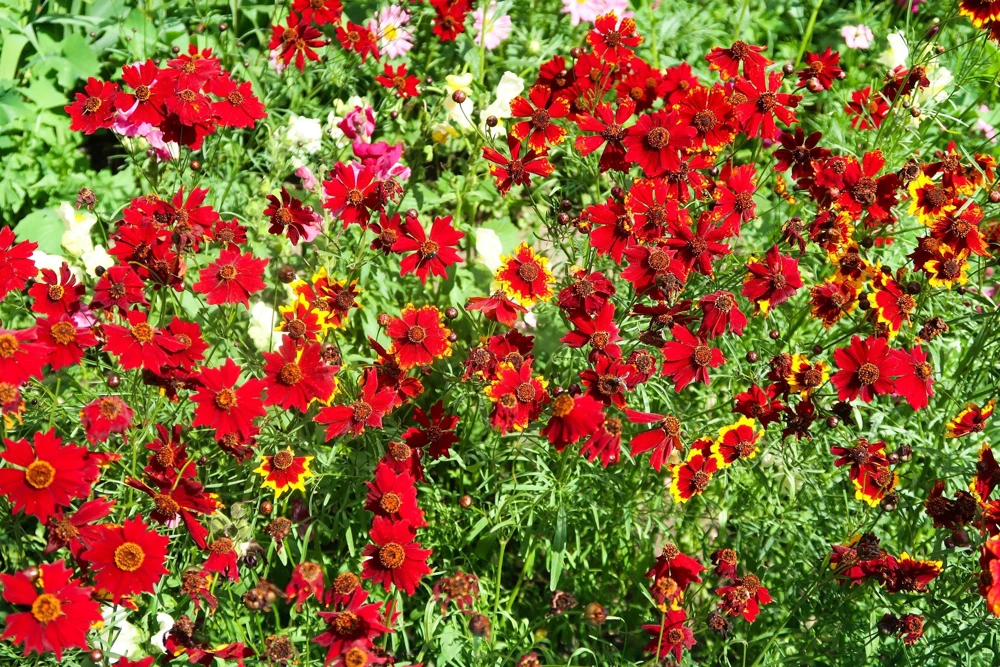
Red Dwarf Plains Coreopsis Flower Seeds – 500 Seeds – Attracts Pollinators
Original price was: 32.99 $.12.99 $Current price is: 12.99 $.
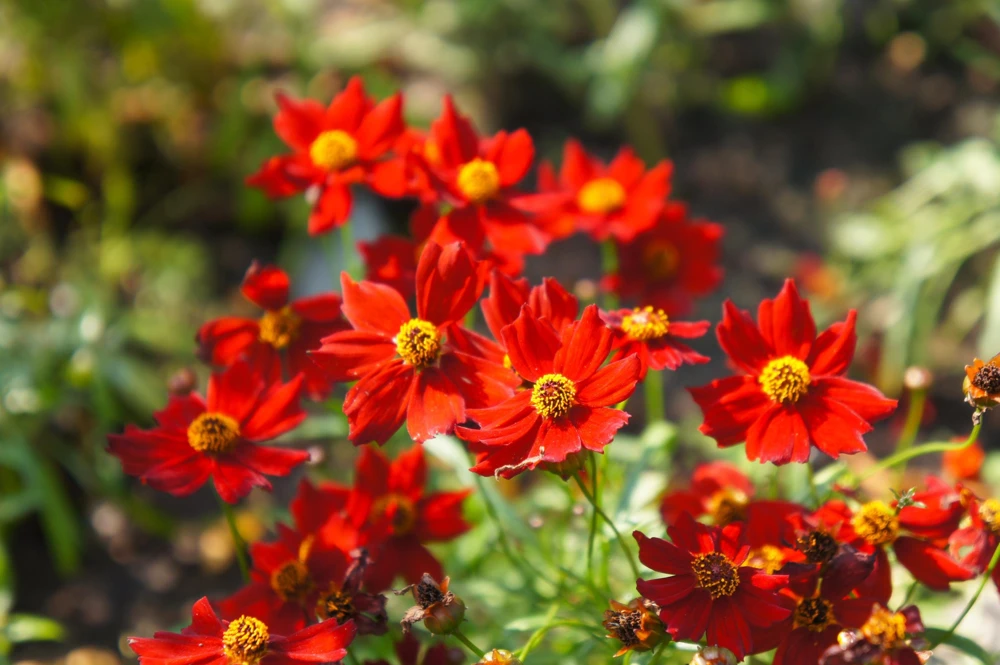
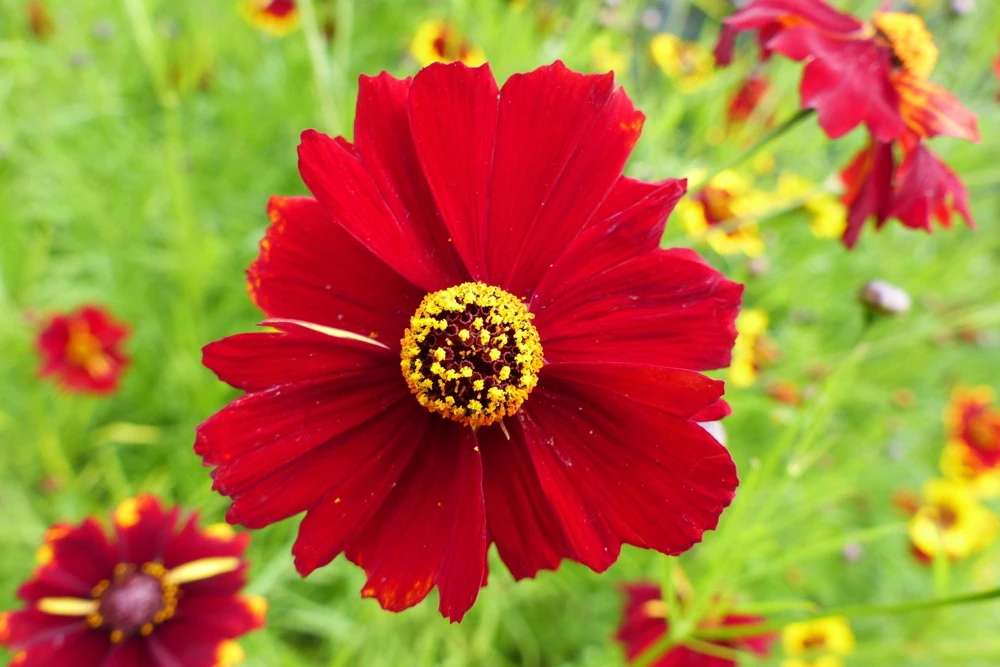
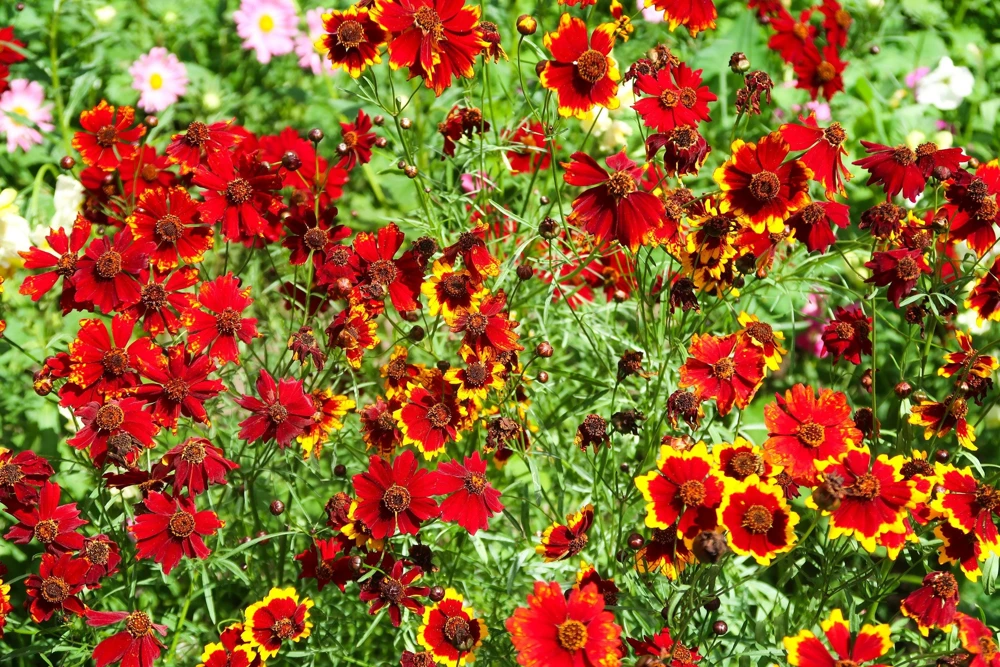
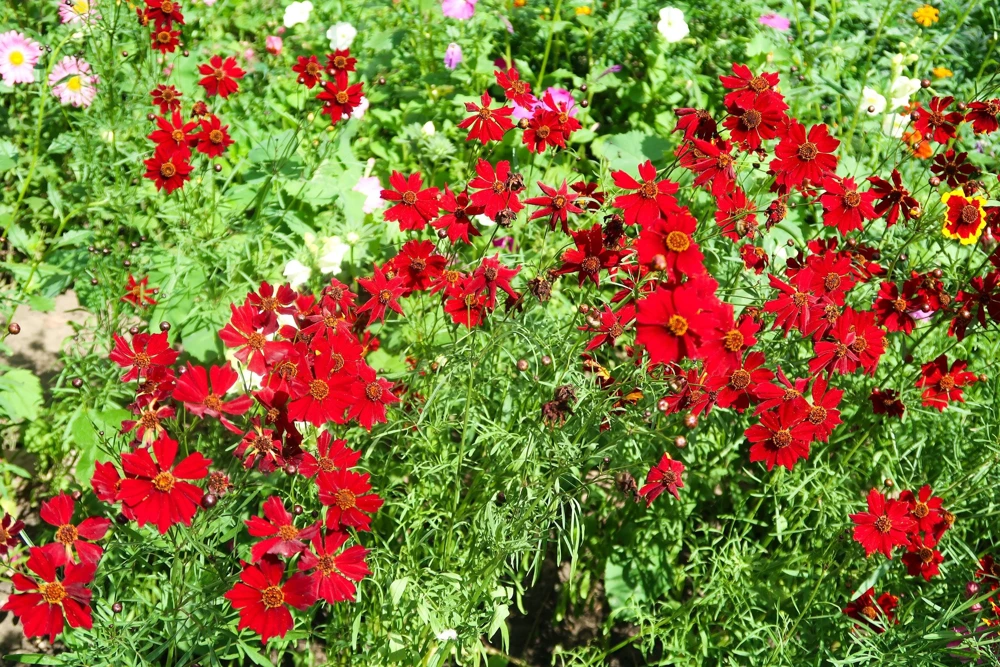
Cultivate stunning Red Dwarf Plains Coreopsis seeds to add a splash of red with yellow centers to your garden. These Coreopsis Tinctoria seeds produce beautiful flowers that are perfect for attracting beneficial pollinators.
Estimated arrival
Sep 19
Sep 24 - Sep 26
Sep 26 - Oct 01
See our Shipping Policy.
Get in touch with us via email, and our team will review your concerns.
Our Alive & Thrive Guarantee covers issues with your plants within the first 30 days. Read our Refund & Returns Policy.
-
USDA Hardiness Zone
N/A (acts like a perennial due to self-seeding) -
Soil Type
Any Moist - Dry, well-draining soil -
Sunlight Exposure
Sun - Part Shade -
Expected Planting Period
Outdoors after frost / Indoors weeks before last frost
Overview
Transform your garden with vibrant blooms by planting these Red Dwarf Plains Coreopsis seeds. This spectacular annual, scientifically known as Coreopsis Tinctoria, is renowned for its striking red flowers with bright yellow centers, creating a dazzling display in any landscape. These easy-to-grow flower seeds are an excellent choice for gardeners looking to introduce a burst of color and attract local wildlife. Plains Coreopsis is a native wildflower that thrives in various conditions, making it a versatile addition to borders, meadows, or container gardens. With its cheerful appearance and ability to reseed, it provides continuous beauty throughout the growing season. Cultivating Coreopsis Tinctoria seeds is a rewarding experience, offering brilliant color and supporting local ecosystems.
The dwarf coreopsis flower offers a charming, compact growth habit, making it suitable for smaller spaces or the front of a garden bed. Each packet contains 500 high-quality seeds, ensuring a bountiful harvest of these delightful blossoms. Ideal for creating a naturalized look, this variety is particularly effective in mass plantings where its vibrant hues can truly shine. Experience the joy of watching bees, birds, and butterflies flock to your garden, drawn by the irresistible charm of these coreopsis flowers. The ease of growing and minimal maintenance required makes these Red Dwarf Plains Coreopsis seeds a favorite among both novice and experienced gardeners.
Key Benefits
Planting Red Dwarf Plains Coreopsis seeds offers numerous advantages for your garden and local environment. This flower provides long-lasting beauty and ecological support, making it a truly beneficial choice.
- Attracts Pollinators: These flowers are a magnet for bees, butterflies, and birds, playing a crucial role in supporting local biodiversity and enhancing your garden’s ecosystem. Growing red coreopsis for pollinators helps create a thriving habitat.
- Vibrant Color Display: The brilliant red petals with contrasting yellow centers create a visually stunning spectacle, adding dynamic color and interest to any garden space from summer through fall.
- Low Maintenance: Once established, Coreopsis Tinctoria is remarkably resilient and requires minimal care, making it an excellent option for busy gardeners or those new to planting.
- Drought Tolerant: This variety is highly adaptable to various soil conditions, including those that are moist to dry, and can withstand periods of drought, ensuring its beauty persists even in challenging climates.
- Self-Seeding Annual: While technically an annual, this coreopsis readily reseeds itself, often acting like a perennial and providing successive seasons of blooms with little effort.
- Compact Growth: Reaching heights of 12-18 inches, the dwarf coreopsis flower is perfect for borders, container gardening, or filling in gaps in perennial beds without overwhelming other plants.
- Versatile Use: Excellent for wildflower meadows, cottage gardens, rock gardens, or as a vibrant accent in mixed borders, these seeds offer flexibility in garden design.
Plant Care & Growing Tips
Successful cultivation of Red Dwarf Plains Coreopsis seeds is straightforward, making it a great addition to almost any garden. For best results, consider starting seeds indoors a few weeks before the last frost or directly sowing them outdoors once the danger of frost has passed. Ensure the soil is well-draining, though this plant is quite adaptable. Lightly cover the seeds with soil, as some light aids germination. Keep the soil consistently moist until germination occurs, which typically takes 7-21 days. Once seedlings are established, they become quite drought-tolerant, preferring moderate watering.
These Coreopsis Tinctoria seeds thrive in full sun to partial shade conditions. Full sun (at least 6 hours of direct sunlight daily) will encourage the most abundant blooms and robust growth. While it tolerates a range of soil types, a moderately fertile, well-drained soil is ideal. Avoid overly rich soils, which can lead to leggy growth rather than more flowers. Spacing plants 12-15 inches apart will allow for adequate air circulation and prevent overcrowding. Although the plant is an annual, its strong self-seeding habit means it often returns year after year, providing continuous beauty. Deadheading spent blooms can encourage more flowering, though leaving some flowers to go to seed will ensure future generations. Minimal fertilization is needed; an all-purpose slow-release fertilizer can be applied once at the beginning of the growing season if desired, but often isn’t necessary.
While not strictly hardy in all USDA zones as a perennial, its vigorous self-seeding ability allows it to perform as if it were. This makes it a fantastic choice for gardeners in many climates, as you can expect new plants to emerge each spring. Monitoring for common garden pests is always a good idea, but Red Dwarf Plains Coreopsis is generally quite resistant. Ensuring proper spacing and sunlight will go a long way in preventing most issues. By following these simple guidelines, you can enjoy a garden full of vibrant dwarf coreopsis flower blooms that will also serve as a vital resource for your local pollinators.
Size & Details
This offering includes 500 high-quality Red Dwarf Plains Coreopsis seeds, providing an ample supply for creating a stunning display. Each seed packet is carefully prepared to ensure viability and successful germination when planted correctly. The mature plants typically reach a height of 12 to 18 inches, forming attractive, bushy mounds covered in cheerful flowers. Plant spacing should be approximately 12 to 15 inches apart to allow for proper growth and air circulation, leading to healthier plants and more prolific blooming. These Coreopsis Tinctoria seeds will develop into plants that bloom from summer through fall, offering an extended period of color in your garden.
The seeds are packaged for easy handling and storage, ready for planting either directly outdoors after the last frost or started indoors for an earlier bloom. While the hardiness zone is technically listed as N/A due to its annual nature, its strong self-seeding characteristic means that once established, you can expect new plants to emerge year after year, effectively behaving like a perennial in many climates. This makes plains coreopsis planting a sustainable choice for long-term garden interest. The plant’s compact size and vibrant blooms make it an excellent choice for a variety of garden applications, from mass plantings to mixed borders and containers. Prepare to enjoy a garden full of life and color, supported by these fantastic Red Dwarf Plains Coreopsis seeds.
Frequently Asked Questions
- Q: How big does this plant get? A: The Red Dwarf Plains Coreopsis typically grows to a height of 12 to 18 inches, forming a compact and bushy plant that is perfect for various garden settings. Its dwarf nature makes it ideal for borders or containers.
- Q: Is this an indoor or outdoor plant? A: These Coreopsis Tinctoria seeds are intended for outdoor planting. While you can start them indoors to get a head start on the growing season, the mature plants thrive in outdoor garden environments.
- Q: How much sunlight does it need? A: For optimal growth and prolific blooming, Red Dwarf Plains Coreopsis requires full sun to partial shade, meaning at least 4-6 hours of direct sunlight per day. Full sun exposure will generally yield the best results.
- Q: Is this plant easy to care for? A: Yes, this dwarf coreopsis flower is known for being very easy to care for. It’s drought-tolerant once established and requires minimal maintenance, making it suitable for beginners and experienced gardeners alike.
- Q: What condition will the seeds arrive in? A: The Red Dwarf Plains Coreopsis seeds will arrive in a sealed packet, ensuring their freshness and viability. They are ready for immediate sowing or storage until the appropriate planting time.
- Q: How long until it blooms? A: From seed, you can typically expect the Red Dwarf Plains Coreopsis to begin blooming in summer, continuing through fall. Starting seeds indoors can encourage earlier flowering.
- Q: When is the best time for plains coreopsis planting? A: The best time for plains coreopsis planting is outdoors after the last frost in spring, or you can start seeds indoors 4-6 weeks before the last expected frost date for an earlier display.
- Q: Will it survive winter in my zone? A: While technically an annual, Red Dwarf Plains Coreopsis is a prolific self-seeder. This means that in many climates, new plants will emerge from dropped seeds after winter, effectively making it act like a perennial.
- Q: What types of soil does it prefer? A: This coreopsis is adaptable to various soil types but prefers well-draining soil. It can tolerate conditions ranging from moist to dry, showcasing its resilience.
- Q: Why should I grow red coreopsis for pollinators? A: Growing red coreopsis for pollinators provides a vital food source and habitat for bees, butterflies, and birds, contributing to the health of your local ecosystem and enhancing your garden’s biodiversity.
Be the first to review “Red Dwarf Plains Coreopsis Flower Seeds – 500 Seeds – Attracts Pollinators”
Related products


You May Like
5 Best Bulbs for Fall Planting: Brighten Your Garden This Spring
Are you dreaming of a garden full of vibrant colors in the spring? The key [...]
Aug
How to Repot Houseplants Like a Pro
Do your houseplants look like they’ve outgrown their pots? Are their roots popping out of [...]
Aug
10 Houseplants That Will Thrive in Your Kitchen
Are you tired of your kitchen feeling dull and lifeless? Want to add a little [...]
Aug
Reviews
There are no reviews yet.