
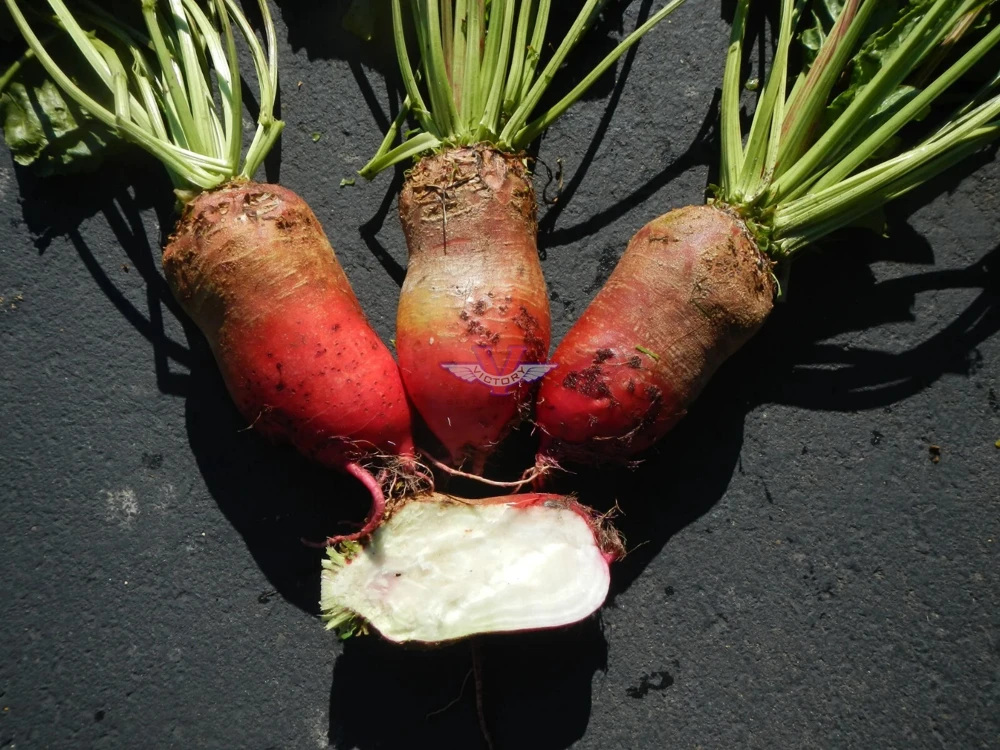
Red Mammoth Fodder Beet Seeds – Heirloom Mangold Seeds for Animal Feed & Soil Treating, Outdoor
From 10.77 $
Cultivate impressive yields with red mammoth fodder beet seeds. These heirloom mangold seeds are perfect for animal feeding and enhancing soil health. Known for their deep reddish-purple color and clumping growth, they are an easy-to-grow option for your outdoor garden.
Estimated arrival
Sep 19
Sep 24 - Sep 26
Sep 26 - Oct 01
See our Shipping Policy.
Get in touch with us via email, and our team will review your concerns.
Our Alive & Thrive Guarantee covers issues with your plants within the first 30 days. Read our Refund & Returns Policy.
-
USDA Hardiness Zone
Zones 3-12 -
Soil Type
Clay, Loam, well-draining soil -
Sunlight Exposure
Partial Shade, Full Sun -
Expected Planting Period
Fall, Spring, Summer
Overview
Discover the power of nature with our premium red mammoth fodder beet seeds. These exceptional heirloom mangold seeds are celebrated for their vigorous growth and massive root production, making them an invaluable asset for farms, homesteads, and large gardens. Originating from the traditional Beta vulgaris genus, these fodder beets, also known as Mammoth Mangold, are not only a superb source of nutrition for livestock but also play a significant role in improving soil structure and fertility. Whether you’re looking to provide a nutritious supplement for your animals or enhance your garden’s ecosystem, these seeds offer a reliable and rewarding cultivation experience.
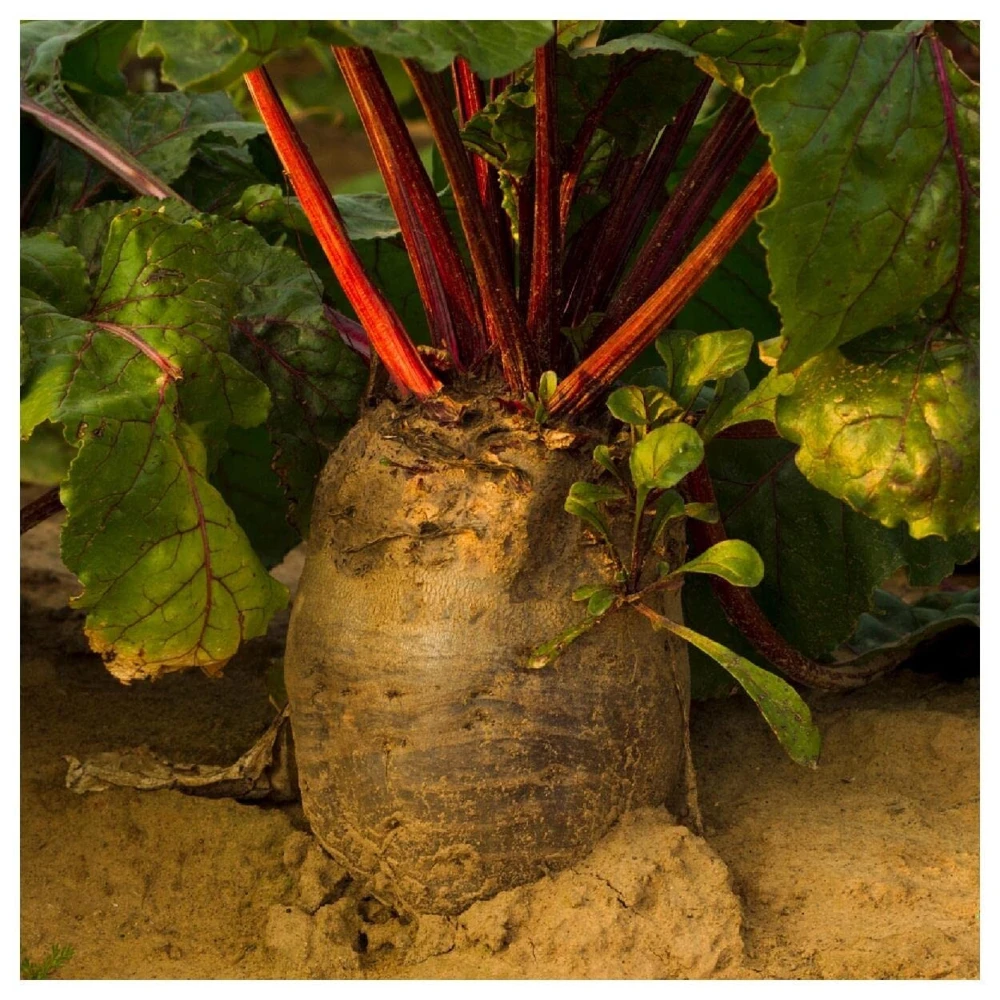
The ‘Red Mammoth’ variety stands out with its distinctive deep reddish-purple roots, which can grow to an impressive size, offering substantial yields from each plant. As an annual, it completes its life cycle within one growing season, providing a quick turnaround for harvest. These seeds are perfect for outdoor planting, thriving in a range of climates from cold to sub-tropical and temperate zones, making them a versatile choice for many regions across the United States.
Key Benefits
Planting red mammoth fodder beet seeds brings a multitude of advantages to your agricultural endeavors. Their robust nature and generous yields contribute significantly to sustainable farming practices. Here are some of the standout benefits:
- Massive Yields: These beets are renowned for producing exceptionally large roots, ensuring a plentiful harvest of nutrient-rich fodder for your livestock. This high productivity helps reduce feed costs and provides a consistent food source.
- Excellent Animal Feeding: The large, succulent roots are a highly palatable and nutritious feed for various animals, including cattle, sheep, and poultry. They offer essential vitamins and minerals, contributing to the overall health and well-being of your livestock.
- Soil Treating and Improvement: Beyond feeding animals, these fodder beets are excellent for improving soil health. Their deep taproots help to break up compacted soil, enhance aeration, and draw nutrients from deeper soil layers, benefiting subsequent crops.
- Easy to Cultivate: Despite their impressive size, these heirloom mangold seeds are surprisingly easy to grow. They are forgiving of various soil conditions and require only moderate watering once established, making them suitable for gardeners of all experience levels.
- Versatile Climate Adaptability: Thriving in USDA Hardiness Zones 3-12, these seeds are adaptable to a wide range of climates, from cooler regions to more temperate and sub-tropical environments, ensuring successful growth in many parts of the US.
- Heirloom Quality: As an heirloom variety, these seeds offer genetic stability and a rich history, allowing you to save seeds for future generations and preserve a valuable agricultural tradition.
- Beautiful Appearance: The deep reddish-purple color of the roots adds an aesthetic appeal to your garden, making them not only functional but also visually striking during harvest.
Plant Care & Growing Tips
Growing red mammoth fodder beet seeds successfully requires attention to a few key environmental factors, ensuring a bountiful harvest. These resilient plants are relatively low-maintenance, but optimal conditions will maximize their impressive growth. For best results with your heirloom mangold seeds, follow these guidelines:
Sunlight Requirements: Fodder beets thrive in locations that receive full sun, meaning at least 6-8 hours of direct sunlight per day. They can tolerate partial shade, especially in hotter climates, but root development may be less robust. Ensure your planting site is open and not overshadowed by larger plants or structures. Watering Schedule & Soil Moisture: These beets prefer consistently moist, but not waterlogged, soil. Water regularly, especially during dry spells and when the plants are young. Once established, they are somewhat drought-tolerant, but medium watering is ideal for maximizing root size. Avoid overhead watering to prevent fungal diseases. Soil Type & Drainage: Fodder beets perform best in well-draining soil with a pH between 6.5 and 7.0. They are adaptable to various soil types, including clay and loam, as long as they are well-amended with organic matter to improve fertility and drainage. Good drainage is crucial to prevent root rot. Temperature Range & USDA Hardiness Zone: These seeds are suitable for planting in USDA Hardiness Zones 3-12. They prefer cooler temperatures for germination and initial growth but can withstand warmer periods. Planting time is typically 16 weeks before the desired harvest, allowing for significant root development. Fertilization Schedule & Type: While fodder beets are not heavy feeders, a balanced fertilizer or well-rotted compost worked into the soil before planting can promote strong growth. Avoid excessive nitrogen, which can lead to lush leaf growth at the expense of root development. Common Problems & Solutions: Watch out for common pests like aphids and flea beetles, which can be managed with organic pest control methods. Fungal diseases can occur in overly wet conditions; ensure good air circulation and proper watering practices. Crop rotation is also beneficial to prevent soil-borne diseases.
Size & Details
The ‘Red Mammoth’ fodder beet is truly a giant in the garden, known for its substantial size and robust growth. These plants exhibit a clumping growth habit, with large, leafy tops and impressive, deep reddish-purple roots that can grow to considerable dimensions. While individual root size can vary based on growing conditions, they are consistently larger than typical garden beets, making them ideal for their intended purpose of animal feeding and soil improvement. The life cycle of these beets is annual, meaning they complete their growth from seed to harvest within one season, providing a quick return on your planting efforts.
When you purchase red mammoth fodder beet seeds, you are investing in a product designed for massive yields. These seeds are cultivated in the United States, ensuring quality and adaptability to local conditions. Expect to see significant root development within 16 weeks of planting, with the potential for roots to reach impressive weights. The exact quantity of seeds per packet will vary, but each packet is designed to provide a generous start to your fodder beet crop. These seeds are a reliable choice for anyone interested in growing fodder beets for their farm or garden.
Frequently Asked Questions
- Q: How big do these Red Mammoth Fodder Beets get? A: The red mammoth fodder beet seeds produce exceptionally large roots, often growing to several pounds each. Their exact size depends on growing conditions, including soil fertility, sunlight, and consistent moisture, but they are known for their massive yields.
- Q: Are these heirloom mangold seeds suitable for human consumption? A: While edible, fodder beets are primarily cultivated for animal feed due to their larger, coarser texture and lower sugar content compared to table beets. They are specifically bred for their high biomass for livestock.
- Q: What is the best time to plant these fodder beet seeds? A: The ideal planting time is typically in spring after the last frost, or in late summer for a fall harvest, depending on your climate zone. They require about 16 weeks to mature, so plan accordingly to ensure a good growing season.
- Q: How much sunlight do Red Mammoth Fodder Beets need? A: These beets thrive in full sun, requiring at least 6-8 hours of direct sunlight daily for optimal root development. They can tolerate partial shade, but yields may be reduced in less sunny conditions.
- Q: What type of soil is best for growing fodder beets? A: Fodder beets prefer well-draining soil with a pH between 6.5 and 7.0. They perform well in both clay and loam soils that have been enriched with organic matter to improve fertility and drainage.
- Q: Is growing fodder beets difficult for beginners? A: No, these beets are considered easy to cultivate. They are quite forgiving and resilient, making them a great choice for both experienced gardeners and those new to growing root crops.
- Q: Can I save seeds from my Red Mammoth Fodder Beets? A: Yes, as an heirloom variety, you can save seeds from these plants. Allow a few plants to go to seed in their second year (as they are biennials that are typically grown as annuals for their roots) to collect seeds for future planting.
- Q: Are these beets beneficial for soil health? A: Absolutely! The deep taproots of beta vulgaris seeds like these help to break up compacted soil, improve aeration, and bring nutrients from deeper soil layers to the surface, enhancing overall soil structure and fertility.
- Q: What USDA Hardiness Zones are suitable for these seeds? A: These red mammoth fodder beet seeds are adaptable and can be successfully grown in USDA Hardiness Zones 3-12, covering a wide range of climates across the United States.
- Q: How often should I water my fodder beet plants? A: Water regularly to keep the soil consistently moist, especially during germination and early growth. Once established, they can tolerate some dryness, but medium watering ensures the best development of their massive roots.
| Seed Amount | 1200 Seeds Or 1 Oz, 150 Seeds Or 1/8 Oz, 35 Seeds, 75 Seeds |
|---|
Be the first to review “Red Mammoth Fodder Beet Seeds – Heirloom Mangold Seeds for Animal Feed & Soil Treating, Outdoor”
Related products


You May Like

5 Best Bulbs for Fall Planting: Brighten Your Garden This Spring
Are you dreaming of a garden full of vibrant colors in the spring? The key [...]
Aug
How to Repot Houseplants Like a Pro
Do your houseplants look like they’ve outgrown their pots? Are their roots popping out of [...]
Aug
10 Houseplants That Will Thrive in Your Kitchen
Are you tired of your kitchen feeling dull and lifeless? Want to add a little [...]
Aug
Reviews
There are no reviews yet.