


Red Robinson’s Daisy Seeds – 100 Painted Daisy Flower Seeds, Red 2.5″ Blooms, Zones 3-9
Original price was: 32.99 $.12.99 $Current price is: 12.99 $.
Cultivate stunning Red Robinson’s Daisy seeds for your garden. These Painted Daisy flower seeds produce vibrant 2.5-inch red blooms, perfect for attracting bees, birds, and butterflies. Enjoy beautiful cut flowers and a deer-resistant addition to your landscape.
Estimated arrival
Sep 19
Sep 24 - Sep 26
Sep 26 - Oct 01
See our Shipping Policy.
Get in touch with us via email, and our team will review your concerns.
Our Alive & Thrive Guarantee covers issues with your plants within the first 30 days. Read our Refund & Returns Policy.
-
USDA Hardiness Zone
3-9 -
Soil Type
Average, well-draining soil -
Sunlight Exposure
Full sun - Part shade -
Expected Planting Period
Outdoors after frost / Indoors weeks before last frost
Overview
Transform your garden with the cheerful beauty of Red Robinson’s Daisy seeds. These delightful flower seeds, botanically known as Chrysanthemum Coccineum or Tanacetum Coccineum, promise a spectacular display of vibrant red blooms with bright yellow centers. Commonly referred to as Painted Daisy flower seeds, they are an excellent choice for gardeners looking to add a splash of color and attract beneficial pollinators. Each packet contains 100 premium seeds, ready to be sown for a late spring to early summer bloom. The Robinson’s Daisy is renowned for its easy-care nature and ability to thrive in various conditions, making it a favorite for both novice and experienced gardeners. Its ferny foliage provides an attractive backdrop to the dazzling flowers, which are also fantastic for cutting and bringing indoors.
These hardy perennials are well-suited for USDA Zones 3-9, offering a reliable source of beauty year after year. The vigorous plants grow to a height of 24-36 inches, creating a substantial visual impact in borders, beds, or naturalized areas. With Red Robinson’s Daisy seeds, you’re not just planting flowers; you’re cultivating a lively ecosystem that supports local wildlife while enhancing your outdoor living space.
Key Benefits
Planting Red Robinson’s Daisy seeds brings a multitude of advantages to your garden and home. These seeds offer a simple yet rewarding way to introduce stunning color and life into almost any landscape.
- Vibrant Floral Display: Enjoy an abundance of striking 2.5-inch bright red flowers with contrasting yellow centers. These eye-catching blooms provide a spectacular visual treat from late spring through early summer, ensuring your garden remains vibrant.
- Attracts Pollinators: The cheerful flowers are a magnet for bees, birds, and butterflies, helping to support local ecosystems and improve pollination for other plants in your garden. Cultivating Red Robinson’s Daisy seeds contributes to biodiversity.
- Excellent Cut Flowers: With their strong stems and long-lasting blooms, Robinson’s Daisies are perfect for creating beautiful floral arrangements. Bring the joy of your garden indoors with fresh, vibrant bouquets.
- Deer Resistant: A practical choice for gardens prone to deer browsing, these plants are known for their natural resistance to deer, allowing your beautiful blooms to flourish undisturbed.
- Adaptable & Easy to Grow: These resilient plants tolerate a wide range of soil conditions and are suitable for planting in full sun to part shade. This makes them an ideal solution for challenging spots in the garden, ensuring successful growth for all skill levels.
- Perennial Hardiness: As perennials, these daisies return year after year in USDA Zones 3-9, providing enduring beauty and reducing the need for annual replanting. This makes them a sustainable and cost-effective garden choice.
- Low Maintenance: Once established, Painted Daisy flower seeds require minimal care, making them a fantastic option for busy gardeners who desire maximum impact with minimal effort.
Plant Care & Growing Tips
Growing Red Robinson’s Daisy seeds is a straightforward and rewarding experience, suitable for gardeners of all levels. To ensure optimal growth and a spectacular bloom, careful attention to a few key care aspects will yield the best results. These hardy plants are quite forgiving, but providing them with their preferred conditions will lead to more robust growth and an abundance of their characteristic red flowers. They are a resilient choice for those looking for deer resistant flowers that also provide aesthetic appeal.
For successful germination and establishment, sow Red Robinson’s Daisy seeds outdoors after the last frost, or indoors 6-8 weeks before the last frost for an earlier bloom. Plant seeds about 1/8 inch deep in well-draining soil. Once seedlings emerge, thin them to a spacing of 18-24 inches apart to allow for proper air circulation and growth. These plants thrive in locations that receive full sun to part shade, meaning at least 4-6 hours of direct sunlight daily. While they can tolerate average soil, incorporating some organic matter will improve soil structure and nutrient availability. Water regularly to keep the soil consistently moist, especially during dry spells, but avoid overwatering which can lead to root rot. They are known for being quite adaptable, making them a great option if you’re exploring Chrysanthemum Coccineum seeds.
Robinson’s Daisies are quite hardy and can withstand temperatures within USDA Zones 3-9. Fertilization is generally not heavily required; a balanced, slow-release fertilizer in early spring can encourage vigorous growth, but avoid over-fertilizing. Deadheading spent blooms will promote continuous flowering and prevent the plant from self-seeding excessively, though allowing some seeds to drop can help naturalize an area. Keep an eye out for common garden pests like aphids, which can typically be managed with organic insecticidal soap if needed. With proper care, your Red Robinson’s Daisy seeds will mature into stunning, long-lasting floral displays.
Size & Details
Each packet contains 100 high-quality Red Robinson’s Daisy seeds, providing ample opportunity to establish a beautiful patch of these striking flowers. Once mature, these plants typically reach an impressive height of 24 to 36 inches, making them an excellent choice for adding vertical interest to garden beds and borders. They develop a spread of 18-24 inches, so adequate spacing during planting is crucial to allow for their full growth potential. The individual red flowers are approximately 2.5 inches in diameter, featuring vibrant yellow centers that create a captivating contrast.
These perennial plants bloom from late spring to early summer, offering a consistent display of color. They are shipped as seeds, ensuring a fresh start for your garden project. With a hardiness range spanning USDA Zones 3-9, these daisies are remarkably resilient and will return year after year, establishing themselves as a reliable and cherished component of your landscape. The vigorous growth habit and attractive ferny foliage complement the brilliant blooms, making them a garden staple.
Frequently Asked Questions
- Q: How big do Red Robinson’s Daisy plants get? A: These plants typically grow to a height of 24 to 36 inches with a spread of 18 to 24 inches, creating a substantial and beautiful presence in your garden once mature.
- Q: Is this an indoor or outdoor plant? A: Red Robinson’s Daisy seeds are primarily grown for outdoor planting. While they can be started indoors, they thrive and bloom best when grown in an outdoor garden environment.
- Q: How much sunlight do Red Robinson’s Daisy seeds need? A: These daisies prefer full sun to part shade, meaning they should receive at least 4-6 hours of direct sunlight each day for optimal growth and flowering.
- Q: Is this plant easy to care for? A: Yes, Robinson’s Daisies are known for being relatively easy to care for, making them a great choice for both beginner and experienced gardeners. They are quite adaptable to various soil conditions.
- Q: How long until Painted Daisy flower seeds bloom? A: Once established, these daisies typically bloom from late spring to early summer. The exact timing can depend on planting time and growing conditions.
- Q: Will these deer resistant flowers survive winter in my zone? A: Yes, Robinson’s Daisies are hardy perennials in USDA Zones 3-9, meaning they will typically survive winter and return year after year in these regions.
- Q: What type of soil do Chrysanthemum Coccineum seeds prefer? A: They prefer average, well-draining soil. While they are adaptable, good drainage is key to preventing root issues.
- Q: Do these flowers attract pollinators? A: Absolutely! The vibrant red blooms are very attractive to bees, birds, and butterflies, making them an excellent choice for a pollinator-friendly garden.
- Q: Can I use these flowers for cutting? A: Yes, Robinson’s Daisies make excellent cut flowers. Their strong stems and beautiful blooms are perfect for creating fresh floral arrangements.
- Q: What is the best time to plant pollinator attracting seeds? A: For outdoor planting, sow seeds after the last spring frost. For an earlier bloom, you can start them indoors 6-8 weeks before the last expected frost.
Be the first to review “Red Robinson’s Daisy Seeds – 100 Painted Daisy Flower Seeds, Red 2.5″ Blooms, Zones 3-9”
Related products


Flower Seeds


You May Like
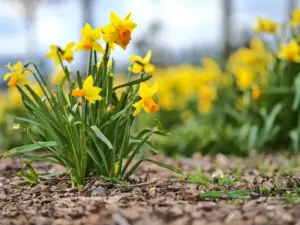
5 Best Bulbs for Fall Planting: Brighten Your Garden This Spring
Are you dreaming of a garden full of vibrant colors in the spring? The key [...]
Aug
How to Repot Houseplants Like a Pro
Do your houseplants look like they’ve outgrown their pots? Are their roots popping out of [...]
Aug
10 Houseplants That Will Thrive in Your Kitchen
Are you tired of your kitchen feeling dull and lifeless? Want to add a little [...]
Aug
Reviews
There are no reviews yet.