
Rosemary Seeds Heirloom – Anthos Herb Seeds for Outdoor Planting
From 10.77 $
Cultivate your own fragrant and flavorful rosemary seeds heirloom with these high-quality Anthos seeds. Ideal for outdoor gardens, this perennial herb adds beauty and culinary delight. Enjoy fresh rosemary for cooking and aromatherapy from your own backyard.
Estimated arrival
Sep 19
Sep 24 - Sep 26
Sep 26 - Oct 01
See our Shipping Policy.
Get in touch with us via email, and our team will review your concerns.
Our Alive & Thrive Guarantee covers issues with your plants within the first 30 days. Read our Refund & Returns Policy.
-
USDA Hardiness Zone
Zones 5-10 -
Soil Type
Loam, Sand (well-draining) -
Sunlight Exposure
Full Sun -
Expected Planting Period
Spring
Overview
Discover the joy of growing your own aromatic herbs with our premium rosemary seeds heirloom. This variety, known as Anthos, produces robust and fragrant Rosmarinus officinalis plants, perfect for both culinary adventures and enhancing your garden’s beauty. Rosemary is a beloved Mediterranean herb, cherished for its distinctive pine-like aroma and earthy flavor. Starting your own rosemary from seed allows you to nurture this versatile plant from its very beginning, ensuring a fresh supply for your kitchen or a beautiful addition to your landscape. Our rosemary seeds heirloom are carefully selected to ensure high germination rates and strong, healthy plants, making them an excellent choice for both experienced gardeners and those new to herb cultivation.
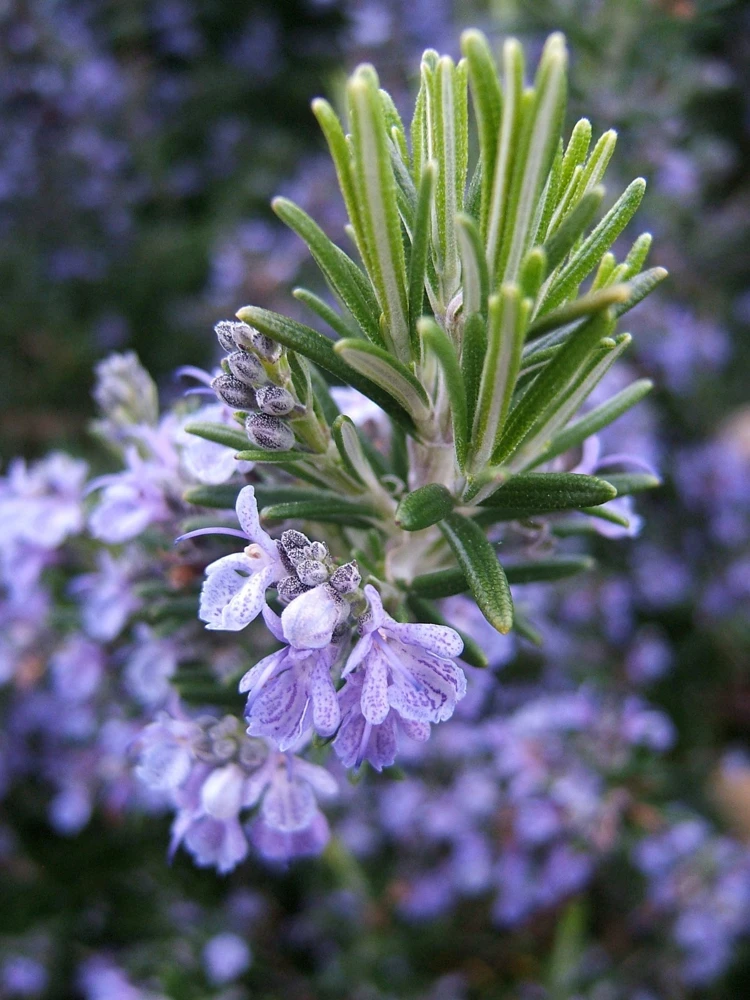
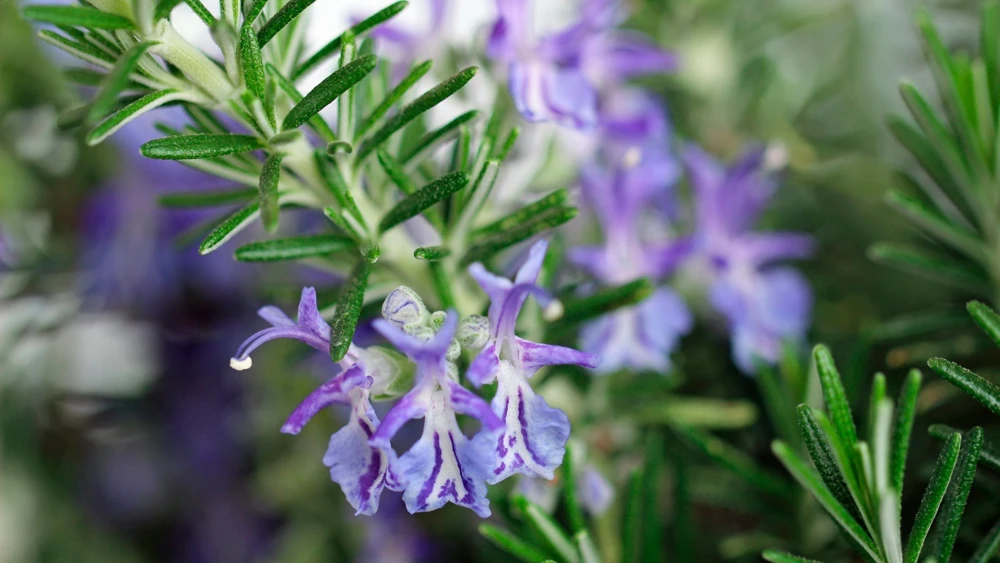
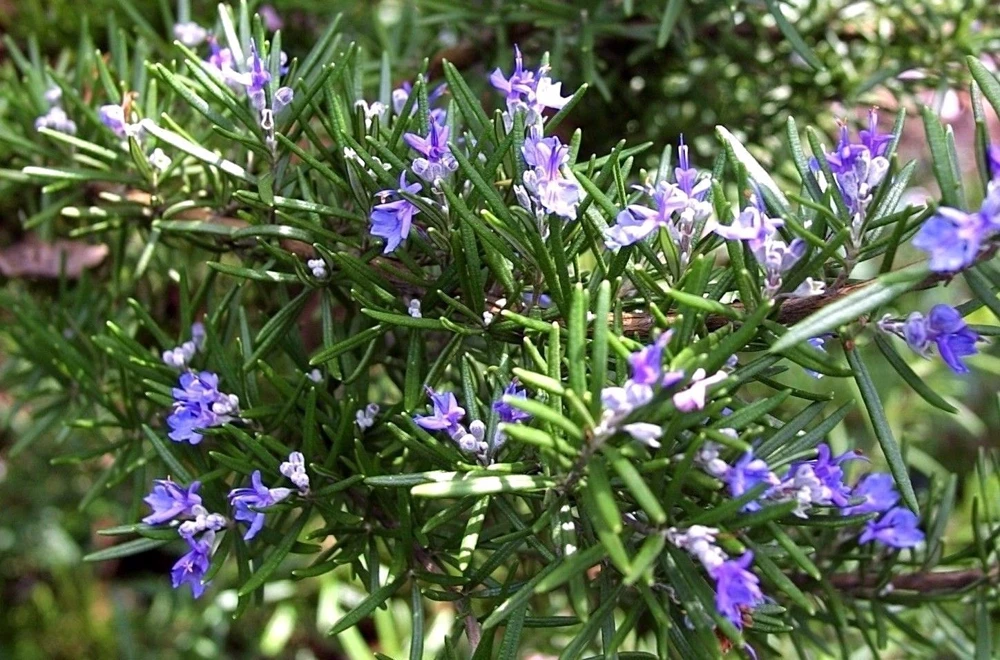
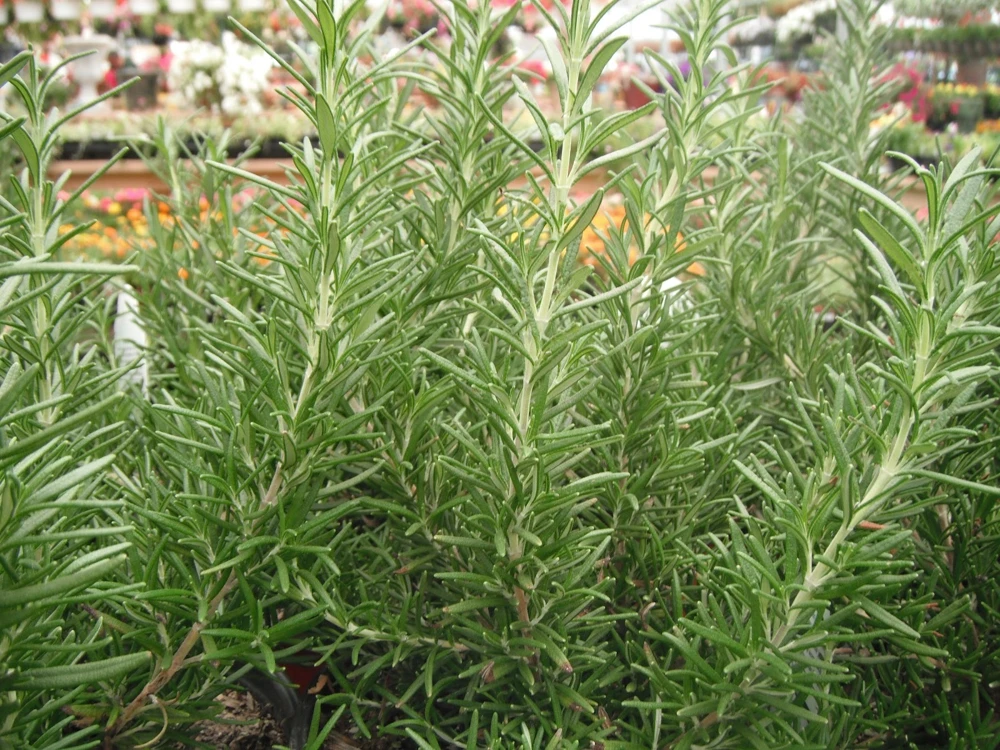
These rosemary seeds heirloom will develop into beautiful plants with needle-like leaves and delicate Tuscan Blue flowers. Known for its clumping growth habit, rosemary is a resilient perennial that thrives in various climates. Its aromatic foliage is not only a culinary staple but also a delightful sensory experience in any garden. With a moderate cultivating difficulty, these seeds offer a rewarding gardening project, leading to a long-lasting and productive herb plant.
Key Benefits
Growing your own rosemary from these heirloom seeds offers a multitude of advantages, enriching both your garden and your lifestyle. The benefits extend beyond just fresh herbs for cooking, providing a truly fulfilling gardening experience with your rosemary seeds heirloom.
- Culinary Versatility: Enjoy fresh rosemary leaves to season meats, vegetables, breads, and oils, adding a gourmet touch to your home cooking. The intense flavor of homegrown rosemary is unparalleled.
- Aromatic Garden Addition: The fragrant foliage of rosemary releases a delightful scent when brushed, creating a pleasant atmosphere in your garden or patio. It’s a natural air freshener.
- Attractive Landscaping Plant: With its evergreen leaves and lovely Tuscan Blue blooms, rosemary serves as an attractive ornamental plant, suitable for borders, rock gardens, or containers.
- Pollinator Friendly: The small blue flowers attract bees and other beneficial pollinators to your garden, contributing to a healthy ecosystem.
- Drought Tolerance: Once established, rosemary is quite drought-tolerant, making it a low-maintenance choice for gardeners in various regions, especially those with dry climates.
- Perennial Growth: As a perennial, your rosemary plant will return year after year, providing a continuous supply of fresh herbs without the need for replanting annually. This makes it a sustainable choice for your herb garden.
- Medicinal and Aromatic Uses: Beyond cooking, rosemary is traditionally used in aromatherapy and herbal remedies for its invigorating scent and potential health benefits. Growing rosemary seeds heirloom allows you to explore these diverse uses.
Plant Care & Growing Tips
Cultivating rosemary seeds heirloom requires attention to a few key factors to ensure healthy growth and a bountiful harvest. Rosemary thrives in conditions that mimic its native Mediterranean environment. For optimal growth, these plants prefer full sun, meaning at least 6-8 hours of direct sunlight per day. If growing indoors, place them in your sunniest window or supplement with grow lights. Adequate light is crucial for developing the plant’s strong aroma and flavor.
When it comes to watering, rosemary prefers well-draining soil and does not tolerate soggy conditions. Allow the soil to dry out completely between waterings, then water thoroughly until water drains from the bottom of the pot or the surrounding soil is moist. Overwatering is a common cause of rosemary plant failure. The ideal soil type for rosemary seeds heirloom is a sandy, loamy mix with a pH between 5.5 and 7.0. Good drainage is paramount, so consider adding sand or perlite to heavy soils. Rosemary is hardy in USDA Zones 5-10, tolerating a range of temperatures from cold to sub-tropical. In colder zones, consider growing it in containers that can be brought indoors during winter. Fertilize sparingly, if at all; rosemary is not a heavy feeder. A light application of a balanced liquid fertilizer in spring is usually sufficient. Watch for common pests like aphids or spider mites, which can be managed with insecticidal soap.
Size & Details
These rosemary seeds heirloom offer the opportunity to grow a robust and versatile herb. While specific dimensions can vary based on growing conditions, a mature outdoor rosemary plant typically reaches a height and spread of 2-4 feet. The plants exhibit a clumping growth habit, forming a dense, shrub-like structure. The seeds are suitable for planting in a variety of climate zones, from cold to tropical, thriving particularly well in dry and temperate conditions. They are ideal for outdoor cultivation, where they can receive ample sunlight. The beautiful Tuscan Blue flowers are a distinctive feature, adding visual appeal to the plant. With a moderate cultivating difficulty, these seeds are accessible to most gardeners. Expect your rosemary seeds heirloom to establish and grow steadily, becoming a long-term fixture in your garden.
Frequently Asked Questions
- Q: How long does it take for rosemary seeds to germinate? A: Rosemary seeds can take a while to germinate, typically between 14-21 days, but sometimes longer. Patience and consistent moisture are key during this period.
- Q: Is this an indoor or outdoor plant? A: While rosemary can be grown indoors with sufficient sunlight, it thrives best outdoors in full sun. It’s a great plant for garden beds, borders, or large outdoor containers.
- Q: How much sunlight does rosemary need? A: Rosemary requires at least 6-8 hours of direct sunlight per day to grow vigorously and develop its full aroma. Less sun will result in leggy growth and weaker flavor.
- Q: What condition will the seeds arrive in? A: The rosemary seeds heirloom will arrive as a packet of high-quality, viable seeds, ready for planting. They are carefully packaged to ensure their integrity during transit.
- Q: Can I use homegrown rosemary in cooking? A: Absolutely! Homegrown rosemary is excellent for culinary use, offering fresh, potent flavor for various dishes. You can harvest leaves as needed once the plant is established.
- Q: What is the best time to plant rosemary seeds? A: The best time to plant rosemary seeds heirloom is in early spring after the last frost, or indoors 8-10 weeks before the last frost date to get a head start on the growing season.
- Q: What USDA Hardiness Zones are suitable for rosemary? A: Rosemary is generally hardy in USDA Zones 5-10. In colder zones (5-7), it may require winter protection or be grown as an annual or overwintered indoors.
- Q: What type of soil does rosemary prefer? A: Rosemary prefers well-draining, sandy or loamy soil with a slightly acidic to neutral pH (5.5-7.0). Good drainage is crucial to prevent root rot.
- Q: Is this rosemary variety perennial? A: Yes, this rosemary seeds heirloom variety is a perennial plant, meaning it will come back year after year in suitable climates.
- Q: What are the main features of this rosemary? A: This rosemary is known for its aromatic foliage, clumping growth habit, and beautiful Tuscan Blue flowers. It’s a versatile herb for both culinary and ornamental use.
| Seed Quantity | 100 Seeds, 1600 Seeds, 200 Seeds, 3200 Seeds Or 1/8 Oz, 400 Seeds, 50 Seeds, 800 Seeds |
|---|
Be the first to review “Rosemary Seeds Heirloom – Anthos Herb Seeds for Outdoor Planting”
Related products


Herb Seeds
10 Mouse Garlic Allium Angulosum Wild Garlic Pink Flower Herb Seeds Pink Flowers Zones 4-8


You May Like
5 Best Bulbs for Fall Planting: Brighten Your Garden This Spring
Are you dreaming of a garden full of vibrant colors in the spring? The key [...]
Aug
How to Repot Houseplants Like a Pro
Do your houseplants look like they’ve outgrown their pots? Are their roots popping out of [...]
Aug
10 Houseplants That Will Thrive in Your Kitchen
Are you tired of your kitchen feeling dull and lifeless? Want to add a little [...]
Aug
Reviews
There are no reviews yet.