
Rutabaga Seeds American Purple Top Swedish Turnip – Outdoor Vegetable Seeds
From 10.77 $
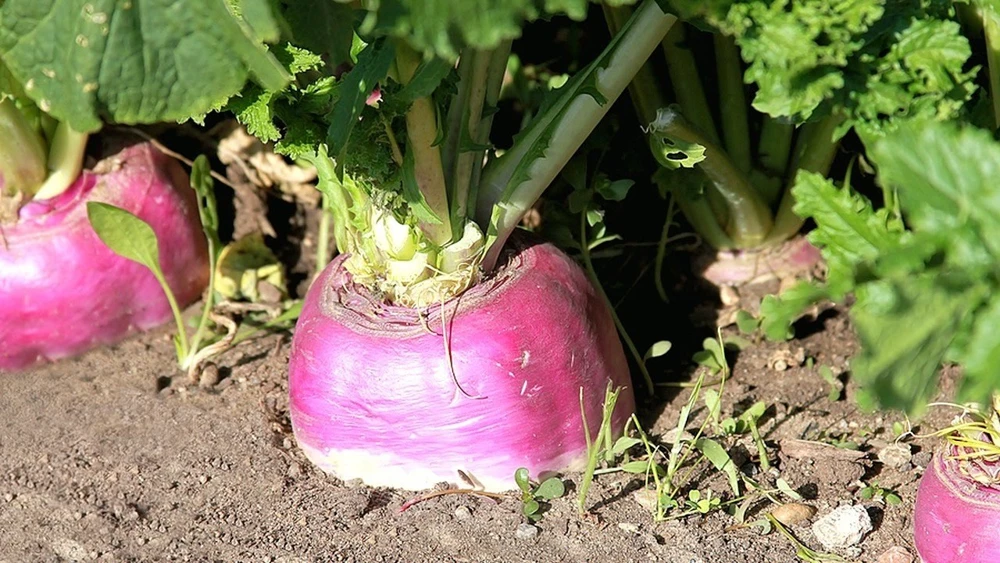
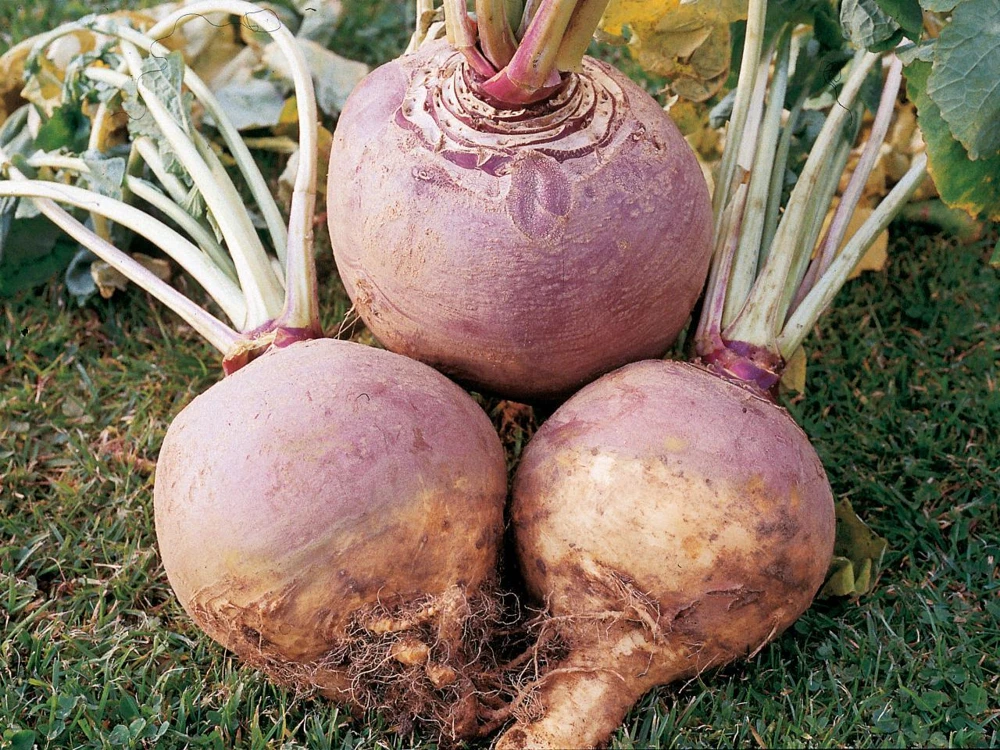
Cultivate your own delicious and nutritious rutabaga seeds with these high-quality American Purple Top Rutabaga seeds. Perfect for outdoor gardens, these swedish turnip seeds are easy to grow and produce roots with a mild, sweet, and nutty flavor.
Estimated arrival
Sep 19
Sep 24 - Sep 26
Sep 26 - Oct 01
See our Shipping Policy.
Get in touch with us via email, and our team will review your concerns.
Our Alive & Thrive Guarantee covers issues with your plants within the first 30 days. Read our Refund & Returns Policy.
-
USDA Hardiness Zone
Zones 3-12 -
Soil Type
Clay, Loam -
Sunlight Exposure
Full Sun -
Expected Planting Period
Spring, Summer, Fall
Overview
Discover the joy of growing your own nutritious vegetables with our premium rutabaga seeds. Specifically, these are the highly-regarded American Purple Top Rutabaga variety, also commonly known as Swedish Turnip Seeds. Rutabagas (Brassica napus) are a hardy, cool-season root crop, cherished for their mild, sweet, and slightly nutty flavor. These versatile vegetables are a cross between a turnip and a cabbage, offering the best of both worlds in a single, substantial root. Ideal for home gardeners, these seeds promise a rewarding harvest of large, purple-topped roots with creamy yellow flesh, perfect for roasting, mashing, or adding to stews and soups. Cultivating rutabaga seeds is a straightforward process, making them an excellent choice for both experienced and novice gardeners looking to expand their vegetable patch.
The American Purple Top variety is celebrated for its consistent performance and robust growth. Its distinctive purple shoulders and smooth, round shape make it an attractive addition to any garden. With proper care, these swedish turnip seeds will yield a bountiful crop that stores well through the winter, providing fresh, homegrown produce long after the growing season has ended. Enjoy the satisfaction of harvesting your own healthy rutabagas, straight from your backyard.
Key Benefits
Growing rutabaga seeds offers a multitude of benefits, both in the garden and on your plate. This resilient root vegetable is a fantastic choice for a productive and enjoyable gardening experience.
- Nutrient-Rich Harvest: Rutabagas are packed with essential vitamins and minerals, including Vitamin C, potassium, and fiber, contributing to a healthy diet. Enjoy a homegrown source of wholesome nutrition.
- Delicious Flavor Profile: The American Purple Top Rutabaga boasts a unique mild, sweet, and nutty flavor, making it a versatile ingredient in various culinary dishes, from hearty roasts to flavorful purees.
- Excellent Storage Crop: These rutabagas store exceptionally well in cool, dark conditions, allowing you to enjoy your harvest for months after picking, extending your fresh vegetable supply through winter.
- Hardy and Adaptable: Rutabagas are known for their hardiness and ability to thrive in a range of soil types and climates, making them a reliable crop for many gardeners. They are a resilient choice for your garden.
- Easy to Cultivate: With their relatively easy cultivation requirements, these rutabaga seeds are suitable for gardeners of all skill levels, providing a satisfying growing experience with minimal fuss.
- Versatile Culinary Use: From roasting and boiling to mashing and adding to soups, the American Purple Top rutabaga can be prepared in numerous ways, offering endless culinary possibilities.
- Garden Beauty: The distinctive purple tops of the maturing rutabagas add an interesting visual element to your vegetable garden, making it both productive and aesthetically pleasing.
Plant Care & Growing Tips
Successful cultivation of rutabaga seeds begins with proper planting and attentive care. Rutabagas are a cool-season crop that thrives in specific conditions. For optimal growth, plant your American Purple Top Rutabaga seeds directly into the garden after the last frost in spring or in late summer for a fall harvest. Ensure the soil temperature is consistently cool. They prefer a full sun location, meaning at least 6-8 hours of direct sunlight per day, to develop large, healthy roots. While they can tolerate some partial shade, too little sun can result in smaller yields.
The ideal soil for swedish turnip seeds is well-drained, fertile, and rich in organic matter, with a pH between 6.5 and 7.0. Loamy or clay soils that retain moisture but do not become waterlogged are perfect. Before planting, amend heavy clay soils with compost to improve drainage and aeration. Sow seeds about ½ inch deep and 1 inch apart in rows 18-24 inches apart. Once seedlings emerge and are a few inches tall, thin them to 6-8 inches apart to allow ample space for root development. Consistent watering is crucial, especially during dry periods, to prevent roots from becoming tough or woody. Aim for medium watering, keeping the soil consistently moist but not soggy.
Fertilize rutabagas with a balanced fertilizer or compost tea every few weeks during the growing season. Protect young plants from common pests like flea beetles and cabbage worms using row covers or organic pest control methods. As the roots mature, they will push partially out of the ground, revealing their characteristic purple tops. Harvest typically occurs 13-17 weeks after planting, when the roots reach 3-5 inches in diameter. These hardy plants are suitable for USDA Hardiness Zones 3-12, demonstrating their wide adaptability to various climates. Growing rutabaga seeds successfully requires attention to these details, but the reward of a fresh harvest is well worth the effort.
Size & Details
Our rutabaga seeds are designed to produce robust and flavorful roots of the American Purple Top variety. These plants are annuals, completing their life cycle within one growing season. Typically, the mature rutabaga roots will reach a diameter of 3-5 inches, with a clumping growth habit above ground. The plants themselves can grow to a moderate size, providing a substantial harvest. Each seed packet contains a generous quantity of high-quality seeds, ensuring a successful planting experience. The roots develop a distinctive purple color on their exposed tops, transitioning to a creamy yellow below the soil line. The cultivating difficulty for these swedish turnip seeds is considered easy, making them accessible for gardeners of all experience levels. Expect to harvest your rutabagas approximately 13-17 weeks after planting, offering a satisfying turnaround from seed to table. They are primarily grown outdoors and thrive in full sun conditions.
Frequently Asked Questions
- Q: How large do American Purple Top Rutabagas get? A: American Purple Top Rutabaga typically grows to a diameter of 3-5 inches, though some may grow larger with optimal conditions. Their size makes them excellent for various culinary uses and ensures a good yield per plant.
- Q: Is this an indoor or outdoor plant? A: These rutabaga seeds are best suited for outdoor cultivation. Rutabagas thrive in garden beds, requiring full sun and ample space for their roots to develop properly.
- Q: How much sunlight do rutabagas need? A: Rutabagas require full sun, meaning at least 6-8 hours of direct sunlight per day, to grow vigorously and produce large, flavorful roots. Adequate sunlight is crucial for a successful harvest of rutabaga seeds.
- Q: Are these rutabaga seeds easy to care for? A: Yes, the American Purple Top Rutabaga is considered easy to cultivate. With proper planting, consistent watering, and adequate sunlight, even beginner gardeners can achieve a successful harvest.
- Q: When is the best time to plant rutabaga seeds? A: You can plant rutabaga seeds in early spring after the last frost for a summer harvest, or in late summer for a fall and winter harvest. They are a cool-season crop.
- Q: What condition will the seeds arrive in? A: Your rutabaga seeds will arrive in a sealed packet, ensuring their freshness and viability for planting. They are ready to be sown directly into your garden.
- Q: What soil type is best for growing rutabagas? A: Rutabagas prefer well-drained, fertile soil rich in organic matter, with a pH between 6.5 and 7.0. Loamy or clay soils amended with compost work well for growing rutabaga.
- Q: How long until I can harvest rutabagas? A: You can typically expect to harvest your American Purple Top Rutabaga roots approximately 13-17 weeks after planting the seeds. This gives them ample time to mature and develop their characteristic flavor.
- Q: Will rutabagas survive winter in my zone? A: Rutabagas are quite cold-hardy and can withstand light frosts. They are suitable for USDA Hardiness Zones 3-12, and in some milder climates, they can even be left in the ground through winter for later harvesting.
- Q: What flavor can I expect from these rutabagas? A: The American Purple Top Rutabaga is known for its mild, sweet, and slightly nutty flavor. This makes it a delicious and versatile vegetable for a wide range of culinary applications.
| Seed Quantity | 1125 Seeds Or 1/8 Oz, 144K Seeds Or 1 Lb, 18K Seeds Or 2 Oz, 2250 Seeds Or 1/4 Oz, 250 Seeds, 36K Seeds Or 1/4 Lb, 500 Seeds, 72K Seeds Or 1/2 Lb, 9K Seeds Or 1 Oz |
|---|
Be the first to review “Rutabaga Seeds American Purple Top Swedish Turnip – Outdoor Vegetable Seeds”
Related products


Vegetable Seeds
3000 White Boston Lettuce Seeds – Green Butterhead Vegetable, Lactuca Sativa, 6-12″ Tall

Vegetable Seeds
Yellow Cheese Pimento Pepper Seeds – 50 Count – Sweet & Mild

Vegetable Seeds
Tendersweet Carrot Seeds – 1500 Count, Deep Orange Red Vegetable


Vegetable Seeds
Tendercrisp Celery Seeds – 1000 Count Vegetable Seeds for Garden

You May Like
5 Best Bulbs for Fall Planting: Brighten Your Garden This Spring
Are you dreaming of a garden full of vibrant colors in the spring? The key [...]
Aug
How to Repot Houseplants Like a Pro
Do your houseplants look like they’ve outgrown their pots? Are their roots popping out of [...]
Aug
10 Houseplants That Will Thrive in Your Kitchen
Are you tired of your kitchen feeling dull and lifeless? Want to add a little [...]
Aug
Reviews
There are no reviews yet.