


Sabal Palm Seeds – Cabbage Palmetto Tree Flower Seeds – 10 Count, Hardy Zone 7-11
Original price was: 32.99 $.12.99 $Current price is: 12.99 $.
Cultivate the iconic sabal palm seeds, also known as cabbage palmetto seeds, from your own garden. These 10 hardy seeds produce majestic trees reaching 20-30 feet, featuring yellowish-white flowers and black fruit. Ideal for USDA Zones 7-11, they are notably salt and drought tolerant.
Estimated arrival
Sep 19
Sep 24 - Sep 26
Sep 26 - Oct 01
See our Shipping Policy.
Get in touch with us via email, and our team will review your concerns.
Our Alive & Thrive Guarantee covers issues with your plants within the first 30 days. Read our Refund & Returns Policy.
-
USDA Hardiness Zone
7-11 -
Soil Type
Average - Dry -
Sunlight Exposure
Sun - Part Shade -
Expected Planting Period
Outdoors after frost / Indoors weeks before last frost
Overview
Embark on the rewarding journey of growing your own majestic trees with these premium sabal palm seeds. Often referred to as the Cabbage Palm or Palmetto, and scientifically known as Sabal palmetto, this iconic tree is the state tree of both Florida and South Carolina. These seeds will allow you to cultivate a resilient and striking landscape feature known for its robust nature and impressive stature. The Sabal Palm is renowned for its ability to thrive in challenging environments, showcasing extreme salt tolerance, making it a perfect choice for coastal regions or areas with brackish water. With a potential height of 20-30 feet and a trunk measuring up to 2 feet wide, these trees make a significant visual impact, adding a touch of tropical elegance to any setting. Growing sabal palmetto seeds is an enriching experience for any gardener looking to introduce a piece of American botanical heritage into their space.
The sabal palm seeds offer a unique opportunity to grow a tree that is not only beautiful but also incredibly adaptable. These trees are exceptionally cold hardy for a palm, capable of tolerating temperatures as low as 7°F for short periods, which extends their viable growing range significantly. Beyond their aesthetic appeal, the Cabbage Palmetto plays an important ecological role in its native habitats, providing food and shelter for various wildlife. Imagine the satisfaction of watching these resilient trees mature from small seeds into towering specimens that can withstand diverse conditions, from drought to standing water. Whether you’re an experienced horticulturist or a budding enthusiast, planting these hardy palm seeds promises a rewarding and long-lasting addition to your outdoor environment.
Key Benefits
Growing sabal palm seeds offers a multitude of advantages, transforming your landscape with their unique characteristics and resilience. These benefits make them an excellent choice for a variety of garden designs and environmental conditions.
- Exceptional Hardiness: The Sabal Palm is remarkably cold hardy for a palm, tolerating temperatures down to 7°F. This makes these sabal palm seeds suitable for a broader range of climates than many other palm varieties, expanding where you can successfully grow them.
- High Salt Tolerance: These trees are extremely salt tolerant, making them an ideal choice for coastal properties or areas where salty conditions might deter other plant species. They thrive in environments where many other trees struggle.
- Drought and Water Tolerance: Once established, the Cabbage Palmetto exhibits excellent tolerance to both drought and periods of standing water. This adaptability reduces the need for constant monitoring and allows them to flourish in fluctuating weather conditions.
- Low Maintenance: Known for their resilience, these palm trees require minimal care once established. They can adapt to various soil types and water levels, making them a relatively easy-to-grow option for busy gardeners.
- Significant Landscape Impact: Growing to an impressive height of 20-30 feet with a trunk up to 2 feet wide, Sabal Palms create a dramatic and stately presence in any landscape. Their distinctive silhouette and fan-shaped fronds add architectural interest and tropical flair.
- Ecological Value: The sabal palmetto seeds develop into trees that provide valuable habitat and food sources for local wildlife, contributing to biodiversity in your garden and surrounding areas.
- Iconic & Historic Significance: As the state tree of Florida and South Carolina, the Sabal Palm carries a rich cultural and historical significance, adding a unique narrative to your garden.
Plant Care & Growing Tips
Cultivating sabal palm seeds requires attention to specific conditions to ensure successful germination and healthy growth. Begin by considering whether to plant outdoors after the last frost or start seeds indoors several weeks prior. For outdoor planting, choose a location with ample space for the tree to grow to its full potential, accounting for its mature height of 20-30 feet and a spread of 15-20 feet. These palm tree seeds thrive in a range of light conditions, from full sun to part shade, offering flexibility in placement. Ensure the soil is average to dry, as the Sabal Palm is known for its tolerance to various soil and water preferences, including brackish water, but good drainage is always beneficial for young seedlings.
Once your cabbage palmetto seeds have germinated and seedlings are established, they will require consistent, but not excessive, watering. While mature trees are drought-tolerant, young plants benefit from regular moisture. Fertilization is generally not heavily required for established Sabal Palms, but a balanced slow-release fertilizer designed for palms can benefit young, growing trees. Monitor for common pests and diseases, though Sabal Palms are relatively robust. Their hardiness extends to USDA Zones 7-11, meaning they can withstand quite cold temperatures for a palm, down to 7°F for short durations. Protect young plants from extreme cold during their first few winters if you are at the colder end of their hardiness range. Proper care for your sabal palm seeds will ensure they develop into magnificent, long-lived trees.
Size & Details
This offering includes 10 Sabal Palm seeds, ready for you to cultivate into majestic trees. The mature Sabal Palm, grown from these sabal palmetto seeds, typically reaches an impressive height of 20 to 30 feet, with some specimens growing even taller under ideal conditions. The trunk can develop a width of up to 2 feet, providing a sturdy and commanding presence in any landscape. These trees are best planted with a spacing of 15 to 20 feet apart to allow for their mature canopy spread. The yellowish-white flowers, while not showy, contribute to the tree’s overall beauty and eventually give way to black fruit. While bloom time is not specified, these trees offer year-round greenery and a distinctive architectural form. The seeds are shipped in a protective packet, ensuring their viability upon arrival, ready for you to start growing your hardy palm seeds.
Frequently Asked Questions
- Q: How tall do Sabal Palm trees get? A: Sabal Palm trees typically reach a mature height of 20 to 30 feet, with some specimens growing even taller. Their impressive stature makes them a prominent feature in any landscape.
- Q: Are these Sabal Palm seeds suitable for cold climates? A: Yes, these sabal palm seeds are known for their exceptional cold hardiness, thriving in USDA Zones 7-11. They can tolerate temperatures as low as 7°F for short periods, making them suitable for many regions.
- Q: What kind of sunlight do Sabal Palms need? A: Sabal Palms are adaptable and can grow in full sun to part shade conditions. This flexibility allows for various planting locations in your garden.
- Q: How much water do Sabal Palms require? A: Once established, Sabal Palms are quite drought tolerant and can also withstand periods of standing water. They prefer average to dry soil conditions, making them a low-maintenance choice.
- Q: Can I grow cabbage palmetto seeds in a coastal area? A: Absolutely! Sabal Palms are extremely salt tolerant, making them an excellent choice for coastal regions or areas with brackish water. They thrive where many other trees struggle.
- Q: When is the best time to plant Sabal Palm seeds? A: You can plant sabal palm seeds outdoors after the last frost in your area, or start them indoors several weeks before the last expected frost for a head start.
- Q: Do Sabal Palms produce flowers or fruit? A: Yes, Sabal Palms produce yellowish-white flowers, which might not be showy but are followed by distinctive black fruit. These contribute to the tree’s natural cycle and provide food for wildlife.
- Q: What is the scientific name for Sabal Palm? A: The scientific name for Sabal Palm is Sabal palmetto. It is also commonly known as Cabbage Palm or Palmetto Palm.
- Q: What is the recommended spacing for planting these trees? A: For optimal growth and to allow for their mature spread, it is recommended to plant Sabal Palms with a spacing of 15 to 20 feet apart.
- Q: Are these hardy palm seeds difficult to germinate? A: While germination can take time, providing the right conditions (warmth, moisture, and light) will increase your success rate. Patience is key when growing sabal palm seeds.
Be the first to review “Sabal Palm Seeds – Cabbage Palmetto Tree Flower Seeds – 10 Count, Hardy Zone 7-11”
Related products

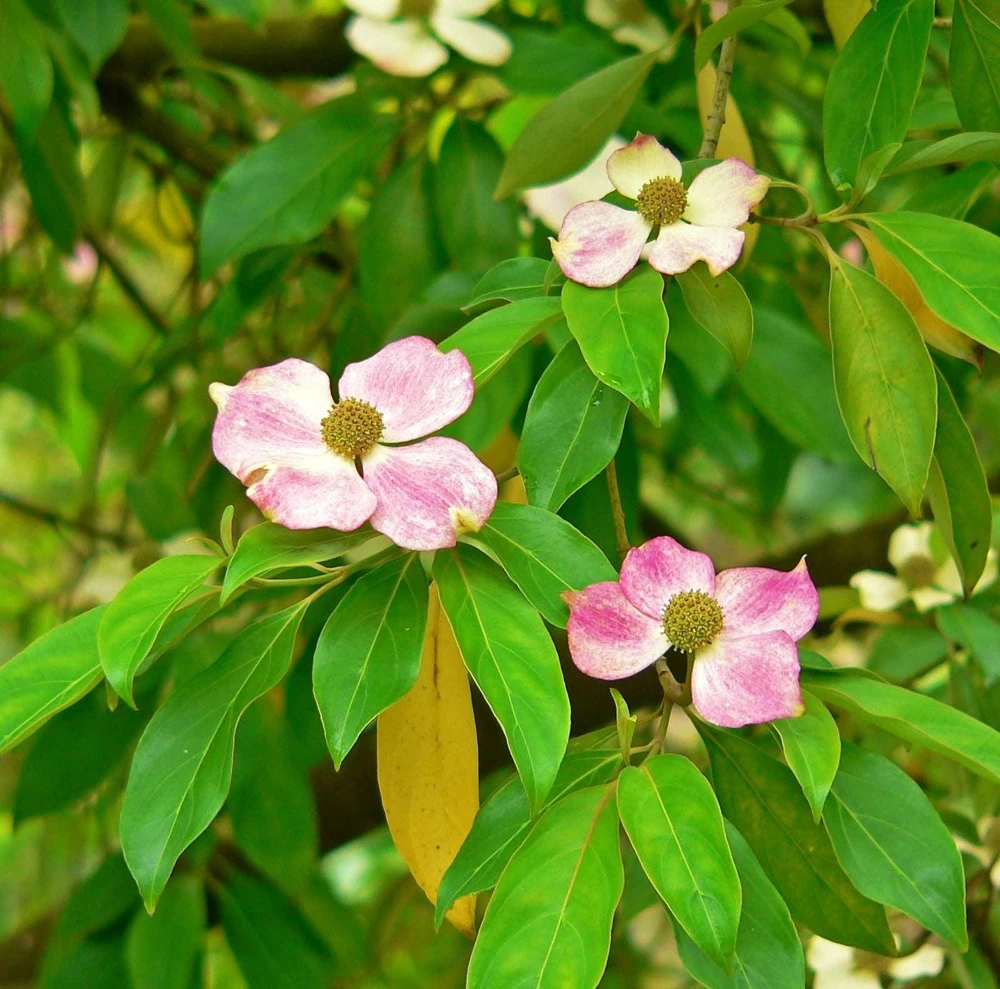


Tree Seeds
Canino Olive Tree Seeds – 10 Pack Olea Europaea Canino for Edible Olives, Full Sun, Zones 9-11


You May Like
5 Best Bulbs for Fall Planting: Brighten Your Garden This Spring
Are you dreaming of a garden full of vibrant colors in the spring? The key [...]
Aug
How to Repot Houseplants Like a Pro
Do your houseplants look like they’ve outgrown their pots? Are their roots popping out of [...]
Aug
10 Houseplants That Will Thrive in Your Kitchen
Are you tired of your kitchen feeling dull and lifeless? Want to add a little [...]
Aug
Reviews
There are no reviews yet.