


Saskatoon Serviceberry Seeds – Amelanchier Alnifolia, Edible Purple Berry, 20 Seeds
Original price was: 32.99 $.12.99 $Current price is: 12.99 $.
Discover the joy of growing your own Saskatoon Serviceberry seeds (Amelanchier Alnifolia). These native fruit seeds produce shrubs with delicious edible purple berries and beautiful white spring flowers. Perfect for gardens in USDA Zones 2-7, offering both ornamental beauty and a bountiful harvest.
Estimated arrival
Sep 19
Sep 24 - Sep 26
Sep 26 - Oct 01
See our Shipping Policy.
Get in touch with us via email, and our team will review your concerns.
Our Alive & Thrive Guarantee covers issues with your plants within the first 30 days. Read our Refund & Returns Policy.
-
USDA Hardiness Zone
2-7 -
Soil Type
Average, well-draining soil -
Sunlight Exposure
Sun - Part Shade -
Expected Planting Period
Fall (after cold stratification) / Early Spring (indoors)
Overview
Embark on a rewarding gardening journey with our premium Saskatoon Serviceberry seeds. Also known by its scientific name, Amelanchier Alnifolia seeds, this versatile shrub is a fantastic addition to any landscape, especially for those seeking native plants with edible benefits. The Saskatoon Serviceberry is cherished for its sweet, purple berries, which are similar in taste to blueberries, and its attractive white flowers that bloom in April to May. This hardy plant thrives across a wide range of climates, making it a reliable choice for many gardeners. Growing from seed allows you to cultivate a robust and healthy plant from its very beginning, ensuring it adapts well to your specific garden conditions.
The Saskatoon Serviceberry is a truly remarkable plant, often referred to as Western Serviceberry, Pacific Serviceberry, Western Juneberry, Saskatoon Berry, Alder-leaf Shadbush, or Dwarf Shadbush. Its adaptability and dual appeal as an ornamental and fruit-bearing shrub make it a popular choice. Whether you’re looking to attract local wildlife, add a beautiful native element to your garden, or simply enjoy fresh, homegrown berries, these Juneberry seeds offer an excellent starting point. With proper care and a little patience, you’ll soon enjoy the fruits of your labor.
Key Benefits
Cultivating Saskatoon Serviceberry seeds brings a multitude of advantages to your garden and your plate. This native shrub is not only beautiful but also highly functional, providing food and habitat for local ecosystems. Here are some of the key benefits:
- Delicious Edible Berries: The plant produces abundant purple berries, rich in antioxidants and perfect for fresh eating, pies, jams, or preserves. These edible berry seeds will grow into plants that provide a healthy and delicious harvest every summer.
- Attractive Ornamental Value: Beyond its fruit, the Saskatoon Serviceberry offers year-round visual interest with delicate white spring flowers, lush green foliage that turns brilliant shades of orange and red in the fall, and an elegant growth habit.
- Native and Wildlife-Friendly: As a native plant, it supports local biodiversity, providing nectar for pollinators in spring and berries for birds and other wildlife in summer, making it an excellent choice for a naturalized garden or wildlife habitat.
- Hardy and Adaptable: Known for its resilience, the Saskatoon Serviceberry is tolerant of various soil types and climates, thriving in USDA Zones 2-7, making it a robust choice for many regions.
- Low Maintenance: Once established, these shrubs require minimal care, making them an ideal option for gardeners who prefer less demanding plants. They are generally resistant to common pests and diseases.
- Soil Erosion Control: Its strong root system helps stabilize soil, making it useful for preventing erosion on slopes or along banks.
- Drought Tolerance: While regular watering is beneficial, established Saskatoon Serviceberry plants exhibit good drought tolerance, reducing the need for constant irrigation.
Plant Care & Growing Tips
Growing Saskatoon Serviceberry seeds requires a bit of patience and understanding of their specific needs, particularly regarding stratification. These Amelanchier Alnifolia seeds benefit from a period of cold stratification before planting to break dormancy. You can achieve this by placing the seeds in a moist medium (like sand or peat moss) in a sealed bag in your refrigerator for 90-120 days. After stratification, sow seeds in fall outdoors or indoors weeks before the last frost. For indoor sowing, transplant seedlings outdoors after all danger of frost has passed.
The Saskatoon Serviceberry thrives in a location with full sun to part shade. While it can tolerate some shade, full sun exposure will generally lead to more abundant flowering and fruit production. It prefers average, well-draining soil but is quite adaptable to various soil conditions. Ensure consistent moisture during the establishment phase, especially in the first year. Once established, it becomes more drought-tolerant but will benefit from watering during prolonged dry spells. Fertilization is generally not heavily required; a balanced, slow-release fertilizer can be applied in early spring if soil nutrients are poor.
Pruning can be done in late winter or early spring to maintain shape, remove dead or damaged branches, and encourage new growth. Watch out for common issues like rust or powdery mildew, which can usually be managed with good air circulation and appropriate fungicides if necessary. The plant is hardy in USDA Zones 2-7, meaning it can withstand cold winters. Consider planting these native fruit seeds in an area where they have room to grow, as they can reach heights of 6-10 feet and spacing of 9-12 feet.
Size & Details
This offering includes 20 Saskatoon Serviceberry seeds, providing a generous quantity to start your garden project. The plants grown from these seeds typically mature into a shrub or small tree, reaching a height of 6 to 10 feet with a similar spread of 9 to 12 feet. These plants are known for their moderate growth rate, establishing well within a few years. Flowers typically appear from April to May, followed by the harvest of delicious purple berries in June to July. The seeds are intended for planting and will require cold stratification to ensure successful germination. This pack of edible berry seeds is perfect for creating a beautiful and productive landscape.
The mature size of the Saskatoon Serviceberry makes it suitable for various landscape applications, including hedgerows, specimen plants, or as part of a mixed border. With a hardiness range spanning USDA Zones 2-7, it’s a versatile choice for many climates. The seeds ship as a dried product, ready for proper stratification and planting according to your local growing season. Expect to see initial growth in the first year, with significant development and fruit production beginning in subsequent years as the plant establishes its root system and canopy.
Frequently Asked Questions
- Q: How many seeds are included in this pack? A: This pack contains 20 Saskatoon Serviceberry seeds, providing you with multiple opportunities to grow these wonderful plants.
- Q: Is this an indoor or outdoor plant? A: The Saskatoon Serviceberry is an outdoor plant, best suited for gardens, landscapes, and naturalized areas where it can grow to its full potential.
- Q: How much sunlight does the Saskatoon Serviceberry need? A: This plant thrives in full sun to part shade conditions. For optimal fruit production, aim for at least 6 hours of direct sunlight per day.
- Q: Is this plant easy to care for? A: Once established, the Saskatoon Serviceberry is relatively low-maintenance. The main care requirement is proper cold stratification for the Juneberry seeds and consistent watering during its first year.
- Q: When is the best time to plant these seeds? A: After cold stratification, the best time to plant these Amelanchier Alnifolia seeds is in the fall directly outdoors or indoors several weeks before your last expected frost date in spring.
- Q: What condition will the seeds arrive in? A: The seeds will arrive as dried seeds, ready for you to begin the stratification and planting process.
- Q: Can I eat the berries from the Saskatoon Serviceberry? A: Yes, the berries are fully edible and delicious! They are often compared to blueberries and are excellent fresh, baked into pies, or made into jams and jellies.
- Q: What is the hardiness zone for this plant? A: The Saskatoon Serviceberry is very hardy and can thrive in USDA Zones 2 through 7.
- Q: How tall does the Saskatoon Serviceberry grow? A: It typically grows to a height of 6 to 10 feet, with a similar spread, forming a multi-stemmed shrub or small tree.
- Q: What kind of soil does it prefer? A: It prefers average, well-draining soil but is adaptable to various soil types, including sandy or clay soils, as long as drainage is adequate.
Be the first to review “Saskatoon Serviceberry Seeds – Amelanchier Alnifolia, Edible Purple Berry, 20 Seeds”
Related products


You May Like
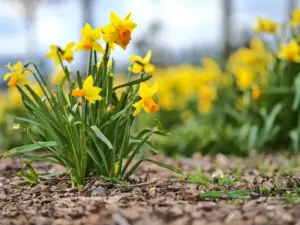
5 Best Bulbs for Fall Planting: Brighten Your Garden This Spring
Are you dreaming of a garden full of vibrant colors in the spring? The key [...]
Aug

How to Repot Houseplants Like a Pro
Do your houseplants look like they’ve outgrown their pots? Are their roots popping out of [...]
Aug
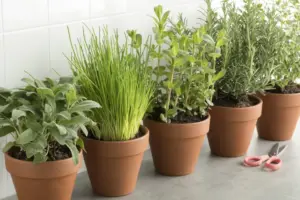
10 Houseplants That Will Thrive in Your Kitchen
Are you tired of your kitchen feeling dull and lifeless? Want to add a little [...]
Aug
Reviews
There are no reviews yet.