
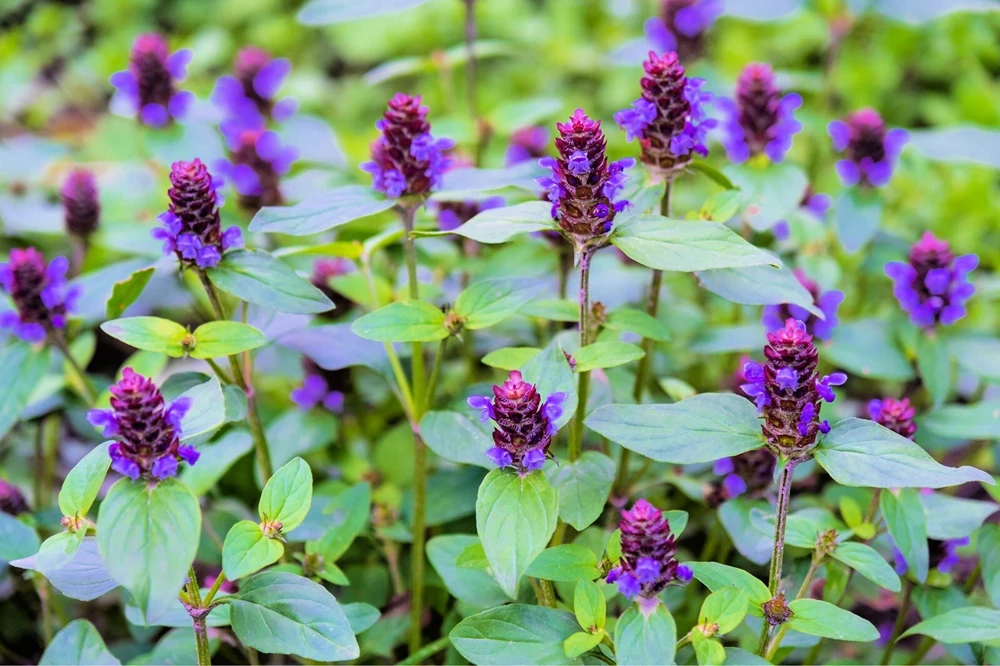
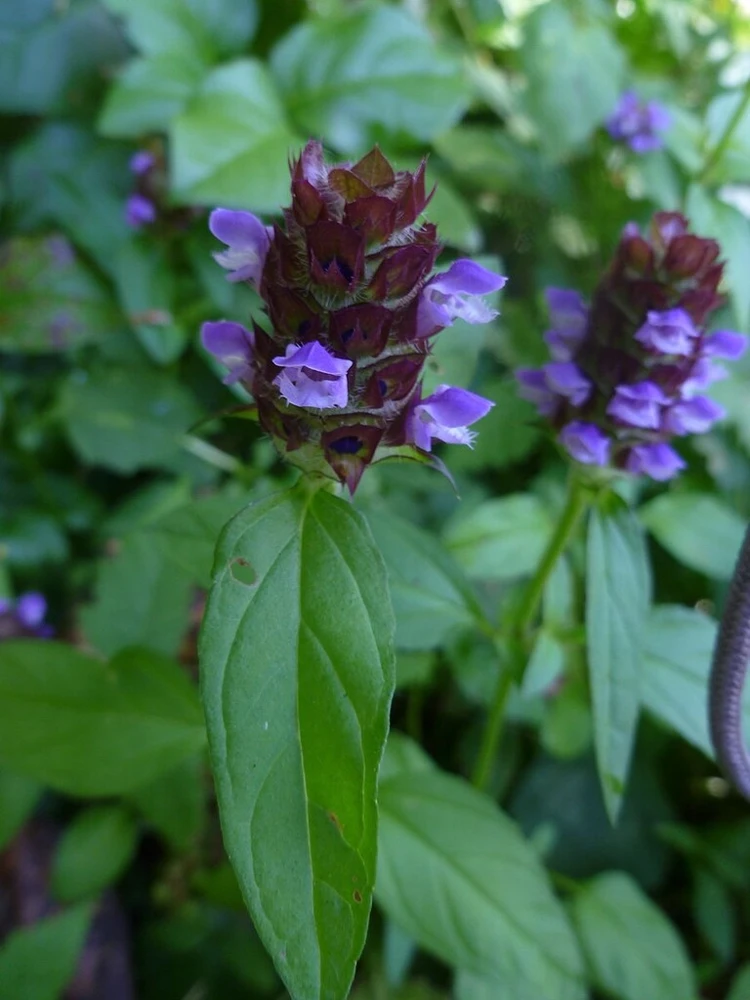
Self Heal Seeds (Prunella vulgaris) – Heal All, Dragon Head, Heart of the Earth – Violet Blue Perennial Flower Seeds
From 10.77 $
Cultivate beautiful and beneficial Self Heal seeds (Prunella vulgaris) in your garden. These perennial flower seeds, also known as Heal All seeds or Dragon Head seeds, produce charming violet-blue blooms and are easy to grow ground cover. Ideal for gardeners seeking a low-maintenance, flowering plant.
Estimated arrival
Sep 19
Sep 24 - Sep 26
Sep 26 - Oct 01
See our Shipping Policy.
Get in touch with us via email, and our team will review your concerns.
Our Alive & Thrive Guarantee covers issues with your plants within the first 30 days. Read our Refund & Returns Policy.
-
USDA Hardiness Zone
Zones 2-12 -
Soil Type
Clay, Loam, Peat, Sand (well-draining) -
Sunlight Exposure
Full Sun, Partial Shade -
Expected Planting Period
Spring to early fall (after cold stratification)
Overview
Discover the versatility and beauty of Self Heal seeds, botanically known as Prunella vulgaris. This remarkable perennial flower is cherished for its attractive violet-blue blossoms and its historical significance. Often referred to by various evocative names such as Heal All seeds, Dragon Head, and Heart of the Earth, this plant is a fantastic addition to any garden, providing both aesthetic appeal and ecological benefits. Growing from Prunella vulgaris seeds allows you to establish a robust and mat-forming ground cover that thrives in various conditions. Whether you’re looking to enhance your garden’s biodiversity or simply enjoy its charming appearance, these seeds offer an accessible and rewarding gardening experience.
Originating from temperate regions, Prunella vulgaris is a resilient plant that adapts well to a range of climates. Its ability to spread and form a dense mat makes it excellent for naturalizing areas or as an underplanting. The delicate yet vibrant violet-blue flowers bloom throughout the warmer months, attracting pollinators like bees and butterflies, thereby contributing to a healthier ecosystem. Planting Self Heal seeds is a simple process, and with proper care, you can enjoy a flourishing display year after year. These perennial flower seeds are a testament to nature’s enduring beauty and functionality, making them a popular choice for both novice and experienced gardeners alike.
Key Benefits
Growing Self Heal seeds in your garden offers a multitude of advantages, from enhancing visual appeal to supporting local wildlife. These benefits make Prunella vulgaris a valuable and desirable plant for many landscapes:
- Beautiful Ground Cover: The mat-forming growth habit of Self Heal creates a dense carpet of foliage adorned with lovely violet-blue flowers, making it an ideal choice for ground cover, suppressing weeds, and preventing soil erosion.
- Attracts Pollinators: The vibrant blooms are a magnet for bees, butterflies, and other beneficial pollinators, supporting local ecosystems and encouraging biodiversity in your garden.
- Low Maintenance: Once established, Self Heal seeds develop into robust plants that require minimal care, making them perfect for busy gardeners or those seeking an easy-to-grow option.
- Adaptable & Resilient: This plant tolerates a wide range of soil types and light conditions, thriving in both full sun and partial shade, and demonstrating resilience across USDA Hardiness Zones 2-12.
- Long Blooming Season: Enjoy continuous blooms from spring through summer and into fall, providing extended periods of color and interest in your garden.
- Ecological Value: As a native plant in many regions, Prunella vulgaris seeds contribute to the natural landscape and provide a food source for various wildlife.
- Easy Germination: While requiring cold stratification, the germination process for these perennial flower seeds is straightforward, ensuring a successful start to your planting efforts.
Plant Care & Growing Tips
Successfully cultivating Self Heal seeds begins with understanding their specific needs, though they are generally considered easy to grow. Germination requires cold stratification, which mimics natural winter conditions. To cold stratify, mix the seeds with a small amount of moist sand or peat moss, place them in a plastic bag, and refrigerate for 3-4 weeks. After stratification, sow the seeds directly outdoors in early spring or indoors 6-8 weeks before the last frost. Lightly cover the seeds with soil, as they often need light to germinate. Maintain consistent moisture until seedlings emerge.
For established plants, Prunella vulgaris thrives in a variety of conditions. It prefers full sun to partial shade, meaning it will perform well with at least 4-6 hours of direct sunlight daily or dappled light throughout the day. The plant is adaptable to various soil types, including clay, loam, peat, and sand, but it absolutely requires well-draining soil to prevent root rot. A soil pH between 6.0 and 7.0 is ideal. While tolerant of some drought once established, regular medium watering is recommended, especially during dry spells, to encourage lush growth and abundant flowering. Avoid overwatering, as this can lead to issues.
Self Heal is remarkably hardy, thriving in USDA Hardiness Zones 2-12. This wide range makes it suitable for most climates in the United States. It’s a perennial, meaning it will return year after year, providing continuous beauty. Fertilization is generally not necessary in rich soils, but a light application of balanced, slow-release fertilizer in spring can encourage more vigorous growth and blooming in poorer soils. Pests and diseases are rarely an issue for this resilient plant, contributing to its reputation as an easy-to-cultivate species. With these straightforward care practices, your Prunella vulgaris seeds will develop into a thriving and beautiful ground cover.
Size & Details
The Self Heal plant, grown from these high-quality perennial flower seeds, typically exhibits a mat-forming or clumping growth habit, reaching a modest height of usually 6-12 inches, with a spread of 12-18 inches. This makes it an excellent choice for ground cover, rock gardens, or borders. The plant’s life cycle is perennial, ensuring it returns each year to grace your garden with its lovely violet-blue flowers. The foliage, while not particularly showy, is a pleasant green, providing a lush backdrop for the blooms. These Dragon Head seeds are harvested from plants grown in the United States, ensuring quality and adaptability to local conditions.
Planting time for these Heal All seeds is generally 8 weeks after cold stratification, typically in spring or early fall. Expect germination to occur within 2-3 weeks after sowing, provided proper conditions are met. The plant will establish quickly and begin to flower in its first or second year, offering continuous blooms throughout the fall, spring, and summer seasons. The cultivating difficulty is rated as easy, making it accessible for gardeners of all skill levels. These Self Heal seeds provide an opportunity to grow a resilient and attractive flowering plant that contributes positively to your garden’s aesthetic and ecological balance.
Frequently Asked Questions
- Q: How big does this plant get? A: Self Heal typically grows to a height of 6-12 inches and can spread 12-18 inches, forming a dense, mat-like ground cover. Its clumping habit ensures a neat appearance while still providing good coverage.
- Q: Is this an indoor or outdoor plant? A: Self Heal is primarily an outdoor plant, ideal for gardens, borders, and naturalized areas. It thrives in various outdoor conditions and is hardy across a wide range of USDA zones.
- Q: How much sunlight does it need? A: Prunella vulgaris performs best in full sun to partial shade. This means it requires at least 4-6 hours of direct sunlight daily but can also tolerate some afternoon shade, especially in hotter climates.
- Q: Is this plant easy to care for? A: Yes, Self Heal is considered to have an easy cultivating difficulty. Once established, it requires minimal maintenance, making it a great choice for beginner gardeners or those seeking low-effort plants.
- Q: What condition will the seeds arrive in? A: You will receive high-quality Self Heal seeds in a protective packet, ready for cold stratification and planting. The seeds are carefully processed to ensure viability and successful germination.
- Q: How long until it blooms? A: After successful germination and establishment, Self Heal plants typically begin to bloom in their first or second year. They will then continue to flower profusely from spring through summer and into fall.
- Q: Will it survive winter in my zone? A: Yes, Self Heal is a perennial plant and is incredibly hardy, thriving in USDA Hardiness Zones 2-12. This means it can withstand cold winters and return vigorously each spring in most parts of the United States.
- Q: What’s the best soil type for these seeds? A: These Prunella vulgaris seeds are adaptable to various soil types including clay, loam, peat, and sand. The most crucial factor is that the soil must be well-draining to prevent waterlogging and root issues.
- Q: Do these perennial flower seeds attract pollinators? A: Absolutely! The violet-blue flowers of Self Heal are very attractive to bees, butterflies, and other beneficial insects, making it an excellent plant for supporting local pollinator populations in your garden.
- Q: What is cold stratification and why is it needed? A: Cold stratification is a process that mimics winter conditions to break seed dormancy. For Self Heal seeds, it involves chilling the seeds in a moist medium for 3-4 weeks, which is essential for successful germination.
| Seed Amount | 12K Seeds Or 1/2 Oz, 200 Seeds Or 1/4 Gram, 25K Seeds Or 1 Oz, 3000 Seeds Or 1/8 Oz, 400 Seeds Or 1/2 Gram, 6000 Seeds Or 1/4 Oz, 800 Seeds Or 1 Gram |
|---|
Be the first to review “Self Heal Seeds (Prunella vulgaris) – Heal All, Dragon Head, Heart of the Earth – Violet Blue Perennial Flower Seeds”
Related products

Flower Seeds


You May Like
5 Best Bulbs for Fall Planting: Brighten Your Garden This Spring
Are you dreaming of a garden full of vibrant colors in the spring? The key [...]
Aug
How to Repot Houseplants Like a Pro
Do your houseplants look like they’ve outgrown their pots? Are their roots popping out of [...]
Aug
10 Houseplants That Will Thrive in Your Kitchen
Are you tired of your kitchen feeling dull and lifeless? Want to add a little [...]
Aug
Reviews
There are no reviews yet.