


Set of 5 Yellow Trillium Bulbs – Bareroot Perennial Wildflower Plant
Original price was: 65.99 $.17.99 $Current price is: 17.99 $.
Bring natural charm to your shaded landscapes with a set of 5 Yellow Trillium bulbs. These well-rooted, bareroot bulbs will develop into beautiful perennial wildflowers, showcasing bright, three-petaled yellow flowers in spring. Ideal for woodland and shade gardens.
Estimated arrival
Sep 19
Sep 24 - Sep 26
Sep 26 - Oct 01
See our Shipping Policy.
Get in touch with us via email, and our team will review your concerns.
Our Alive & Thrive Guarantee covers issues with your plants within the first 30 days. Read our Refund & Returns Policy.
-
USDA Hardiness Zone
USDA zones 4–9 -
Soil Type
Moist, well-drained, humus-rich soil -
Sunlight Exposure
Partial shade to full shade -
Expected Planting Period
Fall or early spring
Overview
Introduce a touch of radiant beauty to your garden with this exquisite set of 5 Yellow Trillium bulbs. Each bulb is well-rooted and shipped bareroot, ready to plant and transform into a stunning perennial wildflower. The Yellow Trillium, scientifically known as Trillium luteum, is highly cherished for its distinctive bright yellow, three-petaled blooms that emerge in early to mid-spring. Native to lush woodland habitats, this shade-loving plant is an excellent choice for adding soft color and natural elegance to forest gardens, shaded landscapes, and native plant collections. These bareroot trillium plants are a perfect way to establish a vibrant, low-maintenance display that returns year after year, enchanting all who behold its unique floral structure.
Key Benefits
Integrating yellow trillium bulbs into your garden offers a myriad of advantages, enhancing both the aesthetic and ecological value of your outdoor space. These resilient plants provide long-lasting beauty with minimal effort once established, making them a gardener’s delight.
- Stunning Spring Blooms: Enjoy the breathtaking sight of vibrant, three-petaled yellow flowers that are a true highlight of the early to mid-spring season. These unique blooms provide a cheerful splash of color when many other plants are just beginning to awaken, making trillium luteum perennial a garden standout.
- Shade-Loving Nature: Perfectly adapted to lower light conditions, Yellow Trillium thrives in partial to full shade, making it an ideal plant for those challenging, darker corners of your garden where other plants struggle. It’s a fantastic choice for a shade garden wildflower.
- Perennial Longevity: As a perennial wildflower, these bulbs will return year after year, growing more robust and beautiful with each passing season. This ensures a continuous display of charming yellow flowers without the need for annual replanting.
- Native Plant Appeal: Being native to woodland habitats, Yellow Trillium helps support local ecosystems and biodiversity, attracting beneficial pollinators and contributing to a healthy garden environment. Its natural charm integrates seamlessly into native plant landscapes.
- Low Maintenance: Once established, bareroot trillium plants require very little care, preferring to be left undisturbed. They are a great option for gardeners seeking beautiful plants that don’t demand constant attention.
- Unique Form: The striking three-petaled yellow flowers and symmetrical foliage create an architectural interest in the garden, offering a distinct visual appeal that sets them apart from more common garden varieties.
- Easy Establishment: Shipped as well-rooted, bareroot bulbs, they are ready for planting upon arrival, ensuring a straightforward and successful establishment process.
Plant Care & Growing Tips
Caring for your yellow trillium bulbs is relatively simple, as they are hardy and adaptable plants that thrive in conditions mimicking their natural woodland environment. To ensure robust growth and abundant blooms, proper planting and ongoing care are essential. These trillium luteum perennial beauties prefer a cool, moist, and shady location.
When it comes to sunlight, Yellow Trillium flourishes in partial to full shade. This means they are perfectly suited for planting under deciduous trees, along north-facing walls, or in other areas that receive filtered light throughout the day or direct sun only in the early morning. Avoid harsh, direct afternoon sun, which can scorch their delicate leaves. The ideal soil for these shade garden wildflowers is moist, well-drained, and rich in humus. Incorporating compost or leaf mold into your planting area will significantly improve soil structure and nutrient content, mimicking their native forest floor. Keep the soil consistently moist, especially during their active growing period in spring and early summer, but ensure good drainage to prevent bulb rot. While they appreciate moisture, they do not like to sit in waterlogged soil.
Planting time is crucial for bareroot trillium plants; fall or early spring are the best periods. Space the bulbs 8–12 inches apart to allow for future growth and spread. Once established, these plants generally do not require heavy fertilization. A light application of a balanced, slow-release organic fertilizer in early spring can be beneficial, but too much nitrogen can lead to lush foliage at the expense of flowers. Yellow Trillium thrives in USDA zones 4–9, making them suitable for a wide range of climates. Monitor for common garden pests, though trilliums are generally quite resistant. With these simple guidelines, you can ensure your three-petaled yellow flowers will return to grace your garden for many seasons.
Size & Details
This offering includes a set of 5 Yellow Trillium bulbs, carefully selected and shipped as well-rooted, bareroot specimens with no leaves, ensuring they are perfectly prepared for planting upon arrival. Each bulb is mature and ready to establish quickly in your garden. Once planted, these perennial wildflowers typically grow to a height of 12-18 inches (30-45 cm) with a similar spread, forming attractive clumps over time. The growth rate is moderate, with blooms expected in the first or second spring after planting, depending on planting time and conditions. The distinctive three-petaled yellow flowers will emerge in early to mid-spring, offering a charming display. These bareroot trillium plants are an excellent investment for long-term garden beauty, slowly naturalizing and expanding their presence in suitable environments. The robust nature of these yellow trillium bulbs ensures a high success rate when planted correctly.
Frequently Asked Questions
- Q: What condition will the yellow trillium bulbs arrive in? A: Your order will include a set of 5 Yellow Trillium bulbs that are well-rooted and shipped bareroot, meaning they will not have leaves upon arrival. They are carefully packaged to ensure they reach you in optimal condition, ready for immediate planting.
- Q: How much sunlight do trillium luteum perennial plants need? A: These plants are classic shade garden wildflowers. They thrive in partial to full shade, preferring locations with filtered sunlight or morning sun and protection from harsh afternoon rays.
- Q: When is the best time to plant these bareroot trillium plants? A: The ideal times to plant your Yellow Trillium bulbs are in the fall or early spring. This allows the bulbs to establish their root systems before the heat of summer or the full vigor of spring growth.
- Q: How big do Yellow Trillium plants get? A: Once mature, Yellow Trillium typically grows to a height of 12 to 18 inches (30-45 cm) with a similar spread, forming an attractive clump of foliage and its characteristic three-petaled yellow flowers.
- Q: Are these plants suitable for beginners? A: Yes, Yellow Trillium is relatively easy to care for once established, especially if planted in suitable shade and moist, well-draining soil. They are a good choice for gardeners of all experience levels looking for a beautiful shade plant.
- Q: What kind of soil is best for Yellow Trillium? A: They prefer moist, well-drained, and humus-rich soil. Amending your soil with compost or leaf mold will provide the ideal conditions for these woodland native plants.
- Q: Will these yellow trillium bulbs survive winter in my region? A: Yellow Trillium is hardy in USDA zones 4–9. If your region falls within these zones, the bulbs are well-equipped to withstand winter temperatures and return each spring.
- Q: How long does it take for the bulbs to bloom? A: You can typically expect to see the beautiful three-petaled yellow flowers in the first or second spring after planting, depending on when they were planted and the growing conditions.
- Q: Can I grow Yellow Trillium in a container? A: While possible, Yellow Trillium prefers to be planted directly in the ground where it can naturalize. If using a container, ensure it’s large enough, has excellent drainage, and is kept in a consistently shady and moist environment.
- Q: What are the best companion plants for Yellow Trillium? A: Ideal companions include other shade-loving woodland plants such as ferns, hostas, bleeding hearts, and other spring-flowering ephemerals that thrive in similar conditions.
Be the first to review “Set of 5 Yellow Trillium Bulbs – Bareroot Perennial Wildflower Plant”
Related products

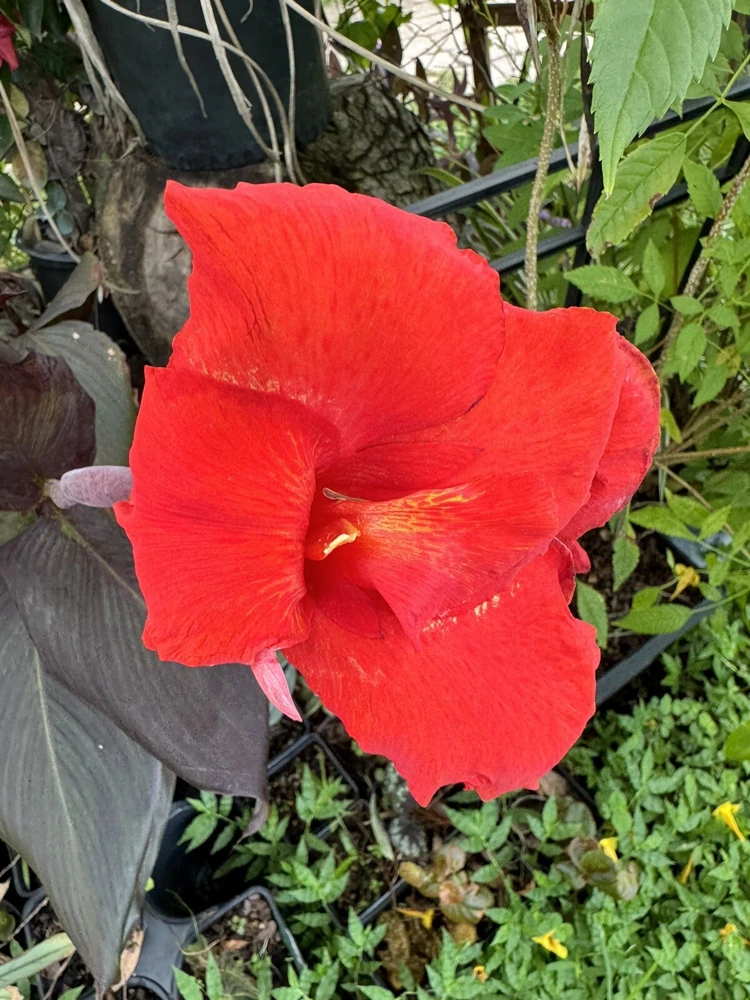


Flower Bulbs
6 Yellow Tall Bearded Iris Rhizomes – Live Perennial Roots, Hardy Garden Flowers, Outdoor

Flower Bulbs


You May Like
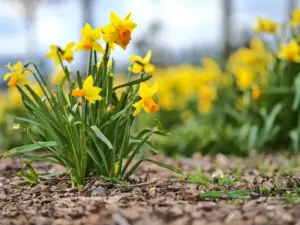
5 Best Bulbs for Fall Planting: Brighten Your Garden This Spring
Are you dreaming of a garden full of vibrant colors in the spring? The key [...]
Aug
How to Repot Houseplants Like a Pro
Do your houseplants look like they’ve outgrown their pots? Are their roots popping out of [...]
Aug
10 Houseplants That Will Thrive in Your Kitchen
Are you tired of your kitchen feeling dull and lifeless? Want to add a little [...]
Aug
Reviews
There are no reviews yet.