


Smooth Sumac Tree Seeds – 75 Rhus Glabra Borealis Red Berries, Hardy Zone 3-9
Original price was: 32.99 $.12.99 $Current price is: 12.99 $.
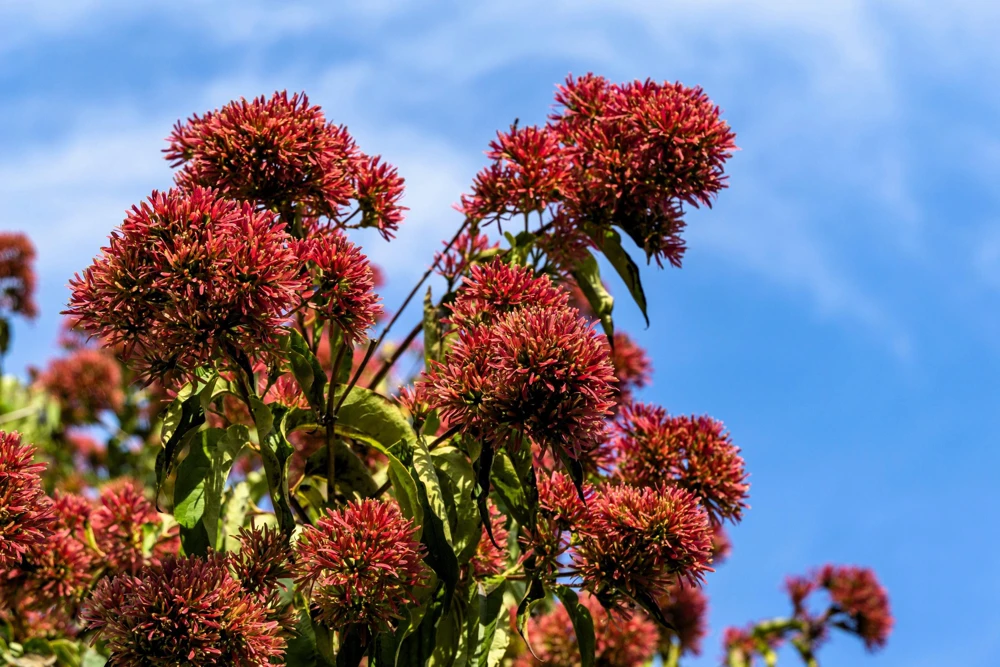
Cultivate striking smooth sumac tree seeds for a vibrant addition to your landscape. These rhus glabra seeds produce ornamental shrubs with huge flower clusters, brilliant red berries, and stunning fall foliage. Attracts bees, butterflies, and birds, while providing excellent erosion control.
Estimated arrival
Sep 19
Sep 24 - Sep 26
Sep 26 - Oct 01
See our Shipping Policy.
Get in touch with us via email, and our team will review your concerns.
Our Alive & Thrive Guarantee covers issues with your plants within the first 30 days. Read our Refund & Returns Policy.
-
USDA Hardiness Zone
3 - 9 -
Soil Type
Average, well-draining soil (tolerates dry, sandy, heavy, shallow, rocky) -
Sunlight Exposure
Full Sun -
Expected Planting Period
Fall sow or cold stratify for spring planting
Overview
Discover the beauty and ecological benefits of planting smooth sumac tree seeds. This offering includes 75 high-quality seeds of the Smooth Sumac (Rhus Glabra), also known by its scientific names like Rhus Glabra syn. var. Cismontana & var. Laciniata & var. Occidentalis, Rhus Borealis, and Rhus Calophylla. A native North American shrub, the Smooth Sumac is renowned for its significant ornamental value and hardiness. These seeds will grow into plants that feature huge upright flower clusters, measuring up to 10 inches long, which burst forth in greenish-yellow hues from May to August. These impressive blooms are not just a visual delight but also a crucial nectar source, attracting a variety of bees and butterflies, including being a host plant for the Hairstreak Butterfly. As autumn arrives, the flowers gracefully transform into beautiful, hairy, crimson-red berries that persist on the bush throughout the winter, providing a splash of color against the colder landscape. Beyond their aesthetic appeal, these berries offer a vital food source for birds and small animals, ensuring a lively ecosystem in your garden. The plant itself is dioecious, meaning both male and female plants are required for successful pollination and berry production, ensuring a bountiful display.
Key Benefits
Planting smooth sumac tree seeds provides a multitude of advantages for both your garden and local wildlife. From its stunning visual appeal to its ecological contributions, the Smooth Sumac is a truly versatile and rewarding plant.
- Vibrant Seasonal Interest: Enjoy huge greenish-yellow flower clusters in summer, followed by brilliant crimson-red berries that remain through winter, and spectacular yellow, orange, and red fall foliage. These berries make excellent cut flowers for arrangements and holiday decor.
- Attracts Pollinators & Wildlife: The large flower clusters are a magnet for bees and butterflies, supporting local pollinator populations. The berries provide a crucial food source for birds and small animals during the colder months, enhancing biodiversity in your yard.
- Low Maintenance & Drought Tolerant: Once established, these plants are remarkably hardy and adaptable. They are deer and rabbit resistant and thrive in a variety of challenging soil conditions, including dry, sandy, heavy, shallow, or rocky soils, making them ideal for gardeners seeking resilient plants.
- Excellent for Erosion Control: Given its robust root system and ability to tolerate diverse soil types, growing sumac from seed is an excellent choice for stabilizing slopes and preventing soil erosion, particularly in naturalized areas or challenging landscapes.
- Host Plant for Butterflies: Beyond attracting general pollinators, the Smooth Sumac serves as a vital host plant for the beautiful Hairstreak Butterfly, contributing significantly to local butterfly populations.
- Striking Foliage: The plant boasts huge, ferny leaves, up to 18 inches long, which transform into glorious shades of yellow, orange, and red in the fall, creating a dramatic and colorful display.
- Hardy and Adaptable: Thriving in USDA Hardiness Zones 3-9, these plants are well-suited for a wide range of climates and can withstand various environmental stresses, proving their resilience.
Plant Care & Growing Tips
Successful cultivation of rhus glabra seeds begins with proper planting and ongoing care. Smooth Sumac is known for its adaptability, but providing optimal conditions will ensure robust growth and a spectacular display. For best results, fall sow seeds directly outdoors, or cold stratify them before planting in spring. Cold stratification typically involves placing the seeds in a moist medium (like sand or peat moss) in a refrigerator for 60-90 days before planting. Plant seeds about 1/4 inch deep in well-draining soil.
Smooth Sumac thrives in full sun, requiring at least 6 hours of direct sunlight daily to produce the most vibrant foliage and abundant berries. While it tolerates a wide range of soil conditions, including dry, sandy, heavy, shallow, or rocky soils, average, well-draining soil is ideal. Water regularly during the first growing season to establish a strong root system. Once established, it is quite drought-tolerant and generally only needs supplemental watering during extended dry periods. It is remarkably deer and rabbit resistant, reducing the need for protective measures. Fertilization is typically not necessary unless your soil is very poor; a balanced, slow-release fertilizer can be applied in early spring if desired. Pruning can be done in late winter or early spring to maintain shape or remove dead/damaged branches. Be aware that Smooth Sumac can spread by suckers, so plan for its growth and manage any unwanted spread if necessary. These plants are generally pest and disease-resistant, making smooth sumac tree care relatively straightforward.
Size & Details
This offering includes 75 smooth sumac tree seeds, providing a generous quantity for planting. Once mature, the Smooth Sumac shrub can reach an average height of approximately 10 feet. When considering placement, allow for plant spacing of 12 to 15 feet to accommodate its mature size and natural spread. The huge upright flower clusters can measure up to 10 inches long, and the ferny leaves can grow up to 18 inches in length, contributing to its impressive stature. Seeds should be fall sown or cold stratified for optimal germination. Expect blooms from May to August, with the striking red berries developing in fall and persisting through winter. This plant is well-suited for USDA Hardiness Zones 3-9, indicating its resilience across a broad range of climates. These seeds will arrive in a protective packet, ready for planting according to the provided instructions. The growth rate is moderate, allowing for significant development within a few years.
Frequently Asked Questions
- Q: How big does this plant get? A: Smooth Sumac typically grows to a height of about 10 feet. It can spread through suckers, so allow for 12-15 feet of spacing between plants or manage its spread accordingly.
- Q: Is this an indoor or outdoor plant? A: The Smooth Sumac is an outdoor plant, best suited for landscaping, naturalized areas, and garden borders. It requires full sun exposure for optimal growth and berry production.
- Q: How much sunlight does it need? A: This plant thrives in full sun, meaning it needs at least 6 hours of direct sunlight per day. Adequate sunlight is crucial for vibrant fall foliage and an abundance of berries.
- Q: Is this plant easy to care for? Is it good for beginners? A: Yes, smooth sumac tree care is relatively easy, making it a good choice for beginners. It’s deer and rabbit resistant, drought-tolerant once established, and adaptable to various soil conditions.
- Q: What condition will the seeds arrive in? A: The rhus glabra seeds will arrive in a protective seed packet, ensuring their viability for planting. They will be dry and ready for either immediate fall sowing or cold stratification.
- Q: How long until it blooms? When is the best time to plant? A: Smooth Sumac typically blooms from May to August once established. The best time to plant the seeds is in the fall for natural cold stratification, or in the spring after artificial cold stratification.
- Q: Will it survive winter in my zone? What’s the minimum temperature? A: Smooth Sumac is very hardy and thrives in USDA Hardiness Zones 3-9, making it capable of surviving cold winters. It can tolerate a wide range of temperatures well below freezing.
- Q: Do I need more than one plant for berries? A: Yes, Smooth Sumac plants are dioecious, meaning you will need both male and female plants to ensure pollination and the production of the beautiful red berries.
- Q: Can I use sumac berries for anything? A: While the berries are a great food source for wildlife, they are also popular for holiday décor and crafts. Some people use them to make a tart ‘sumac-ade’ drink, though this specific use is not the primary purpose of these ornamental sumac for wildlife seeds.
- Q: What are the benefits of planting sumac for wildlife? A: Planting Smooth Sumac provides significant benefits for wildlife. Its flowers attract pollinators like bees and butterflies, and its persistent red berries offer a vital food source for birds and small animals throughout the fall and winter seasons.
Be the first to review “Smooth Sumac Tree Seeds – 75 Rhus Glabra Borealis Red Berries, Hardy Zone 3-9”
Related products




You May Like

5 Best Bulbs for Fall Planting: Brighten Your Garden This Spring
Are you dreaming of a garden full of vibrant colors in the spring? The key [...]
Aug

How to Repot Houseplants Like a Pro
Do your houseplants look like they’ve outgrown their pots? Are their roots popping out of [...]
Aug

10 Houseplants That Will Thrive in Your Kitchen
Are you tired of your kitchen feeling dull and lifeless? Want to add a little [...]
Aug
Reviews
There are no reviews yet.