


Snowbrush Ceanothus Velutinus Seeds – White Mountain Balm, Buckbrush – 20 Seeds
Original price was: 32.99 $.12.99 $Current price is: 12.99 $.
Cultivate the stunning snowbrush seeds (Ceanothus Velutinus) with ease. These mountain balm seeds grow into a beautiful evergreen native shrub, featuring fragrant white flowers that bloom from May to June. Perfect for zones 4-8, offering ecological benefits and visual appeal for your garden.
Estimated arrival
Sep 19
Sep 24 - Sep 26
Sep 26 - Oct 01
See our Shipping Policy.
Get in touch with us via email, and our team will review your concerns.
Our Alive & Thrive Guarantee covers issues with your plants within the first 30 days. Read our Refund & Returns Policy.
-
USDA Hardiness Zone
4-8 -
Soil Type
Dry to moist, well-draining soil -
Sunlight Exposure
Full sun to part shade -
Expected Planting Period
Fall or Spring
Overview
Embark on a rewarding gardening journey with snowbrush seeds, specifically the exquisite Ceanothus Velutinus variety. Also widely known as Mountain Balm or Buckbrush, these seeds offer the opportunity to grow a resilient and beautiful native evergreen shrub right in your own landscape. The Snowbrush is celebrated for its attractive white flower clusters that emerge in late spring to early summer, typically between May and June, providing a delightful visual display and a pleasant fragrance. This particular species, Ceanothus velutinus, is a robust and adaptable plant, making it an excellent choice for gardeners looking to enhance their outdoor spaces with a touch of native flora. Its evergreen foliage ensures year-round interest, and its hardiness across a broad range of climates makes it a versatile addition to many garden styles.
Growing ceanothus velutinus seeds allows you to contribute to local ecosystems by planting a native species that supports pollinators and wildlife. These seeds are a fantastic starting point for establishing a drought-tolerant and low-maintenance shrub that thrives in various conditions. Whether you’re an experienced horticulturist or a budding gardener, cultivating Snowbrush from seed provides an engaging and satisfying experience, culminating in a mature plant that adds significant value to your garden.
Key Benefits
Introducing snowbrush seeds into your garden brings a multitude of advantages, enhancing both the aesthetic and ecological value of your outdoor space. This native shrub is not only beautiful but also remarkably beneficial.
- Ecological Support: By planting snowbrush seeds, you provide vital habitat and food sources for local wildlife, including pollinators like bees and butterflies, contributing to biodiversity.
- Drought Tolerance: Once established, Snowbrush is highly drought-tolerant, requiring minimal supplemental watering, which makes it an excellent choice for water-wise gardening.
- Evergreen Foliage: Enjoy year-round beauty with its persistent green leaves, offering continuous visual interest even during colder months when many other plants have shed their foliage.
- Fragrant White Blooms: The striking white flower clusters that appear in late spring not only look beautiful but also emit a pleasant, sweet fragrance, enhancing your garden’s sensory experience.
- Low Maintenance: This robust native shrub typically requires very little care once established, making it suitable for gardeners seeking attractive, yet easy-to-manage plants.
- Erosion Control: Its strong root system helps stabilize soil, making it useful for slopes and areas prone to erosion, further highlighting the practicality of buckbrush seeds.
- Adaptable to Various Soils: Snowbrush can thrive in a range of soil types, from dry to moist, showcasing its versatility in different garden environments.
Plant Care & Growing Tips
Successfully growing snowbrush seeds into thriving plants requires understanding their specific needs. Snowbrush (Ceanothus velutinus) is a relatively low-maintenance shrub once established, but proper initial care is crucial. For germination, these seeds often benefit from cold stratification. You can sow them outdoors in the fall, allowing natural winter conditions to stratify them, or cold stratify them artificially in a refrigerator for several weeks. Alternatively, seeds can be started indoors several weeks before the last frost, or directly outdoors after the danger of frost has passed.
When selecting a location, consider the plant’s light requirements. Snowbrush thrives in full sun to part shade, meaning it needs at least 6 hours of direct sunlight daily for optimal growth and flowering. The soil preferences for mountain balm seeds are quite adaptable, ranging from dry to moist conditions, but well-draining soil is always beneficial to prevent root rot. Once established, this shrub is quite drought-tolerant, reducing the need for frequent watering. However, during prolonged dry spells, especially in its first year, occasional deep watering will help the plant establish a strong root system. Hardiness zones 4-8 are ideal for this plant, indicating its ability to withstand cold winters.
Fertilization is generally not heavily required for this native species, as it is adapted to leaner soils. Over-fertilization can sometimes do more harm than good. Focus instead on providing adequate light and proper watering. Pests and diseases are generally not a major concern for Snowbrush, further contributing to its low-maintenance appeal. Regular pruning is not essential but can be done to maintain shape or remove dead branches. By following these guidelines, your native shrub seeds will grow into a robust and beautiful Snowbrush plant.
Size & Details
These snowbrush seeds will mature into a significant evergreen shrub, reaching a typical height of 5 to 10 feet, and sometimes even taller in ideal conditions. The plant’s spread will also be considerable, generally ranging from 5 to 10 feet, requiring adequate spacing for healthy growth. Each packet contains 20 seeds, providing a good quantity to start your Snowbrush plants. The growth rate is moderate, with plants typically establishing well within the first few years and reaching their mature size over several seasons. The white flowers bloom from May to June, adding seasonal beauty to the garden.
These are pure seeds, not live plants, and will need to be germinated and grown. The seeds are suitable for planting in USDA Hardiness Zones 4 through 8. They prefer full sun to part shade and are tolerant of both dry and moist soil conditions, provided there is good drainage. With proper care, these ceanothus velutinus seeds will develop into a resilient and attractive shrub, offering both aesthetic appeal and ecological benefits to your landscape.
Frequently Asked Questions
- Q: How big does Snowbrush get? A: Snowbrush (Ceanothus Velutinus) typically grows to a height of 5 to 10 feet and can spread equally wide. This makes it a substantial shrub that requires ample space in your garden.
- Q: Is this an indoor or outdoor plant? A: Snowbrush is an outdoor plant, perfectly suited for garden landscapes. It is a native shrub that thrives in various outdoor conditions within its recommended hardiness zones.
- Q: How much sunlight does it need? A: This plant prefers full sun to partial shade. For optimal growth and flowering, ensure your snowbrush seeds are planted in a location that receives at least 6 hours of direct sunlight daily.
- Q: Is this plant easy to care for? A: Yes, once established, Snowbrush is considered a low-maintenance plant. It is drought-tolerant and generally resistant to pests and diseases, making it a good choice for both beginner and experienced gardeners looking for native shrub seeds.
- Q: What condition will the seeds arrive in? A: You will receive 20 snowbrush seeds in a protective packet, ready for planting. These are raw seeds and will require proper germination techniques, including cold stratification.
- Q: When is the best time to plant Snowbrush seeds? A: The best time to plant buckbrush seeds is in the fall for natural cold stratification, or indoors several weeks before the last frost in spring. You can also sow them directly outdoors after the last frost.
- Q: Will Snowbrush survive winter in my zone? A: Snowbrush is hardy in USDA Zones 4-8. If your zone falls within this range, the plant should successfully survive winter conditions once it is established, particularly the ceanothus velutinus seeds variety.
Be the first to review “Snowbrush Ceanothus Velutinus Seeds – White Mountain Balm, Buckbrush – 20 Seeds”
Related products


Shrub Seeds
Golden Currant Shrub Seeds – 20 Count – Edible Black Fruit, Yellow Flowers, Ribes Aureum

Shrub Seeds
Red Flowering Currant Seeds – Ribes Sanguineum Shrub Seeds – 25 Seeds – Attracts Hummingbirds
You May Like
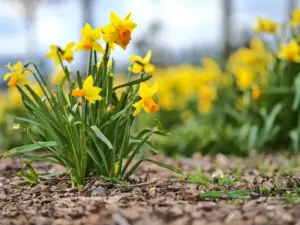
5 Best Bulbs for Fall Planting: Brighten Your Garden This Spring
Are you dreaming of a garden full of vibrant colors in the spring? The key [...]
Aug

How to Repot Houseplants Like a Pro
Do your houseplants look like they’ve outgrown their pots? Are their roots popping out of [...]
Aug
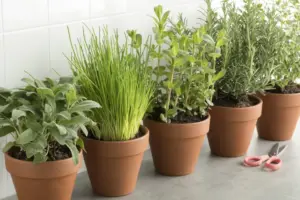
10 Houseplants That Will Thrive in Your Kitchen
Are you tired of your kitchen feeling dull and lifeless? Want to add a little [...]
Aug
Reviews
There are no reviews yet.