
Staghorn Sumac Tree Seeds – 50 Rhus Typhina Seeds, Yellow Flowers, Red Berries
Original price was: 32.99 $.12.99 $Current price is: 12.99 $.
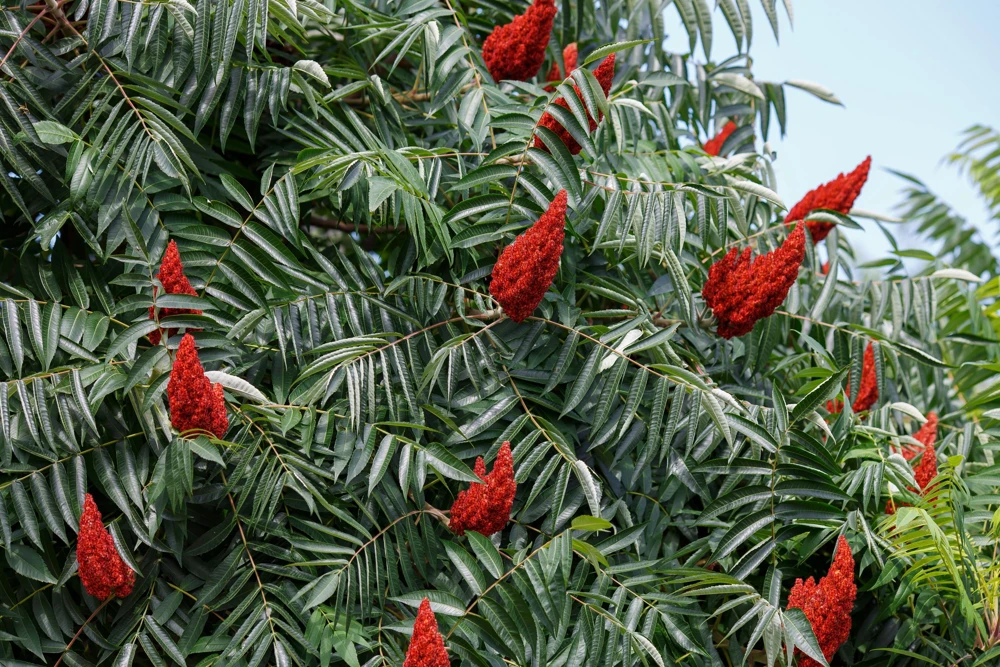
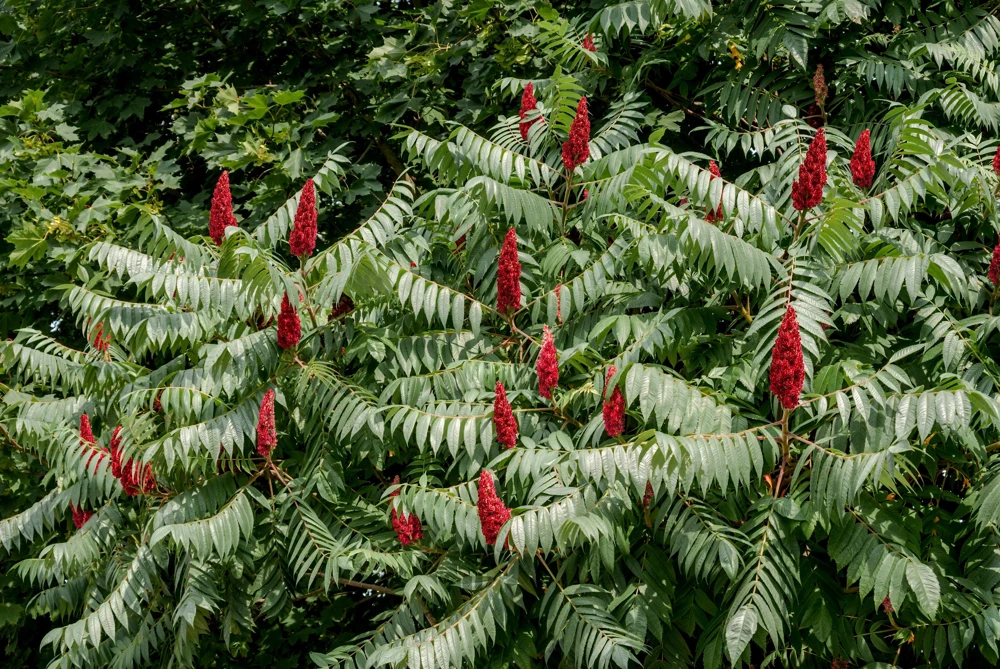
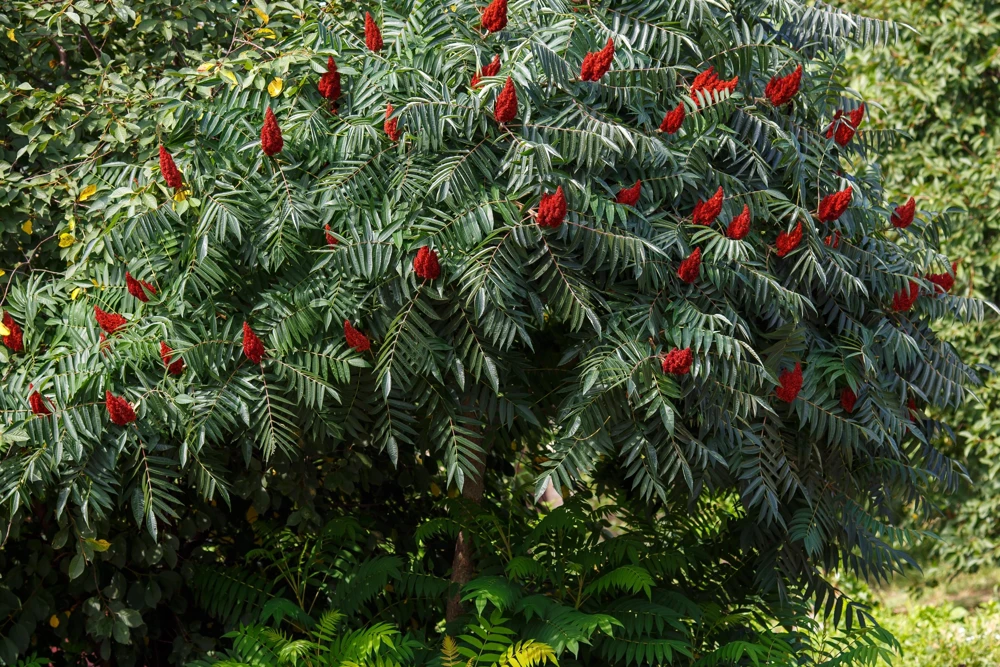
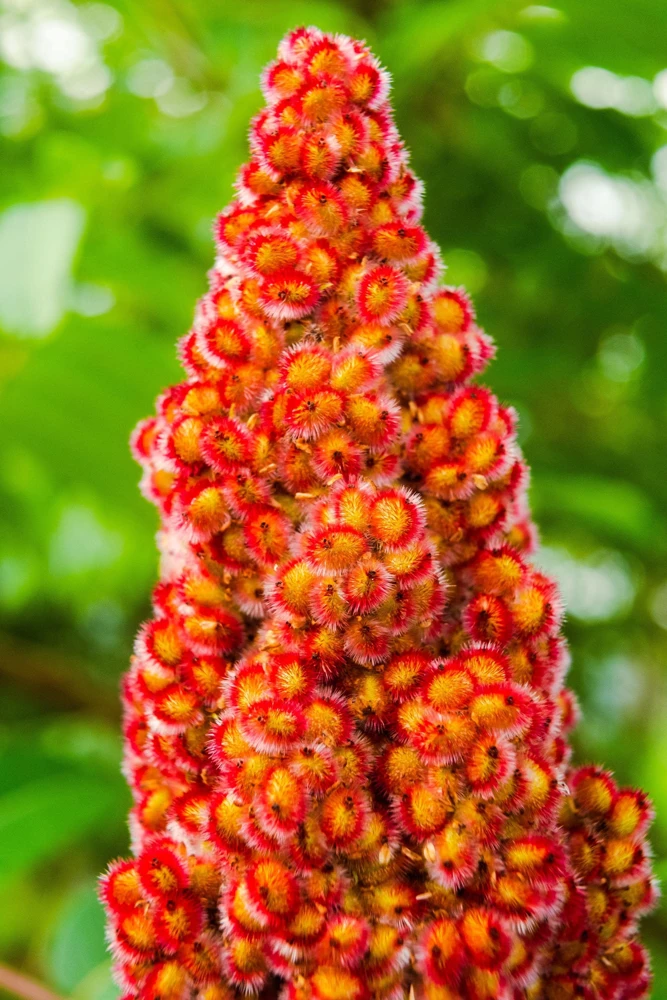
Cultivate a striking landscape with these staghorn sumac tree seeds. Each pack contains 50 Rhus Typhina seeds, promising vibrant yellow flowers and fuzzy red berries that add seasonal interest. Ideal for zones 4-8, these seeds allow you to grow sumac from seed for a beautiful, deer-resistant addition to your garden.
Estimated arrival
Sep 19
Sep 24 - Sep 26
Sep 26 - Oct 01
See our Shipping Policy.
Get in touch with us via email, and our team will review your concerns.
Our Alive & Thrive Guarantee covers issues with your plants within the first 30 days. Read our Refund & Returns Policy.
-
USDA Hardiness Zone
4 - 8 -
Soil Type
Average - Dry -
Sunlight Exposure
Full Sun -
Expected Planting Period
Fall or after cold stratification
Overview
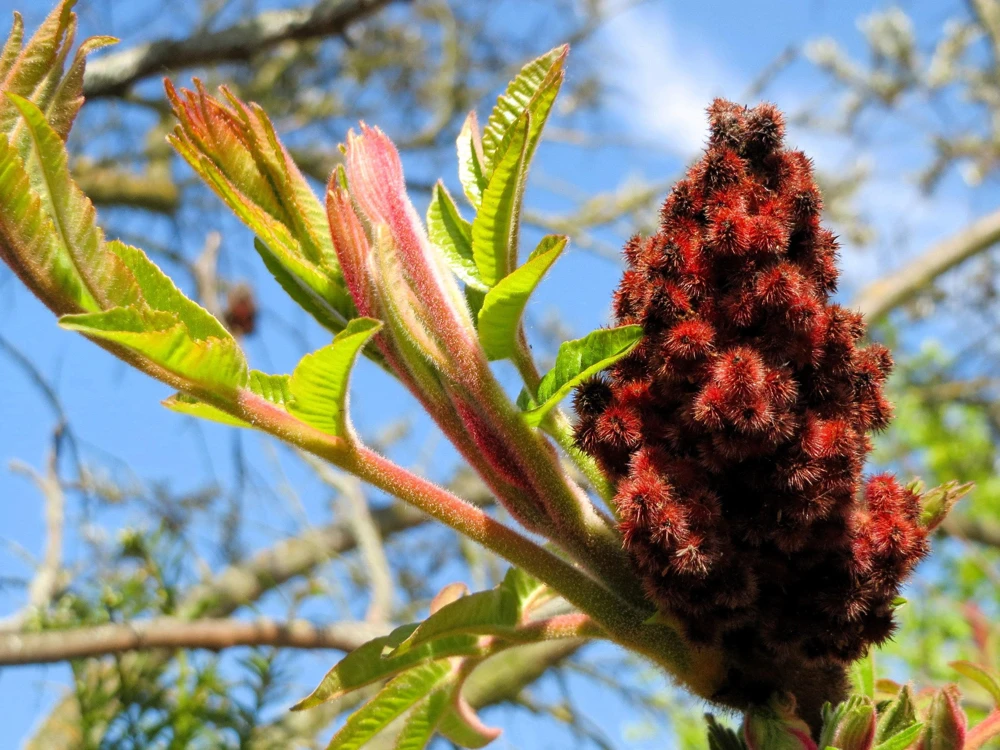
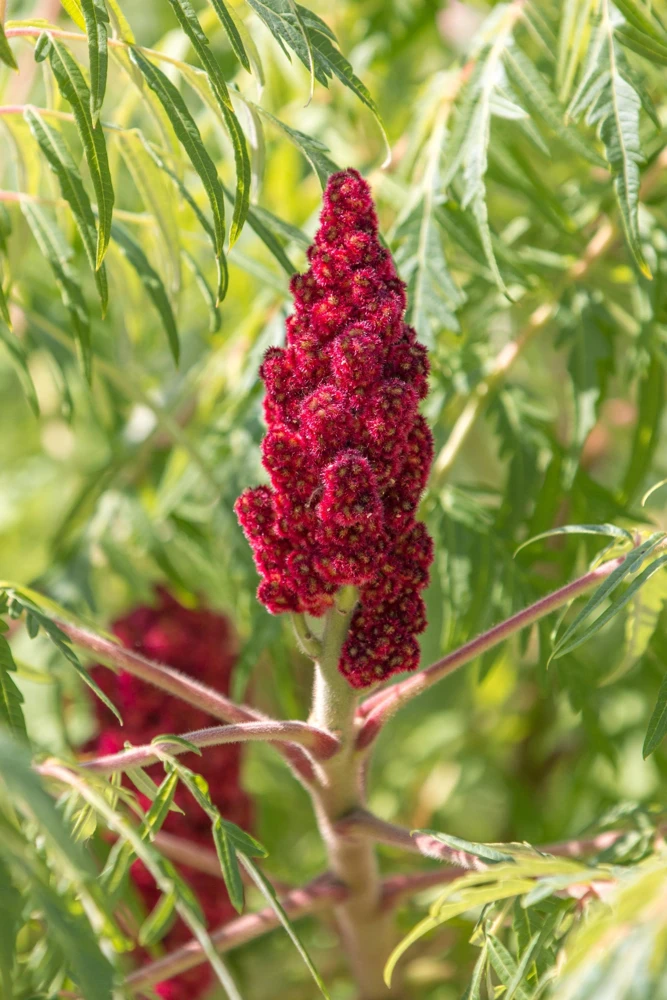
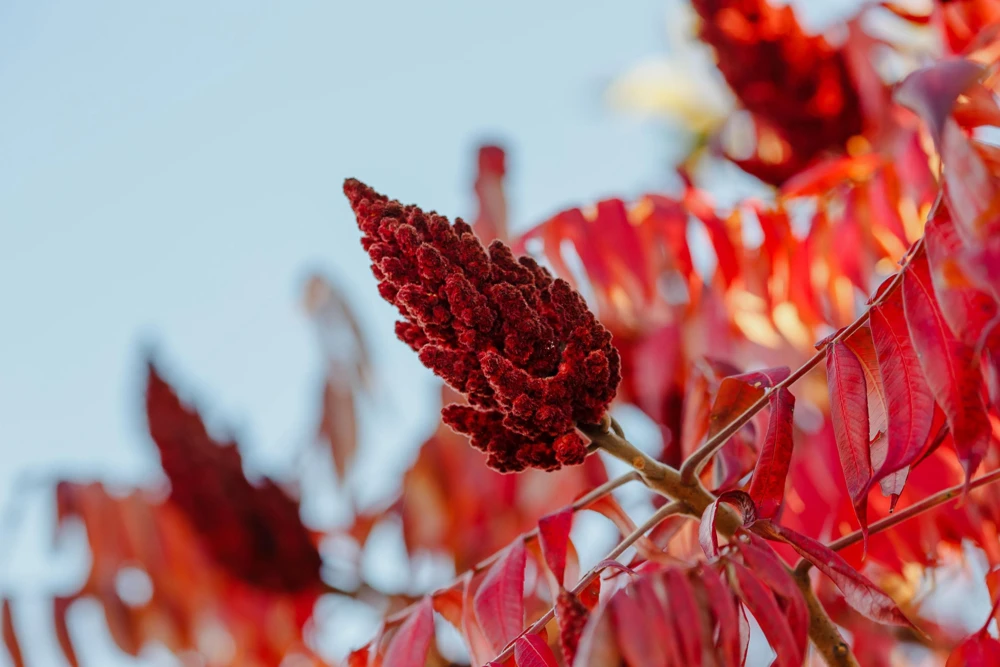
Embark on a rewarding gardening journey with these premium staghorn sumac tree seeds. Each packet contains 50 viable Rhus Typhina seeds, offering you the opportunity to cultivate this distinctive and ornamental shrub or small tree in your own landscape. Native to eastern North America, the Staghorn Sumac, scientifically known as Rhus Typhina, is renowned for its unique appearance and seasonal beauty. Its common name is derived from the dense, fuzzy, rust-colored hairs covering its leaf stalks and forking branches, which strikingly resemble a stag’s antlers. This plant provides significant visual appeal throughout the year, from its large, upright flower clusters in summer to its brilliant fall foliage and persistent red berries in winter, making it an excellent choice for gardeners looking to grow sumac from seed.
These staghorn sumac tree seeds are perfect for creating a naturalized area, adding a focal point to your garden, or contributing to wildlife habitats. The plant’s robust nature and adaptability to various soil conditions make it a versatile choice for many environments. With proper care and planting, these seeds will mature into a beautiful tree that offers both aesthetic pleasure and ecological benefits, attracting pollinators and providing food for birds. Discover the joy of nurturing an ornamental sumac tree from its very beginning.
Key Benefits
Growing Staghorn Sumac from seed offers numerous advantages for both the gardener and the environment. This resilient plant provides year-round interest and contributes positively to local ecosystems.
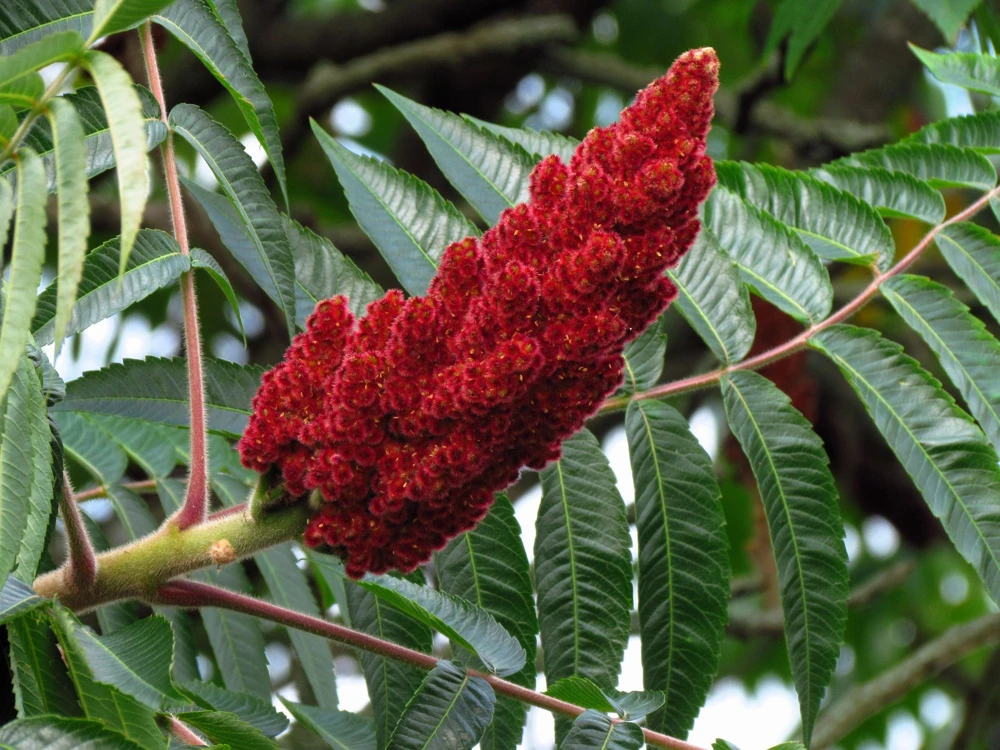
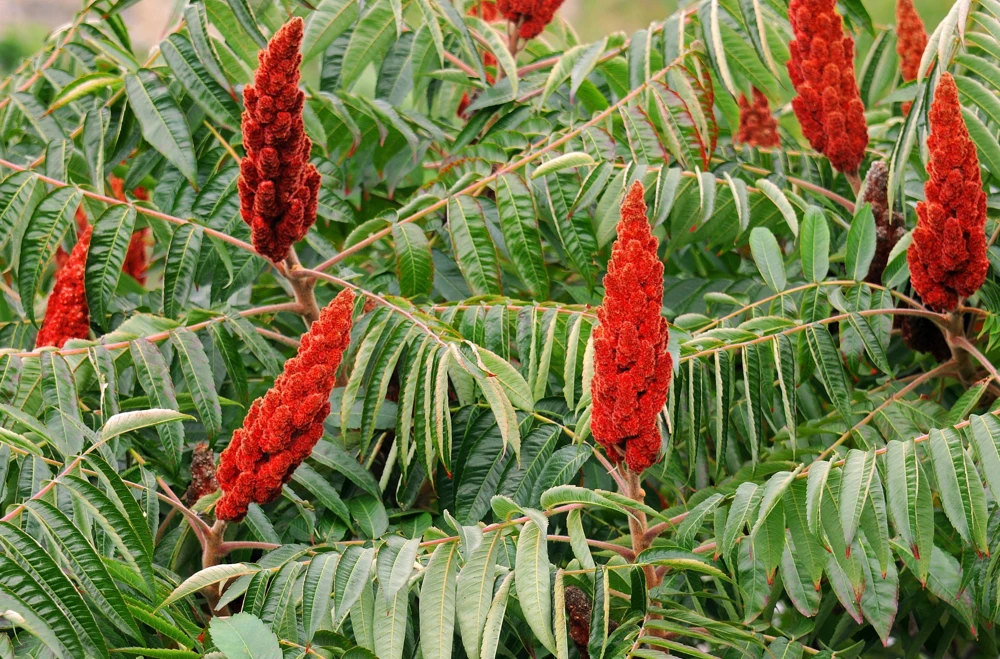
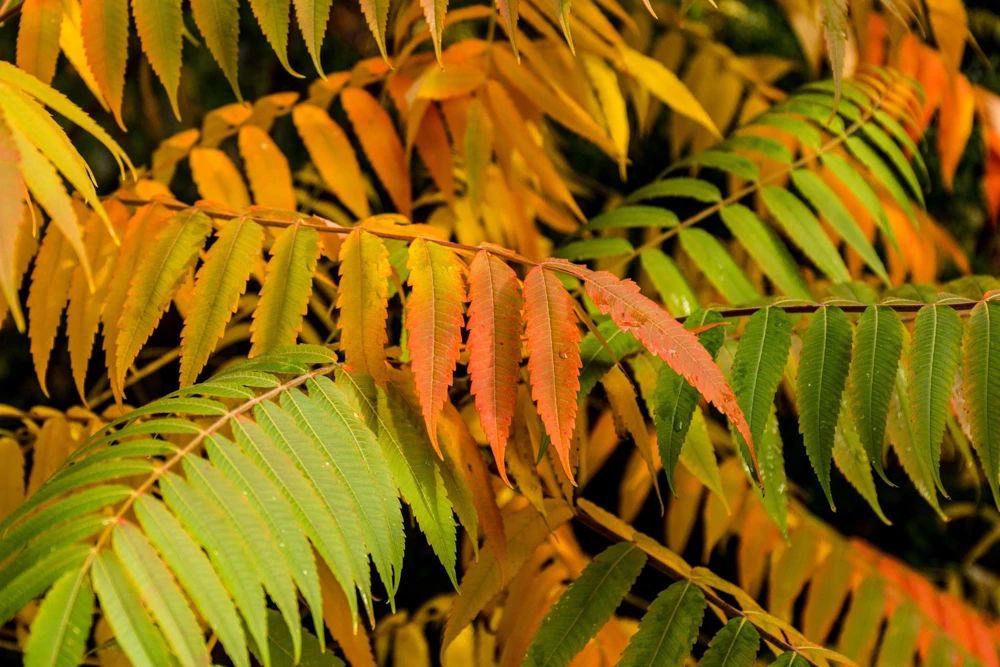
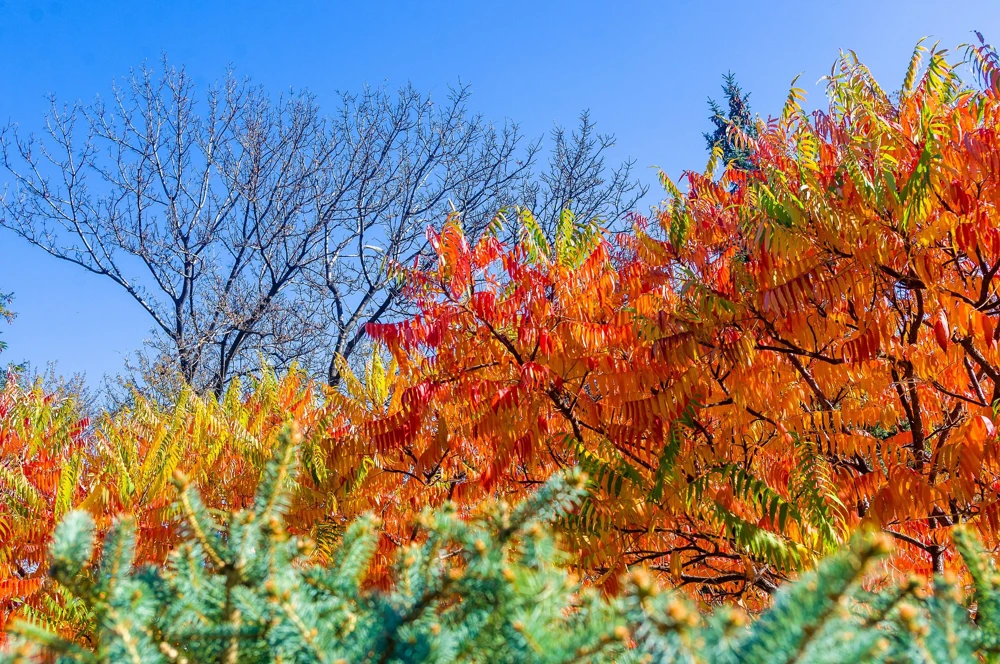
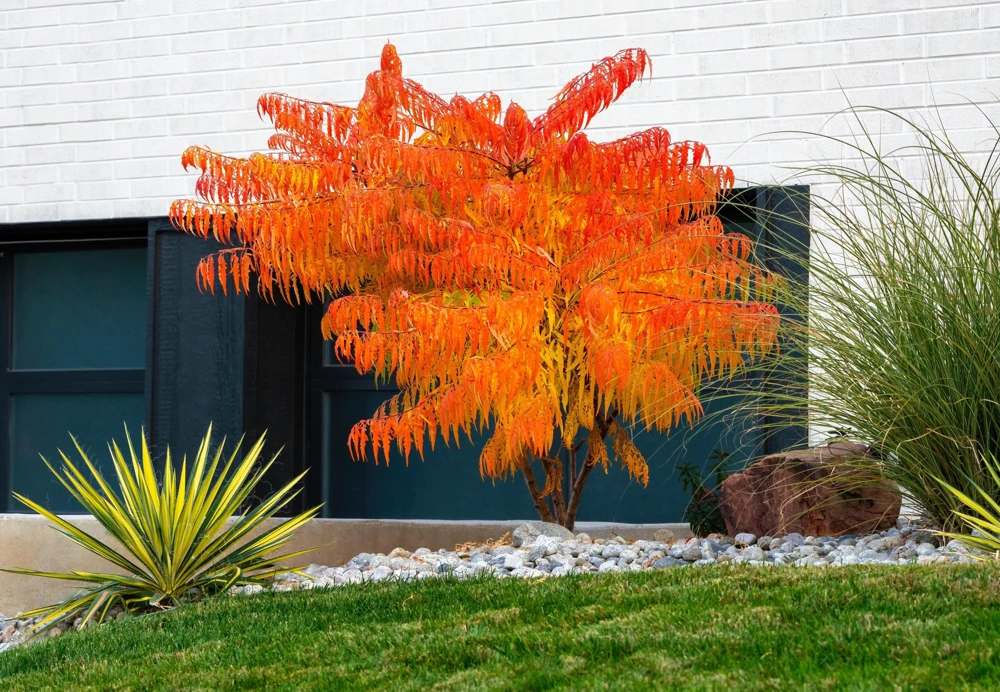
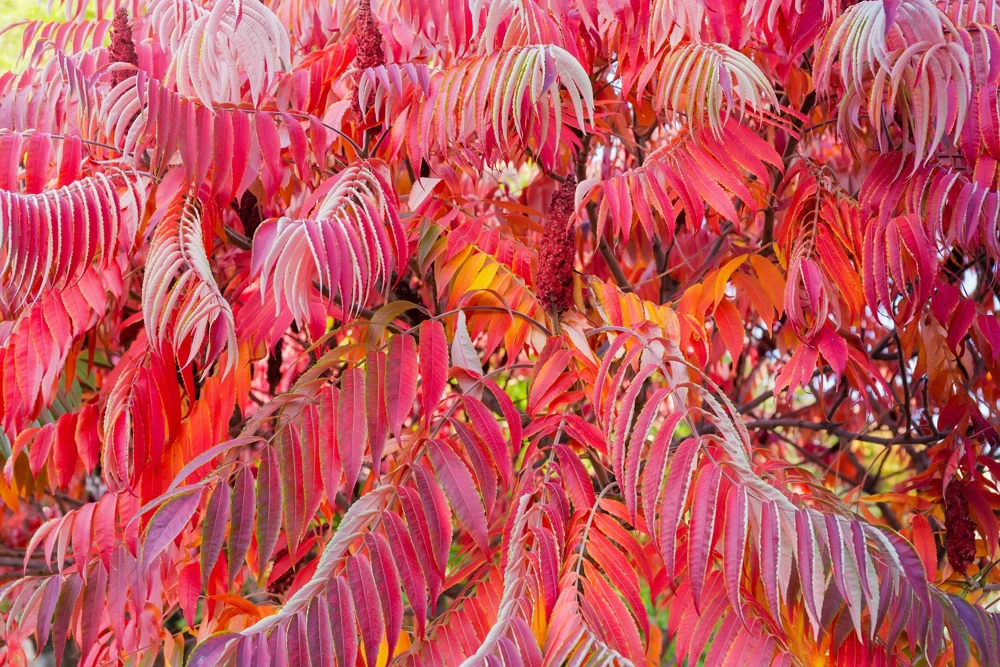
- Stunning Seasonal Display: Enjoy a dynamic visual experience throughout the year. The plant showcases greenish-yellow flowers in summer, followed by vibrant red berries in fall and winter, and dramatic yellow, orange, and red foliage in autumn. These features make it a standout ornamental sumac tree in any garden.
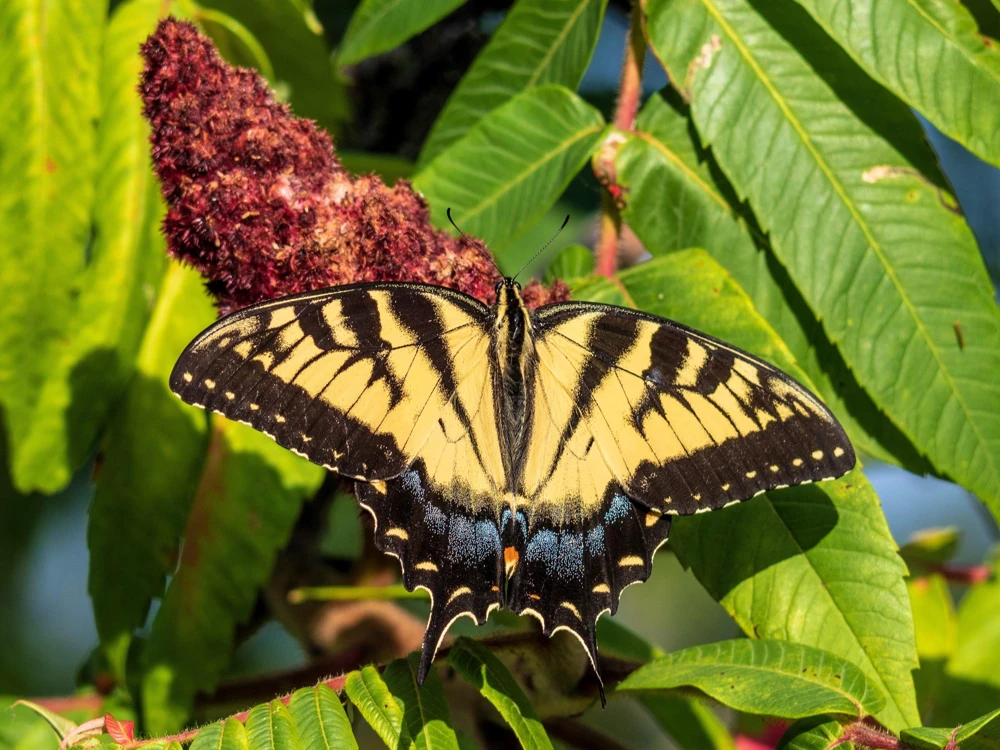
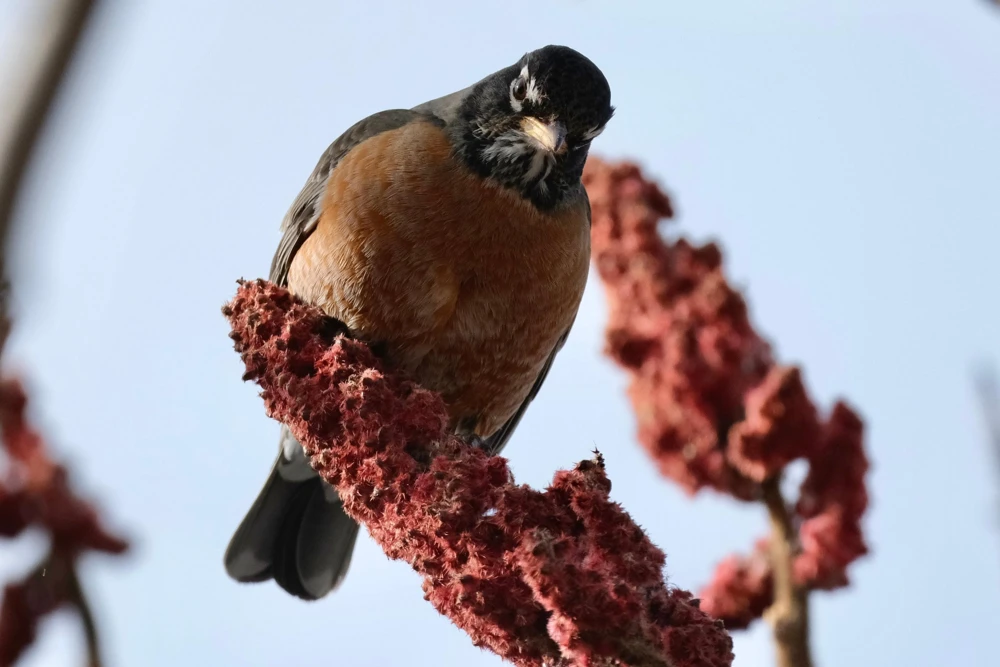
- Attracts Pollinators and Wildlife: The large flower clusters are a magnet for bees and butterflies, promoting biodiversity in your garden. The fuzzy red berries provide a valuable food source for birds and small animals during colder months, ensuring there are plenty of red berry tree seeds for future growth.
- Deer and Rabbit Resistant: A practical choice for areas prone to wildlife browsing, Staghorn Sumac is naturally resistant to deer and rabbits, allowing your plant to thrive undisturbed.
- Erosion Control: Its strong root system and adaptability to various soil types, including dry, sandy, heavy, shallow, or rocky conditions, make it an excellent plant for stabilizing slopes and preventing soil erosion.
- Low Maintenance and Hardy: Once established, this plant requires minimal care. It is exceptionally hardy, thriving in USDA Zones 4-8, and tolerates average to dry soil conditions, making it an easy addition to most landscapes.
- Versatile Landscaping Use: Ideal as a specimen plant, for naturalized areas, or as part of a mixed border, the Staghorn Sumac’s unique form and color provide architectural interest.
- Craft and Floral Potential: The striking red berry clusters are perfect for cut flower arrangements, holiday décor, and various craft projects, bringing a touch of natural beauty indoors.
Plant Care & Growing Tips
Successfully growing staghorn sumac tree seeds begins with understanding their specific needs. These seeds require a period of cold stratification to break dormancy and promote germination. You can achieve this by fall sowing the seeds directly outdoors, allowing nature to handle the cold period. Alternatively, for indoor starting, place the seeds in a moist medium (like sand or peat) in a sealed bag and refrigerate them for 60-90 days before planting. Once stratified, sow the Rhus Typhina seeds in well-draining soil, ensuring they are lightly covered.
Staghorn Sumac thrives in full sun, meaning it needs at least six hours of direct sunlight per day to achieve its best growth and most vibrant fall color. While it can tolerate partial shade, flowering and berry production may be reduced. This plant is remarkably adaptable to a wide range of soil conditions, preferring average to dry soil. It can even flourish in poor, rocky, or sandy soils, making it an excellent choice for challenging garden spots. Watering should be consistent during the establishment phase, but once mature, it is quite drought-tolerant. Fertilization is generally not necessary in good soil, but a light application of a balanced slow-release fertilizer in early spring can benefit young plants. Keep an eye out for common garden pests, though Staghorn Sumac is generally robust. Remember that both male and female plants are needed for successful pollination and berry production, so planting multiple staghorn sumac tree seeds is recommended.
Size & Details
These staghorn sumac tree seeds will mature into an impressive specimen, forming a large shrub or small tree. Mature plants typically reach a height of 15 to 20 feet with a spread of 20 to 25 feet, creating a significant presence in the landscape. The large, ferny leaves can grow up to 24 inches long, contributing to its lush appearance during the growing season. The upright flower clusters measure approximately 8 inches long, transforming into fuzzy red berries that persist through winter. You will receive a quantity of 50 Rhus Typhina seeds, providing ample opportunity to establish several plants or share with fellow gardeners. Expect blooms to appear from June to July, with berries developing shortly after. The plant is hardy in USDA Zones 4-8, indicating its resilience to various climates. These seeds are provided in a packet, ready for fall sowing or indoor cold stratification.
Frequently Asked Questions
- Q: How big does a Staghorn Sumac tree get? A: A mature Staghorn Sumac typically grows to be about 15 to 20 feet tall with a spread of 20 to 25 feet, creating a substantial and attractive presence in your garden.
- Q: Is this an indoor or outdoor plant? A: The Staghorn Sumac (Rhus Typhina) is an outdoor plant, best suited for landscaping in garden beds, naturalized areas, or as a specimen tree. It is not suitable for indoor cultivation.
- Q: How much sunlight do these staghorn sumac tree seeds need? A: Staghorn Sumac thrives in full sun, requiring at least six hours of direct sunlight daily for optimal growth, flowering, and fall color. It can tolerate partial shade but may have reduced vigor.
- Q: Is this plant easy to care for? A: Yes, once established, Staghorn Sumac is considered a low-maintenance plant. It is drought-tolerant and adaptable to various soil conditions, making it an excellent choice for beginners and experienced gardeners alike.
- Q: How long until it blooms and produces berries? A: Staghorn Sumac typically begins to bloom in June-July. Berry production follows the flowering period, with the iconic red berries developing in the fall and often persisting through the winter months.
- Q: Will it survive winter in my zone? A: These Rhus Typhina seeds are suitable for planting in USDA Hardiness Zones 4 through 8, indicating excellent cold hardiness and ability to withstand winter conditions within these regions.
- Q: What are the benefits of growing an ornamental sumac tree? A: Growing an ornamental sumac tree offers numerous benefits, including vibrant seasonal interest with yellow flowers, red berries, and colorful fall foliage. It also attracts pollinators, provides food for birds, and is deer and rabbit resistant.
- Q: Do I need both male and female plants to get berries? A: Yes, Staghorn Sumac plants are dioecious, meaning individual plants are either male or female. You will need both male and female plants in proximity for pollination to occur and for the female plants to produce berries.
- Q: Can these red berry tree seeds be used for crafts? A: Absolutely! The beautiful, fuzzy red berry clusters are highly sought after for use in floral arrangements, holiday decorations, and various craft projects, adding a natural and rustic touch.
- Q: What kind of soil does Staghorn Sumac prefer? A: Staghorn Sumac is very adaptable and tolerates average to dry soil conditions. It can grow well in a wide range of soil types, including sandy, heavy, shallow, or rocky soils, making it excellent for erosion control.
Be the first to review “Staghorn Sumac Tree Seeds – 50 Rhus Typhina Seeds, Yellow Flowers, Red Berries”
Related products


You May Like
5 Best Bulbs for Fall Planting: Brighten Your Garden This Spring
Are you dreaming of a garden full of vibrant colors in the spring? The key [...]
Aug
How to Repot Houseplants Like a Pro
Do your houseplants look like they’ve outgrown their pots? Are their roots popping out of [...]
Aug
10 Houseplants That Will Thrive in Your Kitchen
Are you tired of your kitchen feeling dull and lifeless? Want to add a little [...]
Aug
Reviews
There are no reviews yet.