
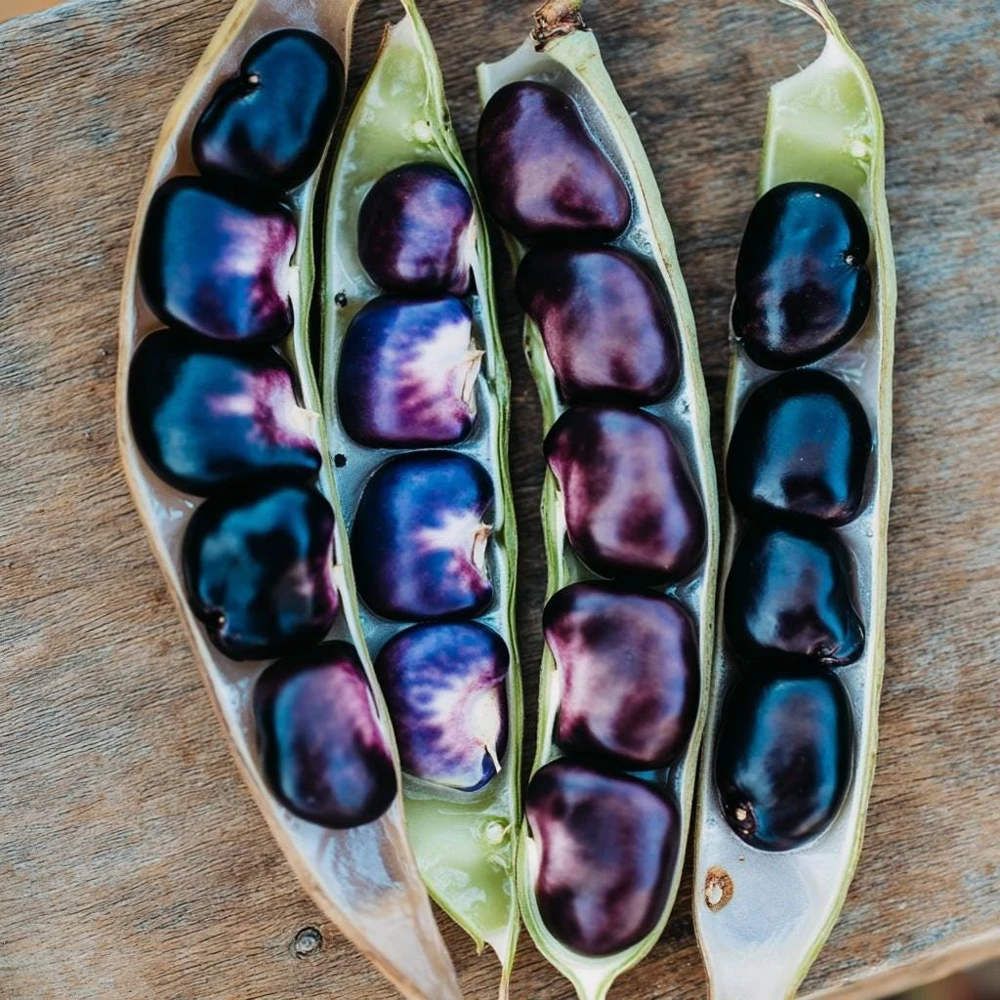
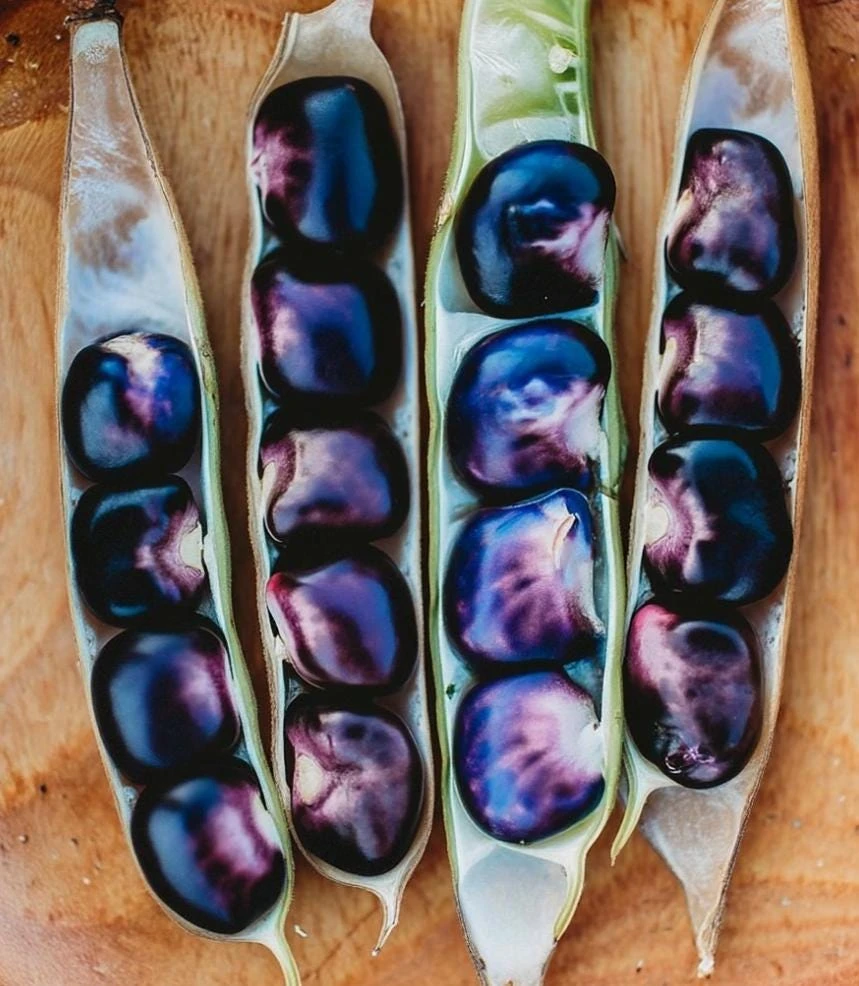
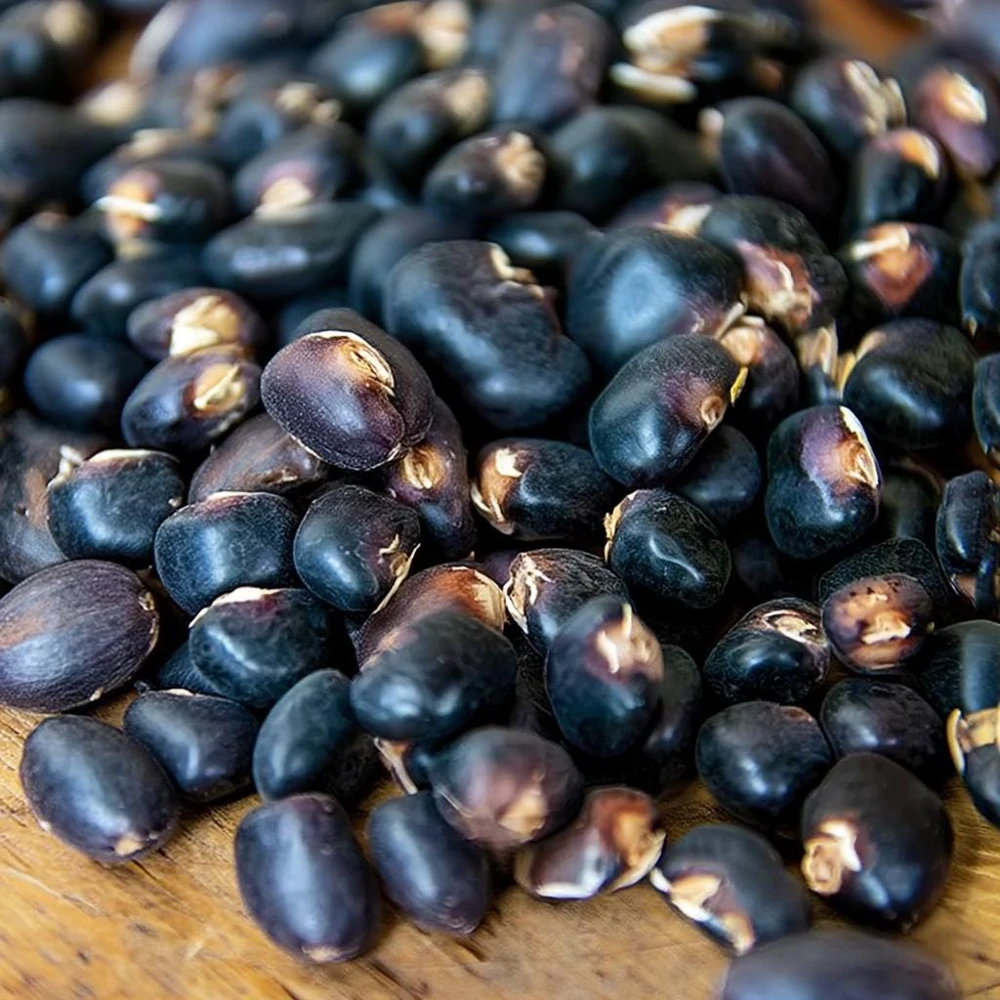
Succotash Bean Seeds – 20 Narragansett Heirloom Beans for Traditional Dishes
Original price was: 32.99 $.12.99 $Current price is: 12.99 $.
Cultivate a piece of history with succotash bean seeds. This packet contains 20 Narragansett heirloom beans, prized for their rich, earthy flavor and creamy texture. Perfect for traditional succotash, soups, and stews, these hardy beans are an excellent addition to any garden. Enjoy a bountiful harvest of this historically significant vegetable.
Estimated arrival
Sep 19
Sep 24 - Sep 26
Sep 26 - Oct 01
See our Shipping Policy.
Get in touch with us via email, and our team will review your concerns.
Our Alive & Thrive Guarantee covers issues with your plants within the first 30 days. Read our Refund & Returns Policy.
-
USDA Hardiness Zone
unknown -
Soil Type
Well-drained, fertile soil -
Sunlight Exposure
Full sun -
Expected Planting Period
Spring after last frost
Overview
Embark on a culinary journey with our premium succotash bean seeds. This rare heirloom variety, Phaseolus vulgaris, is a treasure originally cultivated by the Narragansett people, bringing a taste of history to your garden and table. Each packet contains 20 high-quality seeds, ready to sprout into robust plants that yield large, creamy beans. Known for their unique flavor and texture, these beans are the cornerstone for making the authentic, traditional American dish, succotash. Beyond their namesake dish, these versatile beans excel in a myriad of culinary applications, from hearty soups and stews to fresh, vibrant salads. Growing these historically significant beans not only provides a delicious harvest but also connects you to a rich cultural heritage. They are celebrated for their resilience and adaptability, thriving in various garden settings and offering a rewarding experience for gardeners of all levels.
Our succotash bean seeds offer a chance to cultivate a plant with deep historical roots. The Narragansett heirloom beans are highly prized for their distinctive taste profile—a rich, earthy flavor that stands out in any dish. Their creamy texture makes them a delight to eat, whether freshly picked or dried for later use. These beans are an exceptional choice for those looking to expand their garden with unique, flavorful, and historically relevant crops. Experience the satisfaction of growing your own food, knowing you are preserving a valuable piece of agricultural heritage with these remarkable heirloom beans.
Key Benefits
Growing succotash bean seeds offers numerous advantages, from their historical significance to their delightful culinary uses. These beans are not only easy to cultivate but also provide a bountiful harvest of flavorful legumes.
- Authentic Culinary Experience: These Narragansett heirloom beans are specifically known for their exceptional flavor and creamy texture, making them ideal for preparing the traditional American dish, succotash. Their unique taste elevates any recipe.
- Historical Significance: Cultivate a piece of agricultural heritage. These beans trace their origins back to the Narragansett people, offering a direct connection to traditional farming practices and indigenous foodways.
- Versatile in the Kitchen: Beyond succotash, these beans are incredibly versatile. Use them in hearty soups, comforting stews, fresh salads, or as a flavorful side dish, adding a rich, earthy dimension to your meals.
- Hardy and Adaptable: Succotash beans are resilient and can adapt to various growing conditions, making them a superb choice for both novice and experienced gardeners. They are known for their robust growth.
- Abundant Harvest: With proper care, these plants yield a generous supply of beans, ensuring you have plenty for fresh consumption and drying for year-round enjoyment.
- Low Maintenance: These beans are an excellent choice for low-maintenance, heirloom gardens, requiring standard care to thrive and produce. Enjoy the rewards without excessive effort, making growing succotash beans a pleasure.
- Nutrient-Rich: Like most beans, they are a good source of protein, fiber, and essential nutrients, contributing to a healthy diet.
Plant Care & Growing Tips
Growing succotash beans is a rewarding experience, as these hardy plants are relatively easy to care for and provide a generous yield. To ensure optimal growth, start by sowing your succotash bean seeds directly outdoors after the last frost has passed in spring. Select a location that receives full sun exposure, meaning at least 6-8 hours of direct sunlight daily. The soil should be well-drained and fertile, ideally with a slightly acidic to neutral pH. Plant the beans approximately 1–2 inches deep and space them about 3–4 inches apart in rows to allow for ample growth and air circulation. Regular watering is crucial, especially during dry spells; aim to keep the soil consistently moist but never waterlogged, as this can lead to root rot. Germination typically occurs within 7–10 days under favorable conditions.
Once established, ongoing care for your Narragansett heirloom beans involves consistent moisture and providing support. As climbing plants, succotash beans benefit greatly from vertical support such as a trellis, stakes, or netting, which helps keep the pods off the ground and improves air circulation, reducing the risk of disease. Water regularly, allowing the top layer of soil to dry slightly between waterings. Fertilization is generally not heavily required if the soil is fertile to begin with, but a balanced organic fertilizer can be applied if growth appears sluggish. Monitor for common bean pests like aphids or bean beetles and address them with organic pest control methods if necessary. These plants typically mature in about 70–90 days, depending on your local growing conditions. Harvest the beans when the pods are fully dry and the beans inside rattle, indicating they are ready for storage. For best long-term storage, keep the dried phaseolus vulgaris seeds in a cool, dry place.
Size & Details
Our succotash bean seeds are packaged to provide you with a successful harvest of this unique heirloom variety. Each packet contains 20 individual seeds, ensuring a good starting quantity for your garden. These beans are known for their vigorous growth habit and will require vertical support, typically reaching heights of 5-7 feet when provided with a trellis or stakes. The mature beans themselves are large, creamy, and boast a rich, earthy flavor, making them perfect for various culinary applications. From planting to harvest, you can expect a maturity period of approximately 70–90 days, allowing you to enjoy fresh succotash beans mid to late summer.
These Narragansett heirloom beans are shipped as dried seeds, ready for planting directly into your garden. They are an open-pollinated variety, meaning you can save seeds from your harvest to plant in subsequent seasons, preserving this historical lineage. The robust nature of these beans makes them suitable for a wide range of climates, and with proper care, they will provide a bountiful and rewarding harvest. The resulting plants are productive, offering numerous pods filled with delicious beans, making them an excellent choice for home gardeners passionate about traditional succotash and other dishes.
Frequently Asked Questions
- Q: How many succotash bean seeds come in a packet? A: Each packet contains 20 high-quality succotash bean seeds, providing a good quantity to start your garden and ensure a successful harvest.
- Q: What size do succotash bean plants grow to? A: When provided with proper vertical support like a trellis, these climbing bean plants can reach heights of 5-7 feet, producing abundant pods along their vines.
- Q: Are these Narragansett heirloom beans suitable for beginners? A: Yes, growing succotash beans is relatively straightforward. They are known for their hardiness and adaptability, making them a great choice for gardeners of all experience levels.
- Q: How much sunlight do succotash beans need? A: Succotash beans thrive in full sun, requiring at least 6-8 hours of direct sunlight per day for optimal growth and bean production.
- Q: What is the best time to plant these phaseolus vulgaris seeds? A: The best time to plant is after the last frost in spring, when soil temperatures have warmed up. This ensures successful germination and growth.
- Q: Can I save seeds from my harvest for next year? A: Yes, these are open-pollinated Narragansett heirloom beans, so you can save seeds from your mature, dried pods to plant in future seasons, preserving the variety.
- Q: What kind of soil do succotash beans prefer? A: They prefer well-drained, fertile soil with a slightly acidic to neutral pH. Amending with compost can improve soil structure and fertility.
- Q: How long does it take for succotash beans to mature? A: From planting to harvest, these beans typically take about 70–90 days to reach maturity, depending on your specific growing conditions.
- Q: Do these beans need a trellis or support? A: Yes, succotash bean seeds produce climbing plants, so providing a trellis, stakes, or other vertical support is highly recommended to ensure healthy growth and easy harvesting.
- Q: What can I use traditional succotash beans for besides succotash? A: These versatile beans are excellent in soups, stews, casseroles, and salads, offering a rich, earthy flavor that enhances many dishes.
Be the first to review “Succotash Bean Seeds – 20 Narragansett Heirloom Beans for Traditional Dishes”
Related products


Vegetable Seeds
Hanover Salad Kale Seeds – 1000 Smooth Siberian Vegetable Seeds


Vegetable Seeds
Job’s Tears Seeds – Coix Lacryma Vegetable Seeds – 20 Count for Edible & Decorative Use


Vegetable Seeds
Yellow Cheese Pimento Pepper Seeds – 50 Count – Sweet & Mild

You May Like

5 Best Bulbs for Fall Planting: Brighten Your Garden This Spring
Are you dreaming of a garden full of vibrant colors in the spring? The key [...]
Aug
How to Repot Houseplants Like a Pro
Do your houseplants look like they’ve outgrown their pots? Are their roots popping out of [...]
Aug
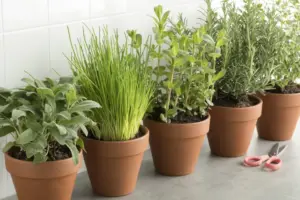
10 Houseplants That Will Thrive in Your Kitchen
Are you tired of your kitchen feeling dull and lifeless? Want to add a little [...]
Aug
Reviews
There are no reviews yet.