
Swamp Milkweed Seeds – Asclepias Incarnata, Pink Flowers, Perennial, Outdoor
From 10.77 $
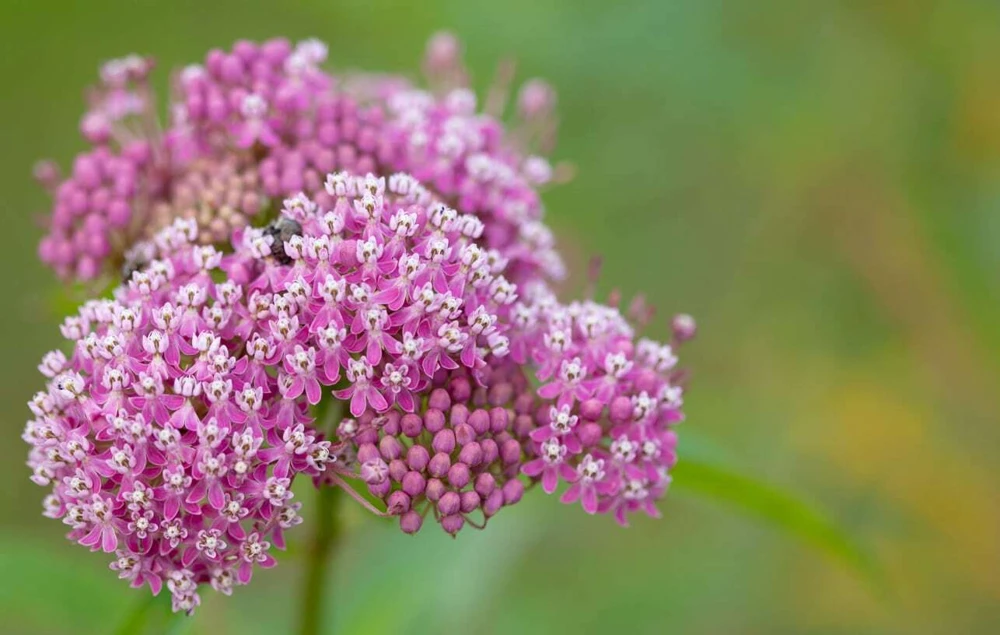
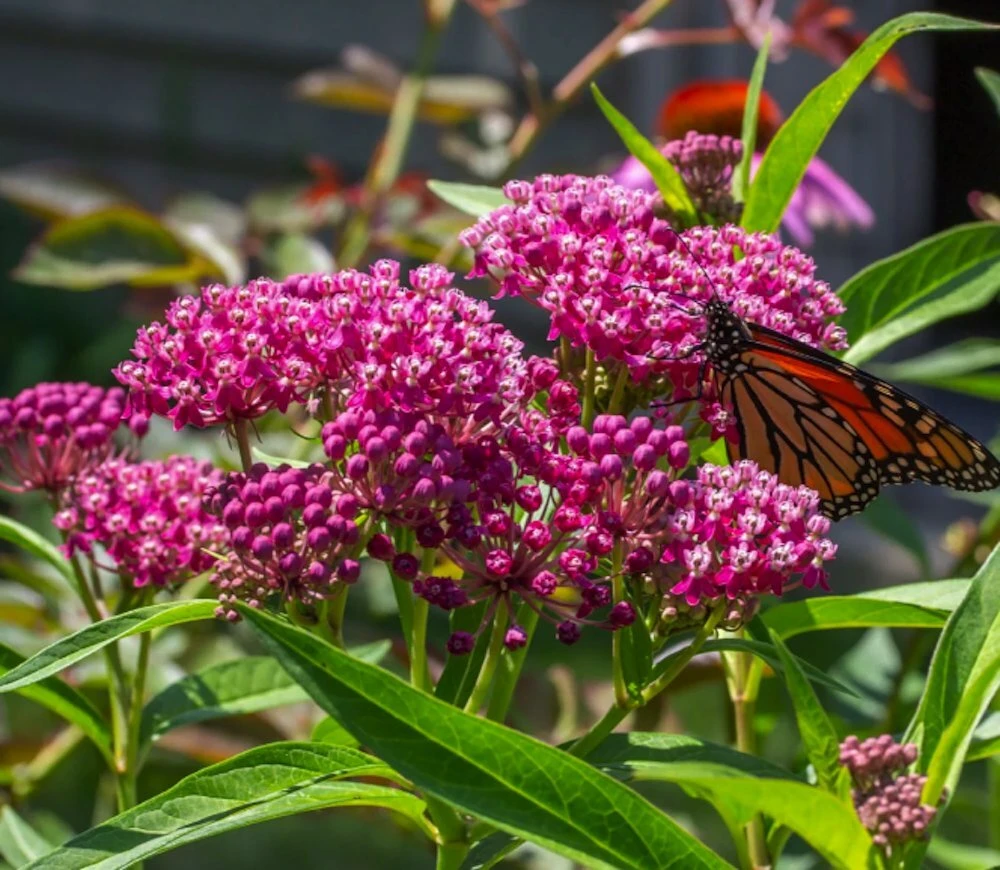
Cultivate vibrant swamp milkweed seeds (Asclepias Incarnata), also known as rose milkweed seeds, to create a haven for butterflies and pollinators. These easy-to-grow perennial seeds produce beautiful pink flowers, perfect for outdoor gardens across a wide range of USDA zones.
Estimated arrival
Sep 19
Sep 24 - Sep 26
Sep 26 - Oct 01
See our Shipping Policy.
Get in touch with us via email, and our team will review your concerns.
Our Alive & Thrive Guarantee covers issues with your plants within the first 30 days. Read our Refund & Returns Policy.
-
USDA Hardiness Zone
Zones 2-11 -
Soil Type
Clay, Loam, Peat, Sand (prefers moist conditions) -
Sunlight Exposure
Full Sun -
Expected Planting Period
Late spring (after cold stratification)
Overview
Bring the beauty of nature and vital support for local ecosystems to your garden with swamp milkweed seeds. Also known by its botanical name, Asclepias Incarnata, and commonly referred to as rose milkweed seeds, this native perennial is a cornerstone for pollinator gardens. These seeds will grow into robust plants adorned with clusters of fragrant, rose-pink flowers, creating an irresistible draw for monarch butterflies and a host of other beneficial insects. Unlike some other milkweed varieties, Asclepias Incarnata thrives in moist to wet soils, making it an excellent choice for rain gardens, pond edges, or areas with consistent moisture. Growing perennial milkweed seeds is a rewarding experience, contributing significantly to biodiversity and providing essential habitat for pollinators, especially the iconic monarch butterfly.
This species is celebrated not only for its ecological importance but also for its ornamental value. The upright, clumping growth habit of Swamp Milkweed adds structure and color to any garden space from summer to fall. It’s a relatively easy-to-grow plant from seed, requiring a period of cold stratification to break dormancy, mimicking its natural germination cycle. Once established, these plants are remarkably resilient, offering years of beauty and ecological benefit with minimal fuss. Embrace the opportunity to cultivate these vital plants and enjoy the dynamic display of wildlife they attract.
Key Benefits
Planting swamp milkweed seeds offers a multitude of advantages for both your garden and the environment. These benefits extend beyond simple aesthetics, contributing to a healthier, more vibrant ecosystem right in your backyard.
- Pollinator Magnet: Swamp Milkweed is a crucial host plant for monarch butterfly caterpillars and provides nectar for adult monarchs, bees, and other beneficial insects. By planting these seeds, you directly support struggling pollinator populations, ensuring their survival and contributing to the health of your local ecosystem.
- Beautiful Pink Blooms: Enjoy a spectacular display of fragrant, rose-pink flowers from mid-summer through early fall. These vibrant blooms add significant visual appeal to garden beds, borders, and naturalized areas, making your garden a focal point of beauty.
- Adaptable to Moist Conditions: Unlike many garden plants, Asclepias Incarnata thrives in consistently moist to wet soils. This makes it an ideal choice for areas prone to dampness, such as rain gardens, bog gardens, or the edges of ponds and streams, helping you utilize challenging garden spaces effectively.
- Low Maintenance Perennial: Once established, asclepias incarnata seeds grow into hardy perennial plants that return year after year. They require minimal care, making them a perfect option for gardeners seeking long-lasting beauty without extensive effort.
- Drought Tolerant: While preferring moist conditions, mature Swamp Milkweed plants exhibit good drought tolerance once established, making them resilient in varying weather patterns. This robust nature ensures continued beauty even during drier spells.
- Easy to Grow from Seed: With proper cold stratification, these seeds germinate reliably, allowing even novice gardeners to successfully cultivate this important native plant. Growing from seed is a cost-effective way to establish a large patch of milkweed.
- Supports Biodiversity: By attracting a diverse range of pollinators, including many different species of butterflies, bees, and other beneficial insects, Swamp Milkweed enhances the overall biodiversity of your garden, creating a thriving natural habitat.
Plant Care & Growing Tips
Successfully growing swamp milkweed seeds requires understanding their specific needs, particularly concerning germination and ongoing care. These plants are known for their resilience, but providing optimal conditions will ensure a robust and floriferous display. Begin by cold stratifying your seeds for approximately 4 weeks. This can be done by placing the seeds in a moist paper towel inside a sealed plastic bag and refrigerating them. After stratification, sow seeds directly outdoors in late spring after the last frost, or start them indoors 6-8 weeks before the last frost. Plant seeds about 1/4 inch deep in well-draining soil, though remember that Swamp Milkweed tolerates and often prefers consistently moist to wet conditions.
For sunlight, Asclepias Incarnata seeds will thrive in full sun, meaning at least 6 hours of direct sunlight per day. While it can tolerate partial shade, flowering may be reduced. Watering is crucial, especially during establishment; keep the soil consistently moist but not waterlogged. Once mature, these plants are quite tolerant of varying moisture levels, though they perform best with medium watering. The ideal soil pH ranges from 4.8 to 6.8, accommodating clay, loam, peat, and sand soil types. Fertilization is generally not necessary in rich soils, but a balanced, slow-release fertilizer can be applied in spring if your soil is poor. Watch out for common pests like aphids, which can be managed with a strong spray of water or insecticidal soap. This perennial is suitable for USDA Hardiness Zones 2-11, demonstrating its wide adaptability to various climates.
To ensure healthy growth and abundant blooms for your milkweed seeds for butterflies, consider the plant’s natural habitat. It often grows along stream banks and in wetlands, which indicates its preference for moist soil. Deadheading spent flowers can encourage more blooms and prevent self-seeding if desired. In late fall, you can cut back the dead stalks to ground level. These plants are clump-forming, providing a strong structural element to your garden. With these care tips, you’ll be well on your way to cultivating a thriving patch of Swamp Milkweed, a true delight for both you and the pollinators it attracts.
Size & Details
These swamp milkweed seeds will develop into robust, clump-forming perennial plants, typically reaching a height of 3-5 feet (90-150 cm) with a spread of 2-3 feet (60-90 cm) at maturity. The growth habit is upright and branching, creating an attractive structural element in the garden. Each seed packet contains a generous quantity of seeds, allowing you to establish a significant patch of this vital pollinator plant. The plants generally begin flowering in their second year from seed, with blooms appearing from mid-summer through early fall, providing a long season of interest for both gardeners and pollinators.
The seeds are sourced from plants grown in the United States, ensuring regional adaptability. Swamp Milkweed is known for its moderate cultivating difficulty, primarily due to the cold stratification requirement for germination. Once established, it is a relatively low-maintenance plant that offers a long life cycle as a perennial. The vibrant pink flowers are a standout feature, attracting monarch butterflies and other pollinators, making your garden a lively hub of activity. Prepare to witness a transformation as these small seeds grow into magnificent plants that provide essential habitat and beauty.
Frequently Asked Questions
- Q: How big does Swamp Milkweed get? A: Swamp milkweed seeds typically grow into plants that reach 3 to 5 feet tall with a spread of 2 to 3 feet. They have an upright, clumping growth habit, making them a prominent feature in the garden once mature.
- Q: Is this an indoor or outdoor plant? A: Swamp Milkweed (Asclepias Incarnata) is primarily an outdoor plant. It thrives in garden beds, rain gardens, and naturalized areas, providing essential habitat for pollinators in an outdoor setting.
- Q: How much sunlight does Swamp Milkweed need? A: For optimal growth and flowering, Swamp Milkweed requires full sun, meaning at least 6 hours of direct sunlight per day. It can tolerate partial shade, but flowering may be less abundant.
- Q: Is this plant easy to care for? A: Growing asclepias incarnata seeds is considered moderately difficult, mainly due to the need for cold stratification for germination. However, once established, the plants are relatively low-maintenance and hardy perennials.
- Q: What condition will the seeds arrive in? A: The product consists of seeds, which will arrive in a protective packet, ready for stratification and planting. They are dormant and require specific conditions to germinate.
- Q: When is the best time to plant Swamp Milkweed seeds? A: After cold stratification, the best time to sow rose milkweed seeds directly outdoors is in late spring after the last frost. For indoor starting, begin 6-8 weeks before the last expected frost.
- Q: Will Swamp Milkweed survive winter in my zone? A: Swamp Milkweed is a perennial and is hardy in USDA Hardiness Zones 2-11. This wide range means it will survive winter and return year after year in most temperate climates across the United States.
- Q: What type of soil does Swamp Milkweed prefer? A: While adaptable to various soil types including clay, loam, peat, and sand, Swamp Milkweed prefers consistently moist to wet soil conditions. Good drainage is still beneficial to prevent root rot.
- Q: How long until it blooms from seed? A: Typically, Swamp Milkweed plants grown from perennial milkweed seeds will begin to bloom in their second year of growth. Once mature, they will flower from mid-summer through early fall.
- Q: Why should I plant milkweed seeds for butterflies? A: Planting milkweed seeds for butterflies, especially Swamp Milkweed, is crucial because it is the sole host plant for monarch butterfly caterpillars. Without milkweed, monarch populations cannot survive. It also provides nectar for adult butterflies and other pollinators.
| Seed Amount | 1250 Seeds Or 1/4 Oz, 150 Seeds, 300 Seeds, 35 Seeds, 5000 Seeds Or 1 Oz, 625 Seeds Or 1/8 Oz, 75 Seeds |
|---|
Be the first to review “Swamp Milkweed Seeds – Asclepias Incarnata, Pink Flowers, Perennial, Outdoor”
Related products


Flower Seeds


You May Like

5 Best Bulbs for Fall Planting: Brighten Your Garden This Spring
Are you dreaming of a garden full of vibrant colors in the spring? The key [...]
Aug
How to Repot Houseplants Like a Pro
Do your houseplants look like they’ve outgrown their pots? Are their roots popping out of [...]
Aug

10 Houseplants That Will Thrive in Your Kitchen
Are you tired of your kitchen feeling dull and lifeless? Want to add a little [...]
Aug
Reviews
There are no reviews yet.