


Sweet Mock Orange Seeds – Philadelphus Coronarius – 20 Count – White Flowers
Original price was: 32.99 $.12.99 $Current price is: 12.99 $.
Cultivate the beautiful and fragrant sweet mock orange seeds. This deciduous shrub, also known as Philadelphus Coronarius, produces abundant white flowers with an intoxicating citrus scent, perfect for hedges or cutting. Each packet contains 20 Philadelphus coronarius seeds.
Estimated arrival
Sep 19
Sep 24 - Sep 26
Sep 26 - Oct 01
See our Shipping Policy.
Get in touch with us via email, and our team will review your concerns.
Our Alive & Thrive Guarantee covers issues with your plants within the first 30 days. Read our Refund & Returns Policy.
-
USDA Hardiness Zone
4 - 8 -
Soil Type
Average, well-draining soil -
Sunlight Exposure
Sun - Part Shade -
Expected Planting Period
Outdoors after frost / Indoors weeks before last frost
Overview
Discover the joy of growing your own sweet mock orange seeds, scientifically known as Philadelphus Coronarius. This exquisite deciduous shrub is celebrated for its profusion of cup-shaped white flowers, each measuring approximately 1 ½ inches wide. These blossoms release an intoxicatingly sweet citrus fragrance that will fill your garden for weeks, typically from late spring to early summer. Originating from Southern Europe, the Sweet Mock Orange is remarkably adaptable and can thrive in a variety of conditions, making it an excellent choice for both novice and experienced gardeners. Whether you’re aiming to create a stunning informal privacy hedge, attract pollinators, or simply enjoy beautiful, fragrant blooms for cutting, these Philadelphus coronarius seeds offer a rewarding gardening experience.
The Mock Orange shrub is a low-maintenance plant that offers significant visual and aromatic appeal. Its dense growth habit makes it ideal for screening, while its delightful scent attracts bees and butterflies, contributing to a vibrant ecosystem in your yard. The flowers are also a popular choice for bridal bouquets and other floral arrangements, bringing their charm indoors. Starting these shrubs from sweet mock orange seeds allows you to cultivate a robust and beautiful plant that will enhance your garden for years to come.
Key Benefits
Growing sweet mock orange seeds provides numerous advantages for any gardener, offering both aesthetic beauty and practical uses. This versatile shrub is a fantastic addition to various garden designs.
- Intoxicating Fragrance: The primary allure of the Mock Orange is its wonderfully sweet, citrus-like fragrance emitted by its abundant white flowers. This scent can perfume an entire garden space, creating a delightful sensory experience.
- Beautiful White Blooms: Enjoy weeks of profuse, pure white flowers measuring 1 ½ inches wide. These elegant blossoms are perfect for enhancing garden aesthetics and providing fresh cut flowers.
- Attracts Pollinators: The sweet fragrance and nectar-rich flowers are highly attractive to bees and butterflies, promoting biodiversity and supporting local pollinator populations in your garden.
- Versatile Landscaping: Its dense growth habit makes it ideal for creating informal privacy hedges, borders, or as a standalone specimen plant. It can also be grown successfully in containers.
- Low Maintenance: Once established, the Mock Orange is a remarkably carefree shrub. It generally doesn’t require extensive watering or pruning, making it suitable for gardeners seeking beautiful plants without high demands. Check out our mock orange plant care guide for more details.
- Drought Tolerant: Adapted to various conditions, this shrub shows good drought tolerance once mature, reducing the need for frequent irrigation.
- Hardy & Adaptable: Thrives in USDA Hardiness Zones 4-8 and tolerates a range of soil types and light conditions, from full sun to part shade.
- Excellent Cut Flowers: The fragrant white flowers are superb for cutting and are often featured in bouquets, including popular bridal arrangements.
Plant Care & Growing Tips
Cultivating sweet mock orange seeds into thriving shrubs is a straightforward process, thanks to the plant’s robust nature. Understanding its basic needs will ensure healthy growth and abundant blooms. For successful germination, Philadelphus coronarius seeds benefit from cold stratification. You can either plant them outdoors after the last frost, allowing nature to stratify them, or start them indoors several weeks before the last frost after artificial cold stratification. Sow seeds lightly covered with soil, as some light aids germination.
Once established, Mock Orange prefers a location with full sun to part shade. While it can tolerate some shade, full sun will encourage the most prolific flowering. The shrub is adaptable to average soil conditions but thrives best in well-draining soil. It is not particularly fussy about soil pH. Watering requirements are minimal once the plant is mature; typically, natural rainfall is sufficient. During prolonged dry spells, especially in its first year, supplemental watering may be beneficial. You’ll find that mock orange plant care is relatively simple.
The Sweet Mock Orange is hardy in USDA Zones 4-8, meaning it can withstand cold winters in many regions. It grows quickly to a height of 8-10 feet with a spread of 6-8 feet. While pruning is not strictly necessary for health, it can be pruned after flowering to maintain desired size and shape, or to remove old wood. Fertilization is generally not required in good soil, but a balanced slow-release fertilizer can be applied in spring if growth appears sluggish. Keep an eye out for common pests like aphids, though serious problems are rare. Following these mock orange growing tips will help you cultivate a magnificent shrub.
Size & Details
This offering includes 20 sweet mock orange seeds, providing a generous quantity to start your garden project. The Philadelphus Coronarius shrub typically grows to an impressive height of 8-10 feet and spreads 6-8 feet, forming a dense and beautiful specimen. Growth is relatively fast, allowing you to establish a hedge or large shrub within a few seasons. The seeds are supplied in a packet ready for planting. Expect blooms from late spring to early summer, bringing a burst of fragrance and white color to your landscape. With proper care and ideal conditions, your Philadelphus coronarius seeds will mature into robust, floriferous shrubs that provide years of enjoyment.
Frequently Asked Questions
- Q: How big does the Sweet Mock Orange plant get? A: The sweet mock orange seeds will grow into a shrub that typically reaches a height of 8-10 feet and spreads 6-8 feet wide, creating a substantial presence in the garden.
- Q: Is this an indoor or outdoor plant? A: The Sweet Mock Orange (Philadelphus Coronarius) is an outdoor shrub, best suited for garden beds, hedges, or large containers outdoors. It is not typically grown as an indoor houseplant.
- Q: How much sunlight does the Mock Orange need? A: This shrub thrives in full sun to part shade. For the most abundant flowers, aim for at least 6 hours of direct sunlight per day.
- Q: Is this plant easy to care for? A: Yes, the Mock Orange is known for being a relatively low-maintenance and carefree shrub. Once established, it requires minimal watering and pruning. Our mock orange plant care guide covers all the essentials.
- Q: What condition will the seeds arrive in? A: The product consists of 20 Philadelphus coronarius seeds, packaged for safe transit and ready for planting upon arrival.
- Q: When is the best time to plant Sweet Mock Orange seeds? A: You can plant the seeds outdoors after the last frost in spring, or start them indoors several weeks before the last frost after cold stratification.
- Q: Will it survive winter in my zone? A: The Sweet Mock Orange is hardy in USDA Zones 4-8, meaning it is well-adapted to survive cold winters in a wide range of climates.
- Q: Do I need to cold stratify these seeds? A: Yes, Philadelphus coronarius seeds benefit from cold stratification to improve germination rates. This can be done naturally by planting outdoors in late fall or artificially indoors.
- Q: What are some good mock orange growing tips for beginners? A: For beginners, ensure good drainage, provide adequate sunlight, and be patient with germination. Regular, but not excessive, watering in the first year will help establishment.
- Q: Can the flowers be used for bouquets? A: Absolutely! The fragrant white flowers of the Sweet Mock Orange are excellent for cutting and are frequently used in fresh floral arrangements and bridal bouquets.
Be the first to review “Sweet Mock Orange Seeds – Philadelphus Coronarius – 20 Count – White Flowers”
Related products


Shrub Seeds
Red Flowering Currant Seeds – Ribes Sanguineum Shrub Seeds – 25 Seeds – Attracts Hummingbirds


You May Like
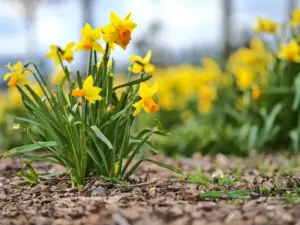
5 Best Bulbs for Fall Planting: Brighten Your Garden This Spring
Are you dreaming of a garden full of vibrant colors in the spring? The key [...]
Aug
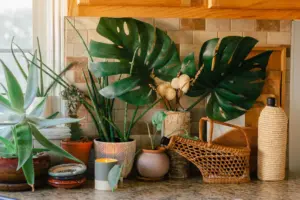
How to Repot Houseplants Like a Pro
Do your houseplants look like they’ve outgrown their pots? Are their roots popping out of [...]
Aug
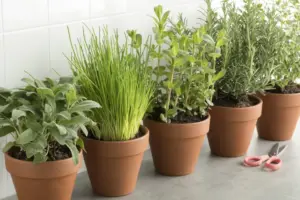
10 Houseplants That Will Thrive in Your Kitchen
Are you tired of your kitchen feeling dull and lifeless? Want to add a little [...]
Aug
Reviews
There are no reviews yet.