
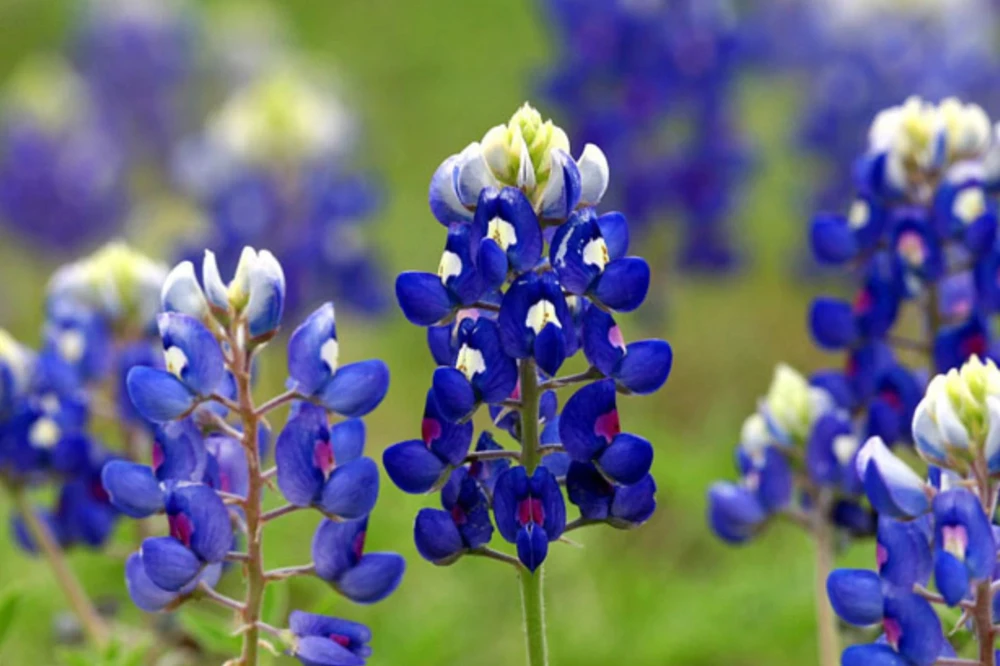

Texas Bluebonnet Lupine Seeds – Perennial Flower Seeds – Blue – Outdoor
From 10.77 $
Cultivate the beauty of the Lone Star State with our premium Texas Bluebonnet Lupine seeds. These easy-to-grow perennial flower seeds produce vibrant blue blooms, perfect for attracting pollinators to your garden. Ideal for outdoor planting across USDA Zones 5-11.
Estimated arrival
Sep 19
Sep 24 - Sep 26
Sep 26 - Oct 01
See our Shipping Policy.
Get in touch with us via email, and our team will review your concerns.
Our Alive & Thrive Guarantee covers issues with your plants within the first 30 days. Read our Refund & Returns Policy.
-
USDA Hardiness Zone
Zones 5-11 -
Soil Type
Well-Drained, Sandy or Gravelly Loam -
Sunlight Exposure
Full Sun -
Expected Planting Period
Fall (for spring blooms)
Overview
Transform your garden into a sea of vibrant blue with our high-quality Texas Bluebonnet Lupine seeds. Revered as the official Texas State Flower, these stunning wildflowers (Lupinus densiflorus) are a captivating addition to any landscape. Growing Texas Bluebonnet Lupine seeds is a rewarding experience, bringing not only visual appeal but also a touch of natural heritage to your outdoor space. These hardy perennials are known for their striking spires of blue flowers, making them a favorite among gardeners seeking both beauty and ease of cultivation. Whether you’re aiming to create a naturalized meadow or add a splash of color to your flower beds, these seeds are an excellent choice for achieving a picturesque display. The resilience and charm of the Texas State Flower seeds make them a popular choice for gardeners across various climates.
Our Texas Bluebonnet Lupine seeds are sourced to ensure robust growth and prolific blooming. These seeds are perfect for gardeners in USDA Hardiness Zones 5-11, thriving in a wide range of temperate and sub-tropical conditions. The resulting plants are not only beautiful but also beneficial, playing a crucial role in attracting pollinators such as bees and butterflies to your garden. Plant these Lupinus densiflorus seeds and enjoy the rich, natural beauty they bring, year after year. They are a classic choice for anyone looking to embrace the iconic flora of the American Southwest and beyond.
Key Benefits
Planting Texas Bluebonnet Lupine seeds offers a multitude of benefits for both your garden and the local ecosystem. These beautiful wildflowers are more than just pretty faces; they contribute significantly to biodiversity and garden health.
- Iconic Beauty: Enjoy the classic, breathtaking blue blooms that are synonymous with the Texas landscape. These flowers create a stunning visual impact, especially when planted in large drifts, providing a vibrant spectacle.
- Attracts Pollinators: The nectar-rich flowers are a magnet for essential pollinators like bees, butterflies, and hummingbirds, supporting local ecosystems and encouraging fruit and vegetable production in nearby plants.
- Easy to Grow: Known for their low maintenance requirements, Texas Bluebonnet Lupine seeds are ideal for both novice and experienced gardeners. They establish easily and require minimal intervention once rooted.
- Drought Tolerant: Once established, these resilient plants are remarkably drought-tolerant, making them an excellent choice for xeriscaping or gardens in regions with limited water resources.
- Soil Improvement: As legumes, Lupines fix nitrogen in the soil, naturally enriching it and benefiting surrounding plants without the need for excessive chemical fertilizers.
- Perennial Life Cycle: Enjoy continuous blooms for years to come. These perennial plants return each spring, providing a reliable source of beauty and color with minimal effort.
- Versatile Landscaping: Perfect for wildflower meadows, borders, rock gardens, or mass plantings, these perennial blue flowers adapt well to various garden designs and settings.
Plant Care & Growing Tips
Successful cultivation of Texas Bluebonnet Lupine seeds begins with proper site selection and planting techniques. These wildflowers thrive in full sun, meaning they need at least 6-8 hours of direct sunlight per day to produce their most abundant blooms. Choose a location in your garden that receives ample sun exposure throughout the day. The ideal planting time is in the fall, about 12 weeks before the first hard frost, allowing the seeds to stratify naturally over winter for spring germination. This natural stratification process mimics their native environment and significantly improves germination rates for these Lupinus densiflorus seeds.
When it comes to soil, Texas Bluebonnet Lupine seeds prefer well-drained conditions. They are particularly fond of sandy or gravelly loam with a slightly acidic to neutral pH, ideally between 6.5 and 7.5. Avoid heavy clay soils that retain too much moisture, as this can lead to root rot. If your soil is heavy, amend it with organic matter or sand to improve drainage. Watering should be medium; keep the soil consistently moist but not waterlogged during establishment. Once mature, these plants are quite drought-tolerant, requiring less frequent watering. Fertilization is generally not necessary, as Lupines are nitrogen fixers, naturally enriching the soil. For optimal growth and to ensure your grow Texas Bluebonnet efforts are successful, ensure proper air circulation to prevent fungal diseases.
These plants are quite hardy, thriving across USDA Hardiness Zones 5-11, making them suitable for many regions. While generally robust, watch for common garden pests like aphids, which can be managed with organic insecticidal soap. Deadheading spent blooms can encourage more flowering and prevent excessive self-seeding if desired. With these care tips, your Texas State Flower seeds will flourish, providing a spectacular display of blue for many seasons.
Size & Details
Our Texas Bluebonnet Lupine seeds provide the foundation for robust, beautiful plants that typically grow to a height of 12 to 24 inches (30-60 cm) with a similar spread, forming attractive mounds of foliage topped with striking flower spikes. Each seed packet contains a generous quantity of premium seeds, ensuring a successful planting experience for a vibrant display. These perennial plants have a medium growth rate, establishing well in their first year and returning with even greater vigor in subsequent seasons. The iconic blue flowers typically emerge in the spring and can continue into summer, depending on your climate and planting time. You are receiving flower seeds, ready to be sown directly into your garden. The germination period can vary, but with proper stratification, you can expect seedlings to emerge in spring.
The plants are characterized by their palmate leaves, which are soft and velvety, adding textural interest even before the blooms appear. The flower spikes are densely packed with pea-like florets, creating a stunning vertical accent in the garden. These perennial blue flowers are known for their resilience and ability to naturalize, making them an excellent choice for creating expansive wildflower areas. The ease of cultivating these Lupinus densiflorus seeds means that even beginners can achieve impressive results, enjoying the full beauty of the Texas State Flower.
Frequently Asked Questions
- Q: How big does this plant get? A: Texas Bluebonnet Lupine plants typically grow to a height of 12 to 24 inches (30-60 cm) with a similar spread. They form attractive, upright clumps topped with flower spikes.
- Q: Is this an indoor or outdoor plant? A: Texas Bluebonnet Lupine seeds are specifically for outdoor planting. These wildflowers thrive in garden beds, meadows, and naturalized areas, requiring full sun exposure.
- Q: How much sunlight does it need? A: For optimal growth and abundant blooms, Texas Bluebonnet Lupine requires full sun, meaning at least 6-8 hours of direct sunlight per day.
- Q: Is this plant easy to care for? A: Yes, these are considered easy to cultivate. Once established, they are low-maintenance, drought-tolerant, and generally resistant to pests, making them suitable for beginners. You can easily grow Texas Bluebonnet with minimal fuss.
- Q: What condition will it arrive in? A: You will receive premium quality Texas Bluebonnet Lupine seeds in a protective packet, ready for planting. They are not live plants or bulbs.
- Q: How long until it blooms? A: After fall planting and proper stratification, Texas Bluebonnets typically bloom in the spring, usually around March to May, depending on your specific climate and growing conditions.
- Q: Will it survive winter in my zone? A: Texas Bluebonnet Lupine is a perennial plant hardy in USDA Zones 5-11. In these zones, it will typically survive winter and return each spring, especially if planted in the fall.
- Q: What type of soil does it prefer? A: These plants thrive in well-drained, sandy or gravelly loam with a slightly acidic to neutral soil pH (6.5 – 7.5). Good drainage is crucial for preventing root issues.
- Q: Can these seeds attract pollinators? A: Absolutely! The vibrant blue flowers of the Texas Bluebonnet Lupine are excellent at attracting a variety of pollinators, including bees, butterflies, and other beneficial insects to your garden.
- Q: When is the best time to plant these seeds? A: The best time to plant Texas Bluebonnet Lupine seeds is in the fall, about 12 weeks before the first hard frost. This allows for natural cold stratification, which aids in germination the following spring.
| Seed Amount | 100 Seeds Or 1/8 Oz, 1800 Seeds Or 2 Oz, 20 Seeds, 200 Seeds Or 1/4 Oz, 50 Seeds, 900 Seeds Or 1 Oz |
|---|
Be the first to review “Texas Bluebonnet Lupine Seeds – Perennial Flower Seeds – Blue – Outdoor”
Related products


You May Like
5 Best Bulbs for Fall Planting: Brighten Your Garden This Spring
Are you dreaming of a garden full of vibrant colors in the spring? The key [...]
Aug
How to Repot Houseplants Like a Pro
Do your houseplants look like they’ve outgrown their pots? Are their roots popping out of [...]
Aug
10 Houseplants That Will Thrive in Your Kitchen
Are you tired of your kitchen feeling dull and lifeless? Want to add a little [...]
Aug
Reviews
There are no reviews yet.