
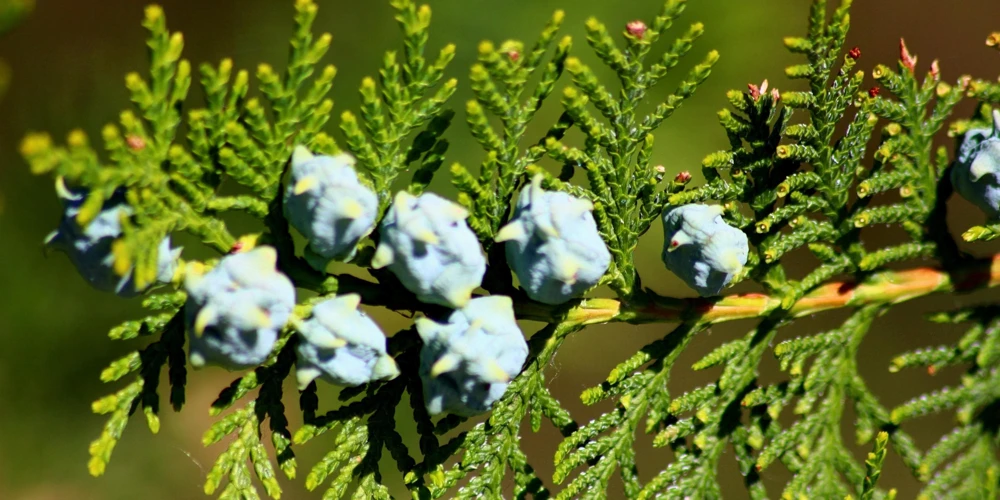

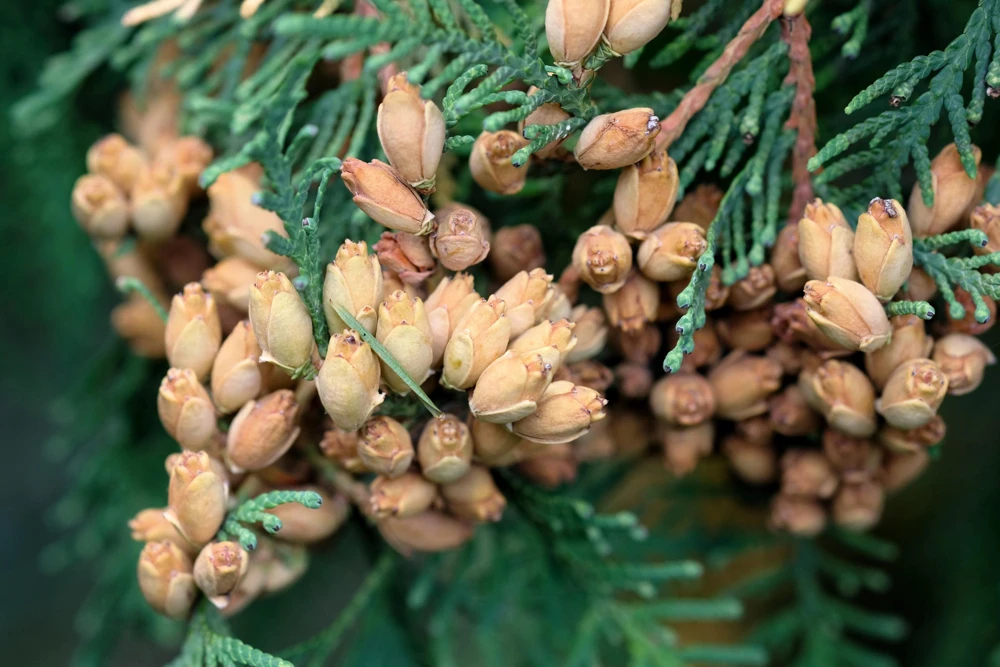
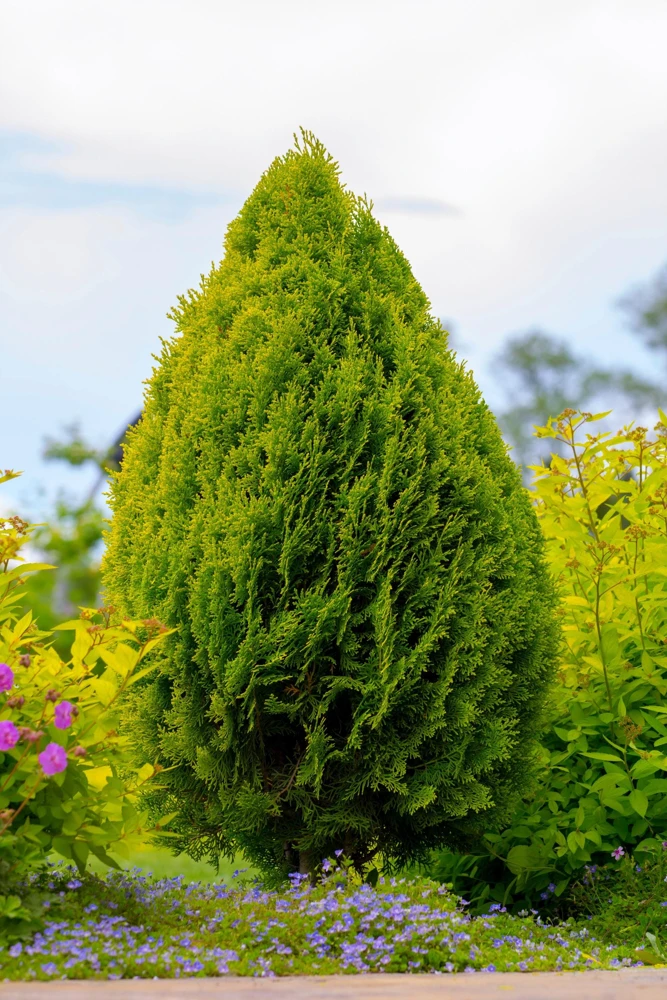
Thuja Occidentalis Cedar Tree Seeds – 25 Pack Evergreen Conifer
Original price was: 32.99 $.12.99 $Current price is: 12.99 $.
Cultivate beautiful, hardy Thuja Occidentalis seeds, ideal for creating dense privacy screens or adding majestic evergreen beauty to your landscape. This pack contains 25 high-quality cedar tree seeds, known for their cold tolerance and neat growth habit, perfect for various garden designs.
Estimated arrival
Sep 19
Sep 24 - Sep 26
Sep 26 - Oct 01
See our Shipping Policy.
Get in touch with us via email, and our team will review your concerns.
Our Alive & Thrive Guarantee covers issues with your plants within the first 30 days. Read our Refund & Returns Policy.
-
USDA Hardiness Zone
2 - 7 -
Soil Type
Average, well-draining soil -
Sunlight Exposure
Full sun - Partial shade -
Expected Planting Period
Fall (after cold stratification)
Overview
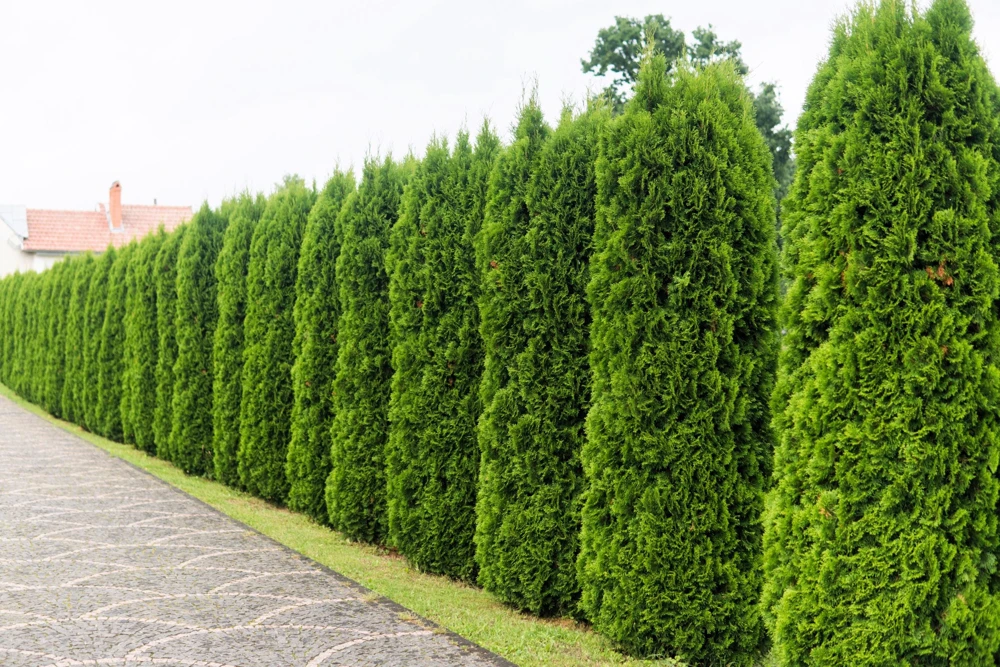
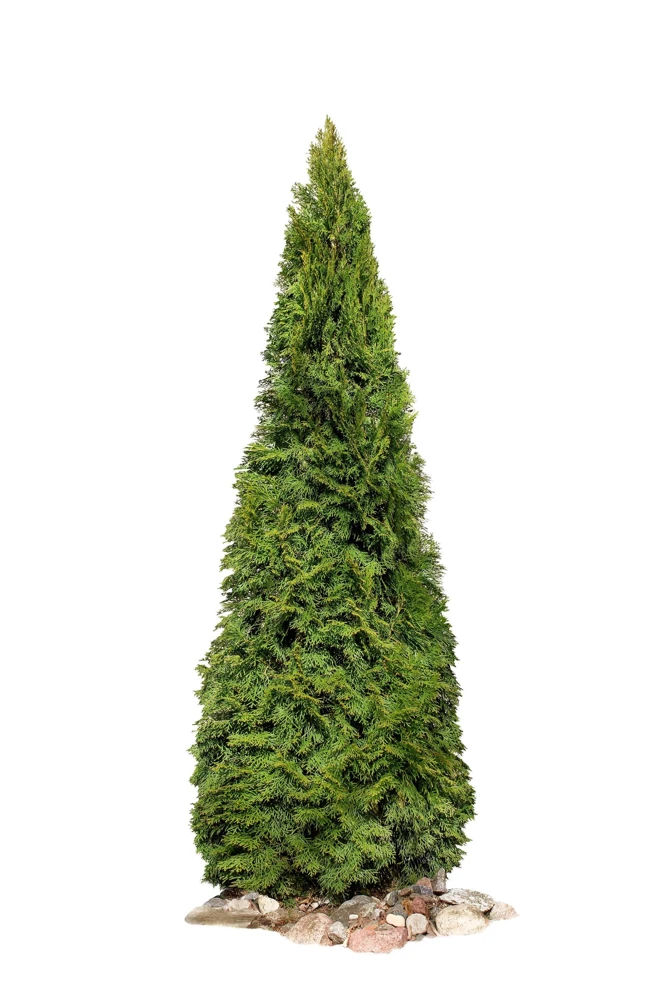
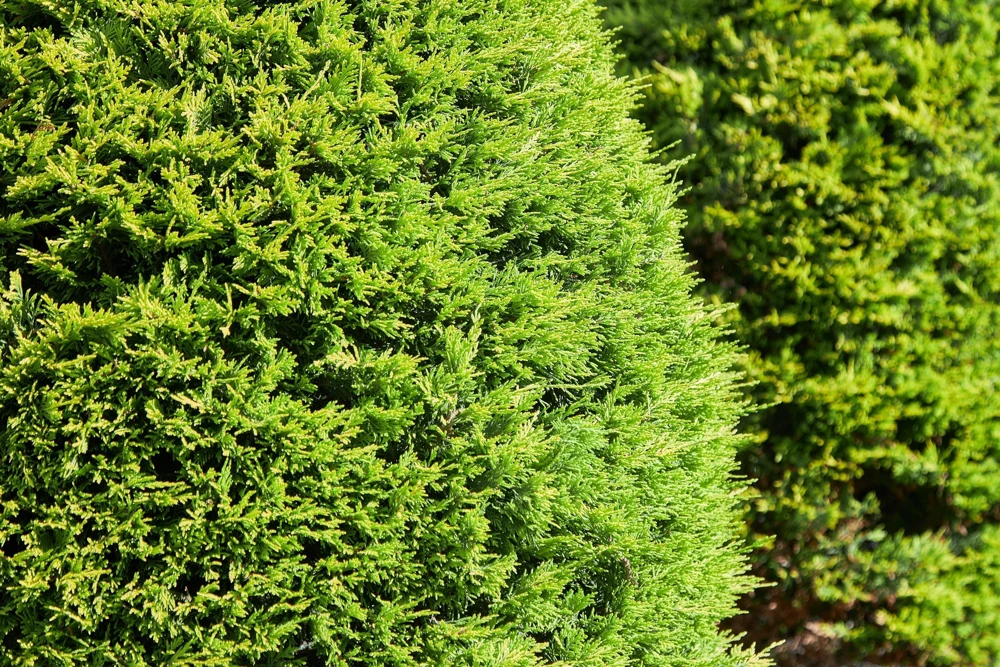
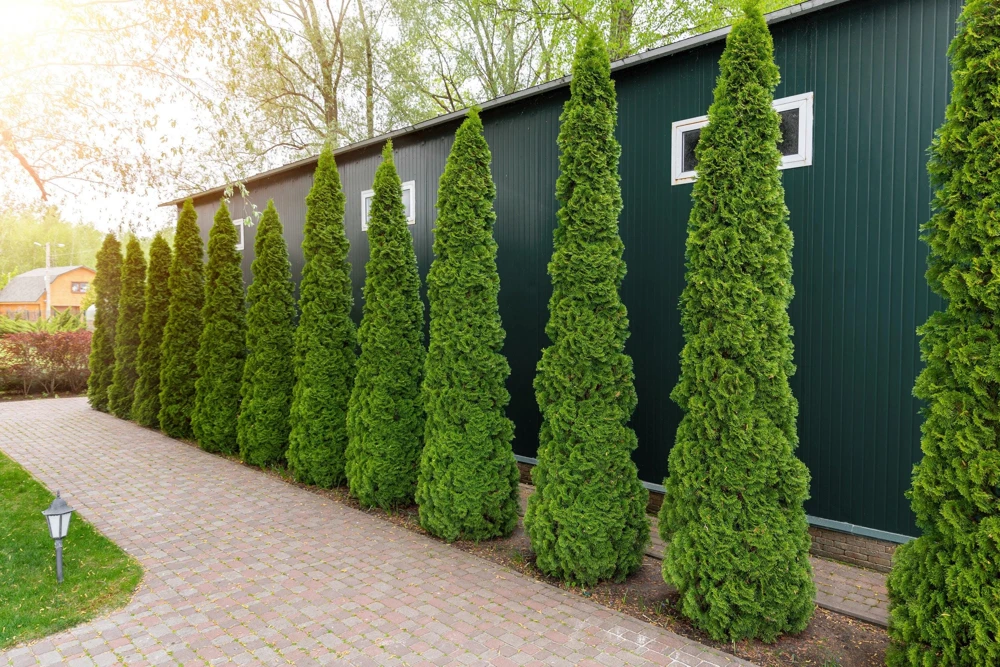
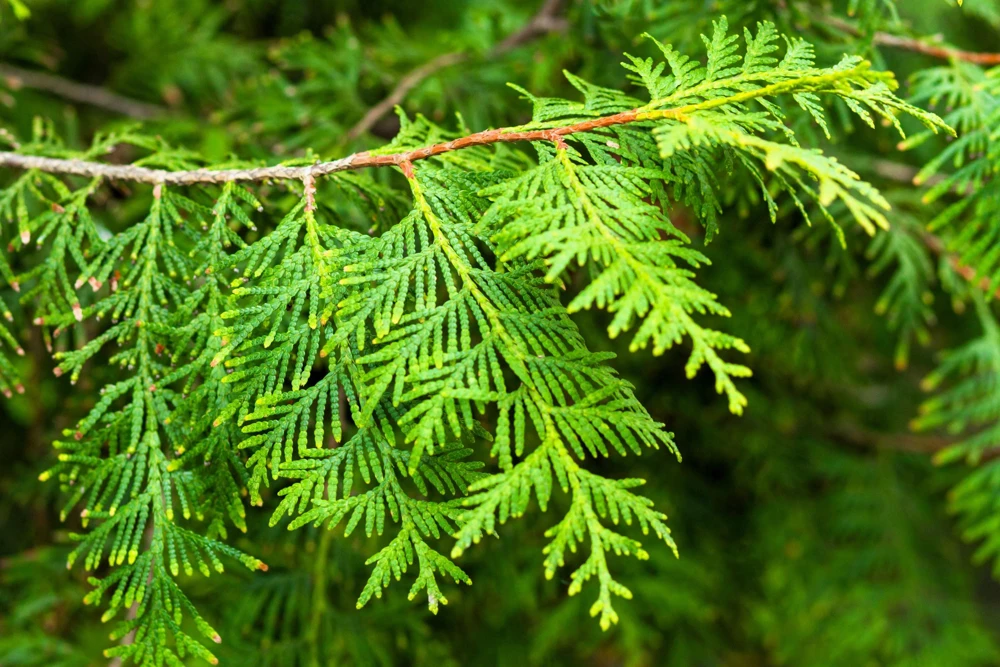
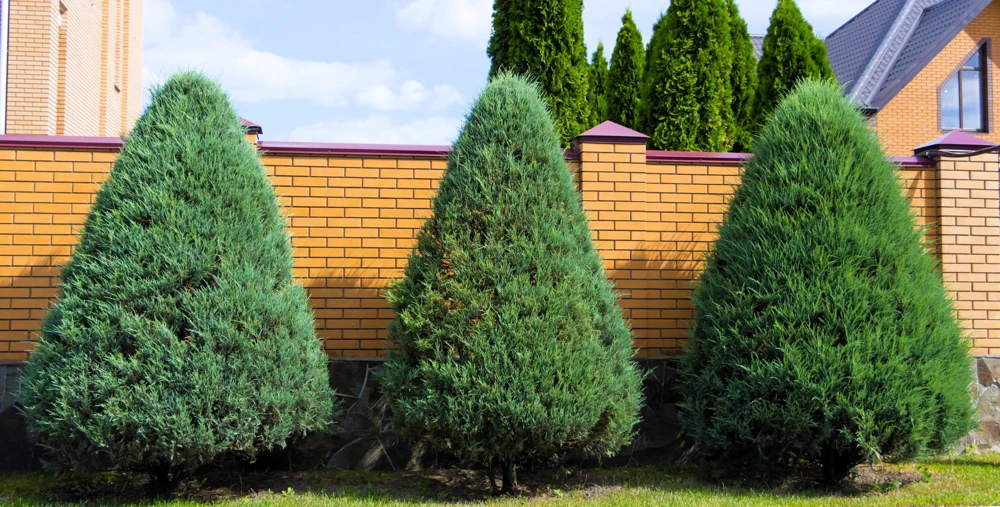
Embark on a rewarding gardening journey with our premium Thuja Occidentalis seeds. These seeds offer the opportunity to grow the beloved Thuja Occidentalis, commonly known as the Eastern Arborvitae or White Cedar tree. This exceptional evergreen conifer is celebrated for its dense, fine-textured foliage and its ability to form elegant, narrow columns, making it an outstanding choice for natural privacy screens, windbreaks, or as a stately specimen plant in your garden. Our 25-seed pack provides a generous quantity to start your project, allowing you to cultivate multiple trees that will enhance your property with year-round greenery. Thuja Occidentalis seeds are particularly valued for their robustness and adaptability, thriving in a wide range of climates and soil conditions. This variety of cedar tree is also remarkably cold tolerant, making it a reliable choice for gardeners in cooler regions.
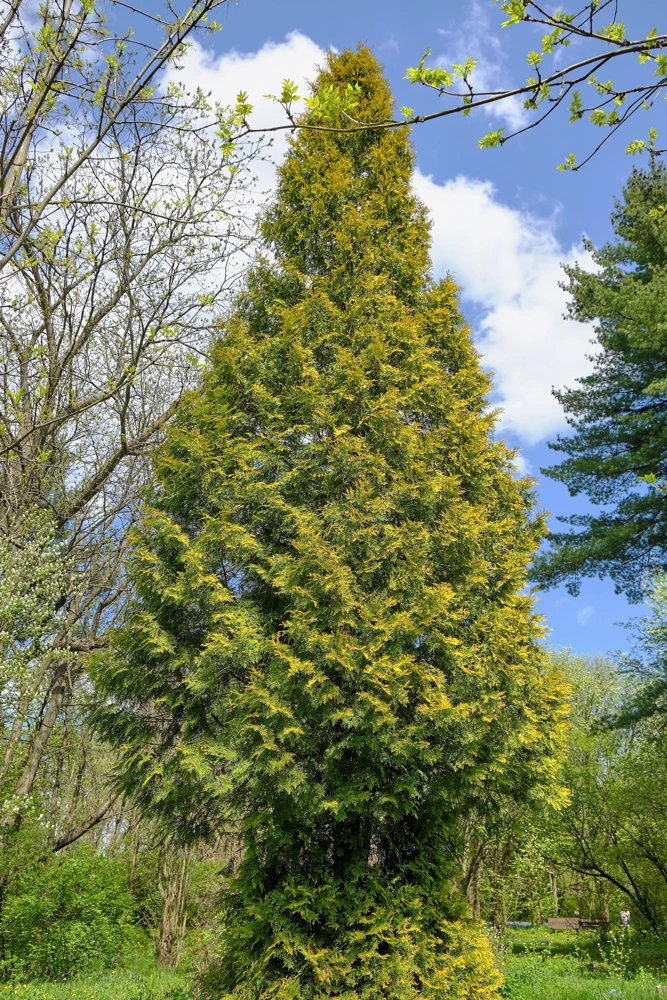
The Thuja Occidentalis is a versatile tree that can reach impressive heights of 20-30 feet, providing significant vertical interest and structure to any landscape. Its evergreen nature ensures that your garden maintains its vibrant appeal even through the colder months, offering a constant source of beauty and shelter. Growing cedar tree seeds from scratch allows for a deeper connection to your garden and the satisfaction of nurturing a plant from its very beginning. Whether you’re an experienced horticulturist or a budding gardener, these seeds provide an accessible and fulfilling way to introduce a classic, resilient evergreen to your outdoor space. The neat and tidy growth habit of the Thuja Occidentalis means less maintenance once established, freeing up your time to enjoy its serene presence.
Key Benefits
Growing Thuja Occidentalis seeds offers a multitude of advantages for your landscape and gardening endeavors. These benefits extend from aesthetic appeal to practical environmental contributions. Discover why these evergreen conifer seeds are an excellent choice:
- Exceptional Privacy Screening: Thuja Occidentalis forms a dense, natural barrier, making it perfect for creating privacy hedges or windbreaks. Its compact growth habit ensures a continuous, opaque screen that remains green all year.
- Year-Round Greenery: As an evergreen, this cedar tree maintains its vibrant green foliage throughout all seasons, providing consistent color and life to your garden even in winter when other plants are dormant.
- Superior Cold Tolerance: Known for its hardiness, the Thuja Occidentalis thrives in USDA Zones 2-7, making it an excellent choice for gardeners in regions with harsh winters, allowing for reliable growth.
- Low Maintenance Once Established: After the initial establishment period, these trees require minimal care. They are relatively disease-resistant and drought-tolerant, reducing the need for constant attention.
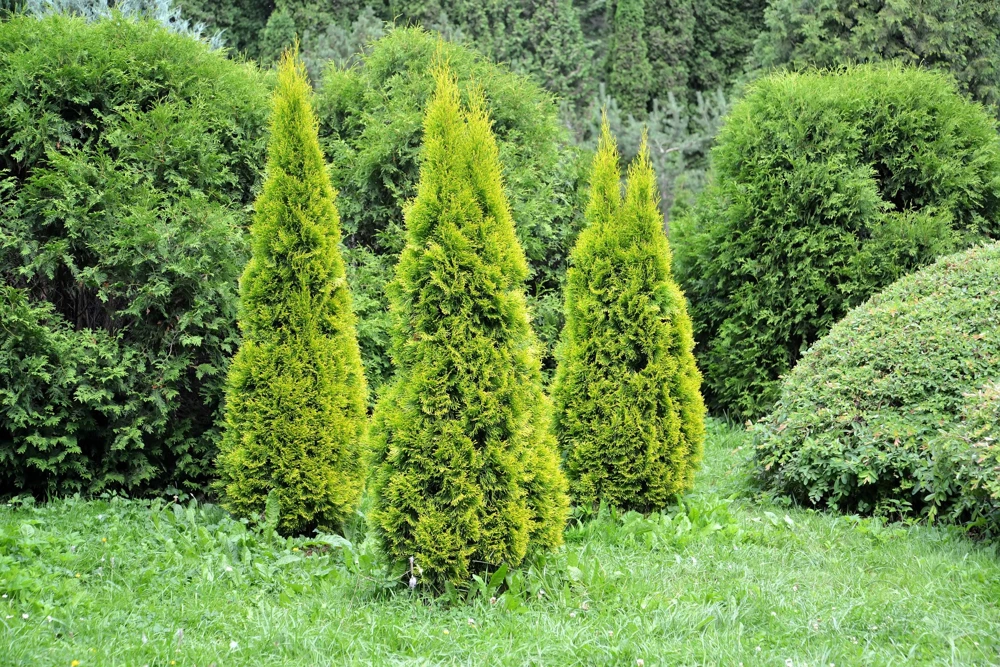
- Versatile Landscape Use: Beyond privacy screens, this tree can be used as a striking specimen plant, in formal garden designs, or to provide architectural interest due to its naturally slender form.
- Wildlife Habitat: The dense foliage provides shelter and nesting sites for various bird species, contributing to local biodiversity and attracting beneficial wildlife to your garden.
- Air Purification: Like all trees, Thuja Occidentalis helps improve air quality by absorbing carbon dioxide and releasing oxygen, contributing to a healthier environment around your home.
Plant Care & Growing Tips
Successfully growing Thuja Occidentalis seeds requires a few key steps, particularly for germination. Begin by cold stratifying the seeds, which mimics natural winter conditions and encourages sprouting. Place the cedar tree seeds in a moist medium like sand or peat moss, seal them in a plastic bag, and refrigerate for 60-90 days. After stratification, sow the seeds shallowly in a well-draining seed-starting mix, covering them lightly with soil. Maintain consistent moisture and provide warm temperatures (around 65-75°F) for germination. Germination can be slow and sporadic, so patience is key. Once seedlings emerge, ensure they receive ample light to prevent legginess.
For established plants, Thuja Occidentalis prefers a location with full sun to partial shade, meaning at least 4-6 hours of direct sunlight daily. While adaptable, it performs best in moist, well-draining soil. Avoid overly wet conditions, which can lead to root rot, or extremely dry conditions, especially for young plants. The optimal pH range is slightly acidic to neutral. Water regularly during the first few growing seasons to help the root system establish. Once mature, Thuja tree growing becomes more self-sufficient, requiring less frequent watering, though supplemental watering during prolonged dry spells is beneficial. Fertilize young trees lightly in the spring with a balanced, slow-release fertilizer to promote healthy growth. Pruning is generally not necessary for shaping if you desire its natural columnar form, but light trimming can be done to maintain a desired size or density for hedges. Keep an eye out for common pests like spider mites and scale insects, and address them promptly with appropriate organic or chemical controls.
The hardiness of this evergreen conifer seeds variety makes it a resilient choice. It thrives in USDA Hardiness Zones 2 through 7, tolerating temperatures well below freezing. Protecting young seedlings from extreme winter winds during their first year can be beneficial. With proper care and attention during the initial stages, your Thuja Occidentalis seeds will develop into robust and beautiful trees that will grace your landscape for many years to come.
Size & Details
This product includes a pack of 25 Thuja Occidentalis seeds, providing a solid foundation for cultivating multiple cedar trees. When mature, the Thuja Occidentalis typically grows to a height of 20-30 feet with a spread of 10-12 feet, forming a majestic, narrow evergreen silhouette. These trees are known for their moderate growth rate, establishing well within a few years and steadily increasing in size. The seeds are shipped as raw, unsprouted seeds, requiring cold stratification and subsequent germination. You can expect to see initial growth within weeks to months after proper stratification and planting, with significant development within the first 3-5 years.
The inherent qualities of these cold tolerant trees make them an excellent long-term investment for your garden. Their dense foliage ensures a full, verdant appearance. The seeds are packaged to ensure viability upon arrival, ready for stratification and planting in the fall or after appropriate cold treatment. Proper spacing of 10-12 feet between mature trees is recommended to allow for their full growth potential and to ensure adequate air circulation, especially when planting for a hedge or screen. The natural form of the Thuja Occidentalis requires minimal intervention, leading to a stately and well-proportioned tree.
Frequently Asked Questions
- Q: How many seeds are included in this pack? A: This pack contains 25 high-quality Thuja Occidentalis seeds, providing a good quantity to start your tree-growing project and ensure successful germination of several plants.
- Q: What is the best time of year to plant these cedar tree seeds? A: The best time to plant cedar tree seeds is in the fall, allowing them to naturally cold stratify over winter. Alternatively, you can artificially cold stratify them in your refrigerator for 60-90 days before planting in spring.
- Q: Is Thuja Occidentalis an indoor or outdoor plant? A: Thuja Occidentalis is primarily an outdoor plant, known for its hardiness and ability to thrive in a range of outdoor climates. It is not typically grown as an indoor houseplant.
- Q: How much sunlight do these evergreen conifer seeds need to grow? A: Once germinated, the young Thuja Occidentalis plants and mature trees prefer full sun to partial shade, ideally receiving at least 4-6 hours of direct sunlight per day for optimal growth.
- Q: Is this Thuja tree growing suitable for beginners? A: Yes, with proper attention to cold stratification and consistent moisture during germination, Thuja tree growing from seed can be a rewarding experience for beginners. The trees are relatively low-maintenance once established.
- Q: What condition will the seeds arrive in? A: The seeds will arrive as raw, unsprouted seeds, ready for cold stratification and planting. They are carefully packaged to maintain their viability during transit.
- Q: How long does it take for Thuja Occidentalis to grow to a noticeable size? A: After germination, young trees will grow steadily. You can expect them to reach a noticeable height of several feet within 3-5 years, eventually reaching their mature height of 20-30 feet.
- Q: What USDA Hardiness Zones are suitable for these cold tolerant trees? A: These cold tolerant trees are well-suited for USDA Hardiness Zones 2 through 7, indicating their excellent ability to withstand very cold winter temperatures.
- Q: Can I use these trees for a privacy hedge? A: Absolutely! Thuja Occidentalis is one of the most popular choices for privacy hedges due to its dense foliage and naturally columnar growth habit, forming an effective and attractive screen.
- Q: What kind of soil preferences does Thuja Occidentalis have? A: Thuja Occidentalis prefers average, well-draining soil. While adaptable, it thrives best in moist, slightly acidic to neutral soil and does not tolerate prolonged waterlogging.
Be the first to review “Thuja Occidentalis Cedar Tree Seeds – 25 Pack Evergreen Conifer”
Related products


You May Like
5 Best Bulbs for Fall Planting: Brighten Your Garden This Spring
Are you dreaming of a garden full of vibrant colors in the spring? The key [...]
Aug
How to Repot Houseplants Like a Pro
Do your houseplants look like they’ve outgrown their pots? Are their roots popping out of [...]
Aug
10 Houseplants That Will Thrive in Your Kitchen
Are you tired of your kitchen feeling dull and lifeless? Want to add a little [...]
Aug
Reviews
There are no reviews yet.