
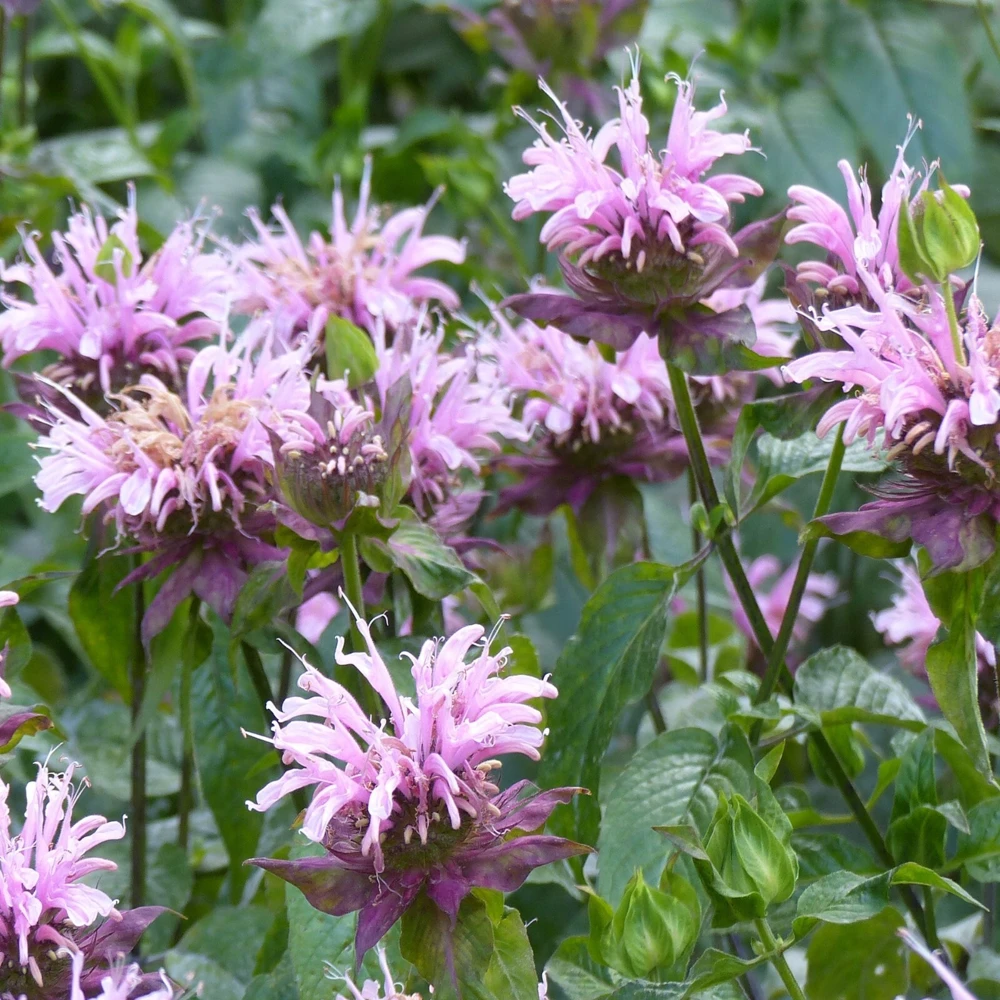
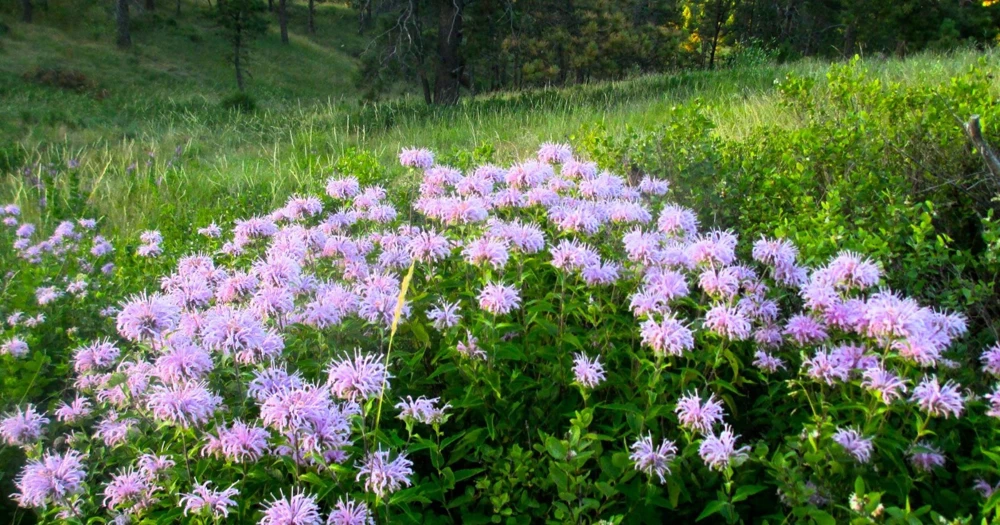
Wild Bergamot Seeds Monarda Fistulosa Bee Balm – Attracts Butterflies & Bees – Perennial
From 10.77 $
Plant wild bergamot seeds (Monarda Fistulosa) to create a vibrant garden that attracts essential pollinators. These perennial flower seeds produce beautiful violet blooms, perfect for outdoor landscapes and easy to grow.
Estimated arrival
Sep 18
Sep 23 - Sep 25
Sep 25 - Sep 30
See our Shipping Policy.
Get in touch with us via email, and our team will review your concerns.
Our Alive & Thrive Guarantee covers issues with your plants within the first 30 days. Read our Refund & Returns Policy.
-
USDA Hardiness Zone
Zones 2-9 -
Soil Type
Chalk, Clay, Loam, Sand; Well-draining -
Sunlight Exposure
Full Sun/Partial Shade -
Expected Planting Period
Spring, Fall
Overview
Introduce a burst of natural beauty and ecological support to your garden with wild bergamot seeds. Also widely known as Bee Balm, and scientifically as Monarda fistulosa, these seeds are your gateway to cultivating a stunning perennial flower that is as beneficial as it is beautiful. Wild Bergamot is celebrated for its striking violet flowers and its incredible ability to attract a diverse array of pollinators, including butterflies and bees, making it an essential addition to any pollinator-friendly garden. Growing Monarda fistulosa seeds from scratch allows you to witness the full life cycle of this remarkable plant, from seedling to vibrant bloom. This plant is not just a visual delight; it’s a hardy, low-maintenance species that thrives in a variety of conditions, making it an excellent choice for both experienced gardeners and enthusiastic beginners.
Our wild bergamot seeds are sourced to ensure robust growth and healthy plants, allowing you to establish a thriving patch of this native North American wildflower. The delicate, tubular flowers form in dense, globe-like clusters, providing a continuous show of color from summer through fall. Beyond its ornamental value, Bee Balm is also known for its aromatic foliage, which releases a pleasant minty fragrance when brushed or crushed. This dual appeal of visual beauty and aromatic charm makes wild bergamot seeds a highly sought-after choice for naturalizing areas, perennial borders, and herb gardens. Embrace the joy of gardening and contribute to local ecosystems by planting these incredible flower seeds.
Key Benefits
Planting wild bergamot seeds offers numerous advantages, transforming your garden into a lively and ecologically rich space. These benefits extend from aesthetic appeal to significant ecological contributions, making them a cornerstone for sustainable gardening.
- Attracts Pollinators: The vibrant violet flowers are a magnet for bees, butterflies, and hummingbirds, making it an ideal choice for a pollinator garden. This helps support local ecosystems and promotes biodiversity in your backyard.
- Low Maintenance & Hardy: Once established, Monarda fistulosa seeds grow into plants that are remarkably resilient and require minimal care. They are drought-tolerant and can withstand various environmental stresses, perfect for gardeners seeking ease.
- Extended Bloom Period: Enjoy beautiful, fragrant blooms from late spring through summer and into early fall, providing continuous color and nectar sources during crucial periods for pollinators.
- Aromatic Foliage: The leaves of Wild Bergamot emit a delightful minty scent, which can be enjoyed in the garden and even used for herbal teas or potpourri. This adds another sensory dimension to your outdoor space.
- Native Plant: As a native wildflower, wild bergamot seeds contribute to the natural landscape, supporting native wildlife and requiring less intervention than non-native species.
- Deer Resistant: Its strong aromatic foliage tends to deter deer, making it a good option for gardens in areas prone to deer browsing.
- Soil Improvement: These plants can help stabilize soil and prevent erosion, especially in naturalized areas or along slopes, contributing to overall garden health.
Plant Care & Growing Tips
Growing wild bergamot seeds is a rewarding experience, particularly due to their ease of cultivation and robust nature. To ensure successful germination and vigorous growth, understanding their preferred conditions is key. Wild Bergamot thrives in full sun to partial shade. For the most abundant blooms and healthiest plants, aim for at least six hours of direct sunlight per day. While it can tolerate some shade, too much will result in fewer flowers and a more leggy growth habit. These perennial flowers are adaptable to a range of soil types, including chalk, clay, loam, and sand, but they absolutely require well-draining soil. Poorly drained soil can lead to root rot, especially during wet periods. A neutral to slightly acidic soil pH, ideally between 6.0 and 8.0, is optimal for the growth of Monarda fistulosa seeds.
Watering requirements for Wild Bergamot are moderate. While establishing, keep the soil consistently moist but not waterlogged. Once mature, these plants are quite drought-tolerant and can handle drier conditions, though they will perform best with regular watering during prolonged dry spells. Fertilization is generally not necessary in rich soils, but if your soil is poor, a balanced, slow-release granular fertilizer applied in early spring can boost growth. Avoid over-fertilizing, as this can lead to excessive foliage growth at the expense of flowers. Wild bergamot seeds are hardy in USDA Zones 2-9, making them suitable for a vast range of climates across the United States. Deadheading spent flowers will encourage a longer blooming period and prevent self-seeding if desired. Dividing established clumps every 2-3 years in early spring or fall can help maintain plant vigor and prevent overcrowding, ensuring your perennial flower seeds continue to produce beautiful blooms year after year.
Size & Details
When you plant wild bergamot seeds, you can expect to cultivate a robust and attractive perennial plant that typically reaches a height of 2 to 4 feet (60-120 cm) with a similar spread. The growth habit is flowering and blooming, producing numerous upright stems topped with distinctive, shaggy flower heads. Each flower head is composed of many small, tubular, violet-colored florets, creating a vibrant display. The seeds are typically sown in early spring or fall, and while germination can vary, you can expect seedlings to emerge within a few weeks under optimal conditions. These plants are known for their relatively fast growth rate, establishing well within their first year and blooming profusely in subsequent years. The seeds are shipped as dried flower seeds, ready for planting.
Monarda fistulosa seeds are an excellent choice for creating naturalized areas, meadows, or adding a wild touch to cultivated garden beds. The plant’s features include being a prolific bloomer and a member of the mint family, contributing to its aromatic qualities. The cultivating difficulty is rated as easy, making it accessible for gardeners of all skill levels. You can expect your Wild Bergamot to provide interest throughout the fall, spring, and summer seasons, with its foliage providing structure even when not in bloom. The plants grown from these bee balm seeds are a testament to nature’s resilience and beauty, offering a lasting contribution to your garden’s aesthetic and ecological value.
Frequently Asked Questions
- Q: How big does this plant get? A: Wild Bergamot typically grows 2 to 4 feet (60-120 cm) tall and can spread a similar width, forming attractive clumps. It’s a medium-sized perennial that provides good vertical interest.
- Q: Is this an indoor or outdoor plant? A: Wild bergamot seeds are intended for outdoor cultivation. The plants thrive in garden beds, meadows, and naturalized areas, preferring full sun to partial shade.
- Q: How much sunlight does it need? A: For the best growth and most abundant blooms, Wild Bergamot requires at least 6 hours of direct sunlight per day. It can tolerate partial shade, but flowering may be reduced.
- Q: Is this plant easy to care for? A: Yes, Wild Bergamot is considered an easy-to-grow plant, suitable for beginners. Once established from Monarda fistulosa seeds, it is quite drought-tolerant and low maintenance.
- Q: What condition will it arrive in? A: You will receive a packet of high-quality wild bergamot seeds, ready for planting according to the included instructions.
- Q: How long until it blooms? A: If sown in spring, plants grown from bee balm seeds may produce some blooms in their first year, but they will flower more prolifically in their second year and beyond.
- Q: When is the best time to plant wild bergamot seeds? A: The best times to plant these seeds are in early spring after the last frost, or in the fall, allowing for natural stratification over winter.
- Q: Will it survive winter in my zone? A: Wild Bergamot is a hardy perennial, typically thriving in USDA Hardiness Zones 2-9, meaning it will reliably return year after year in most temperate climates.
- Q: What type of soil does Wild Bergamot prefer? A: It prefers well-draining soil and is adaptable to various types, including clay, loam, and sand, with a soil pH between 6.0 and 8.0. Good drainage is crucial.
- Q: Can I use the leaves for tea? A: Yes, the aromatic leaves of Wild Bergamot, also known as Bee Balm, are often used to make a pleasant herbal tea, similar to mint.
| Seed Amount | 1000 Seeds Or 1/2 Gram, 110K Seeds Or 2 Oz, 14K Seeds Or 1/4 Oz, 2000 Seeds Or 1 Gram, 220K Seeds Or 1/4 Lb, 4000 Seeds Or 2 Grams, 500 Seeds Or 1/4 Gram, 55K Seeds Or 1 Oz, 7000 Seeds Or 1/8 Oz |
|---|
Be the first to review “Wild Bergamot Seeds Monarda Fistulosa Bee Balm – Attracts Butterflies & Bees – Perennial”
Related products


Flower Seeds
Blue Stock Matthiola Incana Seeds – 50 Fragrant Gillyflower Seeds – Ten-Week Blue Stock


You May Like
5 Best Bulbs for Fall Planting: Brighten Your Garden This Spring
Are you dreaming of a garden full of vibrant colors in the spring? The key [...]
Aug
How to Repot Houseplants Like a Pro
Do your houseplants look like they’ve outgrown their pots? Are their roots popping out of [...]
Aug
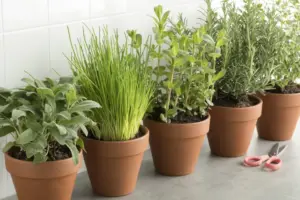
10 Houseplants That Will Thrive in Your Kitchen
Are you tired of your kitchen feeling dull and lifeless? Want to add a little [...]
Aug
Reviews
There are no reviews yet.