


Yellowhorn Tree Seeds – Xanthoceras Sorbifolium – 5 Seeds – Fragrant Flowers
Original price was: 32.99 $.12.99 $Current price is: 12.99 $.
Cultivate the stunning yellowhorn tree seeds (Xanthoceras Sorbifolium) in your garden. These seeds grow into resilient trees featuring fragrant white, yellow, and red flowers, offering vibrant golden fall foliage. Ideal for USDA Zones 4-7.
Estimated arrival
Sep 19
Sep 24 - Sep 26
Sep 26 - Oct 01
See our Shipping Policy.
Get in touch with us via email, and our team will review your concerns.
Our Alive & Thrive Guarantee covers issues with your plants within the first 30 days. Read our Refund & Returns Policy.
-
USDA Hardiness Zone
4-7 -
Soil Type
Average, well-draining soil -
Sunlight Exposure
Full sun - Part shade -
Expected Planting Period
Outdoors after frost / Indoors weeks before last frost
Overview
Discover the beauty of the yellowhorn tree seeds, scientifically known as Xanthoceras Sorbifolium. This unique tree, also commonly referred to as Goldenhorn, Raintree, or Chinese Flowering Chestnut, offers a spectacular display throughout the seasons. Starting from these high-quality seeds, you can cultivate a resilient and attractive deciduous tree that will become a focal point in any landscape. The Yellowhorn tree is celebrated for its striking early summer blooms, which emerge as delicate white flowers with a vibrant yellow center, gradually deepening to a rich red. Beyond its captivating blossoms, this tree provides a stunning golden-yellow foliage display in the autumn, adding warm hues to your garden. Ideal for gardeners looking to add a distinctive and hardy specimen, growing yellowhorn tree seeds is a rewarding experience that brings natural elegance and aromatic charm to your outdoor space.
The Xanthoceras Sorbifolium is native to northern China and is highly adaptable, making it a valuable addition to various climates within its hardiness zones. Its moderate size and attractive features make it suitable for both larger gardens as a specimen tree or in smaller settings where its beauty can be appreciated up close. These seeds offer an opportunity to grow a robust tree known for its drought tolerance once established, making it a sustainable choice for many landscapes. Embrace the journey of nurturing these seeds into a majestic tree that provides year-round interest and a touch of exotic flair.
Key Benefits
The yellowhorn tree seeds offer numerous advantages for any landscape, making them a superb choice for discerning gardeners. Cultivating these seeds allows you to enjoy a variety of benefits:
- Stunning Floral Display: Witness the enchanting transformation of white flowers with yellow centers that mature to a beautiful red. These fragrant blooms provide an early summer spectacle, attracting pollinators and delighting observers. The unique color progression of the flowers ensures continuous visual interest.
- Vibrant Fall Foliage: Beyond its flowers, the Xanthoceras Sorbifolium delivers a spectacular golden-yellow autumn foliage. This brilliant display adds significant seasonal color to your garden, creating a warm and inviting atmosphere as other plants begin to fade.
- Drought Tolerance: Once established, the Yellowhorn tree is remarkably drought-tolerant, making it a resilient choice for regions with dry summers or for gardeners seeking low-maintenance options. This characteristic reduces the need for frequent watering, conserving resources.
- Hardy and Adaptable: Thriving in USDA Hardiness Zones 4-7, this tree is well-suited to a wide range of climates, demonstrating excellent resistance to cold temperatures. Its adaptability ensures successful growth in diverse garden environments, making the yellowhorn tree seeds a reliable investment.
- Unique Specimen Tree: With its distinctive flowers, attractive foliage, and moderate size, the Chinese Flowering Chestnut stands out as an exceptional specimen tree. It creates a striking focal point in any garden design, providing architectural interest and natural beauty.
- Pollinator Friendly: The fragrant flowers are a magnet for bees and other beneficial pollinators, contributing to the biodiversity and health of your garden ecosystem. Planting these seeds helps support local pollinator populations.
- Edible Nuts: The tree produces edible nuts that resemble chestnuts, offering an interesting bonus for those looking to forage from their garden. These nuts can be a delightful treat when properly prepared.
Plant Care & Growing Tips
Successfully growing yellowhorn tree seeds requires attention to specific conditions to ensure robust growth and abundant blooms. These trees thrive in full sun to partial shade, ideally receiving at least 6 hours of direct sunlight daily for optimal flowering and fall color. While they can tolerate some shade, too much will reduce flower production. When planting your Xanthoceras Sorbifolium, choose a location with well-draining soil. These trees are not overly particular about soil type but prefer average conditions and do not tolerate consistently wet feet. Amend heavy clay soils with organic matter to improve drainage.
Watering is crucial during the establishment phase. Keep the soil consistently moist but not waterlogged for the first year after planting. Once established, the Yellowhorn tree is quite drought-tolerant and will only require supplemental watering during prolonged dry spells. Fertilization is generally not heavily needed; a balanced, slow-release fertilizer in early spring can support healthy growth, especially in poor soils. Avoid over-fertilizing, which can lead to excessive foliage at the expense of flowers. The ideal temperature range for the yellowhorn tree seeds is reflected in its hardiness for USDA Zones 4-7, meaning it can withstand cold winters and enjoys temperate summers. Protect young seedlings from extreme cold in their first year.
Pruning should be minimal, primarily to remove dead, damaged, or crossing branches to maintain a healthy structure. This can be done in late winter or early spring before new growth begins. Pests and diseases are generally not a major concern for the Chinese Flowering Chestnut, making it a relatively low-maintenance tree once established. Ensure good air circulation around the tree to prevent fungal issues. By providing these basic care requirements, your fragrant tree seeds will flourish into a beautiful and resilient specimen.
Size & Details
These yellowhorn tree seeds are supplied in a pack of 5, providing an excellent opportunity to grow multiple specimens or ensure successful germination. When mature, the Yellowhorn tree typically reaches a height of 10 to 20 feet with a similar spread of 15 to 20 feet, forming an attractive rounded canopy. Its moderate size makes it suitable for various garden settings, from smaller urban landscapes to larger estate gardens. The bloom time for these trees is generally from May to June, showcasing their distinctive white, yellow, and red flowers. The harvest period for the edible nuts occurs from September to October. These seeds are designed for planting outdoors after the last frost or can be started indoors several weeks before the last frost for an earlier start. The Xanthoceras Sorbifolium exhibits a moderate growth rate, gradually developing into a mature and stately tree over several years.
The hardiness of this tree, thriving in USDA Zones 4-7, indicates its ability to withstand significant temperature fluctuations, making it a robust choice for many regions. The seeds offer a cost-effective way to introduce this unique tree into your landscape, allowing you to witness its full life cycle from germination to its mature, flowering, and fruiting stages. Each seed holds the potential for a beautiful, long-lived tree that will enhance your garden for decades.
Frequently Asked Questions
- Q: How big does the Yellowhorn tree get? A: The yellowhorn tree seeds will grow into a tree typically reaching 10 to 20 feet in height and 15 to 20 feet in spread, forming a beautiful, rounded canopy at maturity.
- Q: Is this an indoor or outdoor plant? A: The Yellowhorn tree is an outdoor plant, best suited for planting in gardens and landscapes where it can receive adequate sunlight and space to grow. It is hardy in USDA Zones 4-7.
- Q: How much sunlight does it need? A: For optimal growth and flowering, the Xanthoceras Sorbifolium prefers full sun to partial shade, ideally receiving at least 6 hours of direct sunlight per day.
- Q: Is this tree easy to care for? A: Once established, the Yellowhorn tree is relatively low-maintenance, known for its drought tolerance and general resistance to pests and diseases. Initial care for seedlings is important for successful establishment.
- Q: What condition will the seeds arrive in? A: You will receive 5 high-quality, viable yellowhorn tree seeds, packaged to ensure their integrity during transit, ready for planting.
- Q: How long until the Yellowhorn tree blooms? A: The Yellowhorn tree typically begins to bloom within 3-5 years after planting from seed, with its characteristic white, yellow, and red flowers appearing from May to June.
- Q: What is the best time to plant these seeds? A: You can plant the fragrant tree seeds outdoors after the last frost in spring, or start them indoors several weeks before the last frost to get a head start on the growing season.
- Q: Will it survive winter in my zone? A: Yes, if you are in USDA Hardiness Zones 4-7, the Yellowhorn tree is well-adapted to survive cold winters. Young seedlings may benefit from some protection in their first winter.
- Q: What kind of soil does the Yellowhorn tree prefer? A: The Yellowhorn tree is adaptable to various soil types but thrives best in well-draining soil with average fertility. Amend heavy clay soils to improve drainage.
- Q: Are the nuts produced by the Yellowhorn tree edible? A: Yes, the Chinese Flowering Chestnut produces nuts that are edible and resemble small chestnuts. They can be harvested in the fall, typically from September to October.
Be the first to review “Yellowhorn Tree Seeds – Xanthoceras Sorbifolium – 5 Seeds – Fragrant Flowers”
Related products


You May Like

5 Best Bulbs for Fall Planting: Brighten Your Garden This Spring
Are you dreaming of a garden full of vibrant colors in the spring? The key [...]
Aug

How to Repot Houseplants Like a Pro
Do your houseplants look like they’ve outgrown their pots? Are their roots popping out of [...]
Aug
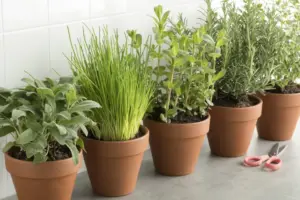
10 Houseplants That Will Thrive in Your Kitchen
Are you tired of your kitchen feeling dull and lifeless? Want to add a little [...]
Aug
Reviews
There are no reviews yet.