

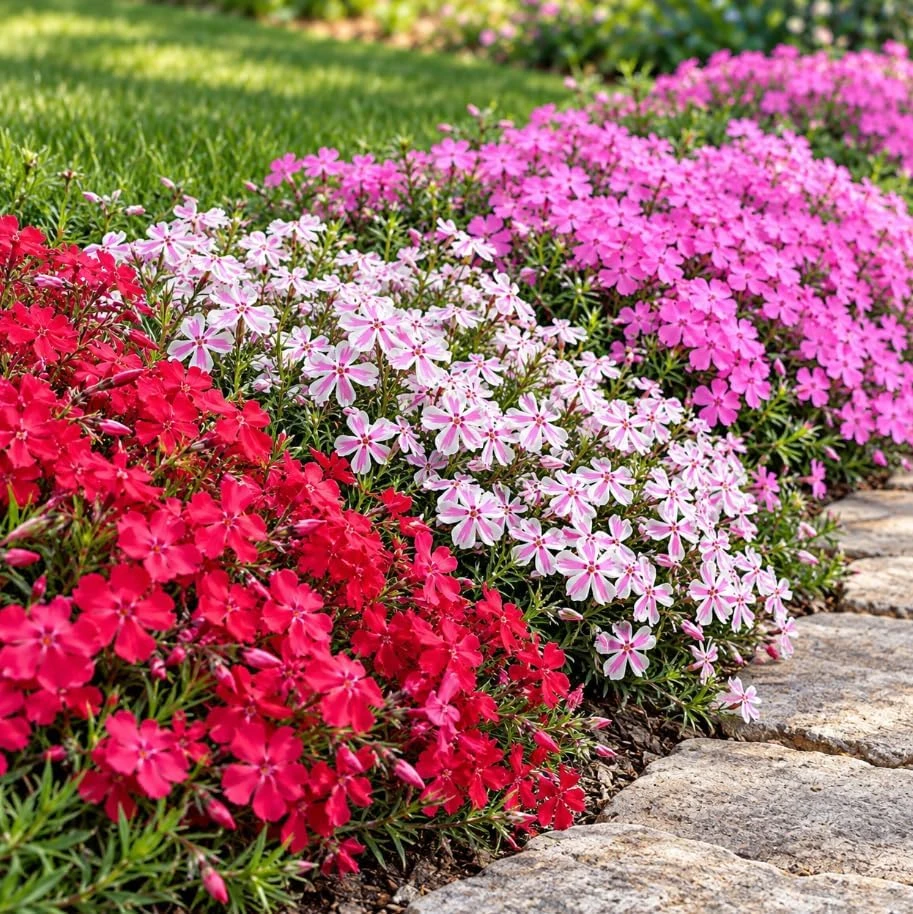
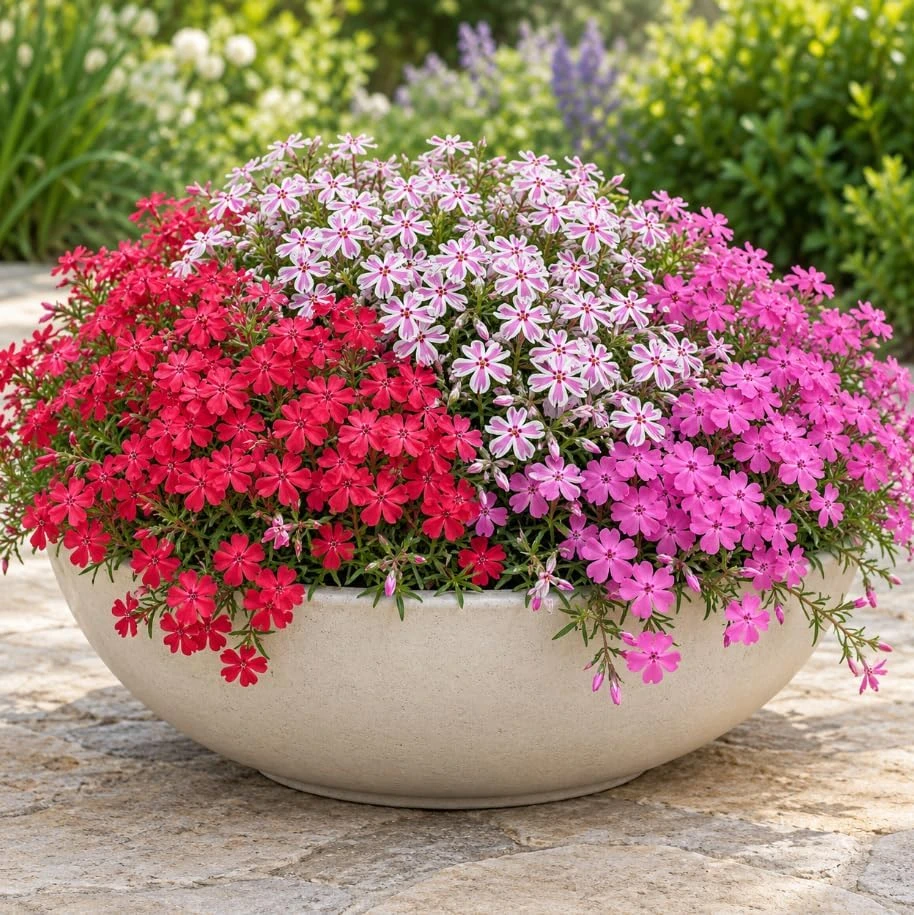
Set of 2 Creeping Phlox Live Plants, 4-8 Inches Tall, Spring Flowering Ground Cover, Outdoor Perennial
Original price was: 62.99 $.27.99 $Current price is: 27.99 $.
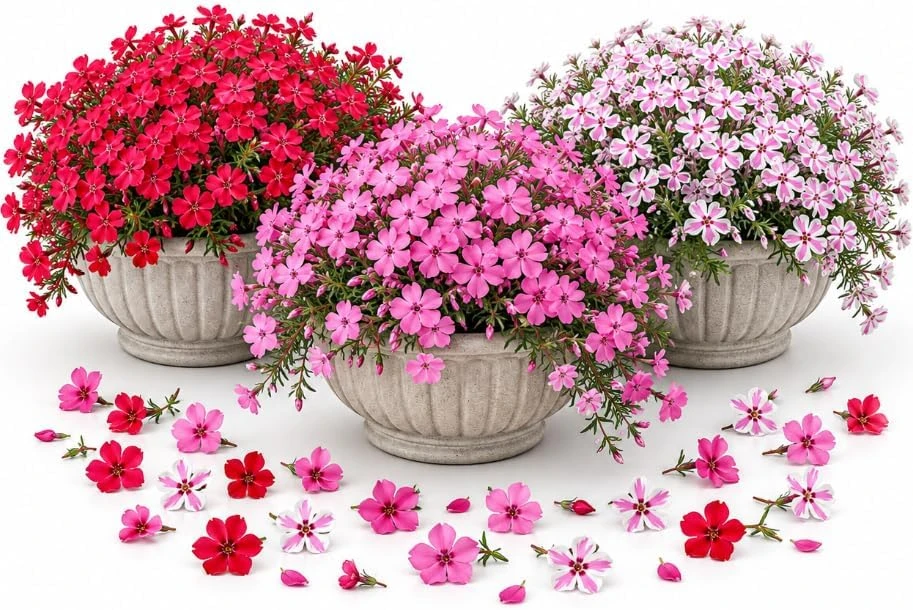
Add vibrant color and texture to your outdoor spaces with this set of 2 creeping phlox live plants. Perfect as a creeping phlox ground cover, these 4-8 inch tall perennials deliver stunning spring blooms and thrive in full sun.
Estimated arrival
Oct 15
Oct 20 - Oct 22
Oct 22 - Oct 27
See our Shipping Policy.
Get in touch with us via email, and our team will review your concerns.
Our Alive & Thrive Guarantee covers issues with your plants within the first 30 days. Read our Refund & Returns Policy.
-
USDA Hardiness Zone
USDA Zones 3-9 -
Soil Type
Well-draining soil -
Sunlight Exposure
Full sun -
Expected Planting Period
Spring to early fall
Overview
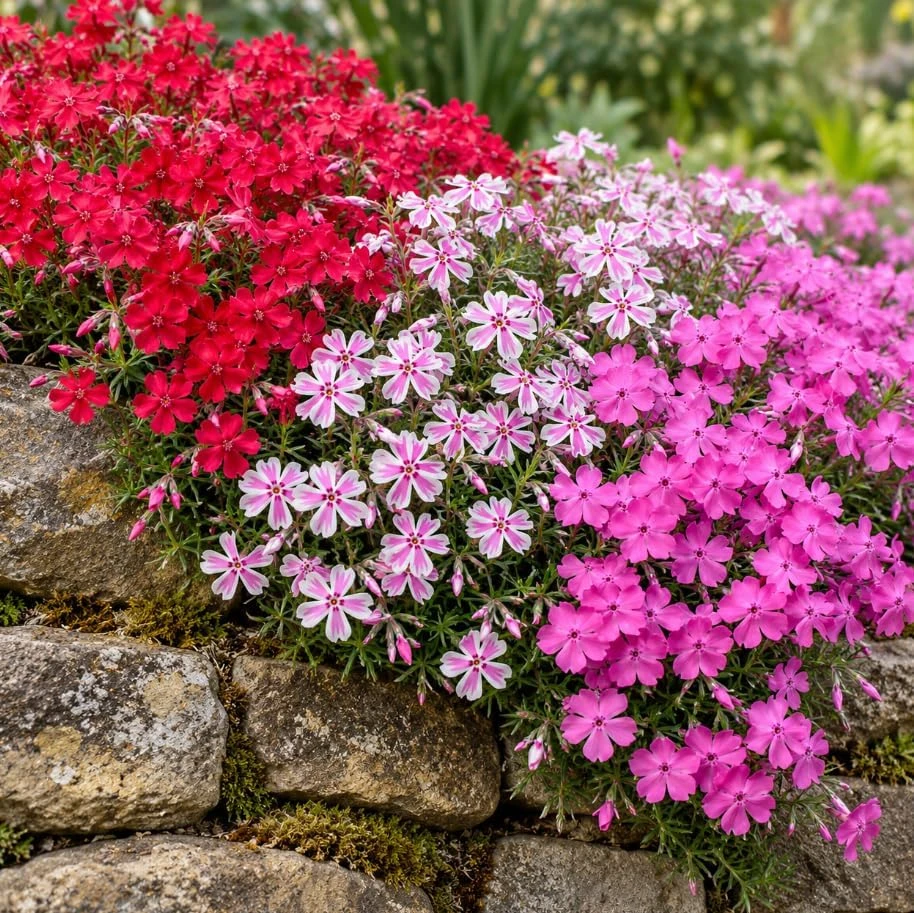
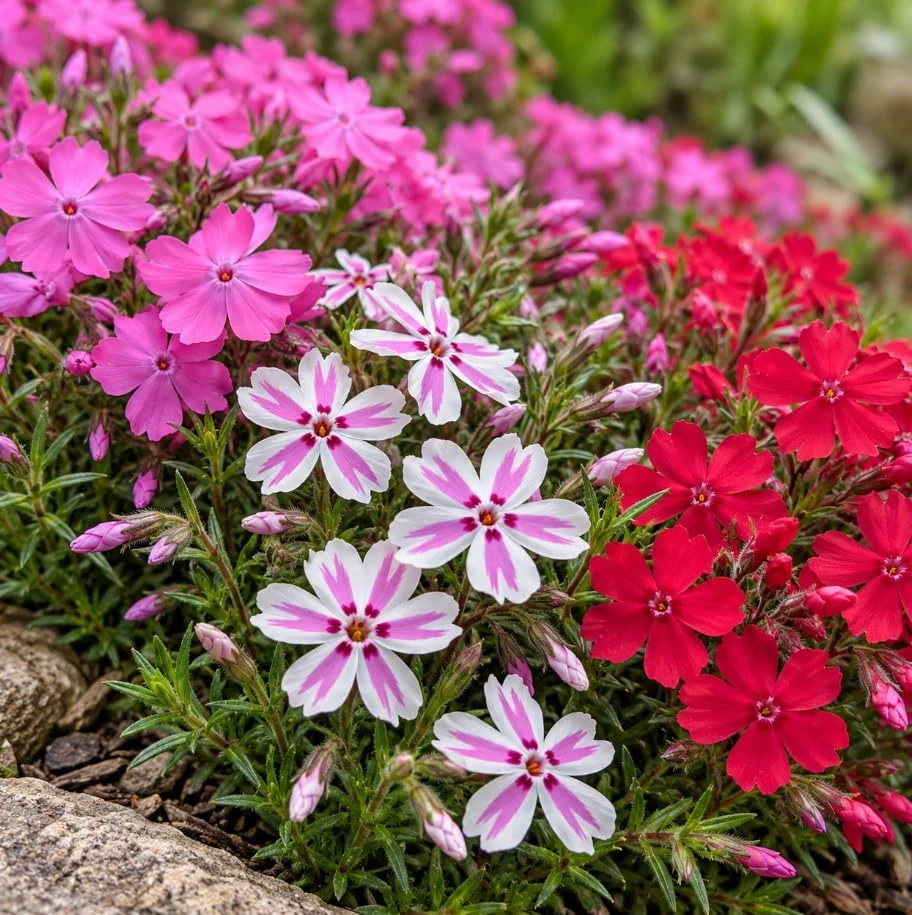
Transform your garden with this beautiful set of 2 creeping phlox live plants. Known botanically as Phlox subulata, these delightful perennials are celebrated for their dense, mat-forming habit and profusion of small, star-shaped flowers that burst forth in spring. Each plant arrives 4-8 inches tall, ready to establish quickly and provide an enchanting carpet of color. Ideal for various landscape applications, creeping phlox live plants are a fantastic choice for gardeners seeking low-maintenance yet high-impact ground cover. Their vigorous growth and dazzling display make them a popular selection for rock gardens, borders, and sloped areas, adding a vibrant touch where other plants might struggle.
These resilient plants are perfect for creating a lush, flowering carpet that suppresses weeds and enhances curb appeal. The random selection ensures a delightful surprise of colors, from shades of pink and purple to white and blue, offering a dynamic and evolving landscape. Whether you’re a seasoned gardener or just starting, these creeping phlox ground cover plants are an excellent addition, promising years of beauty with minimal fuss. Embrace the charm and simplicity of these stunning spring bloomers.
Key Benefits
Our creeping phlox live plants offer numerous advantages for any outdoor garden, providing both aesthetic appeal and practical benefits. They are an excellent choice for gardeners looking for reliable and beautiful landscape solutions.
- Spectacular Spring Blooms: Enjoy a breathtaking display of vibrant flowers in early spring, transforming your garden into a tapestry of color. These blooms are a welcome sight after winter, signaling the start of the growing season.
- Effective Ground Cover: As a dense, mat-forming plant, creeping phlox ground cover effectively suppresses weeds, reducing the need for constant weeding and maintenance in your flower beds and borders.
- Low Maintenance Perennial: Once established, these plants require minimal care, making them perfect for busy gardeners. They are drought-tolerant and generally resistant to pests and diseases, ensuring long-lasting beauty.
- Versatile Landscape Use: Suitable for a variety of settings including rock gardens, sloped areas, retaining walls, and pathway edges. Their cascading habit makes them ideal for softening hard landscape features.
- Attracts Pollinators: The abundant spring flowers are a magnet for bees and other beneficial pollinators, contributing to a healthier and more biodiverse garden ecosystem.
- Hardy and Resilient: These plants are incredibly tough, thriving in a wide range of conditions and suitable for USDA Zones 3-9, ensuring they return year after year.
- Adds Texture and Interest: Beyond their flowers, the needle-like foliage provides year-round texture and a green base, offering visual interest even when not in bloom.
Plant Care & Growing Tips
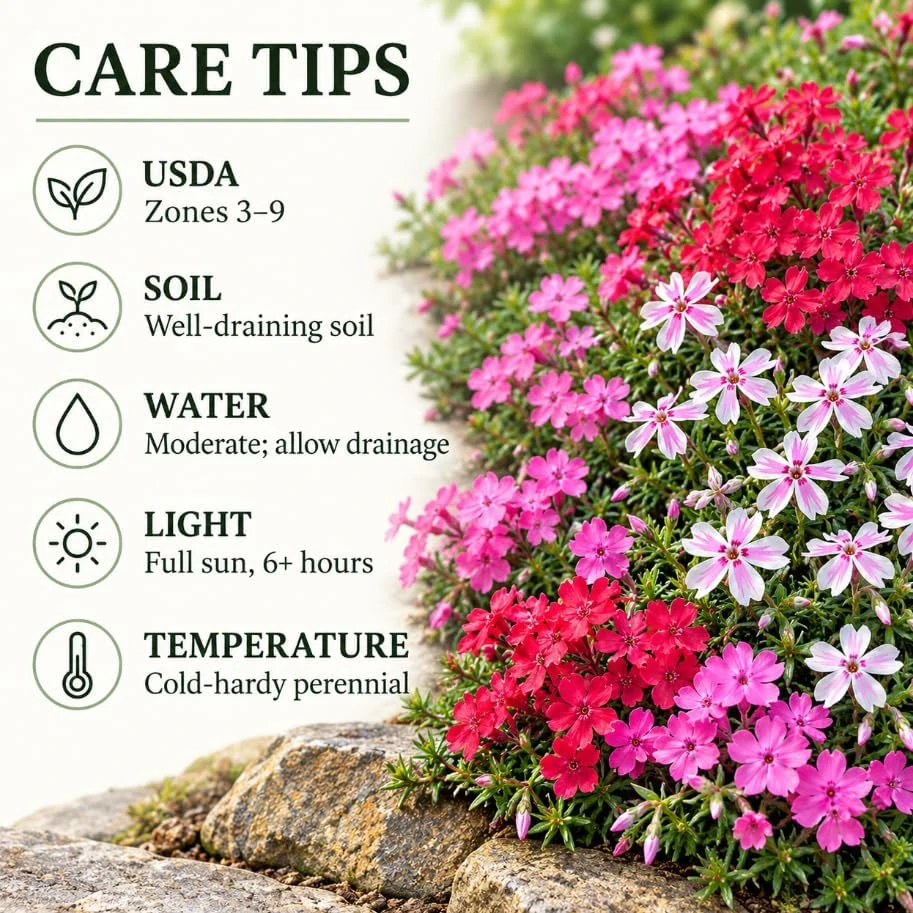
Caring for your creeping phlox live plants is straightforward, ensuring they flourish and provide a stunning display for years to come. These plants prefer a location with full sun, meaning at least six hours of direct sunlight per day. Adequate sunlight is crucial for maximizing bloom production and maintaining dense foliage. While they can tolerate partial shade, flowering may be less prolific. When planting, ensure the soil is well-draining, as soggy conditions can lead to root rot. A sandy or gravelly loam is ideal, but they can adapt to various soil types as long as drainage is good. Avoid heavy clay soils unless amended with organic matter to improve permeability.
Initial watering is important to help the plants establish their root systems. Water regularly after planting until you see new growth. Once established, creeping phlox ground cover is quite drought-tolerant and will only need watering during prolonged dry spells. Overwatering is a common mistake, so always check the soil moisture before watering again. Fertilization is generally not necessary in rich soil, but a light application of a balanced, slow-release granular fertilizer in early spring can boost growth and flowering. After the main spring bloom, a light trim can help maintain a tidy appearance and encourage a second, smaller flush of flowers. This also prevents the plant from becoming leggy. These low growing perennials are generally pest-free, but keep an eye out for common garden issues and address them promptly.
Understanding their hardiness is key to successful cultivation. Phlox subulata thrives in USDA Zones 3-9, making them suitable for a vast majority of climates. In colder zones, the foliage may die back in winter, while in milder climates, it often remains evergreen. Providing a light layer of mulch in late fall can offer extra protection in harsh winters. With proper care, your spring flowering plants will become a vibrant and enduring feature of your landscape.
Size & Details
This offering includes a set of 2 creeping phlox live plants, each measuring approximately 4-8 inches in height upon arrival. These young, healthy plants are grown to ensure successful transplantation and quick establishment in your garden. Creeping phlox is known for its relatively fast growth rate, quickly forming a dense mat that spreads across the ground. Expect these plants to spread outwards, eventually covering an area of 1-2 feet wide per plant, depending on growing conditions and available space. They are shipped in their nursery pots, with roots intact and soil around them, ready for immediate planting upon arrival. The mature height of this creeping phlox ground cover typically ranges from 4 to 6 inches, creating a low-profile yet impactful display.
These plants are perennial, meaning they will return year after year, providing continuous beauty with minimal effort. Their peak bloom time is in spring, typically from April to May, offering a spectacular show of color. The foliage provides attractive greenery throughout the rest of the growing season. The specific color of the flowers will be a random selection from popular varieties, ensuring a delightful surprise and a unique garden aesthetic. These low growing perennials are an excellent investment for long-term garden enjoyment.
Frequently Asked Questions
- Q: How big do these creeping phlox live plants get? A: Each plant typically arrives 4-8 inches tall. At maturity, they will generally reach a height of 4-6 inches and spread 1-2 feet wide, forming a dense mat.
- Q: Is this an indoor or outdoor plant? A: Creeping phlox is an outdoor perennial plant, best suited for garden beds, borders, rock gardens, and outdoor containers where it can receive ample sunlight.
- Q: How much sunlight does phlox subulata need? A: These plants thrive in full sun, requiring at least 6 hours of direct sunlight per day to produce the most abundant blooms. They can tolerate partial shade but may flower less.
- Q: Is this plant easy to care for? A: Yes, creeping phlox ground cover is considered very easy to care for. Once established, it is drought-tolerant and requires minimal maintenance, making it perfect for beginners and experienced gardeners alike.
- Q: What condition will the plants arrive in? A: Your plants will arrive healthy and well-rooted in their nursery pots, carefully packaged to ensure safe transit and readiness for planting.
- Q: How long until these spring flowering plants bloom? A: If planted in early spring, they may bloom in their first year. Established plants will reliably bloom each spring, typically from April to May, showcasing their vibrant flowers.
- Q: Will low growing perennials like this survive winter in my zone? A: Yes, creeping phlox live plants are hardy in USDA Zones 3-9, meaning they are well-equipped to survive winter in most temperate climates and return each spring.
- Q: What kind of soil does creeping phlox ground cover prefer? A: They prefer well-draining soil, ideally a sandy or gravelly loam. Good drainage is crucial to prevent root issues.
- Q: Can I grow these in containers? A: Yes, creeping phlox can be grown successfully in outdoor containers, especially in hanging baskets or pots where their cascading habit can be showcased. Ensure containers have good drainage.
- Q: What is the best time to plant phlox subulata? A: The best time to plant creeping phlox is in spring or early fall, allowing the roots to establish before extreme summer heat or winter cold.
Be the first to review “Set of 2 Creeping Phlox Live Plants, 4-8 Inches Tall, Spring Flowering Ground Cover, Outdoor Perennial”
Related products


You May Like

Hardneck vs. Softneck Garlic: Which Should You Grow?
Have you ever stood in front of a seed catalog in mid-September, staring at dozens [...]
Oct

When to Plant Music Garlic: Ultimate US Fall Guide
Have you ever spent your fall weekend placing carefully chosen garlic cloves into rich, dark [...]
1 Comment
Oct

5 Best Bulbs for Fall Planting: Brighten Your Garden This Spring
Are you dreaming of a garden full of vibrant colors in the spring? The key [...]
Aug

10 Houseplants That Will Thrive in Your Kitchen
Are you tired of your kitchen feeling dull and lifeless? Want to add a little [...]
1 Comment
Aug
Reviews
There are no reviews yet.