
Guide
When to Plant Music Garlic: Ultimate US Fall Guide
Oct
Have you ever spent your fall weekend placing carefully chosen garlic cloves into rich, dark soil, only to end up with tiny, disappointing heads come midsummer? Or maybe you are standing in your backyard with a bag of prime Music seed garlic right now, looking at the changing autumn leaves, wondering if it is too early or already too late to plant?
Getting the timing right for planting hardneck garlic can feel like trying to hit a moving target. Plant too early during an unusually warm October, and your garlic sprouts tender green leaves above ground that freeze and wither when winter hits. Plant too late after the soil locks up solid, and your cloves sit frozen without forming the strong root system needed to launch giant spring growth.
Music garlic (Allium sativum var. ophioscorodon) is arguably the crown jewel of porcelain hardneck varieties. It is famous across the United States for its high cold hardiness, easy-to-peel papery skins, and massive, fiery-sweet cloves. But even the best seed stock will struggle if it goes into the bed at the wrong moment.
Let us break down the exact planting schedule by USDA hardiness zones, look at simple soil checks, and walk through a step-by-step planting process so you can enjoy your biggest harvest yet next summer.
Why Timing Matters for Planting Music Garlic in the Fall
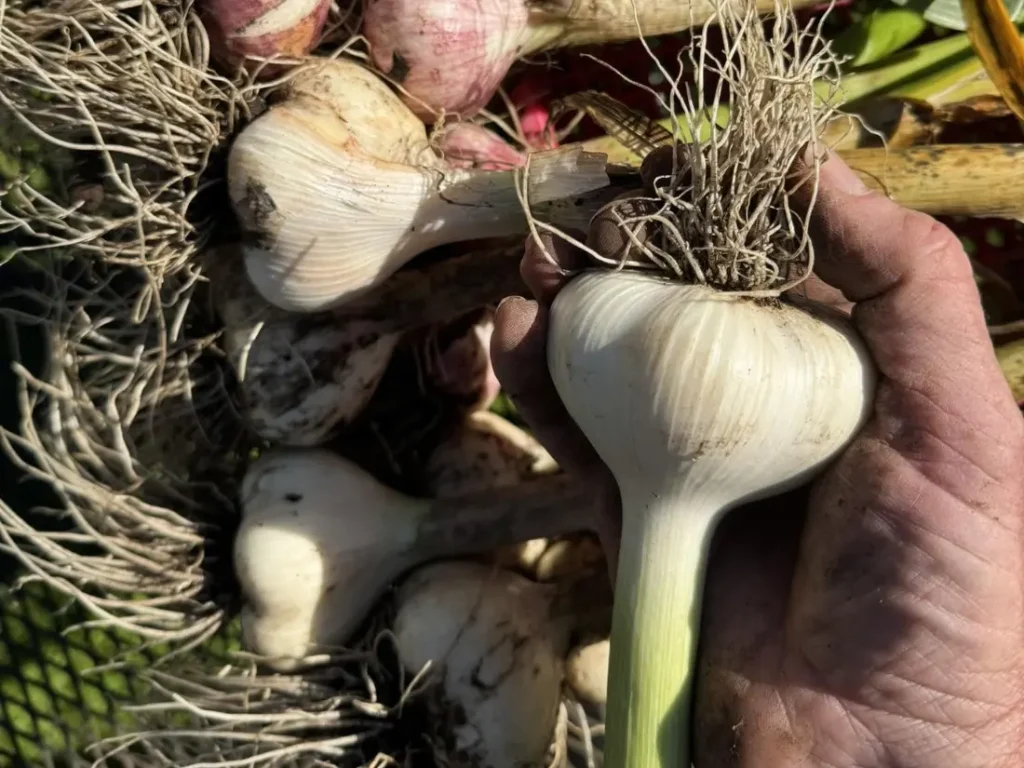
Music garlic is a hardneck variety, which means its growth cycle is entirely different from the softneck garlic you often see piled in supermarket bins. Hardneck types require a specific cold period known as vernalization to trigger bulb division. Without a solid winter chill, a clove simply grows into a single large round bulb rather than splitting into a beautiful head of six to eight plump cloves.
The primary goal of fall planting is root development, not top growth. You want your seed cloves to wake up in the cool earth, anchor themselves securely, and build a dense root web beneath the surface before the ground freezes solid. When spring warmth arrives, those well-rooted cloves burst out of the ground early, giving them a massive head start before summer heat signals the plant to stop growing leaves and start forming bulbs.
Best Time to Plant Music Garlic by USDA Hardiness Zone
The single biggest mistake gardeners make is following a strict calendar date found on the internet. A gardener in upstate New York needs to plant weeks ahead of someone in coastal Virginia. Your local freeze patterns and USDA Hardiness Zone are your true guides.
Cold Climate Zones: Zones 3 to 5
-
Regions: Northern Plains, Upper Midwest, New England, Mountain West.
-
Target Window: Late September through mid-October.
-
The Goal: Get your cloves into the ground four to six weeks before your area experiences a true hard freeze where the top inch of soil stays frozen solid day and night.
Moderate Climate Zones: Zones 6 to 7
-
Regions: Mid-Atlantic, Ohio Valley, Pacific Northwest, parts of the Southwest.
-
Target Window: Mid-October through early November.
-
The Goal: Wait out late Indian summer heatwaves. Planting during an unseasonably hot October encourages the clove to push leafy green shoots high above the soil line, wasting valuable nutrient stores.
Warm Climate Zones: Zones 8 to 9
-
Regions: Deep South, Gulf Coast, Southern California.
-
Target Window: Late November through December.
-
The Goal: Music garlic loves cold weather, so southern gardeners face a unique challenge. In these zones, you should artificially satisfy the chilling requirement by storing your seed garlic cloves in a paper bag inside your refrigerator for 8 to 12 weeks before planting them in late autumn.
Key Environmental Indicators
Instead of guessing based on the date, rely on two easy environmental tests right in your own yard.
The Ideal Soil Temperature Range
Garlic roots grow most actively when soil temperatures range between 40°F and 50°F (10°C).
Purchase a basic stainless-steel soil thermometer and push it 4 inches deep into your garden bed around mid-morning. When the temperature consistently hovers around 50°F, it is time to plant. If the soil is still sitting above 60°F, keep your seed stock in a cool, dark pantry for a bit longer.
Calculating Your First Hard Frost Date
Check your local weather extension data for the average date of your first hard freeze (defined as air temperatures dropping below 28°F for several consecutive hours). Count backward four to six weeks from that date. This window provides the perfect sweet spot for roots to anchor without forcing unwanted green leaves to shoot up into freezing winter air.
How to Plant Music Garlic in Fall
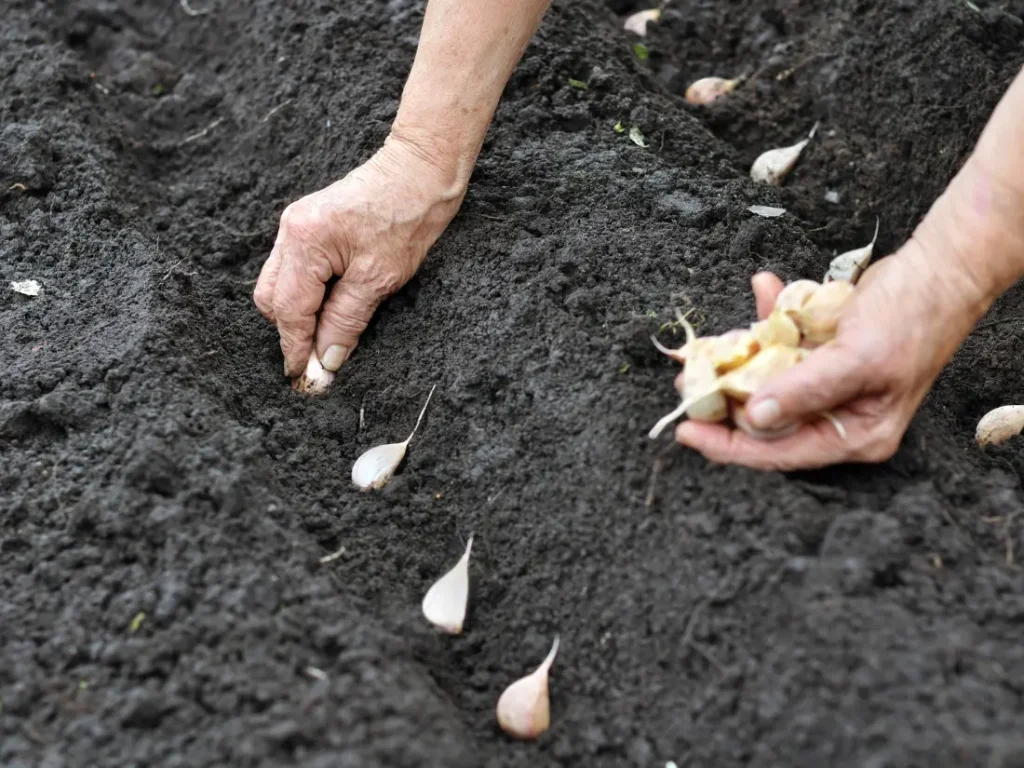
Once your timing and soil temperatures align, follow these essential steps to set your garden up for success.
Step 1: Prepare Your Seed Cloves
Never use garlic bought from a standard grocery store produce aisle. Those bulbs are often treated with anti-sprouting agents or may harbor soil-borne diseases that can contaminate your garden for years. Always purchase certified disease-free seed garlic from reputable growers.
Break the heads apart into individual cloves right before planting—ideally within 24 to 48 hours. Keep the papery wrapper skin on each clove intact, as it protects against fungal rots in damp autumn soil. Select the largest, plumpest cloves for planting, and save the tiny center cloves for kitchen cooking.
Step 2: Soil Preparation, Depth, and Spacing
Music garlic demands loose, well-draining soil rich in organic matter. Wet, heavy clay causes winter clove rot faster than almost anything else. Work plenty of aged compost or well-rotted manure into your garden beds to improve drainage and soil structure. Aim for a slightly acidic to neutral soil pH between 6.0 and 7.0.
-
Planting Depth: Dig narrow holes or a trench 2 to 3 inches deep.
-
Orientation: Place each clove flat-bottom side down, with the pointed tip pointing straight up toward the sky.
-
Spacing: Space cloves 6 inches apart within the row, with rows separated by 12 inches. This gives the massive Porcelain heads plenty of elbow room to expand.
Step 3: Mulching for Winter Protection
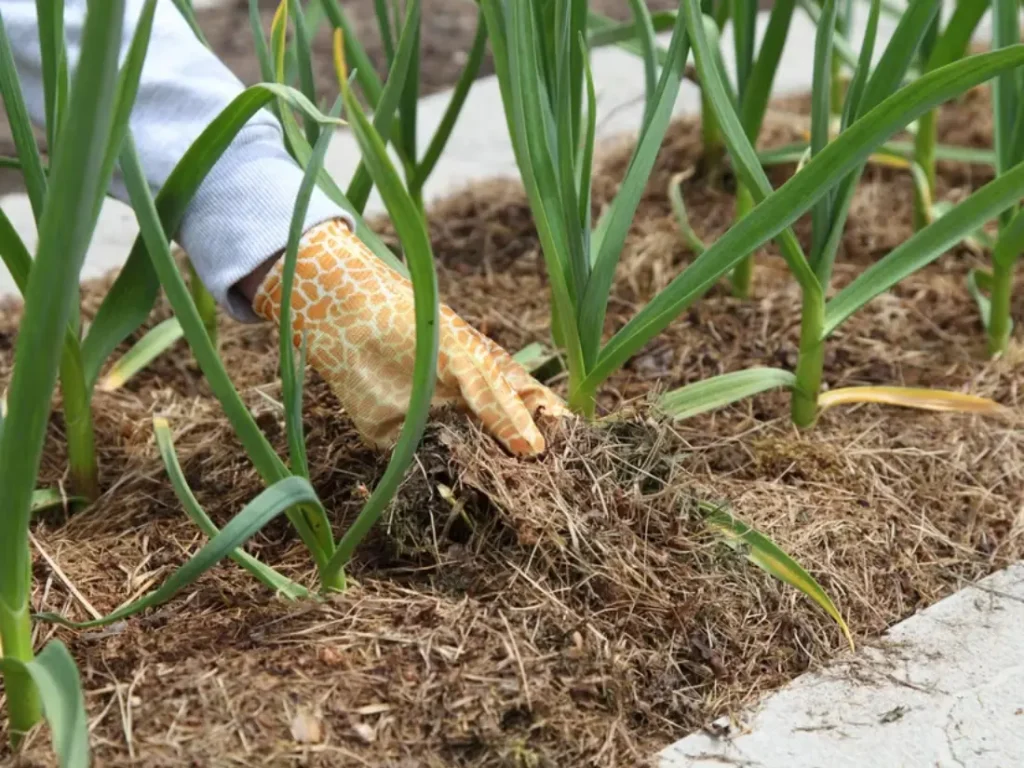
After placing your cloves and gently firming the soil over them, apply a thick protective blanket of mulch. Lay down 3 to 4 inches of clean wheat straw, shredded leaves, or clean seed-free salt hay.
Mulch serves three vital functions:
-
It insulates the soil against rapid freeze-thaw cycles that push cloves out of the ground (known as frost-heaving).
-
It retains moisture through dry winter winds.
-
It suppresses early spring weeds that compete with young garlic shoots for nitrogen.
Common Fall Garlic Planting Mistakes to Avoid
Even seasoned home gardeners fall into a few common traps when autumn arrives:
-
Planting Too Early: High temperatures trick the clove into growing green leaves above the mulch line. While minor leafy growth usually survives winter under snow cover, excessive top growth weakens the bulb’s reserves.
-
Planting Too Late: If the ground freezes before roots form, the clove sits dormant and vulnerable. Severe freezes can crack unrooted cloves, opening them to soil fungi.
-
Overwatering in Fall: Give your newly planted garlic bed a deep watering immediately after planting to settle the soil around the roots. After that initial soaking, let natural fall rain handle the rest. Excessively wet soil leads directly to rot.
Frequently Asked Questions (FAQs)
What happens if I plant Music garlic too late in the fall?
If your schedule gets busy and winter hits early, plant your garlic anyway as long as you can sink a trowel into the dirt. Even if the cloves do not form roots before the ground freezes, they will sleep through winter and start growing the moment the soil thaws in spring. Your final harvest yield might be slightly smaller, but a late crop is far better than letting good seed cloves go to waste.
How late can you plant Music garlic before the ground freezes?
You can plant right up until the top layer of soil forms a hard crust. If a light frost settles over the yard at night but thaws by afternoon, the soil is still warm enough for planting.
Should I water Music garlic after planting in the fall?
Yes. Give the bed a thorough soaking right after planting and mulching to eliminate air pockets around the cloves and activate root growth. Unless your autumn is unusually dry, rainfall is usually sufficient for the rest of the season.
Can I plant store-bought Music garlic from the grocery store?
It is not recommended. Grocery store garlic is often treated with growth inhibitors to extend shelf life and may carry unseen diseases like white rot or garlic bloat nematodes. Buying certified disease-free seed stock ensures healthy soil and a big harvest.
Conclusion
Timing your fall garlic planting correctly sets the foundation for a rewarding summer harvest. By matching your planting schedule to your local USDA zone, waiting for soil temperatures to drop near 50°F, and providing a thick layer of insulating straw mulch, you set your Music garlic up for exceptional growth.
Take a look at your local forecast this week, measure your soil temperature, and get your raised beds prepped. Once your cloves are tucked beneath their winter mulch, you can sit back and let nature do the heavy lifting all winter long.
To learn more about optimizing your garden, explore our detailed guides on selecting organic fertilizers for spring garlic growth and building raised garden beds for root crops.

Pingback: Hardneck vs. Softneck Garlic: Which Should You Grow? - Garden Plant - Best Online Plant Store