

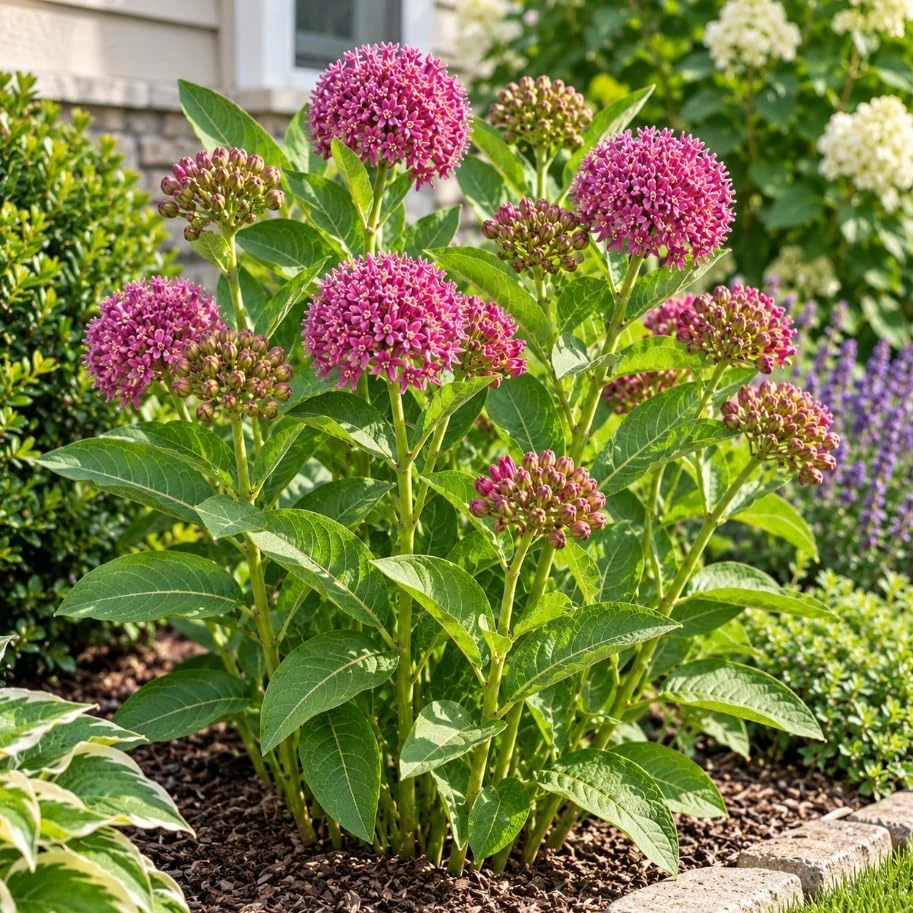
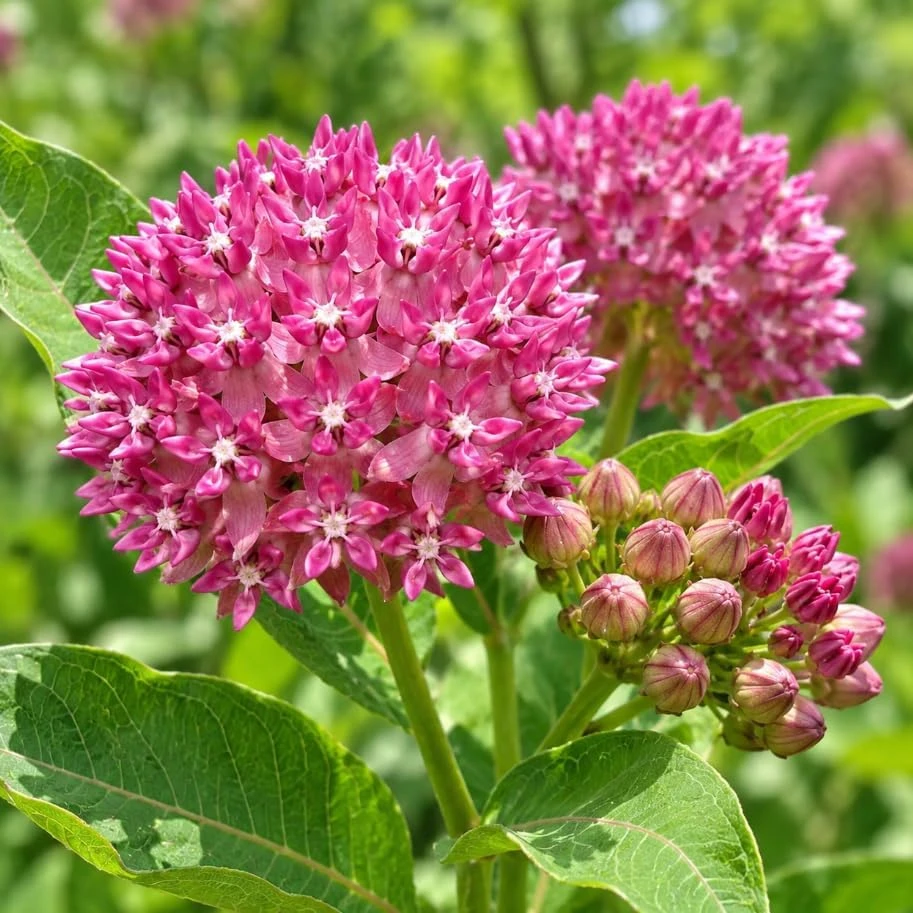
Purple Milkweed Live Plant 4-6 Inches Tall – Outdoor Flowering Asclepias
Original price was: 46.99 $.11.99 $Current price is: 11.99 $.
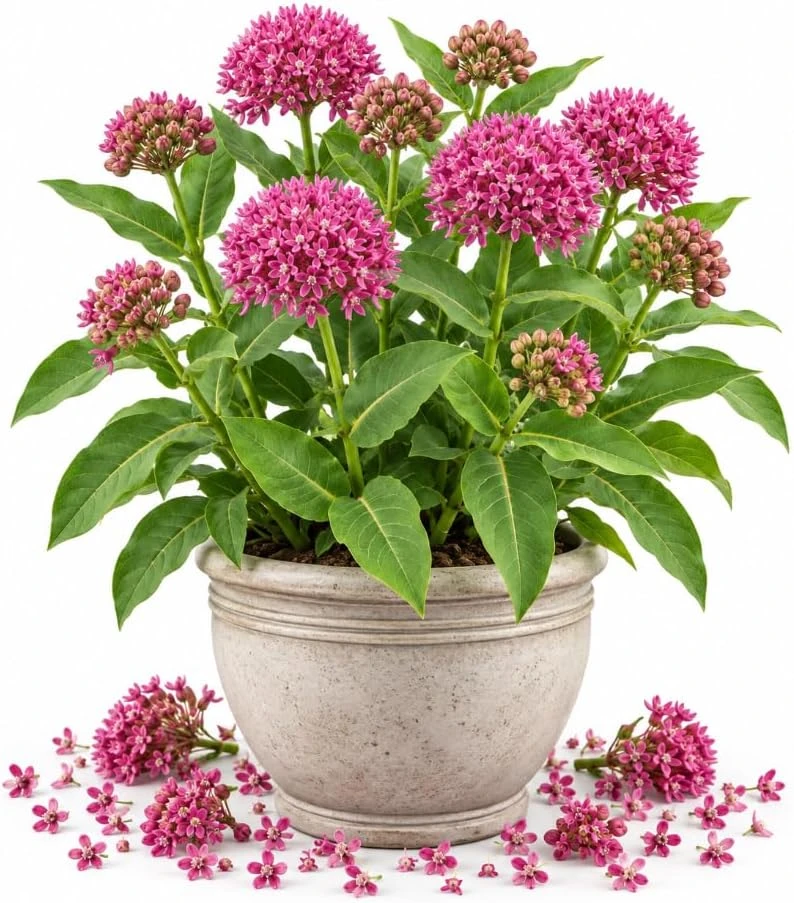
Bring vibrant color to your outdoor spaces with this purple milkweed live plant, standing 4-6 inches tall. This beautiful asclepias flowering plant is perfect for attracting pollinators and thrives in garden beds and borders.
Estimated arrival
Oct 15
Oct 20 - Oct 22
Oct 22 - Oct 27
See our Shipping Policy.
Get in touch with us via email, and our team will review your concerns.
Our Alive & Thrive Guarantee covers issues with your plants within the first 30 days. Read our Refund & Returns Policy.
-
USDA Hardiness Zone
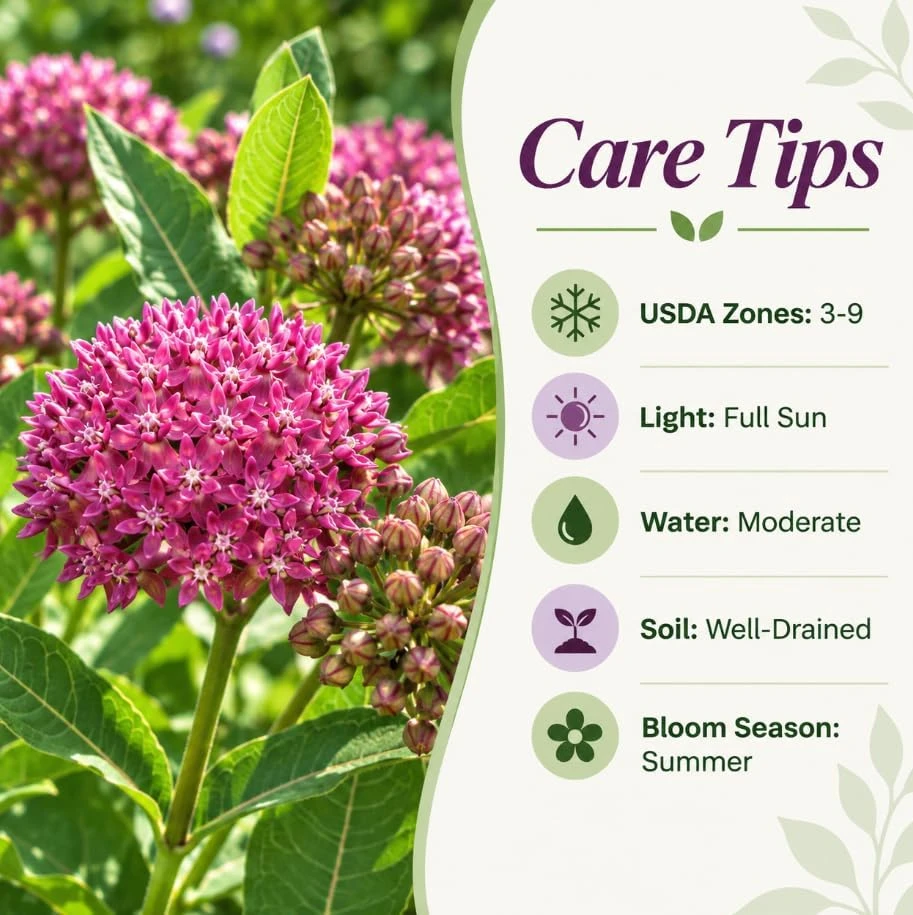
USDA zones 3-9 -
Soil Type
Well-draining, sandy or loamy soil -
Sunlight Exposure
Full sun -
Expected Planting Period
Spring to early summer
Overview
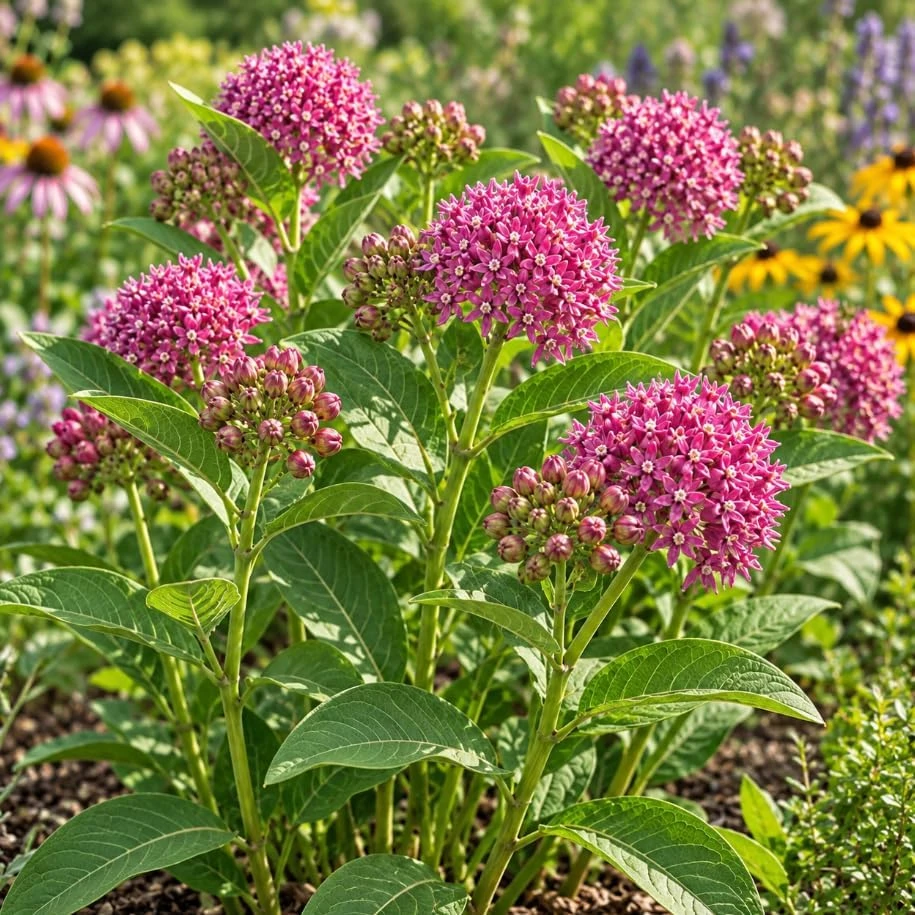
Transform your garden into a pollinator’s paradise with our stunning purple milkweed live plant. Each plant arrives approximately 4-6 inches tall, ready to be established in your outdoor landscape. Known scientifically as Asclepias purpurascens, this native North American perennial is cherished for its deep purple flower clusters that bloom throughout the summer, adding a magnificent splash of color to any setting. Unlike common milkweed, purple milkweed live plant offers a more refined appearance with its rich hues and sturdy growth habit, making it a favorite among gardeners seeking both beauty and ecological benefit. These plants are not just ornamental; they are vital host plants for monarch butterfly caterpillars and a significant nectar source for adult butterflies and other beneficial insects, contributing significantly to local biodiversity.
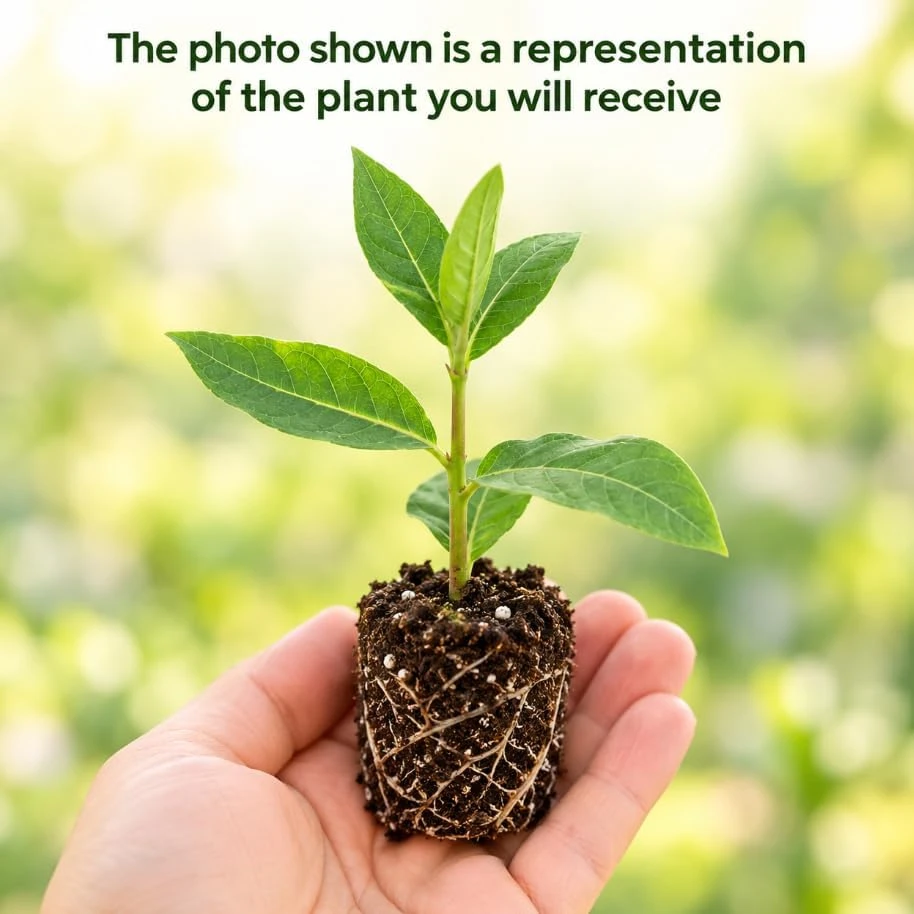
Our purple milkweed live plant specimens are carefully cultivated to ensure they are healthy and robust upon arrival, prepared to thrive in their new environment. These young plants, typically 4-6 inches tall, are at an ideal stage for transplanting, allowing them to acclimate quickly and develop strong root systems. As they mature, they will produce abundant flower clusters, creating a breathtaking display and supporting a thriving ecosystem right in your backyard. Whether you’re an experienced gardener or just starting, incorporating purple milkweed live plant into your outdoor space is a rewarding endeavor that offers both aesthetic pleasure and environmental stewardship.
Key Benefits
Introducing a purple milkweed live plant into your garden brings a multitude of advantages, enhancing both the beauty and ecological health of your outdoor space. These vibrant perennials are much more than just pretty flowers; they are cornerstones of a healthy garden ecosystem.
- Pollinator Magnet: The rich purple flowers are irresistible to a wide array of pollinators, including monarch butterflies, bees, and other beneficial insects, making your garden a lively hub of activity. This crucial role in supporting pollinators is a key benefit of growing an asclepias flowering plant.
- Monarch Butterfly Host Plant: This specific species of milkweed is essential for the life cycle of monarch butterflies. Female monarchs lay their eggs exclusively on milkweed, and the caterpillars feed on the leaves, making it a critical resource for their survival.
- Stunning Seasonal Color: Enjoy clusters of deep purple flowers that provide a vibrant and long-lasting display from late spring through summer, adding dramatic visual appeal to your flower beds and borders.
- Low Maintenance: Once established, purple milkweed live plant is relatively drought-tolerant and requires minimal care, making it an excellent choice for busy gardeners. Its robust nature means less fuss and more enjoyment.
- Native Plant Advantage: As a native species, it is well-adapted to local climates and soils, requiring fewer inputs and offering better resistance to local pests and diseases compared to non-native alternatives.
- Deer Resistant: The sap of milkweed plants contains compounds that make them unpalatable to deer, providing a natural deterrent and protecting your garden from browsing damage.
- Erosion Control: Its strong root system helps stabilize soil, making it a good choice for slopes or areas prone to erosion, further contributing to the health of your landscape.
Plant Care & Growing Tips
Caring for your purple milkweed live plant is straightforward, ensuring it thrives and produces a spectacular display of flowers. This resilient asclepias flowering plant prefers specific conditions to reach its full potential. For optimal growth, plant your milkweed in a location that receives full sun, meaning at least six hours of direct sunlight per day. Adequate sunlight is crucial for robust flowering and overall plant health. While it can tolerate some partial shade, flowering may be less prolific. Ensure the chosen site has good air circulation to prevent fungal issues, which are rare but can occur in humid, stagnant conditions.
The ideal soil for purple milkweed live plant is well-draining, sandy or loamy soil. It is adaptable to various soil types but absolutely requires good drainage to prevent root rot. If your soil is heavy clay, consider amending it with organic matter and sand to improve drainage. Water regularly during the first growing season to help the plants establish a strong root system. Once established, purple milkweed is quite drought-tolerant and will generally only need supplemental watering during extended dry periods. Avoid overwatering, as this can be more detrimental than underwatering. The USDA hardiness zones for this plant typically range from 3 to 9, indicating its ability to withstand cold winters and hot summers across a broad geographical area.
Fertilization is generally not necessary for established outdoor milkweed plant specimens, especially if planted in fertile soil. If your soil is poor, a light application of a balanced, slow-release granular fertilizer in early spring can be beneficial. Deadheading spent flower clusters can encourage more blooms and prevent self-seeding if you wish to control its spread. In late fall or early spring, you can cut back the dead stalks to ground level. Watch out for common milkweed pests like aphids; a strong spray of water or insecticidal soap can typically manage them. By following these simple care guidelines, your purple milkweed care routine will ensure a flourishing, pollinator-friendly garden.
Size & Details
Each order includes a healthy purple milkweed live plant, typically measuring between 4-6 inches in height from the base of the soil to the tip of the foliage. These plants are shipped in a nursery pot, ensuring their root systems are intact and protected during transit, ready for immediate transplanting into your garden. While the initial height is modest, these perennials are fast growers and will quickly establish themselves, reaching a mature height of 2-4 feet and a similar spread within a few seasons. The growth rate is moderate, allowing you to observe its development as it progresses from a young plant to a robust, flowering specimen.
The plant form is upright and clumping, creating a sturdy presence in the garden. Expect the characteristic deep purple flower clusters to emerge from late spring through summer, providing a long season of color and attracting numerous pollinators. These plants are designed for outdoor cultivation and are ideal for integrating into naturalized areas, perennial borders, or dedicated pollinator gardens. The robust nature of this asclepias flowering plant ensures it will be a long-lasting and impactful addition to your landscape.
Frequently Asked Questions
- Q: How big does this plant get? A: Your purple milkweed live plant will arrive 4-6 inches tall, but it can grow to a mature height of 2-4 feet with a similar spread. It establishes quickly and reaches its full size within a few growing seasons.
- Q: Is this an indoor or outdoor plant? A: This purple milkweed live plant is specifically an outdoor perennial. It thrives in full sun conditions and is well-suited for garden beds, borders, and naturalized areas.
- Q: How much sunlight does it need? A: For optimal growth and flowering, the purple milkweed live plant requires full sun, meaning at least six hours of direct sunlight per day. It can tolerate some partial shade, but flowering may be reduced.
- Q: Is this plant easy to care for? A: Yes, once established, purple milkweed care is relatively easy. It’s drought-tolerant and requires minimal maintenance, making it a great choice for both novice and experienced gardeners.
- Q: What condition will it arrive in? A: Your plant will arrive healthy and well-rooted in a nursery pot, typically 4-6 inches tall, ready for transplanting into your garden. We take care to ensure safe and secure shipping.
- Q: How long until it blooms? A: Depending on the planting time and climate, your purple milkweed live plant may bloom in its first year, but more prolific flowering is generally observed in its second year and beyond as it matures. Blooms typically appear from late spring through summer.
- Q: Will it survive winter in my zone? A: Purple milkweed live plant is a hardy perennial suitable for USDA zones 3-9. It will die back to the ground in winter and re-emerge vigorously in spring in these zones.
- Q: What type of soil is best for this plant? A: This asclepias flowering plant prefers well-draining, sandy or loamy soil. Good drainage is crucial to prevent root rot. Amend heavy clay soils with organic matter to improve aeration and drainage.
- Q: Can I use this plant to attract monarch butterflies? A: Absolutely! The purple milkweed live plant is a vital host plant for monarch butterfly caterpillars and a significant nectar source for adult monarchs, making it an excellent choice for a monarch waystation or pollinator garden.
- Q: What is the best time to plant purple milkweed? A: The best time to plant your outdoor milkweed plant is in spring after the last frost, or in early fall in warmer climates, allowing it sufficient time to establish before extreme temperatures.
Be the first to review “Purple Milkweed Live Plant 4-6 Inches Tall – Outdoor Flowering Asclepias”
Related products

Flower Plants

Flower Plants
Coral Rose Bush Live Plant, 5-9 Inch, Fragrant Flower Tree, Well-Rooted, Outdoor Indoor


Flower Plants

Flower Plants
Trailing Lantana Plants Live Purple Flowers 4-8 Inch Tall Indoor Outdoor Butterfly Attractor


You May Like

Hardneck vs. Softneck Garlic: Which Should You Grow?
Have you ever stood in front of a seed catalog in mid-September, staring at dozens [...]
Oct

When to Plant Music Garlic: Ultimate US Fall Guide
Have you ever spent your fall weekend placing carefully chosen garlic cloves into rich, dark [...]
1 Comment
Oct

5 Best Bulbs for Fall Planting: Brighten Your Garden This Spring
Are you dreaming of a garden full of vibrant colors in the spring? The key [...]
Aug

10 Houseplants That Will Thrive in Your Kitchen
Are you tired of your kitchen feeling dull and lifeless? Want to add a little [...]
1 Comment
Aug
Reviews
There are no reviews yet.