
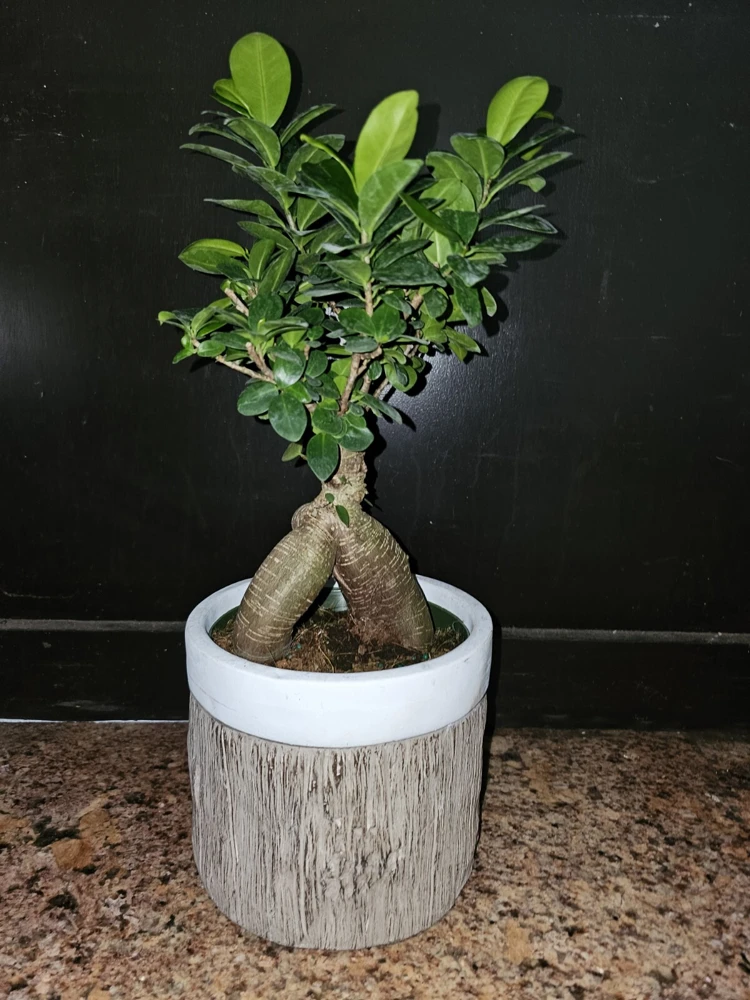
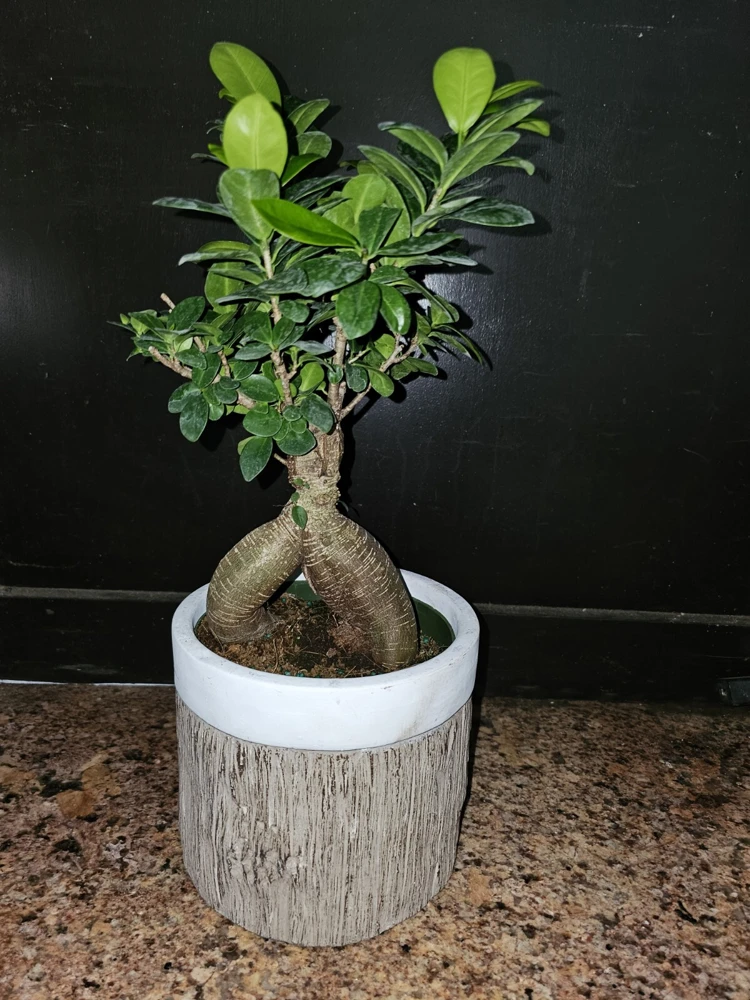
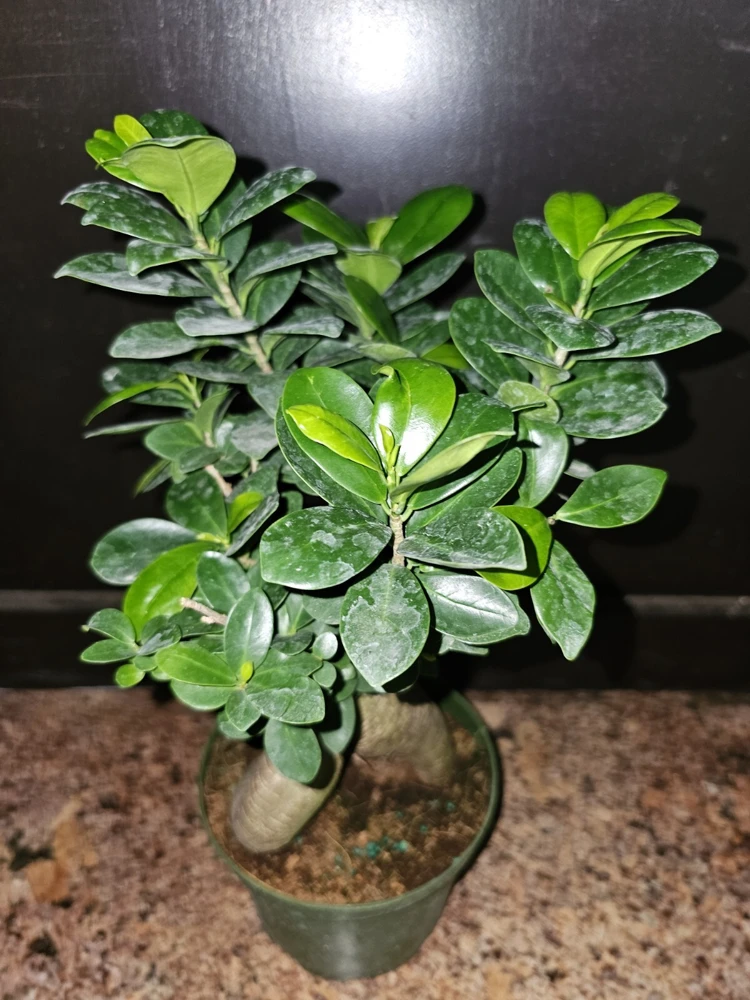
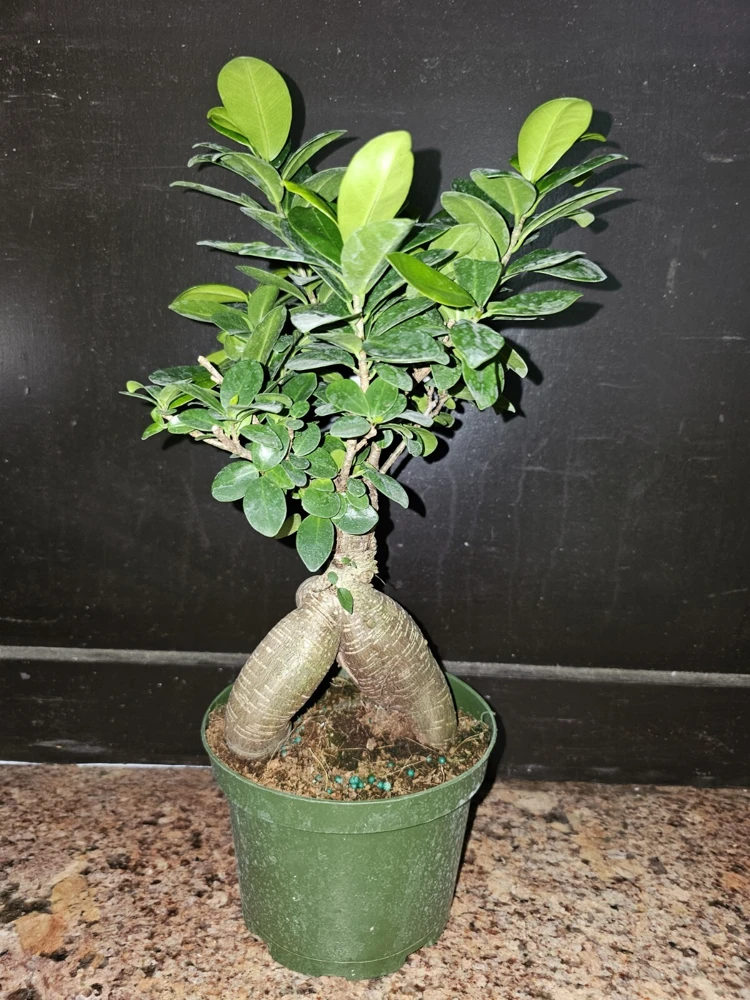
Ficus Microcarpa Bonsai Live Plant 12″ Tall in 6″ Pot – Chinese Banyan
Original price was: 105.91 $.85.91 $Current price is: 85.91 $.
Bring elegance to your home or garden with this beautiful Ficus Microcarpa Bonsai live plant. Standing 12 inches tall in a 6-inch pot, this Chinese Banyan bonsai is a perfect focal point for any space. Known for its lush foliage and unique trunk structure, it thrives both indoors and outdoors with proper care, making it an excellent choice for beginners and seasoned enthusiasts alike.
Estimated arrival
Oct 15
Oct 20 - Oct 22
Oct 22 - Oct 27
See our Shipping Policy.
Get in touch with us via email, and our team will review your concerns.
Our Alive & Thrive Guarantee covers issues with your plants within the first 30 days. Read our Refund & Returns Policy.
-
USDA Hardiness Zone
USDA zones 9-11 (outdoors), suitable for all zones indoors -
Soil Type
Low nutrient airy soil, well-draining potting mix (can add perlite for drainage) -
Sunlight Exposure
Bright indirect light, partial shade (outdoors) -
Expected Planting Period
Year-round indoors
Overview
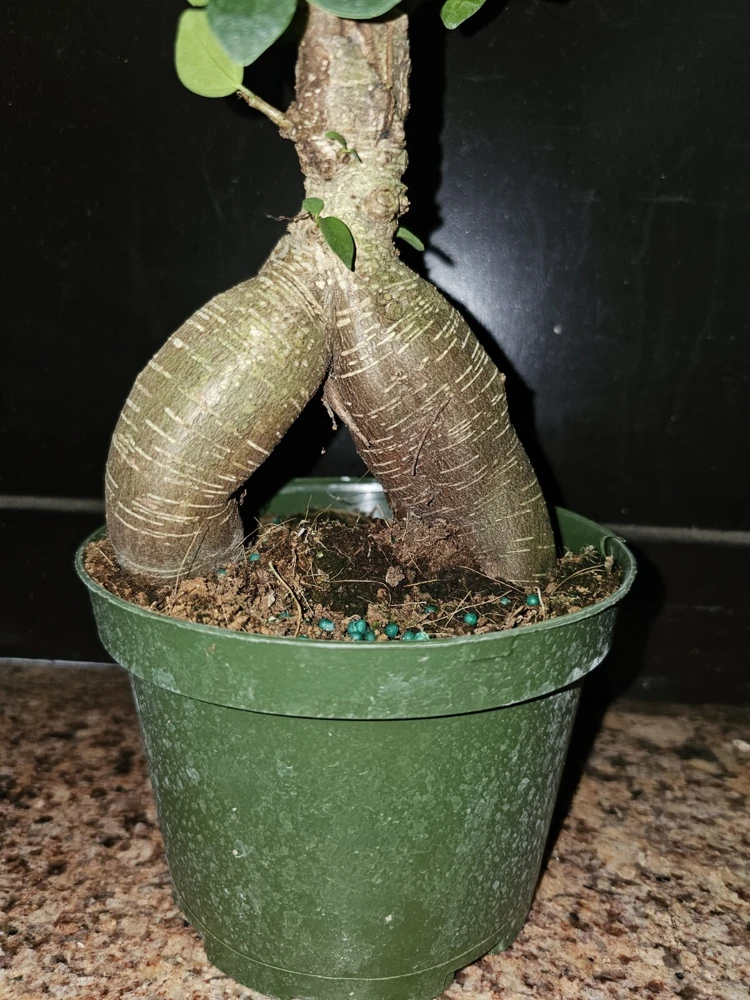
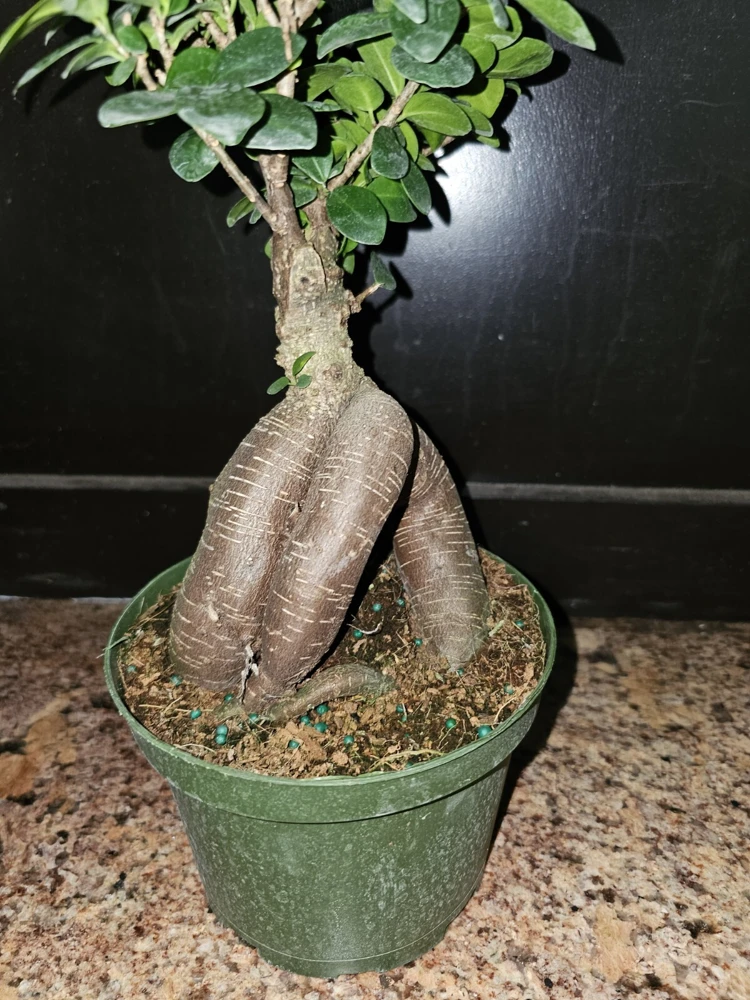
Introduce a touch of natural artistry to your living space with this exquisite Ficus Microcarpa Bonsai live plant. Also widely recognized as the Chinese Banyan bonsai or Green Island Ficus, this specimen arrives as a vibrant, established plant, standing approximately 12 inches tall within a 6-inch pot. The Ficus microcarpa is celebrated for its robust nature, attractive aerial roots, and glossy green leaves, making it a highly sought-after choice for bonsai cultivation. Originating from tropical and subtropical regions, this particular Ficus species adapts well to various environments, allowing it to flourish beautifully both as an indoor bonsai tree or as an outdoor accent in warmer climates. Its natural resilience and striking appearance make it a captivating addition to any plant collection, offering a serene and sophisticated aesthetic.
This particular Ficus Microcarpa Bonsai live plant is a testament to the beauty of miniature horticulture, providing an immediate sense of tranquility and an evergreen presence. It’s a living sculpture that evolves with time, offering endless fascination and a unique connection to nature. Whether you’re starting your bonsai journey or expanding an existing collection, this Ficus is a dependable and rewarding choice.
Key Benefits
Choosing a Ficus Microcarpa Bonsai live plant offers numerous advantages, enhancing both your environment and your well-being. This versatile plant brings a unique blend of aesthetic appeal and practical benefits to any setting.
- Stunning Aesthetic Appeal: The Chinese Banyan bonsai is renowned for its elegant form, glossy green leaves, and often intricate aerial root systems. It serves as a beautiful living artwork, adding a sophisticated and calming presence to any room or garden.
- Adaptable Indoor/Outdoor Plant: This Ficus species is incredibly versatile, thriving equally well as an indoor bonsai tree in most climates or outdoors in tropical and subtropical regions. This flexibility allows you to enjoy its beauty wherever you live.
- Air Purification Qualities: Like many Ficus varieties, the Ficus microcarpa contributes to improved indoor air quality by filtering out common airborne toxins, creating a healthier and more refreshing atmosphere in your home or office.
- Relatively Low Maintenance: While all bonsai require attention, the Green Island Ficus is known for being more forgiving than many other bonsai species, making it an ideal choice for those seeking an easy care bonsai that still offers traditional bonsai aesthetics.
- Longevity and Growth: With proper care, a Ficus Microcarpa Bonsai can live for many decades, becoming a cherished part of your home and a testament to your nurturing. Its continuous growth and subtle changes provide ongoing interest.
- Stress Reduction: The practice of caring for a bonsai, including pruning and watering, can be a meditative and stress-reducing activity. The presence of living greenery also inherently promotes a sense of calm and well-being.
- Educational Opportunity: For new enthusiasts, this Ficus Microcarpa Bonsai live plant offers an excellent introduction to the art of bonsai, allowing you to learn about plant care, shaping techniques, and horticultural principles in an accessible way.
Plant Care & Growing Tips
Caring for your Ficus Microcarpa Bonsai live plant is a rewarding experience that requires understanding its basic needs. This species, often called the Chinese Banyan bonsai, is known for its resilience, making it a relatively easy care bonsai suitable for various skill levels.
Sunlight: The Ficus microcarpa thrives in bright, indirect light. If kept indoors, place it near a window where it receives plenty of natural light but is shielded from harsh, direct afternoon sun which can scorch its leaves. A few hours of morning sun is beneficial. If outdoors, partial shade is ideal, especially during the hottest parts of the day. Insufficient light can lead to leggy growth and smaller leaves. Rotate your plant every few weeks to ensure even light exposure on all sides.
Watering: Proper watering is crucial for your Green Island Ficus. Water thoroughly when the top inch of soil feels dry to the touch. Ensure that water drains freely from the bottom of the pot, indicating that the entire root ball has been moistened. Avoid letting the pot sit in standing water, as this can lead to root rot. Conversely, do not let the soil dry out completely for extended periods. The frequency of watering will depend on environmental factors such as humidity, temperature, and light exposure. In general, check the soil daily or every other day.
Soil & Fertilization: A well-draining, low-nutrient airy soil mix is ideal for this indoor bonsai tree. You can enhance drainage by adding perlite or small gravel to a standard potting mix. Repotting is typically done every 2-3 years in spring, which helps to refresh the soil and prune roots. Fertilize your Ficus microcarpa during the growing season (spring through fall) with a balanced liquid fertilizer diluted to half strength. Reduce or cease fertilization during winter when growth slows. Always water the plant before fertilizing to prevent root burn.
Temperature & Humidity: As a tropical plant, the Ficus microcarpa prefers warm temperatures, ideally between 65-85°F (18-29°C). Protect it from temperatures below 50°F (10°C), as it is not frost-tolerant. High humidity is also beneficial. Indoors, you can increase humidity by misting the leaves regularly, placing the pot on a pebble tray with water, or using a humidifier, especially during dry winter months. This helps prevent leaf drop and keeps the foliage vibrant.
Size & Details
This Ficus Microcarpa Bonsai live plant is delivered as a well-established, finished bonsai, ready to display and enjoy. The plant measures approximately 12 inches tall from the base of the pot to the top of the foliage, presenting a compact yet impactful presence. It comes pre-potted in a 6-inch diameter pot, providing a stable and attractive container for immediate placement. The robust trunk and healthy root system indicate a strong foundation for continued growth and development. This particular Ficus is known for its moderate growth rate, allowing for regular shaping and pruning to maintain its desired bonsai form. Expect a mature form that can be maintained with consistent care and pruning, showcasing its natural beauty over many years. Its compact size makes it ideal for desks, shelves, or as a small garden feature.
Frequently Asked Questions
- Q: How big does this Ficus Microcarpa Bonsai get? A: This particular Ficus Microcarpa Bonsai live plant arrives approximately 12 inches tall in a 6-inch pot. With consistent pruning and care, its size can be maintained to remain compact, making it suitable for various indoor and outdoor settings.
- Q: Is this an indoor or outdoor plant? A: The Chinese Banyan bonsai is highly versatile. It thrives beautifully as an indoor bonsai tree in most climates, especially where winters are cold. In USDA zones 9-11 or other tropical/subtropical regions, it can be grown outdoors year-round.
- Q: How much sunlight does it need? A: Your Green Island Ficus prefers bright, indirect light. If indoors, place it near a window with filtered light. If outdoors, provide partial shade to protect it from intense afternoon sun.
- Q: Is this plant easy to care for? A: Yes, the Ficus Microcarpa is considered an easy care bonsai, making it an excellent choice for beginners. It’s relatively forgiving compared to other bonsai species, but still requires consistent attention to watering and light.
- Q: What condition will it arrive in? A: Your Ficus Microcarpa Bonsai live plant will arrive as a finished, potted plant in its 6-inch pot, complete with soil. It will be carefully packaged to ensure its safe arrival, ready for immediate display.
- Q: When is the best time to prune my Ficus Microcarpa Bonsai? A: Pruning can be done throughout the growing season (spring to fall) to maintain its shape and encourage new growth. Heavy pruning or styling is generally best done in late spring or early summer.
- Q: What type of soil is best for this Ficus Microcarpa Bonsai? A: This bonsai thrives in a well-draining, airy soil mix. You can use a specific bonsai soil blend or a good quality potting mix amended with perlite or pumice to ensure excellent drainage.
- Q: Will it survive winter in my zone? A: If you live in a region with temperatures consistently below 50°F (10°C), it’s crucial to bring your outdoor Ficus Microcarpa Bonsai live plant indoors for the winter months to protect it from cold damage.
- Q: How often should I fertilize my Ficus Microcarpa? A: Fertilize your Chinese Banyan bonsai every 2-4 weeks during the growing season (spring through fall) with a balanced liquid fertilizer. Reduce frequency or stop entirely during winter.
- Q: Is this Ficus Microcarpa considered a Houseplant or a Tree? A: While it is a tree by botanical classification, in the context of horticulture, it functions as both an indoor bonsai tree (houseplant) and an outdoor tree in warmer climates.
Be the first to review “Ficus Microcarpa Bonsai Live Plant 12″ Tall in 6″ Pot – Chinese Banyan”
Related products


HousePlants


HousePlants
Plectranthus Swedish Ivy Plant Live Purple Houseplant 2-Pack Starter Plants for Indoor Gardens


HousePlants
Purple African Violet Plant Live, Perennial Houseplant, 4 Inch Pot, Indoor Garden, Vibrant Violets
You May Like

Hardneck vs. Softneck Garlic: Which Should You Grow?
Have you ever stood in front of a seed catalog in mid-September, staring at dozens [...]
Oct

When to Plant Music Garlic: Ultimate US Fall Guide
Have you ever spent your fall weekend placing carefully chosen garlic cloves into rich, dark [...]
1 Comment
Oct

5 Best Bulbs for Fall Planting: Brighten Your Garden This Spring
Are you dreaming of a garden full of vibrant colors in the spring? The key [...]
Aug

10 Houseplants That Will Thrive in Your Kitchen
Are you tired of your kitchen feeling dull and lifeless? Want to add a little [...]
1 Comment
Aug
Reviews
There are no reviews yet.