
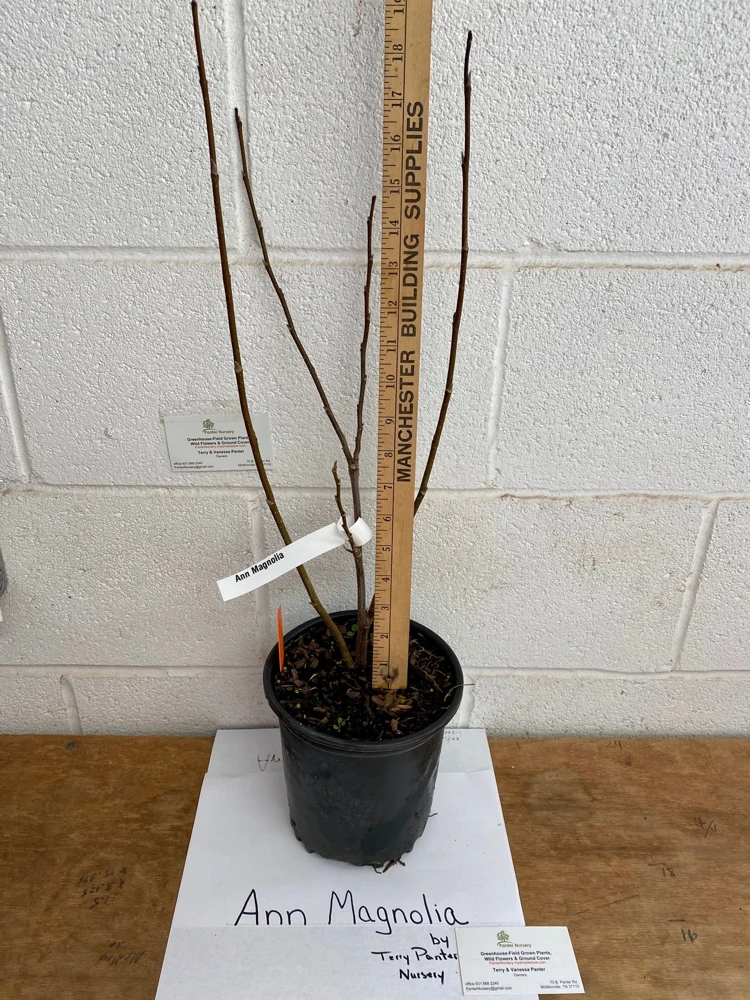
Ann Magnolia Live Plant – 1 Gallon Pot Shrub/Tree – Fragrant Purple-Red Flowers
Original price was: 85.91 $.65.91 $Current price is: 65.91 $.
Bring elegance to your garden with the Ann Magnolia live plant. This beautiful deciduous shrub or tree features stunning, fragrant purple-red flowers in spring and summer. Ideal as a specimen plant or for an informal hedge, it’s hardy in USDA Zones 3-8 and adaptable to various soils.
Estimated arrival
Oct 15
Oct 20 - Oct 22
Oct 22 - Oct 27
See our Shipping Policy.
Get in touch with us via email, and our team will review your concerns.
Our Alive & Thrive Guarantee covers issues with your plants within the first 30 days. Read our Refund & Returns Policy.
-
USDA Hardiness Zone
3-8 -
Soil Type
Well-draining soil, adaptable to various types -
Sunlight Exposure
Full sun to partial shade -
Expected Planting Period
Early spring to early fall
Overview
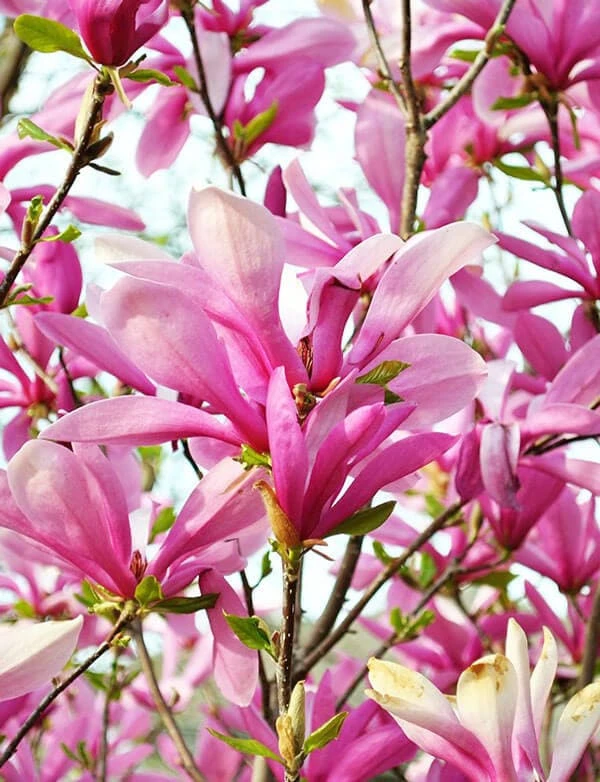
Introduce a touch of springtime splendor to your landscape with the Ann Magnolia live plant. This exquisite deciduous shrub, often grown as a small tree, is renowned for its captivating display of fragrant, purple-red flowers. Blooming in both spring and summer, the Ann Magnolia offers an extended season of vibrant color and delightful aroma. Known botanically as Magnolia liliiflora ‘Ann’, this cultivar is a popular choice among gardeners for its relatively compact size and ease of care. Whether you’re looking for a striking specimen plant to be the focal point of your garden or planning an informal hedge, the Ann Magnolia shrub provides a spectacular visual impact. Its lush foliage and abundant blooms make it a true garden treasure, adding charm and sophistication to any outdoor space.
The Ann Magnolia live plant is highly adaptable and thrives in a wide range of climates, making it suitable for many regions. Its resilience and beautiful flowering habit ensure that it remains a favorite for both novice and experienced gardeners alike. Experience the joy of watching this magnificent plant transform your garden with its early season brilliance.
Key Benefits
The Ann Magnolia live plant offers numerous advantages that make it a superb addition to any garden or landscape. Its distinctive qualities contribute significantly to its appeal and overall value:
- Stunning Floral Display: Produces abundant, fragrant purple-red flowers that create a dramatic visual impact from spring through summer, providing extended beauty in your garden. The vibrant color adds a luxurious feel to any outdoor setting.
- Versatile Landscaping: Excellent as a standalone specimen plant, drawing attention with its unique form and blossoms. It can also be planted in multiples to form a beautiful and informal flowering hedge, offering privacy and a splash of color.
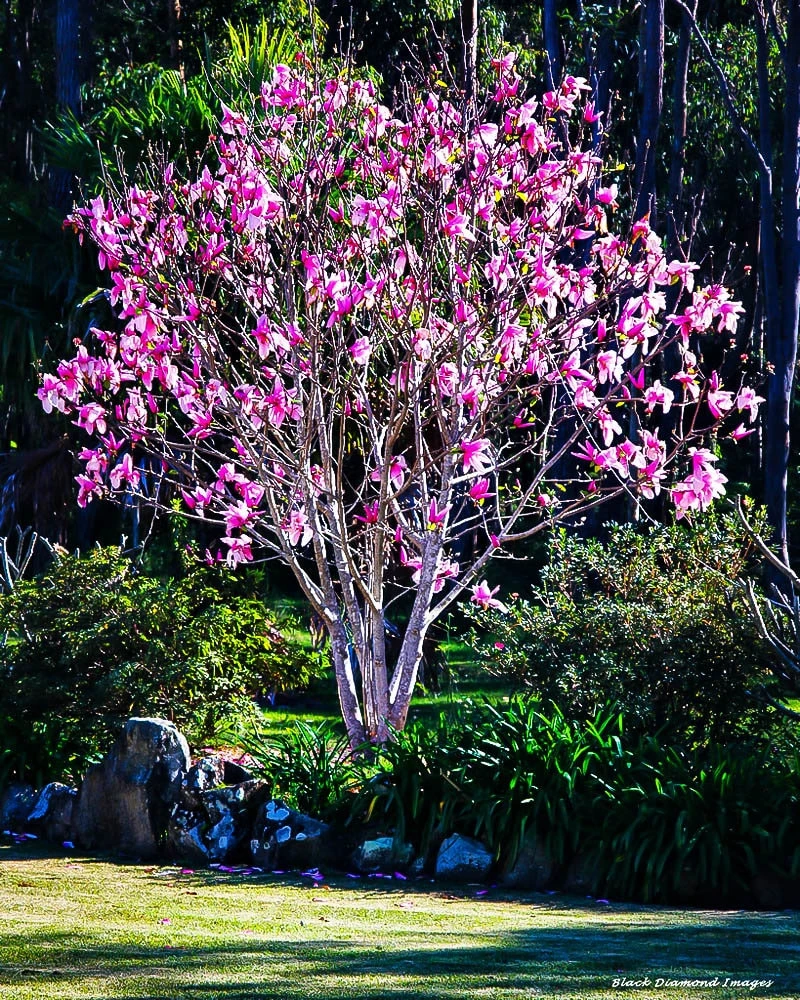
- Adaptable Growth Habit: Can grow up to 10 feet tall but can be easily pruned annually to maintain a desired shape and height, making it suitable for various garden sizes and designs. This flexibility allows for creative landscaping solutions.
- Low Maintenance: This deciduous magnolia is relatively easy to care for once established, requiring minimal attention to thrive. Its robust nature makes it a great choice for gardeners seeking beauty without excessive effort.
- Wide Hardiness Range: Hardy in USDA Zones 3-8, demonstrating broad adaptability to different climatic conditions. This wide range ensures that many gardeners across the US can successfully grow and enjoy this plant.
- Fragrant Blooms: The beautiful purple-red flowers emit a delicate and pleasing fragrance, enhancing the sensory experience of your garden. Enjoy the sweet scent carried on the breeze.
- Soil Adaptability: Widely adaptable to various soil types, as long as they are well-draining, which simplifies planting and establishment. This makes it a forgiving plant for different garden conditions.
Plant Care & Growing Tips
Proper care is essential for ensuring your Ann Magnolia live plant flourishes and produces its spectacular blooms year after year. This deciduous shrub is relatively low-maintenance but benefits from specific growing conditions. For optimal growth, choose a location that receives full sun to partial shade. Full sun (at least 6 hours of direct sunlight daily) will encourage the most prolific flowering, while partial shade (4-6 hours of sun, especially morning sun) can protect the blooms from scorching in hotter climates. Ensure the soil is well-draining, as magnolias do not tolerate soggy roots. A slightly acidic to neutral soil pH (6.0-7.0) is ideal, though the purple magnolia tree is widely adaptable to various soil types.
Watering should be consistent, especially during the first year of establishment and during dry spells. Aim to keep the soil consistently moist but not waterlogged. Once established, the Ann Magnolia is moderately drought-tolerant. Fertilize in early spring with a balanced, slow-release granular fertilizer formulated for trees and shrubs. Pruning is best done immediately after flowering to shape the plant and remove any dead or crossing branches. Avoid heavy pruning in late summer or fall, as this can remove next year’s flower buds. The Ann Magnolia care routine is straightforward, making it a rewarding plant for many gardeners. Protect young plants during harsh winters in colder zones with a layer of mulch around the base.
This resilient plant is generally pest and disease resistant, contributing to its low-maintenance appeal. Monitoring for common issues like aphids or scale can be done during routine checks, but serious problems are rare. Understanding the specific needs for Ann Magnolia care will help you cultivate a healthy and vibrant plant that enhances your garden for years to come.
Size & Details
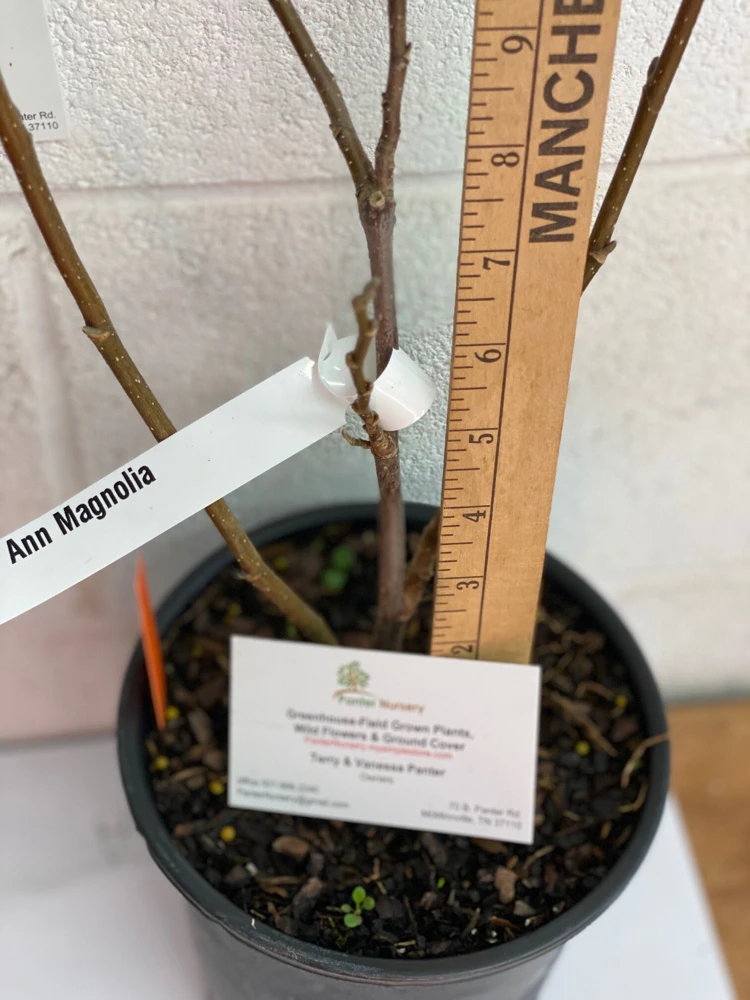
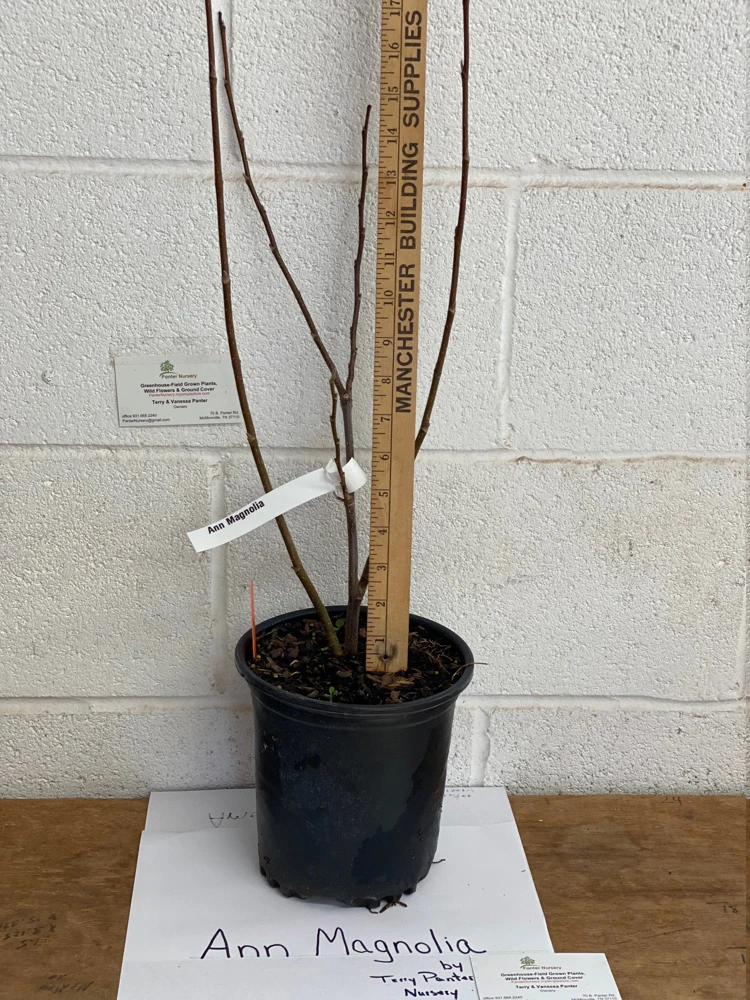
The Ann Magnolia live plant you receive is typically a young specimen, ready to establish itself in your garden. It is supplied in a trade gallon pot, which provides a healthy root system for successful transplantation. At the time of purchase, the plant usually measures 12-18 inches in height, offering a good starting size for immediate impact. This deciduous shrub or small tree has a moderate growth rate, allowing it to reach its mature size within a reasonable timeframe. When fully mature, the Ann Magnolia can grow up to 10 feet tall, with a similar spread, creating a beautiful rounded or oval shape. However, its versatile nature allows for annual pruning to maintain a desired height and shape, making it suitable for smaller gardens or specific landscape designs.
The flowers are a striking purple-red, appearing in early spring before the foliage emerges, followed by sporadic reblooming in summer. This extended bloom period is a key feature of the purple magnolia tree. It is shipped as a live, potted plant, ensuring minimal transplant shock and providing the best chance for successful growth in your chosen location. With proper planting and ongoing Ann Magnolia care, this plant will become a cherished part of your landscape.
Frequently Asked Questions
- Q: How big does the Ann Magnolia get? A: The Ann Magnolia live plant can grow up to 10 feet tall with a similar spread. However, it can be pruned annually to maintain a smaller, desired size and shape, making it adaptable to various garden spaces.
- Q: Is this an indoor or outdoor plant? A: The Ann Magnolia is primarily an outdoor plant, thriving as a deciduous shrub or small tree in garden settings. It is hardy in USDA Zones 3-8 and requires outdoor conditions to flourish.
- Q: How much sunlight does the Ann Magnolia need? A: This plant performs best in full sun to partial shade. For the most abundant blooms, aim for at least 6 hours of direct sunlight per day. Partial shade can be beneficial in hotter climates to protect the flowers.
- Q: Is this plant easy to care for? A: Yes, the Ann Magnolia shrub is considered very low maintenance once established. It requires consistent watering during its first year, well-draining soil, and occasional feeding, but generally, it’s a robust and forgiving plant.
- Q: What condition will it arrive in? A: Your Ann Magnolia will arrive as a healthy, live plant in a trade gallon pot, with its root system intact and ready for planting. We ensure careful packaging to minimize stress during transit.
- Q: When is the best time to plant an Ann Magnolia? A: The best time to plant an Ann Magnolia is in early spring or early fall. This allows the plant to establish its root system before the extreme temperatures of summer or winter.
- Q: Will it survive winter in my zone? A: The Ann Magnolia live plant is hardy in USDA Zones 3 through 8. If you are within these zones, it should successfully survive winter with appropriate care, especially for young plants in colder areas.
- Q: What kind of soil does the Ann Magnolia prefer? A: The Ann Magnolia is widely adaptable to various soil types, but it prefers well-draining soil that is slightly acidic to neutral. Avoid heavy clay soils that retain too much moisture.
- Q: Can I prune the Ann Magnolia to keep it small? A: Absolutely. The purple magnolia tree responds well to pruning. You can prune it annually immediately after it finishes flowering to control its height and shape, ensuring it fits your garden design.
- Q: Does the Ann Magnolia have fragrant flowers? A: Yes, one of the delightful features of the Ann Magnolia is its fragrant, purple-red flowers. They add a lovely scent to the spring and summer garden.
Be the first to review “Ann Magnolia Live Plant – 1 Gallon Pot Shrub/Tree – Fragrant Purple-Red Flowers”
Related products


You May Like

Hardneck vs. Softneck Garlic: Which Should You Grow?
Have you ever stood in front of a seed catalog in mid-September, staring at dozens [...]
Oct

When to Plant Music Garlic: Ultimate US Fall Guide
Have you ever spent your fall weekend placing carefully chosen garlic cloves into rich, dark [...]
1 Comment
Oct

5 Best Bulbs for Fall Planting: Brighten Your Garden This Spring
Are you dreaming of a garden full of vibrant colors in the spring? The key [...]
Aug

10 Houseplants That Will Thrive in Your Kitchen
Are you tired of your kitchen feeling dull and lifeless? Want to add a little [...]
1 Comment
Aug
Reviews
There are no reviews yet.